by Kevin
Share
by Kevin
Share
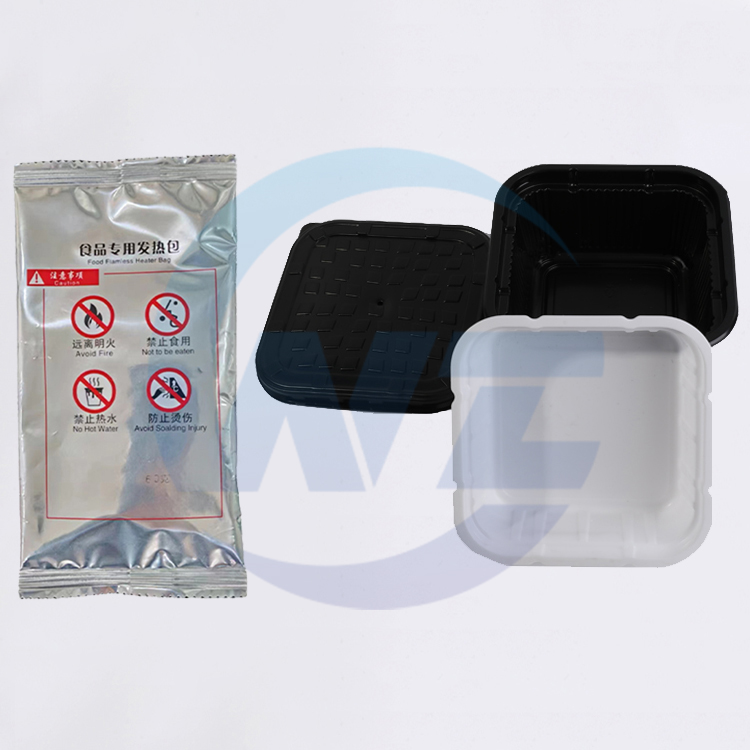
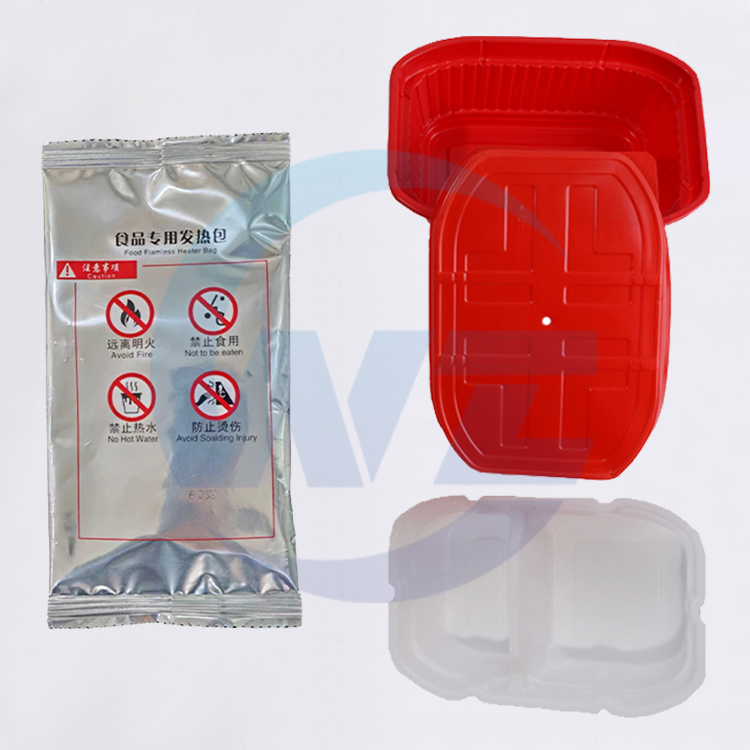
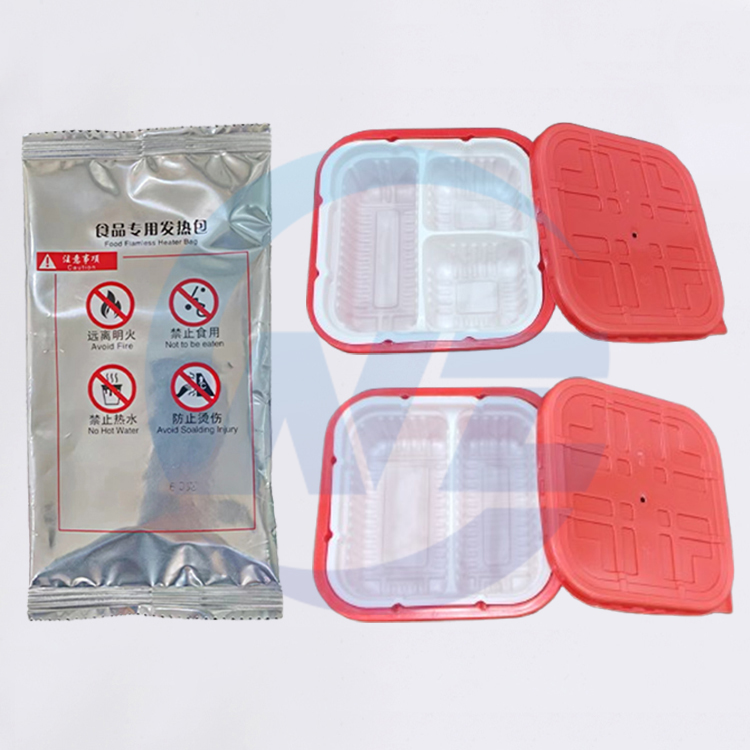
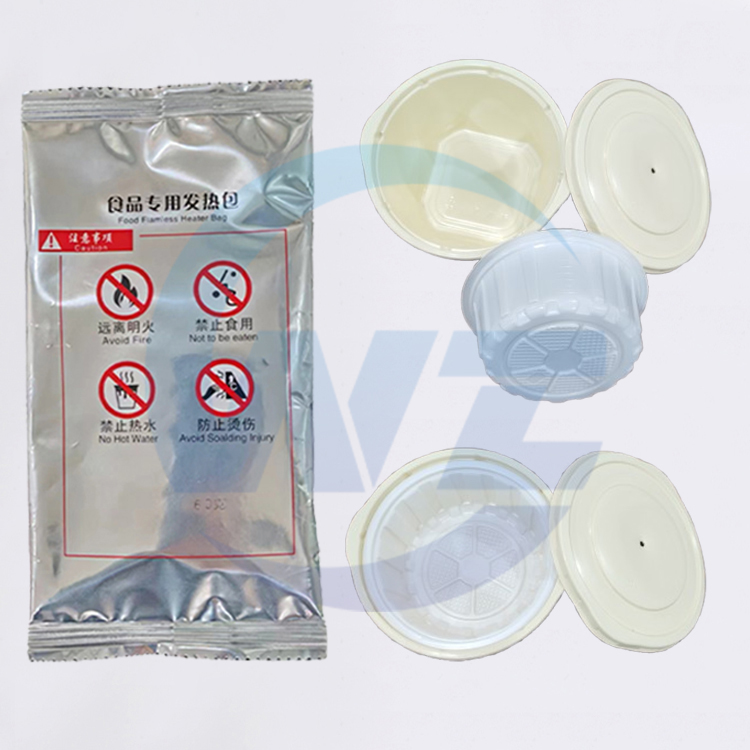
Flameless Ration Heaters (FRHs) are widely regarded as a brilliant solution for heating meals in the field without the need for fire or electricity. However, because they rely on a rapid chemical reaction between magnesium, iron, and water to generate heat, they naturally raise questions about safety. While the end user only sees a hot meal, regulatory bodies view them through a much stricter lens. A close look at official Safety Data Sheets (MSDS) and Department of Transportation (DOT) guidelines reveals a nuanced reality: FRHs are incredibly safe when used as intended, but they carry specific, heavily regulated hazards that the public often overlook.
Features of Flameless Ration Heaters (Safety Perspective)
No Open Flame Operation
The most obvious safety feature of an FRH is its flameless nature. By relying on an exothermic chemical reaction rather than combustion, they eliminate the risk of igniting dry brush, fuel, or ammunition, making them inherently safer than traditional stoves in tactical or disaster environments.
Controlled Chemical Reaction
FRHs are designed with built-in buffers, such as vermiculite or salt, which moderate the reaction between the magnesium and water. This prevents “thermal runaway,” ensuring the heater gets hot enough to warm food but does not pose a severe burn or fire hazard to the user.
Hydrogen Gas Byproduct
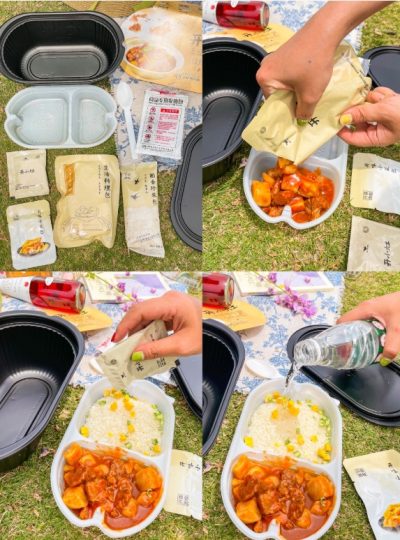
The hidden safety concern of FRHs is that the chemical reaction produces hydrogen gas as a byproduct. While the amount is small, hydrogen is highly flammable, meaning the heater transitions from a simple warming device to a potential respiratory and explosion hazard if used in an improperly ventilated space.
Regulated Material Limits
To maintain a balance between utility and transport safety, the magnesium content in commercial and military FRHs is strictly limited (typically under 8 grams per pad). This precise limit dictates how the product is classified, handled, and shipped under federal regulations.
How are Flameless Ration Heaters made?
The manufacturing process is heavily monitored to ensure the final product meets strict safety and regulatory standards.
Material Preparation
Manufacturers carefully weigh food-grade magnesium powder, iron powder, and salt. The exact ratio of magnesium is critically controlled to ensure the reaction is potent enough to heat food, but stays below the threshold that would trigger strict hazardous material shipping requirements.

Mixing and Pad Formation
The reactive powders are mixed with inert fillers designed to absorb water and distribute heat evenly. This mixture is then sealed into a permeable non-woven fabric pad that controls how fast water interacts with the magnesium, preventing sudden, violent reactions.
Sealing and Barrier Packaging
The pad is placed inside a highly durable, multi-layer plastic sleeve (often incorporating polypropylene). This outer barrier is vacuum-sealed to prevent ambient moisture from accidentally triggering the heater during storage or transport, which is a key requirement for DOT compliance.
Popular Uses of Flameless Ration Heaters
Military Field Operations
In the military, FRHs are standard issue. Soldiers are explicitly trained on the hazards outlined in the MSDS—specifically the hydrogen gas risk—and are instructed to use them in well-ventilated areas away from flames or ignition sources.
Disaster Relief Operations
Relief agencies distribute FRHs because they are safer than handing out lighter fluid or stoves to displaced populations. However, responsible agencies must include safety instructions in local languages to prevent untrained individuals from using them inside sealed vehicles or small tents.
Outdoor Recreation
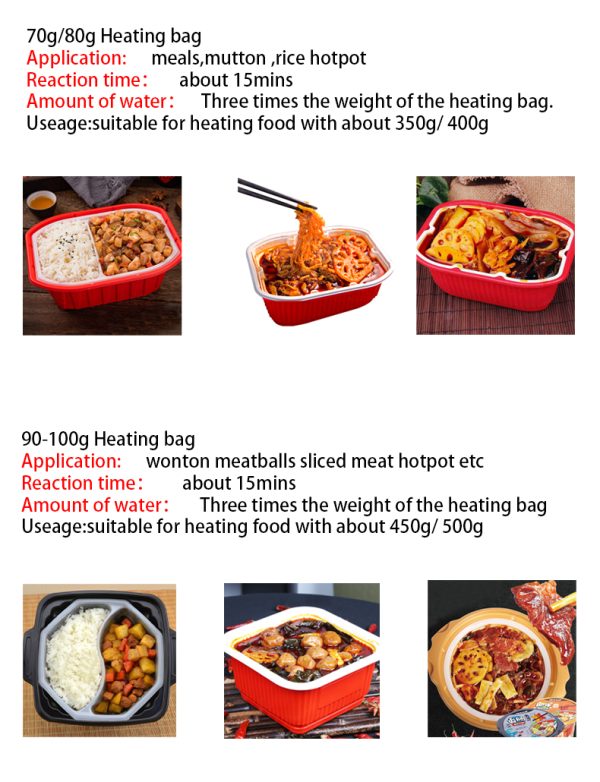
Hikers and preppers use FRHs for their convenience. While generally safe, civilian users are often less aware of the MSDS guidelines, making education about proper ventilation and disposal critical for this demographic.
How to choose a Flameless Ration Heater that suits your needs?
Verify DOT Compliance
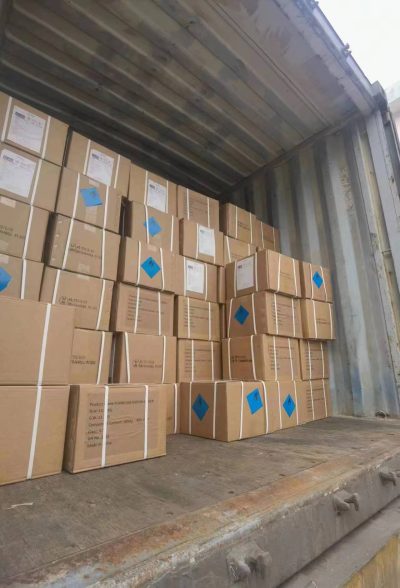
Ensure the heater explicitly states it complies with DOT exemptions for small quantities of magnesium (such as the 49 CFR 173.54 exemption). This guarantees the manufacturer has engineered the product to be legally and safely transported without hazardous material placards.
Check for Clear MSDS Documentation
Reputable suppliers will readily provide a Safety Data Sheet. If a manufacturer refuses to provide an MSDS or claims their FRH has “no hazards at all,” it is a red flag; all chemical heaters have specific handling and storage protocols that must be disclosed.
Evaluate Packaging Integrity
Examine the outer sleeve for strong heat seals. A compromised seal not only renders the heater useless by letting moisture in, but it can also lead to partial reactions that create unexpected hydrogen gas buildup inside a shipping box or storage bin.
How to care for a Flameless Ration Heater?
Proper Storage
Store FRHs in a cool, dry place in their original, sealed packaging. The DOT and MSDS emphasize keeping them away from water sources, extreme heat, and strong oxidizers, which could trigger a reaction or degrade the magnesium powder over time.
Follow Ventilation Rules
Never use an FRH inside a closed vehicle, a tightly zipped tent, or an enclosed bunker. Always activate the heater in an open, well-ventilated area to allow the small amount of hydrogen gas to dissipate harmlessly into the atmosphere.
Safe Disposal
Once the reaction is completely finished and the heater is cool, it can generally be disposed of with standard household waste. However, MSDS guidelines dictate that unreacted or leaking heaters should not be thrown into fires or incinerators, as unspent magnesium can react violently at high temperatures.
Conclusion
Flameless Ration Heaters are not inherently dangerous, but they are not simple toys either. The MSDS and DOT guidance reveal a product that demands respect: it relies on reactive metals and produces flammable gas, but is brilliantly engineered to remain safe as long as the packaging is intact and the user follows ventilation rules. Understanding these official guidelines transforms the FRH from a mysterious chemical pouch into a highly reliable, safely manageable piece of survival gear.
If you think this article is helpful, please contact us. We will give you reasonable and suitable product recommendations based on your current situation. If you are not sure, you can also consult us. We will provide you with professional services to answer your questions. You are welcome to consult us at any time and we welcome all customers to conduct on-site inspections!
FAQ’s
What is the melting point of polypropylene?
Polypropylene has a melting temperature range of about 160°C and 170°C (320°F to 338°F), depending on the relative crystallinity of the material.
How does crystallinity affect polypropylene’s melting temperature?
It partly determines the melting temperature as well. If the degree of crystallinity is raised the melt temperature will also be high because the polymer chains are closely aligned.
Can additives alter the melting point of polypropylene?
The melting point of this material, however, will decrease depending on some sources. For instance, plasticizers decrease the degree of crystalline structure, decreasing the melting point, while other would increase thermal stability of the material.
What is the significance of polypropylene’s melting temperature in injection molding processes?
When it comes to rapid injection molding the melting point is central in providing processing temperatures. Temperature refers with the operation condition that has significant impact on the flow, mold filling and the part produced.
How does molecular weight influence the melting temperature of polypropylene?
The higher the molecular weight of the polypropylene the higher is the melting point of the polymer. Polymer formation involves an increase in size of the material molecules and this implies that it is thermally stable and its melting point is high.
What are the recommended processing temperatures for polypropylene in industrial applications?
The temperature used in injection molding normally ranges from 180°C to 240°C (356°F to 464°F) for polypropylene depending with the grade used for processing.
What are the Applications of Polypropylene Relative to Melting Temperature?
Polypropylene used in automotive parts, packaging, and textiles, in which the melting point for application by injection molding and extrusion is of value. This is suitable for use in systems that need thermal barrier and material internal movement.
STAY IN THE LOOP