by Kevin
Share
by Kevin
Share
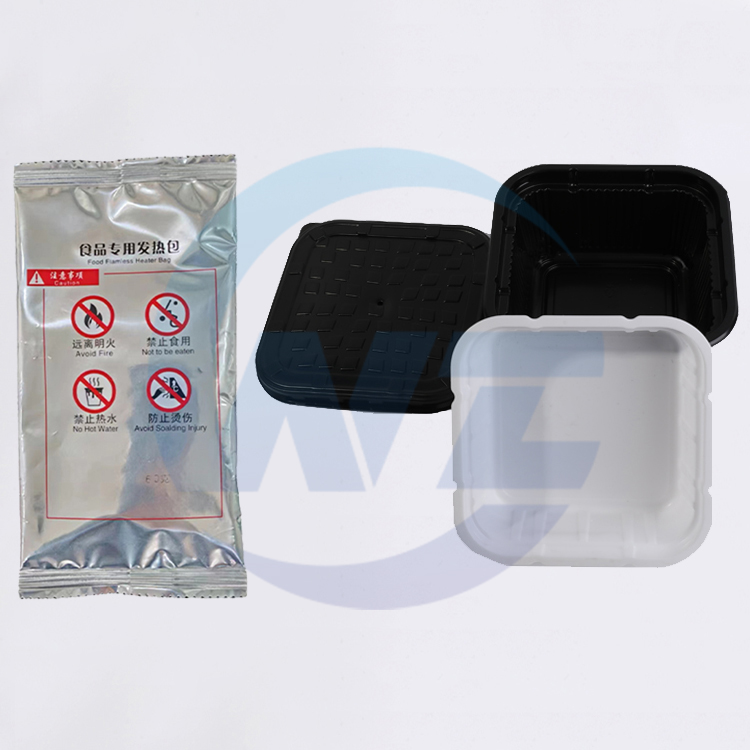
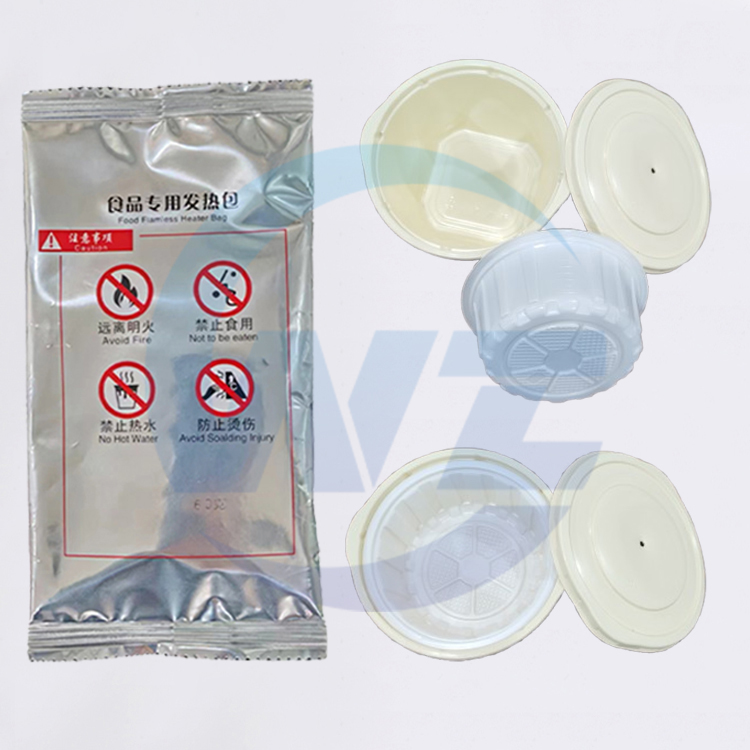
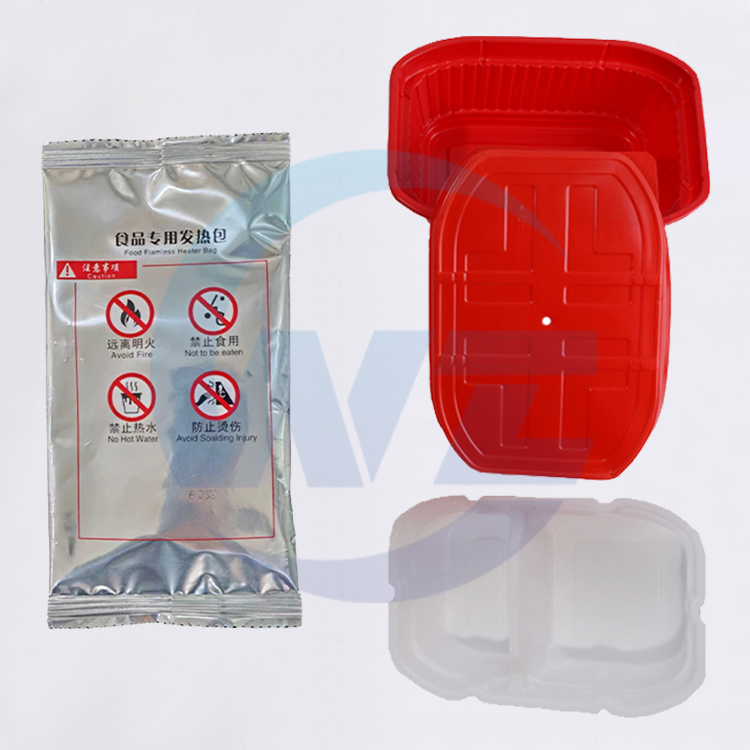
The Army FRH flameless ration heater pouch is the unsung hero of modern military logistics, providing soldiers with hot meals in the most austere environments without the need for heavy cooking equipment. Utilizing a simple chemical reaction, these pouches allow troops to heat their rations anywhere, anytime. However, while they are a staple of field feeding, the release of hydrogen gas and the chemical nature of the heating process have sparked discussions regarding safety and proper usage. Understanding how these pouches work and the precautions required is essential for both military users and civilians who utilize this technology.
Features of Army FRH Flameless Ration Heater Pouch
Rapid Thermal Response
The FRH is designed to reach activation temperature within seconds of adding water. This rapid response allows soldiers to prepare a hot meal even during short breaks in patrols or operations.
Smokeless and Flameless
True to its name, the heater produces no visible flame or smoke. This is a critical tactical feature, preventing enemy detection and allowing for use inside vehicles, tents, or bunkers without ventilation issues related to smoke.
Durability and Compactness
The pouch is constructed to withstand rough handling in rucksacks and cargo pockets. Despite its durability, it remains lightweight and flat, minimizing the load carried by personnel.

Simple Operation
Operation is intuitive and requires no training: just add water. This simplicity ensures that the heater can be used effectively even under high stress or exhaustion.
How are Army FRH flameless ration heater pouches made?
The manufacturing of these pouches combines precise chemistry with rugged packaging materials.
Magnesium and Iron Formulation
The heating element consists of a fine powder blend of magnesium and iron. The magnesium serves as the primary fuel, undergoing oxidation to release heat, while the iron acts as a catalyst to sustain the reaction.
Electrolyte Integration
Salt (sodium chloride) is mixed into the powder. When water is introduced by the user, the salt dissolves to create an electrolyte solution that accelerates the electrochemical reaction between the magnesium and water.
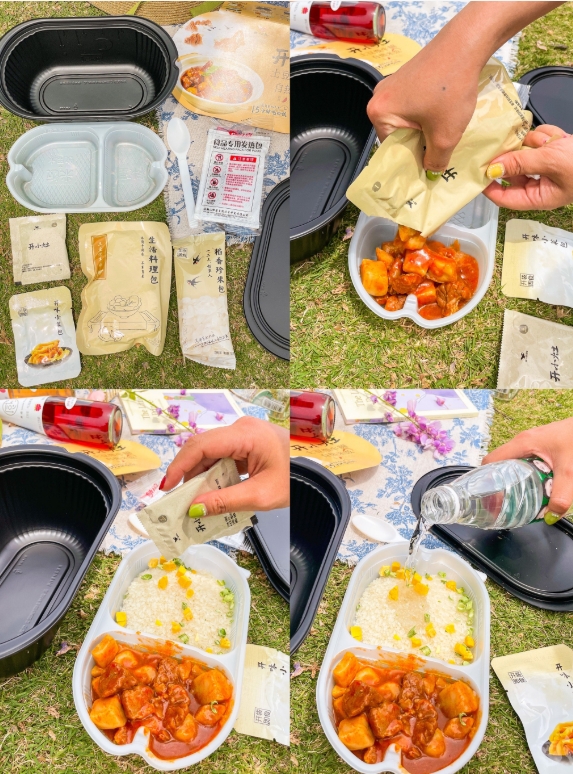
Pad Encapsulation
The chemical mixture is encased in a pad made of non-woven fabric and paper. This porous material holds the powder in place while allowing water to permeate evenly for consistent heating.
Outer Protective Packaging
The pad is sealed inside a high-barrier foil pouch. This outer layer is crucial for preventing moisture from entering and activating the heater prematurely, ensuring a long shelf life.
Popular Uses of Army FRH Flameless Ration Heater Pouch
Military Field Feeding
The primary use is within military Meals, Ready-to-Eat (MREs). The FRH enables soldiers to consume hot, calorie-dense meals that boost morale and energy levels during combat and training exercises.
Outdoor and Survival Camping
Civilians often purchase military surplus FRHs for camping, hiking, and bushcraft. They are favored by outdoor enthusiasts who want a hot meal without carrying a stove or worrying about fire bans.
Emergency Preparedness
Preppers and emergency management organizations include FRHs in disaster kits. They provide a reliable method to heat food when power grids fail or during natural disasters.
How to choose an Army FRH flameless ration heater pouch that suits your needs?
Verify Military Specification
Ensure the pouch meets military standards (Mil-Spec). Authentic military-issue FRHs are tested for reliability in extreme temperatures and altitudes, unlike some commercial imitations.
Check Packaging Integrity
Inspect the foil outer pouch for any rips, holes, or punctures. Since the heater is water-activated, even minor damage can allow moisture in and ruin the product before use.
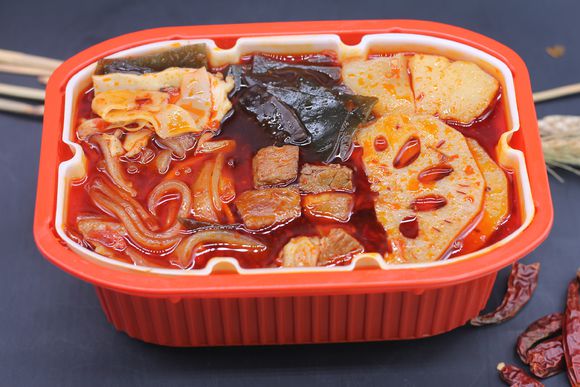
Consider Bulk Purchasing
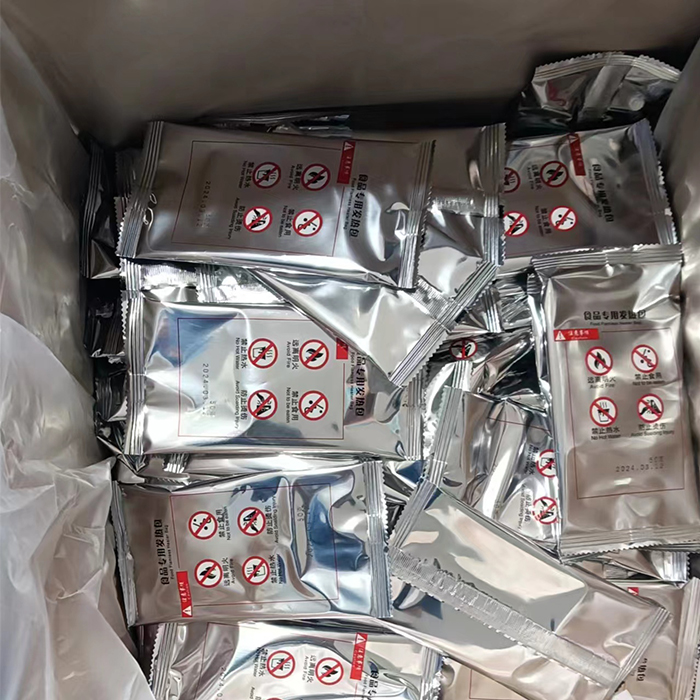
For long-term storage or group activities, purchasing by the case is often more economical. Ensure the supplier guarantees a fresh manufacture date to maximize shelf life.
Size Compatibility
Confirm that the heater size matches your food pouch. Standard Army FRHs are designed for single-serve entrees, but different sizes exist for group rations or larger meal kits.
How to use an Army FRH flameless ration heater pouch safely?
Ventilation is Key
The chemical reaction releases hydrogen gas, which is flammable. Always use the FRH in a well-ventilated area or open space. Never use it inside a sealed, unventilated container or vehicle.
Tilt the Pouch
After adding water and inserting the meal, tilt the pouch slightly (usually propped against a rock or the ground) at a 45-degree angle. This allows the hydrogen gas to escape and prevents the bag from bursting due to pressure buildup.
Avoid Direct Contact
The pouch becomes extremely hot during the reaction. Do not place it directly against bare skin. Use the cardboard sleeve or gloves to handle the heater while it is active.
Proper Disposal
After use, the pouch contains spent chemicals (magnesium hydroxide). Allow it to cool completely before disposal. Follow local regulations for discarding chemical waste and do not leave used pouches in nature.
Conclusion
The Army FRH flameless ration heater pouch remains a vital piece of technology for military efficiency and outdoor convenience. While the debate regarding the safety of hydrogen gas and chemical waste persists, the benefits of having a hot meal in a combat zone or emergency situation cannot be overstated. By respecting the safety protocols and choosing high-quality products, users can leverage this technology effectively and safely.
If you think this article is helpful, please contact us. We will give you reasonable and suitable product recommendations based on your current situation. If you are not sure, you can also consult us. We will provide you with professional services to answer your questions. You are welcome to consult us at any time and we welcome all customers to conduct on-site inspections!
STAY IN THE LOOP