by Kevin
Share
by Kevin
Share
Why Backpacking Meals Need a Better Heating Solution
A long day on the trail changes the way you think about food.
After several hours of hiking, carrying a heavy cooking system can feel unnecessary. A traditional backpacking kitchen may require a stove, fuel, cookware, utensils, and additional accessories. Every extra item adds weight and takes up valuable space inside a pack.
For hikers who prioritize a lightweight setup, backpacking meals should be easy to carry, simple to prepare, and practical in changing outdoor conditions.
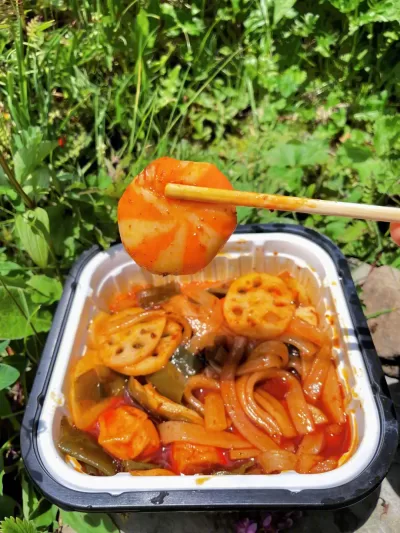
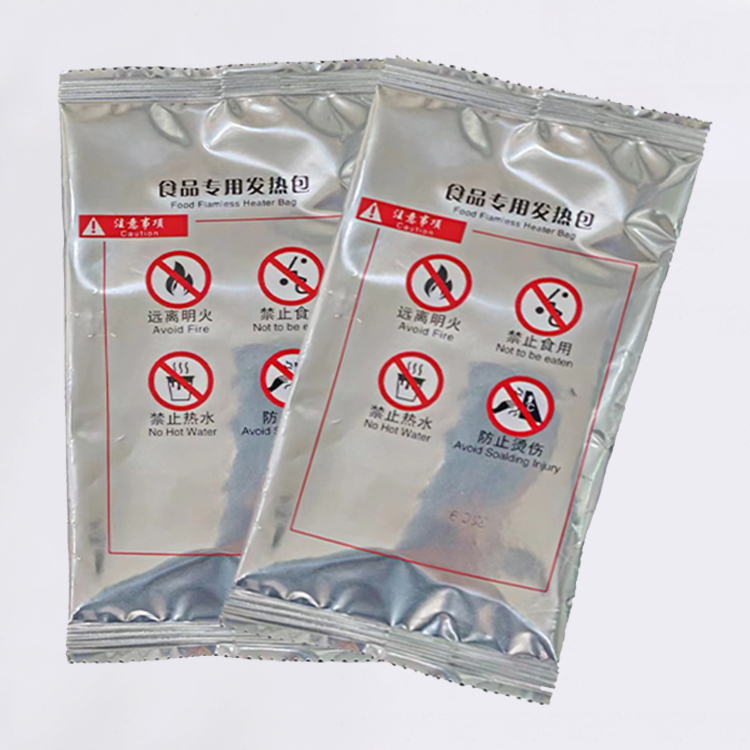
This is where a Self Heating Bag for Food can provide a useful alternative.
Instead of relying on a conventional cooking appliance, a water-activated heating pouch can warm a compatible packaged meal through a controlled heat-generating reaction. The concept is particularly useful for hikers, campers, trekking groups, outdoor food brands, and manufacturers developing ready-to-heat meals.
At wordgen, we focus on flameless meal-heating solutions designed for convenient outdoor food preparation.
What Is a Self Heating Bag for Food?
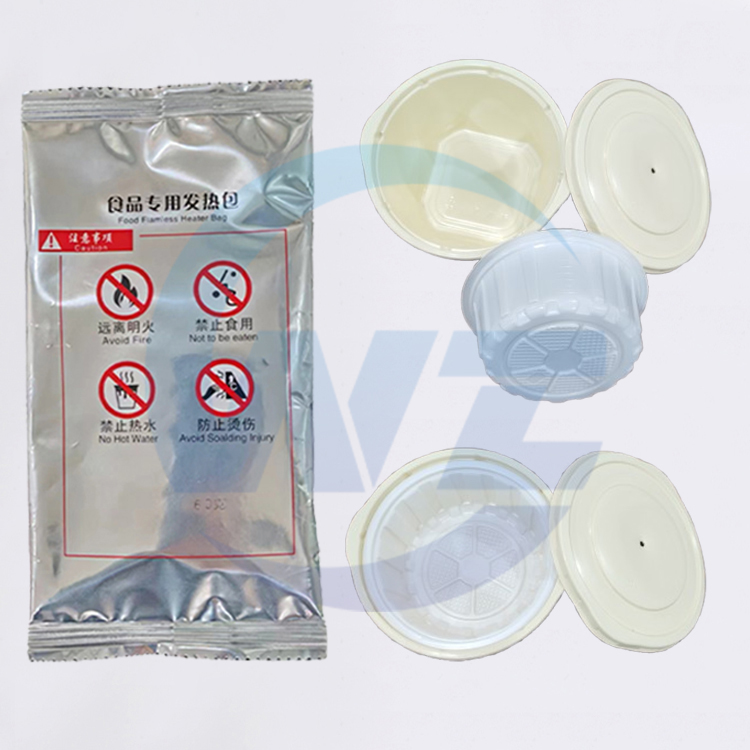
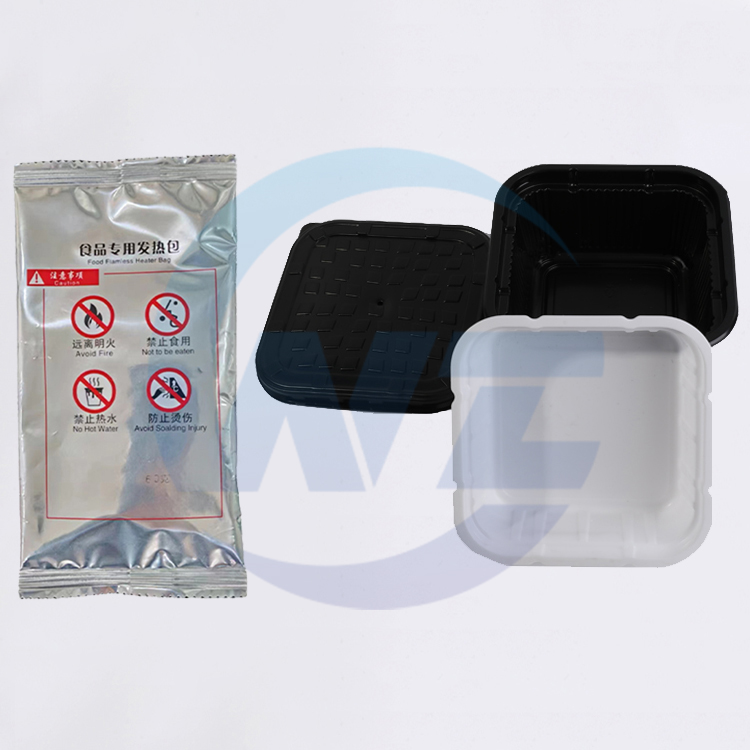
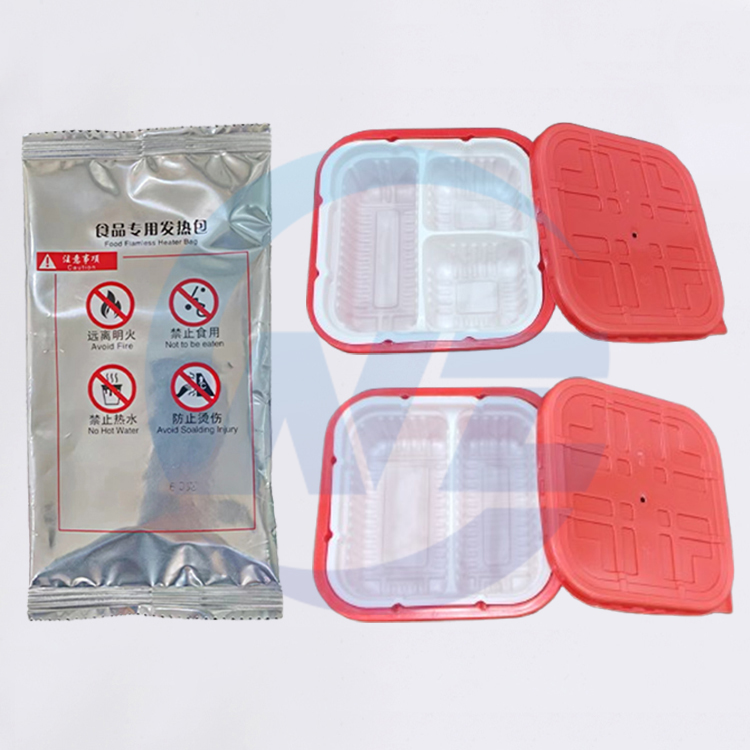
A Self Heating Bag for Food is a compact heating system designed to warm packaged meals without placing the food directly in contact with the heating formulation.
The basic concept is simple:
Meal → Heating Sleeve → Add Water → Heat Generation → Warm Meal
The heating pouch contains a specially formulated heating material. When the recommended amount of water is introduced, an exothermic reaction begins and produces heat.
The heat transfers through the heating sleeve and warms the packaged food.
This design makes the system particularly suitable for meals that have already been cooked, packaged, and designed for reheating.
The actual heating time and temperature depend on the heater formulation, meal size, packaging construction, ambient temperature, and activation conditions.
Why Lightweight Backpacking Food Matters
For backpackers, weight is not simply a number on a luggage scale.
Every additional item must be carried for hours, sometimes over steep terrain. Reducing unnecessary equipment can make a noticeable difference to the overall hiking experience.
A compact heating solution can potentially replace several pieces of conventional cooking equipment.
Instead of carrying:
- A cooking stove
- Fuel
- A cooking pot
- Extra cookware
- Fire-starting accessories
a suitable ready-to-heat meal can be paired with a Flameless Ration Heater and a compatible food package.
This approach is especially attractive for hikers who prefer minimalist backpacking gear.
Flameless Meal Heating for Trail Food
A Flameless Ration Heater is essentially a portable heat source for compatible packaged food.
Despite the traditional name “ration heater,” the technology has applications far beyond any single type of food product. For consumer outdoor products, it can be integrated into:
- Hiking meals
- Camping meals
- Ready-to-eat food
- Trekking meal kits
- Shelf-stable meals
- Outdoor food packages
- Self-heating meal products
The key advantage is that the heating process does not require an open cooking flame.
However, users should always check local outdoor regulations. Flameless does not mean that every location automatically permits every type of heating product.
How to Use a Self Heating Bag on the Trail
The exact instructions should always come from the heater manufacturer, but the general process is straightforward.
Step 1: Prepare the Meal
Place the compatible food pouch or meal container inside the designated heating sleeve.
The food package should fit correctly and should not be opened unless the product instructions specifically require it.
Step 2: Add the Recommended Water
Add the specified amount of water to the heating area.
Water activates the heating formulation and starts the heat-generating reaction.
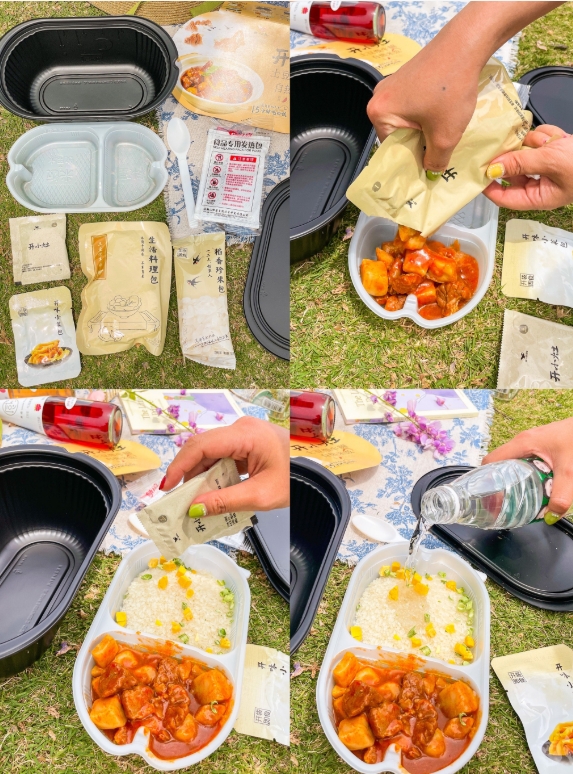
Step 3: Close the Heating Sleeve
Secure the heating bag according to the manufacturer’s instructions.
This helps direct heat toward the meal while keeping the heating material separated from the food.
Step 4: Allow the Heating Cycle to Complete
Wait for the recommended heating period.
The exact time varies depending on the heater, food quantity, packaging, water temperature, and outdoor conditions.
Step 5: Remove the Warm Meal Carefully
The heating sleeve may become hot during operation, so handle the package carefully and follow the supplied safety instructions
Lightweight Backpacking Meals Without a Full Camp Kitchen
One of the biggest benefits of this approach is equipment reduction.
Imagine a simple trail meal consisting of:
Ready-to-eat meal + Self Heating Bag + Small Amount of Water
There is no need to set up a complete cooking station just to warm one meal.
This can be particularly useful for:
Day Hikers
For short trips, carrying a full cooking system may not make sense. A compact meal-heating solution can provide a convenient way to enjoy warm food.
Multi-Day Backpackers
Long-distance hikers often pay close attention to pack weight. Reducing cooking equipment can create additional capacity for water, clothing, navigation equipment, and other essentials.
Trekking Groups
Groups can prepare individual meals without requiring everyone to share one cooking setup.
Campers
A heating pouch can complement traditional camping equipment when users want a quick meal without setting up a stove.
Trail Meal Heating in Wind and Rain
Outdoor cooking can become more complicated when the weather changes.
Wind can make conventional burners harder to operate. Rain can make cooking equipment inconvenient to set up. Cold temperatures can also influence cooking performance.
A water-activated heating system has a different operating principle because the heat is generated within the heating package rather than by maintaining an external flame.
That makes the concept attractive for portable trail meal heating.
Nevertheless, performance can still vary with ambient conditions. Cold water, low temperatures, and different meal sizes may affect activation and heating time.
For commercial products, these conditions should be included in product testing.
Choosing the Right Heating Bag for Backpacking Meals
Not every heater is suitable for every meal.
When selecting a Self Heating Bag for Food, consider the following factors.
1. Meal Size
The heating capacity should match the quantity of food being heated.
A small meal pouch may require significantly less heating capacity than a large tray or multi-serving package.
2. Food Packaging
The food container needs to be compatible with the heating system.
Packaging materials should be evaluated for heat resistance, structural stability, and the expected heating environment.
3. Activation Method
Check:
- Required water quantity
- Activation procedure
- Recommended heating time
- Temperature range
- Storage requirements
Clear instructions are particularly important for consumer-facing products.
4. Weight
For backpacking applications, every gram matters.
A compact heating system should provide an appropriate balance between heating capacity and overall package weight.
5. Storage Life
For commercial outdoor food products, heating-pack stability is an important consideration.
Manufacturers and buyers should evaluate shelf life under the intended storage conditions before finalizing the product specification
Backpacking Meal Prep: What Makes a Good Trail Meal?
A good backpacking meal should be designed around the realities of outdoor use.
Important characteristics include:
Compact packaging
The meal should occupy minimal space inside the backpack.
Low weight
Reducing unnecessary packaging and accessories helps improve pack efficiency.
Simple preparation
The fewer steps required, the easier the meal is to prepare after a long hike.
Reliable packaging
The food package should remain intact during transportation and heating.
Clear instructions
Users should understand exactly how much water to add and how long the heating process should take.
Appropriate nutrition
The meal should provide a practical balance of carbohydrates, protein, fats, and calories according to the user’s needs
Self Heating Bags for Outdoor Food Brands
The opportunity is not limited to individual hikers.
Food manufacturers and outdoor brands can integrate a heating pouch directly into their product architecture.
For example:
Ready-to-eat meal + heating pouch + activation instructions + retail packaging
This creates a complete ready-to-heat product rather than simply selling a packaged meal.
Potential applications include:
- Backpacking food
- Camping meal kits
- Hiking meal packages
- Outdoor convenience foods
- Ready-to-eat meals
- Travel food products
- Private-label outdoor food
For brands entering this category, testing should focus on the complete system rather than the heater alone.
The food formulation, pouch material, meal volume, heating sleeve, water quantity, and heating profile all interact with one another.
Why Work With wordgen?
At wordgen, we understand that a successful self-heating food product requires more than a heating pouch.
Commercial development involves matching the heating system to the food package and intended application.
Our product-development approach can support businesses evaluating:
- Heating pouch formats
- Different meal sizes
- Outdoor food applications
- Packaging compatibility
- Private-label requirements
- Heating performance testing
- Product customization
For businesses looking for a dedicated heating solution, visit our Flameless Ration Heater product page to learn more about the product category and available solutions.
Backpacking Essentials: A Smarter Way to Carry Hot Food
A lightweight backpacking setup does not necessarily mean giving up a warm meal.
With the right combination of shelf-stable food, suitable packaging, and a compact Self Heating Bag 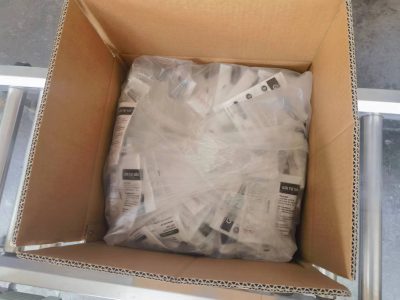 for Food, hikers can simplify meal preparation while keeping their packs organized.
The concept is especially useful when the priority is portable food heating rather than full cooking.
For outdoor food brands, the same technology can create new opportunities for ready-to-heat meals that combine convenience, portability, and simple preparation.
As demand for practical outdoor food continues to evolve, lightweight heating systems can become an important component of modern backpacking meal solutions.
Conclusion: Simplify Your Next Trail Meal
The best backpacking setup is one that matches the trip.
For hikers who want to minimize equipment, a Self Heating Bag for Food can provide a practical way to warm compatible meals without carrying a complete cooking system.
A Flameless Ration Heater can also be integrated into commercial ready-to-eat meal products, making it relevant to outdoor food manufacturers, camping brands, and private-label suppliers.
At wordgen, we help businesses explore practical heating solutions for outdoor meals and ready-to-heat food products.
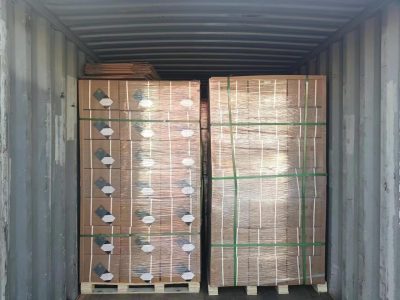
If you’re developing a new backpacking meal, camping food kit, or self-heating food product, selecting the right heating capacity and packaging combination is the first step toward a reliable product.
FAQ: Backpacking Meals & Self Heating Bags
1. Are self heating bags suitable for backpacking?
Yes. Compatible heating bags can be useful for backpacking because they can provide meal warming without requiring a complete cooking setup. Product weight, meal size, and local regulations should be considered.
2. How much water does a self heating bag need?
The required amount varies by product. Always use the quantity specified by the manufacturer rather than estimating the amount.
3. Can a Flameless Ration Heater heat any type of food?
No. Heating performance depends on the food quantity, packaging, moisture content, container design, and heater specification. The heater should be tested with the intended meal before commercial use.
4. Can I use a self heating bag in cold weather?
Many heating systems can operate in cool outdoor conditions, but low temperatures and cold activation water may affect heating speed. Always check the manufacturer’s operating specifications.
5. Does the heating material touch the food?
The heating formulation should remain separated from the food. The meal should only be heated through the designated food packaging and heating sleeve.
6. Are self heating bags allowed everywhere?
Not necessarily. Outdoor regulations vary by location and may change according to weather conditions, fire restrictions, or protected-area rules. Users should check local regulations before use.
7. How should I choose a heating bag for a backpacking meal?
Consider the meal size, food packaging, heating capacity, activation water requirement, heating time, product weight, storage life, and intended outdoor conditions.
8. Can outdoor food companies customize heating bags?
Depending on the supplier and project requirements, commercial customers may be able to customize dimensions, packaging, printing, heating capacity, and other specifications. Testing is recommended before mass production.
9. What is the difference between a Self Heating Bag and a portable stove?
A portable stove generates heat through an external fuel source and is normally used with cookware. A Self Heating Bag generates heat within the heating system and is designed to warm a compatible packaged meal.
10. Can I use a heating bag for a private-label backpacking meal?
Yes, this is a potential application. Food brands can combine a compatible heating pouch with their own meal packaging and retail design, subject to appropriate product testing and regulatory requirements.
STAY IN THE LOOP