by Kevin
Share
by Kevin
Share
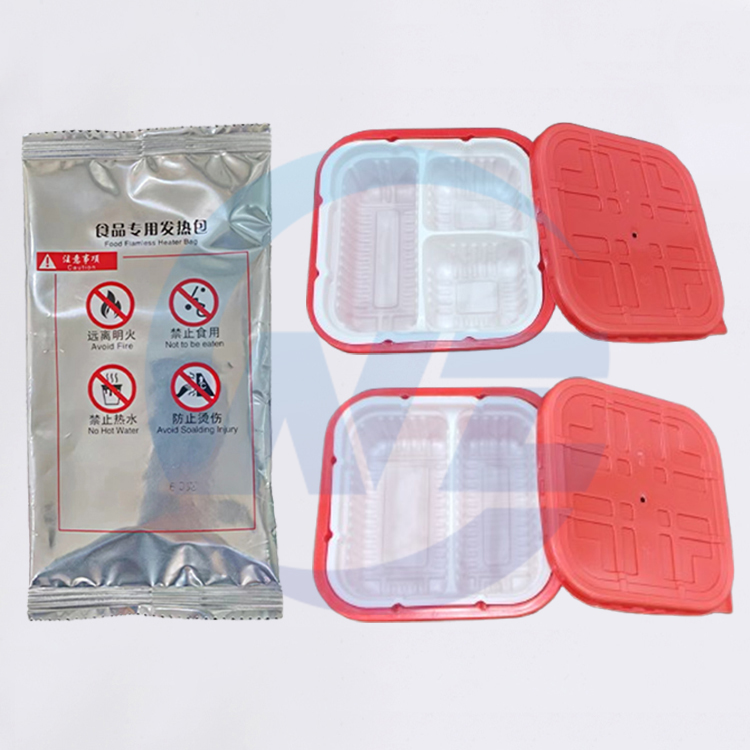
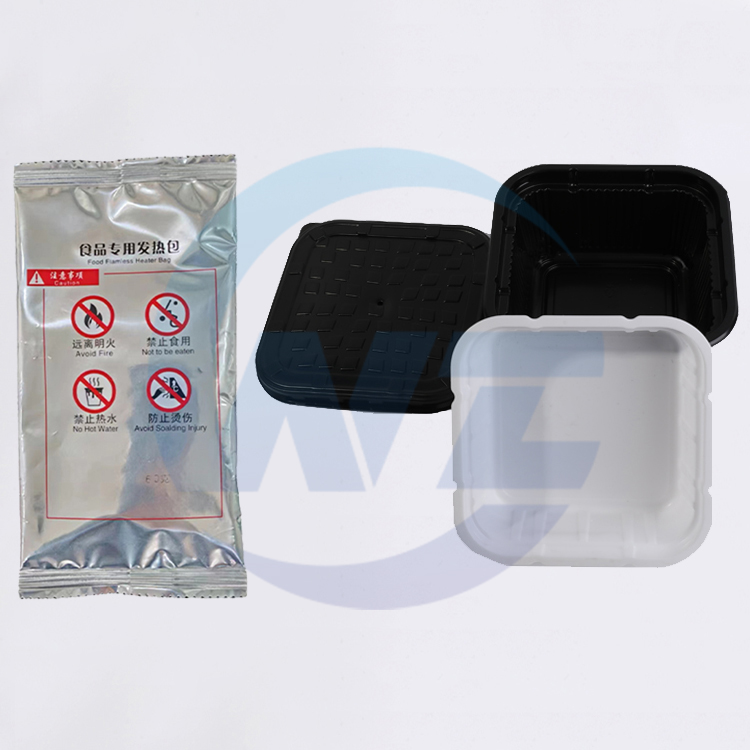
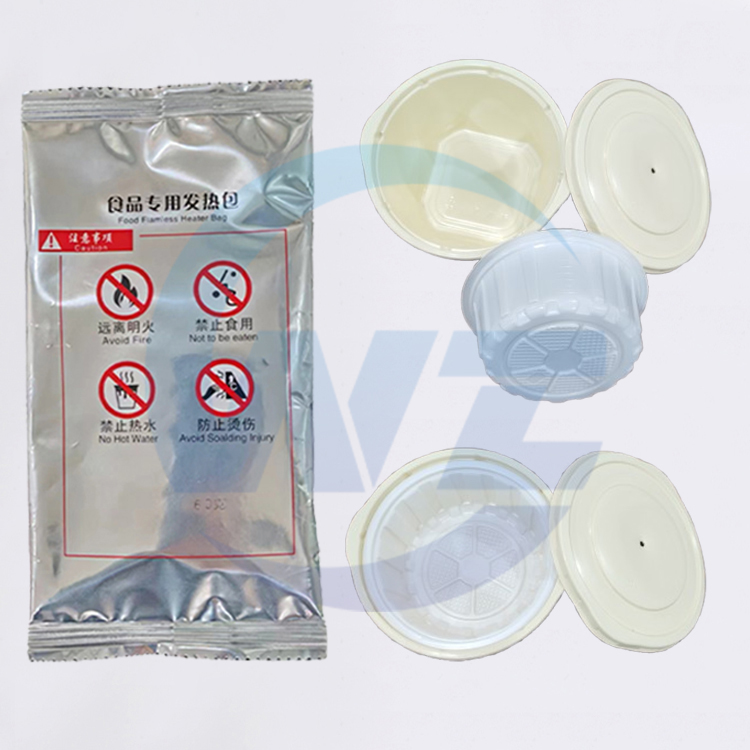
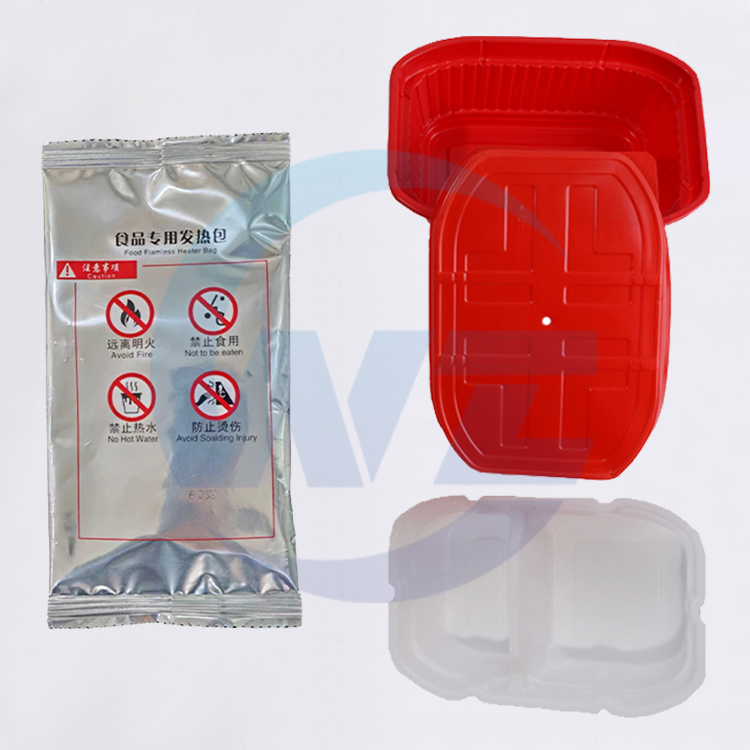
A Flameless Ration Heater (FRH) is an essential piece of military and survival gear, allowing users to enjoy a hot meal without the need for fire or batteries. However, these heaters rely on a specific chemical reaction between magnesium, water, and salt to generate heat. This raises a critical question for winter operations: when the temperature drops well below freezing, does the FRH still work effectively, or does the cold render this clever piece of chemistry useless? Understanding the limits of an FRH in freezing conditions is vital for anyone relying on them for winter survival.
Features of Flameless Ration Heaters in Cold Weather
Exothermic Self-Start
The core feature of an FRH is its exothermic reaction, which means it produces its own heat once activated. While the ambient cold will fight against this, the reaction itself generates enough thermal energy to keep the process going even in sub-zero temperatures.
Liquid Water Dependency
An FRH cannot be activated with snow or ice; it requires liquid water to initiate the magnesium reaction. In freezing environments, the primary challenge is preventing the activation water from flash-freezing upon contact with the cold heater pad.
Heat Loss Vulnerability
Unlike a stove that outputs continuous high heat, an FRH produces a gentle, finite amount of heat. In freezing weather, the rate of heat loss to the surrounding air increases dramatically, which can steal heat away from the MRE pouch before the food gets warm.
Insulation Dependence
To be truly reliable in the cold, an FRH cannot work alone. It requires an external insulating layer—such as the cardboard sleeve included in military MRE kits—to trap the heat and reflect it back into the food, rather than letting it dissipate into the freezing wind.
How do Cold Weather MRE Heating Systems Work?
Successfully heating a meal in freezing conditions relies less on the heater itself and more on the system and technique used to deploy it.
Water Source Preparation
In sub-zero temperatures, the water used for activation must be kept warm. Soldiers and experienced mountaineers typically carry their water bottles inside their jacket or sleeping bag to ensure the water remains liquid and warm enough to kickstart the chemical reaction.
Pre-warming the Components
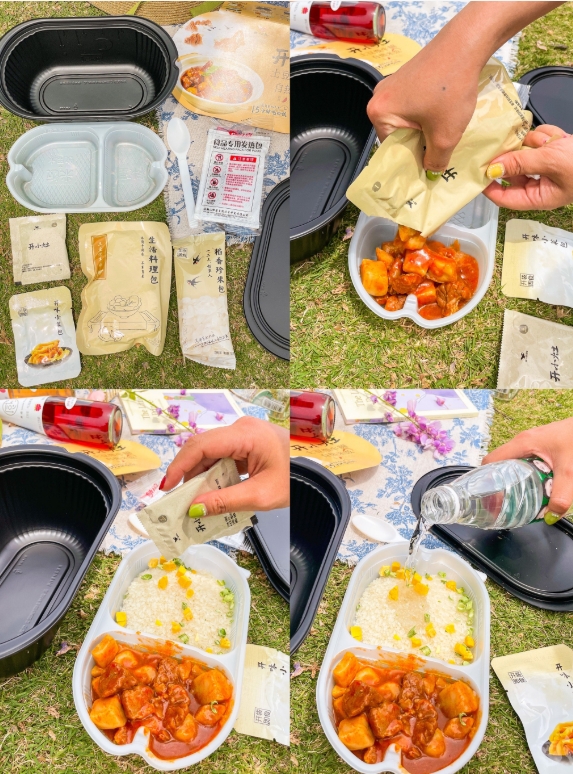
Before adding water, the FRH pad and the sealed MRE pouch are often tucked inside clothing for a few minutes. Taking the edge off the cold prevents the small amount of activation water from instantly freezing when it hits the magnesium powder.
Insulation Integration
The MRE pouch and activated FRH are slid into a specialized cardboard box or a vacuum-insulated pouch. This insulation creates a microclimate, trapping the exothermic heat and forcing it into the meal rather than losing it to the ambient air.
Extended Reaction Time
Because the cold ambient air continuously pulls heat away from the system, the chemical reaction is designed to run longer in cold-weather scenarios. Users must be patient and wait up to 20 minutes, rather than the standard 10-12 minutes, to achieve a palatable temperature.
Popular Uses of Cold Weather MRE Heaters
Arctic Military Operations
Troops deployed in snowy, high-altitude, or polar regions rely heavily on these heaters. A hot meal is not just for comfort; it is a critical tool for preventing hypothermia and maintaining combat readiness in extreme cold.
Winter Mountaineering
Climbers at high camps cannot afford the weight or fire risk of liquid fuel stoves at extreme altitudes. FRHs provide a lightweight, fail-safe method to thaw and heat freeze-dried meals or pre-cooked pouches during blizzards.
Ski Patrol and Search & Rescue
Rescue teams operating in deep snow use FRHs to quickly heat food during short breaks. Because there is no risk of starting a wildfire or melting through the snowpack, they are safer and faster than setting up a stove.
How to choose a cold weather MRE heater that suits your needs?
Consider the use environment
If you are operating in extreme sub-zero temperatures, look for military-specification FRHs or commercial “high-output” variants. Standard commercial heaters often lack the magnesium density needed to overcome severe heat loss.
Determine the duration
Choose heaters that are rated for longer reaction times. A heater that burns out in 8 minutes will leave your food cold in winter; you need a pad designed to sustain heat for 15 to 20 minutes.
Safety first
Ensure you have the proper insulating sleeves. Using a bare FRH in the snow is a recipe for a frozen meal and wasted resources. Always verify that the product includes cold-weather instructions.
How to care for a cold weather MRE heater?
Proper storage
Keep FRHs stored in a completely dry, airtight container inside your main pack. Moisture from snow can seep into the outer packaging and slowly degrade the magnesium powder, ruining the heater before you even open it.
Follow instructions for use
Never attempt to activate an FRH by pouring snow or ice directly onto the pad. The energy required to melt the snow will kill the chemical reaction, leaving you with a cold, wet mess. Always use liquid water.
Conclusion
A Flameless Ration Heater remains a highly reliable tool for heating meals in freezing weather, but only if you understand its limitations. It is not a magical device that defies physics; it is a chemical reaction that must be protected from the cold to work properly. By keeping your water liquid, pre-warming your components, and utilizing proper insulation, you can turn a freezing environment into a setting for a hot, morale-boosting meal. Check your winter kit regularly to ensure your heaters are dry and ready for the cold.
If you think this article is helpful, please contact us. We will give you reasonable and suitable product recommendations based on your current situation. If you are not sure, you can also consult us. We will provide you with professional services to answer your questions. You are welcome to consult us at any time and we welcome all customers to conduct on-site inspections!
STAY IN THE LOOP