by Kevin
Share
by Kevin
Share
In the chaotic aftermath of a natural disaster, infrastructure such as electricity, gas lines, and clean water supplies are often completely destroyed. In these critical hours, humanitarian organizations face the daunting task of feeding thousands of displaced people. Flameless Ration Heaters (FRHs) are frequently deployed as a modern solution to provide hot meals without the need for cooking fuel or stoves. However, relying on chemical heaters in crisis zones sparks an important debate among logisticians and aid workers: are FRHs a genuine lifesaver that boosts morale and health, or do their reliance on clean water and their creation of chemical waste make them a logistical liability?
Features of Flameless Heaters in Disaster Relief
Infrastructure Independence
The greatest advantage of an FRH in a disaster zone is that it requires no external power, propane, or firewood. As long as the heater and the meal are intact, a hot meal can be prepared anywhere, from a ruined building to a makeshift tent city.
Flameless Safety
After disasters like earthquakes or hurricanes, gas leaks and spilled flammable liquids are common. Because FRHs produce no open flames, sparks, or smoke, they eliminate the risk of triggering secondary fires or explosions in volatile environments.
Rapid Deployment Capability
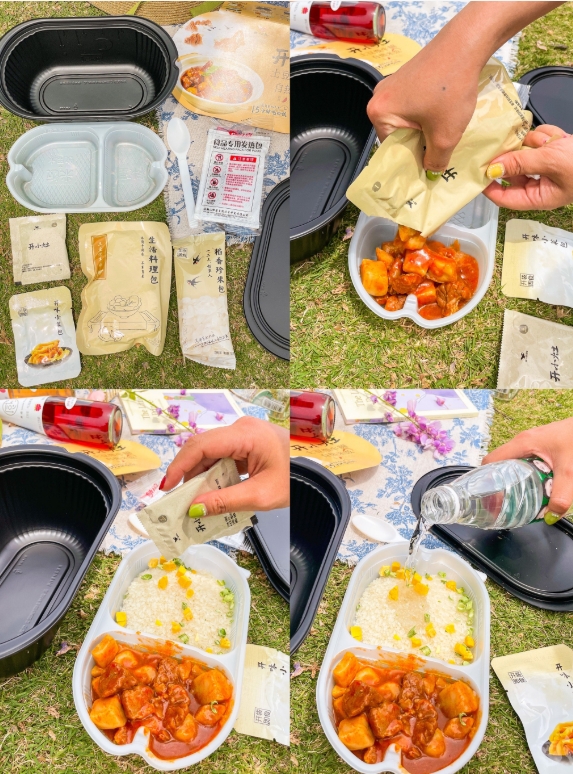
FRHs are completely self-contained and lightweight. They can be shrink-wrapped alongside ready-to-eat meals and air-dropped or handed out directly from supply trucks without requiring complex distribution chains for cooking fuel.
Critical Water Dependency
The most significant limitation of an FRH is that it requires a specific amount of clean liquid water to activate the magnesium reaction. In flood zones or drought-stricken areas where water purification is already a struggle, using potable water to heat food can be a highly controversial logistical choice.
How are Flameless Ration Heaters made?
The manufacturing process is heavily focused on creating a durable product capable of surviving harsh disaster zone logistics.
Material Preparation
Manufacturers blend a precise ratio of magnesium powder, iron, and salt. For humanitarian aid, the mixture is often calibrated to react efficiently with a slightly wider range of water temperatures, accounting for varying field conditions.
Mixing and Robust Packaging
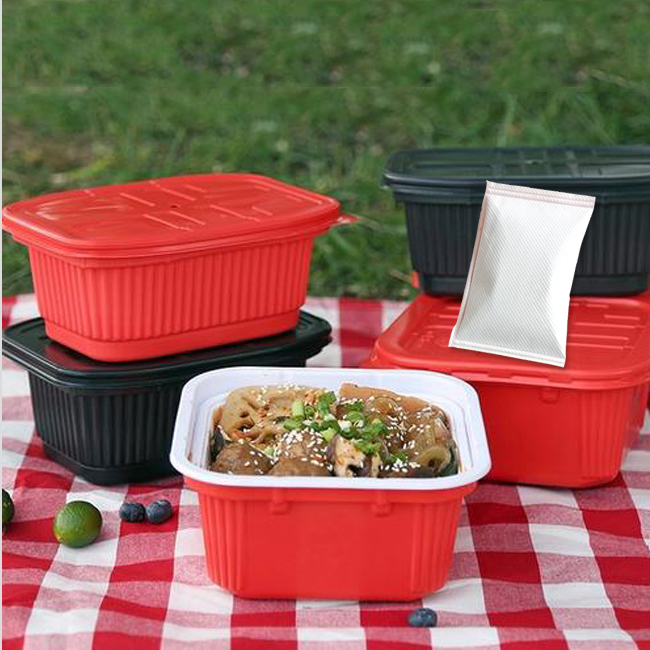
The chemical mixture is sealed into a super-absorbent, non-woven fabric pad. This pad is then placed into a heavy-duty, puncture-resistant plastic sleeve—often utilizing polypropylene layers—to ensure the heater survives being crushed in supply crates or airdrops.
Sealing and Activation
The bags are strictly vacuum-sealed to prevent ambient humidity from triggering a premature reaction during long-term storage in tropical warehouses or transit.
Popular Uses of Flameless Heaters in Disaster Relief
Immediate Post-Earthquake Response
When buildings are unsafe to enter and gas lines are ruptured, FRHs allow search-and-rescue teams and survivors to heat food safely in the streets or open parks without gathering around dangerous open fires.
Refugee Camp Distribution
In long-term refugee camps, open-fire cooking leads to massive deforestation and severe respiratory issues from smoke inhalation. FRHs provide a cleaner, safer alternative for families living in close quarters.
Winter Storm Power Outages
During severe winter emergencies where families are trapped in freezing homes without power or heat, emergency management agencies distribute FRHs to provide both a hot meal and a temporary, localized source of warmth.
How to choose a Flameless Ration Heater for Humanitarian Aid?
Consider the use environment
If distributing in wet or flood-prone regions, prioritize FRHs with ultra-durable, water-resistant outer packaging. If distributing in cold climates, choose high-output heaters designed to overcome freezing ambient temperatures.
Determine the duration
Standard military heaters may not be cost-effective for large-scale civilian aid. Look for commercial-grade FRHs that provide a reliable 10-minute heat cycle tailored for standard civilian meal pouches.

Safety and Communication first
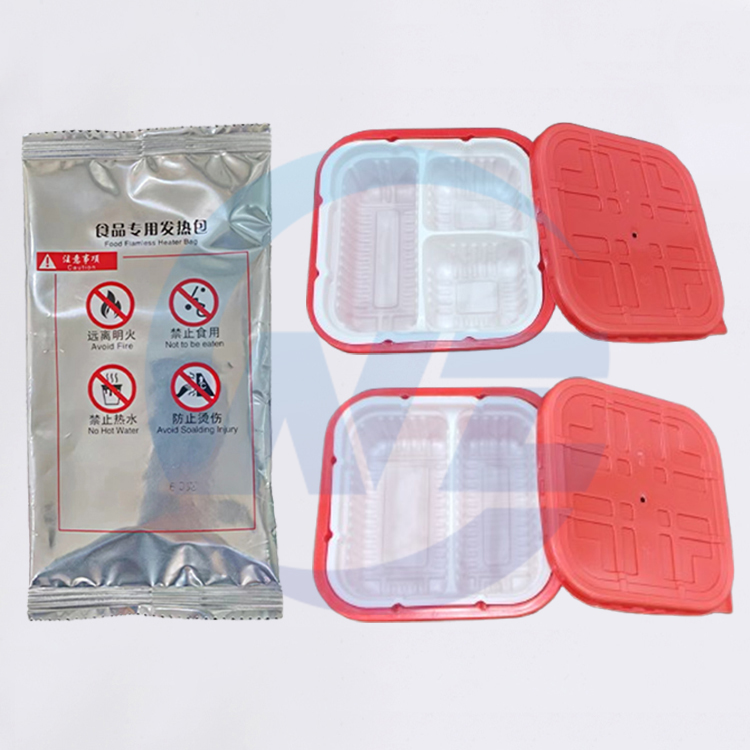
Choose suppliers who provide multi-lingual, heavily graphical safety instructions. In disaster zones, literacy and language barriers are common; clear pictograms warning against use in sealed tents are non-negotiable for liability and safety.
How to care for and manage Flameless Ration Heaters in Relief?
Proper storage
Store bulk FRH pallets in dry, elevated warehouses. Floodwater exposure can compromise the vacuum seals, leading to ruined heaters and potential chemical leaks in the supply chain.
Follow instructions for distribution
Aid workers must be trained to educate recipients on the hydrogen gas hazard. Distribution protocols should include verbal warnings or printed flyers emphasizing that the heaters must never be used inside sealed vehicles or small, unventilated relief tents.
Conclusion
Flameless Ration Heaters are not a perfect solution, but they are a remarkably effective tool in the disaster relief arsenal. They eliminate the fire hazards and fuel logistics that plague traditional cooking methods, yet they demand careful consideration regarding local water availability and safe usage education. By weighing the pros and cons and implementing strict distribution and training protocols, humanitarian organizations can ensure these chemical heaters act as a true lifeline rather than a logistical burden.
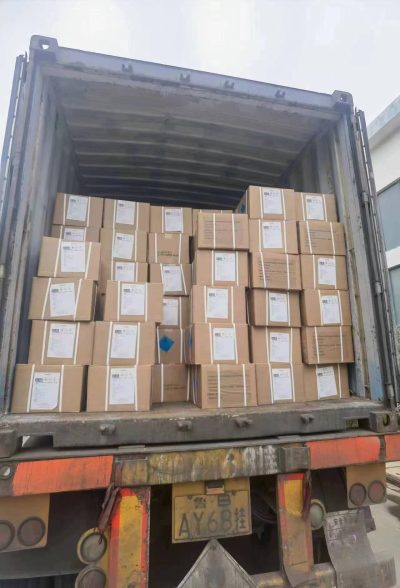
If you think this article is helpful, please contact us. We will give you reasonable and suitable product recommendations based on your current situation. If you are not sure, you can also consult us. We will provide you with professional services to answer your questions. You are welcome to consult us at any time and we welcome all customers to conduct on-site inspections!
STAY IN THE LOOP