by Kevin
Share
by Kevin
Share
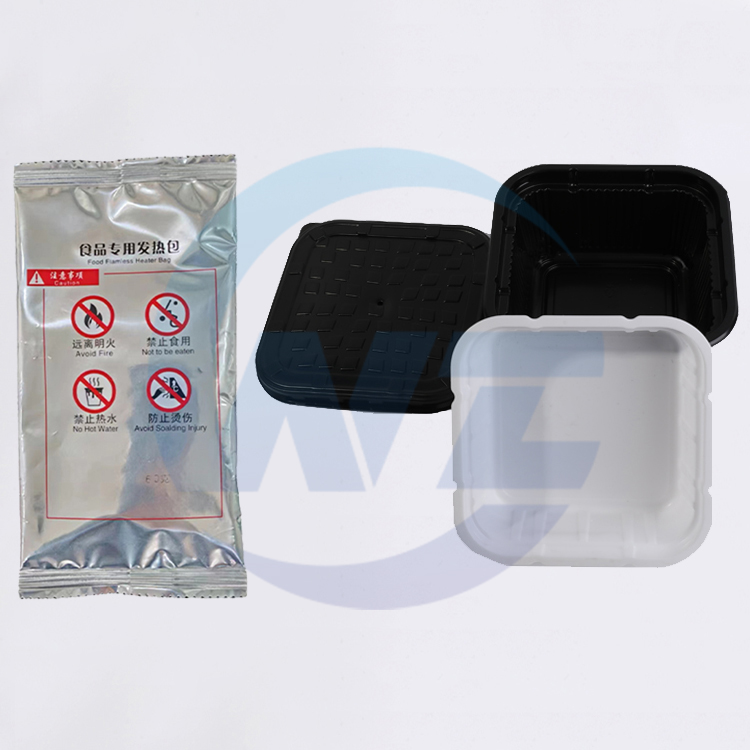
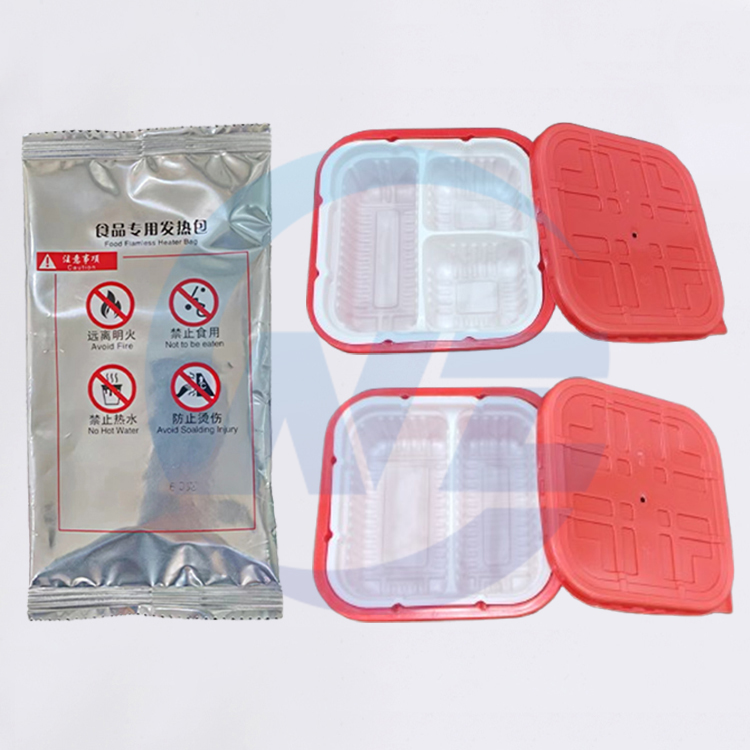
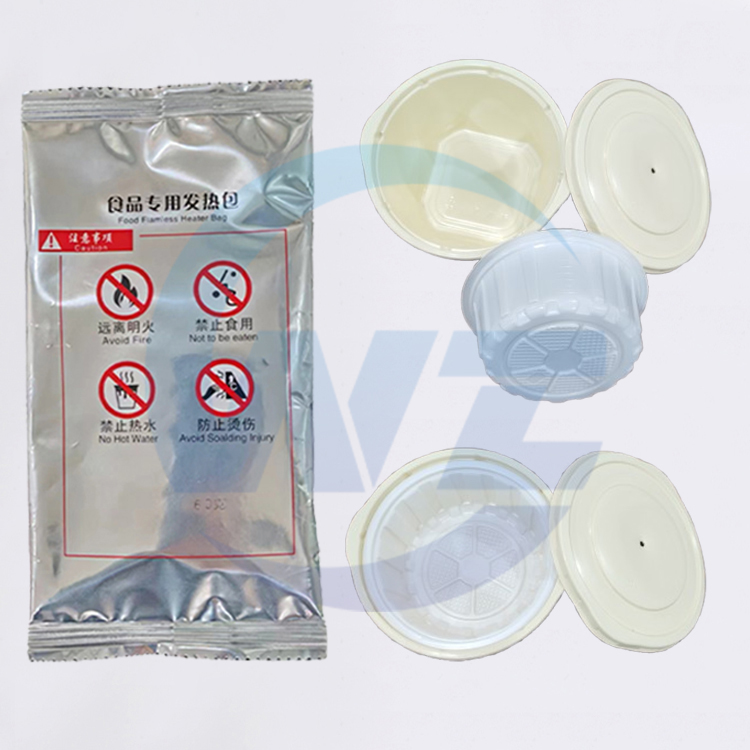
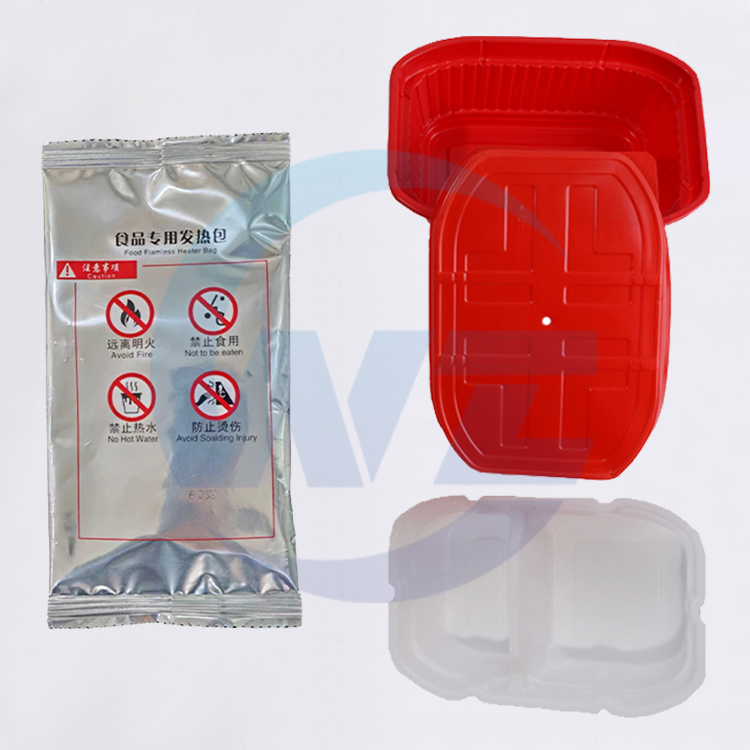
The Flameless Ration Heater (FRH) is a remarkable piece of engineering that has redefined field feeding for the military and outdoor enthusiasts alike. By allowing soldiers, hikers, and survivalists to heat food without fire or electricity, the FRH provides a tactical advantage and critical comfort in harsh environments. However, the convenience of this “magic” heating pad often sparks debate regarding its chemical composition and environmental impact. Understanding how an FRH works and its pros and cons is essential for anyone relying on modern self-heating technology.
Features of Flameless Ration Heater (FRH)
Instant Activation
The FRH is renowned for its simplicity. By simply adding water (any available water, including snow or river water) to the heater bag, a chemical reaction is triggered that begins generating heat within seconds.
Smokeless and Flameless
True to its name, the FRH produces no flame and no smoke. This makes it invaluable for military personnel who need to remain undetected, as well as for campers in areas with open-fire bans or for use inside enclosed spaces like tents or vehicles.

High Thermal Efficiency
Despite its lightweight and compact form factor, the FRH is capable of heating a standard 8-12 oz meal pouch to a piping hot temperature of approximately 140°F (60°C) in just 10 to 15 minutes.
Durability and Stability
FRHs are designed to be rugged. They can withstand the rigors of transport in backpacks and military cargo pockets, provided they are kept sealed and dry until the moment of use.
How are flameless ration heaters (FRH) made?
The manufacturing of an FRH is a precise process that combines reactive metals with porous materials to ensure controlled heating.
Chemical Blending
The core “fuel” of the heater consists of a fine powder mixture of magnesium and iron. Magnesium serves as the primary heat source through oxidation, while iron acts as a catalyst to regulate the reaction speed.
Electrolyte Integration
Salt (sodium chloride) is added to the powder blend. When water is added by the user, the salt dissolves to form an electrolyte solution, which accelerates the electrochemical reaction between the magnesium and water.
Pad Construction
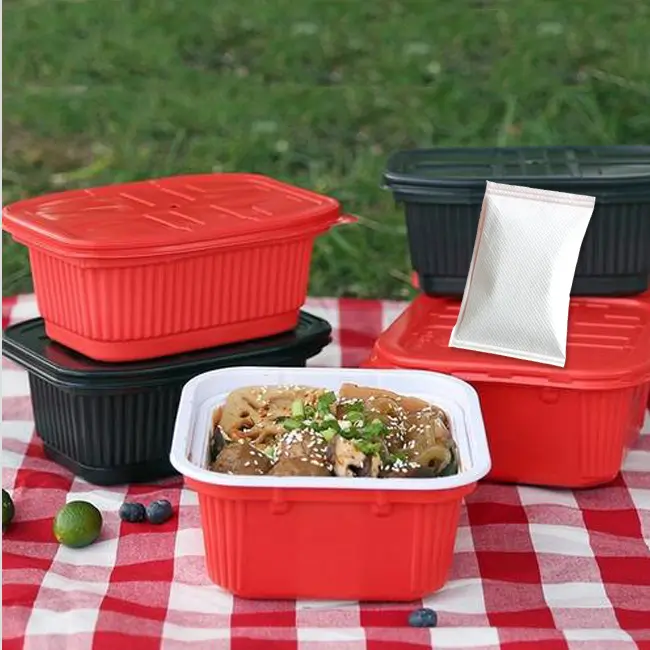
The chemical mixture is vacuum-sealed inside a pad made from a combination of non-woven fabric and paper. This porous material allows water to penetrate evenly throughout the pad, ensuring the heat is distributed uniformly rather than in one hot spot.
Moisture-Proof Packaging
Because the heater is water-activated, the pad is encased in a high-barrier foil pouch to prevent any moisture in the air from triggering it prematurely. This ensures a long shelf life and reliability when needed.
Popular Uses of Flameless Ration Heater (FRH)
Military Field Operations
The primary user of FRHs is the military. They are standard issue in MREs (Meals, Ready-to-Eat), providing troops with hot meals that boost morale and energy levels during combat missions and training exercises.
Outdoor Recreation
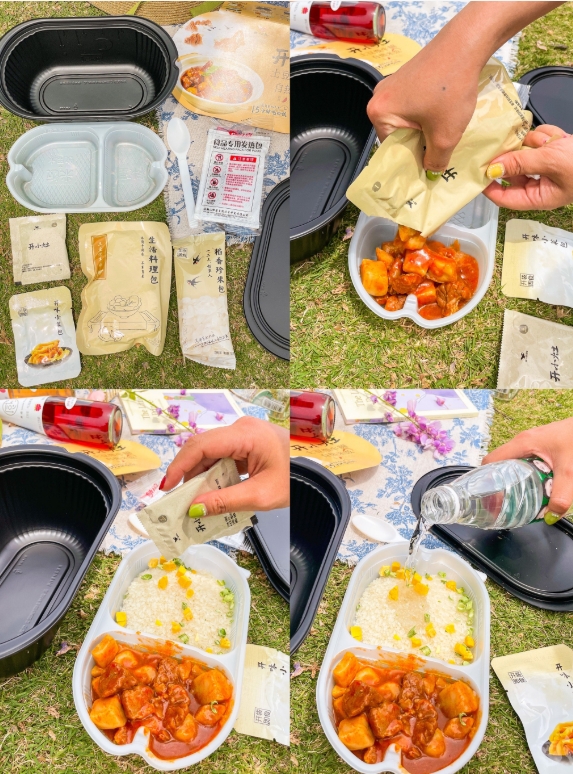
Civilians have widely adopted FRHs for backpacking, hunting, and fishing. They are a favorite among those who want a hot meal without the hassle of carrying heavy fuel canisters or cooking stoves.
Emergency and Disaster Relief
In scenarios where power grids are down or gas lines are broken, such as after hurricanes or earthquakes, FRHs provide a lifesaving way to sterilize water or heat food safely.
How to choose a flameless ration heater (FRH) that suits your needs?
Check Authenticity and Standards
Not all FRHs are created equal. For reliable performance, choose heaters that meet military specifications (Mil-Spec) or are produced by reputable defense contractors. Avoid generic “knock-offs” that may fail to heat adequately.
Assess Packaging Integrity
Since the heater is activated by moisture, the packaging must be flawless. Inspect the outer foil pouch for any punctures or tears before purchase, as even a tiny hole can render the heater useless.
Consider Reaction Speed
Different formulations may heat at different speeds. Look for reviews or specs indicating how long the heater takes to reach peak temperature. A good FRH should maintain heat for the duration of a meal.
Shelf Life Awareness
FRHs do degrade over time as the metals slowly oxidize inside the pouch. Check the date code to ensure you are buying fresh stock, especially if you are stocking up for long-term emergency supplies.
How to use a flameless ration heater (FRH) safely?
Avoid Direct Contact
The heater gets very hot and can cause burns if applied directly to the skin. Always use the cardboard sleeve or a cloth barrier if handling the bag while it is reacting.
Do Not Puncture During Use
Never puncture the heater bag while the reaction is taking place. Aside from the risk of hot chemical burns, the sudden release of steam and pressure could cause injury.
Follow Disposal Protocols
After use, the heater contains magnesium hydroxide and salt. While generally non-toxic, it should be disposed of in a trash receptacle and not left in the wild, as the spent chemicals can alter the soil chemistry.
Conclusion
The Flameless Ration Heater (FRH) remains one of the most innovative solutions for portable nutrition, bridging the gap between convenience and necessity. Whether it is viewed as a survival essential or a topic of environmental discussion, its utility in providing a hot meal without fire is undeniable. By selecting high-quality FRHs and using them responsibly, users can enjoy the benefits of this technology while mitigating potential risks.
If you think this article is helpful, please contact us. We will give you reasonable and suitable product recommendations based on your current situation. If you are not sure, you can also consult us. We will provide you with professional services to answer your questions. You are welcome to consult us at any time and we welcome all customers to conduct on-site inspections!
STAY IN THE LOOP