by Kevin
Share
by Kevin
Share
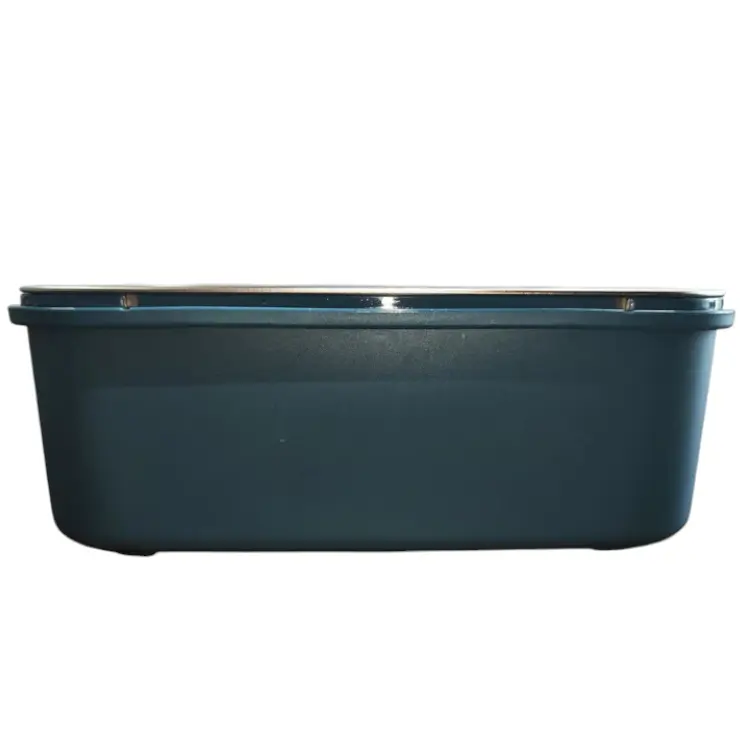
Flameless heater MREs (Meals Ready-to-Eat) represent a significant technological leap in field rations, allowing soldiers, campers, and emergency survivors to enjoy a hot meal without the need for fire, electricity, or heavy cooking gear. These compact, lightweight pouches utilize a chemical reaction to generate heat, providing warmth and comfort in the most austere environments. However, despite their widespread use in the military, there is ongoing discussion regarding their safety and the wisdom of mixing food packaging with chemical reactants. Are they a brilliant innovation for modern survival, or do they pose a hidden chemical hazard that users need to understand?
Features of Flameless Heater MREs
Flameless Heating Technology
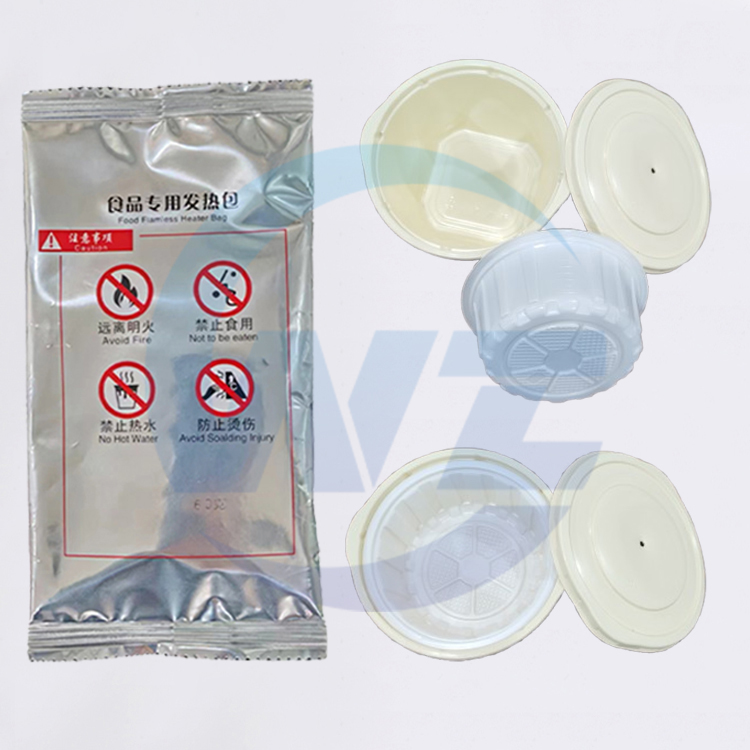
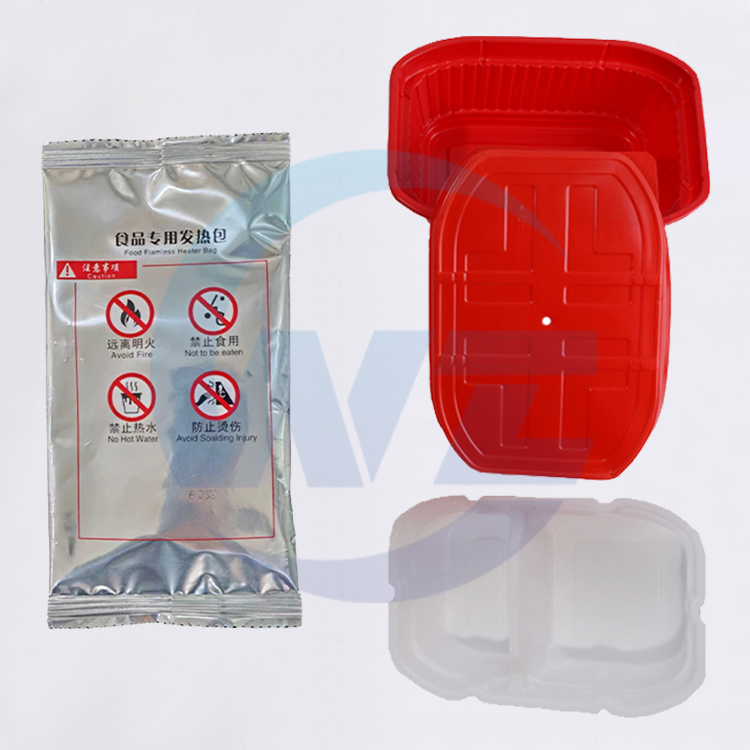
The core feature of a flameless heater MRE is the Flameless Ration Heater (FRH). It uses a magnesium-iron alloy and salt to create a rapid exothermic reaction when water is added, bringing the food to a safe eating temperature in about 10-15 minutes.
Smoke and Fire Free Operation
Unlike traditional camping stoves or fires, these heaters produce no flame, smoke, or visible signature. This makes them ideal for tactical situations, indoor use during power outages, or in areas where open fires are banned due to fire hazards.
Lightweight and Portable
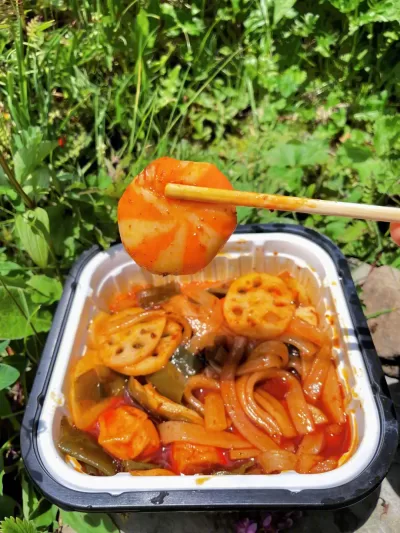
The heater is essentially a thin, flexible pad. This adds minimal weight to the MRE bag, ensuring that users can carry multiple meals without being burdened by heavy cooking fuels or canisters.
Durability and Reliability
Designed to withstand rough handling, flameless heater MREs are vacuum-sealed in durable tri-laminate pouches. The internal heater is protected from moisture until intentionally activated, ensuring it works when needed.
How are flameless heater MREs made?
The production of these meals involves combining food science with precise chemical engineering.
Food Retort Process
The food meal is first prepared and cooked. It is then sealed into a retort pouch and subjected to high-pressure thermal sterilization. This process kills bacteria and makes the food shelf-stable without refrigeration, similar to canning.
Heater Pad Fabrication
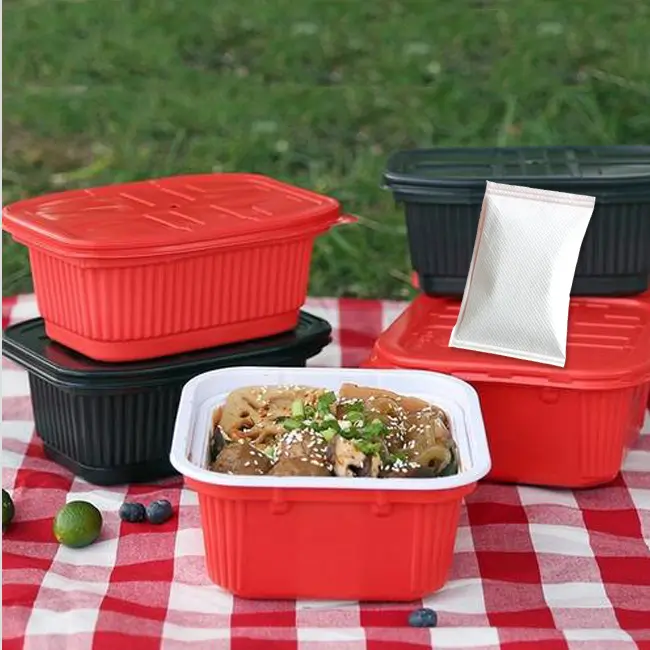
The flameless heater is manufactured by mixing food-grade magnesium powder, iron powder, and salt. This mixture is poured into a porous, non-woven fabric pad that allows water to flow through it. A food-grade paper or plastic casing holds the pad together.
Kit Assembly
During the packaging phase, the sealed food pouch and the unactivated heater pad are placed together with accessories (spoon, sauce, napkin) into a heavy-duty outer bag. The outer bag serves as the container for the heating process, holding the water and heater in contact with the food pouch.
Safety Sealing
The packaging is sealed under strict quality control to ensure no moisture enters the bag prematurely. The chemical components are handled in controlled environments to prevent accidental activation during transport.
Popular Uses of Flameless Heater MREs
Military Field Operations
The primary user of flameless heater MREs is the military. Soldiers rely on them to get hot food in combat zones where carrying cooking gear is impractical and a fire could reveal their position to the enemy.
Emergency Preparedness
Preppers and emergency agencies stock these meals for disaster scenarios. When power grids fail and gas lines are disrupted, the ability to heat food with just a bottle of water is invaluable for maintaining morale and body temperature.
Outdoor Recreation
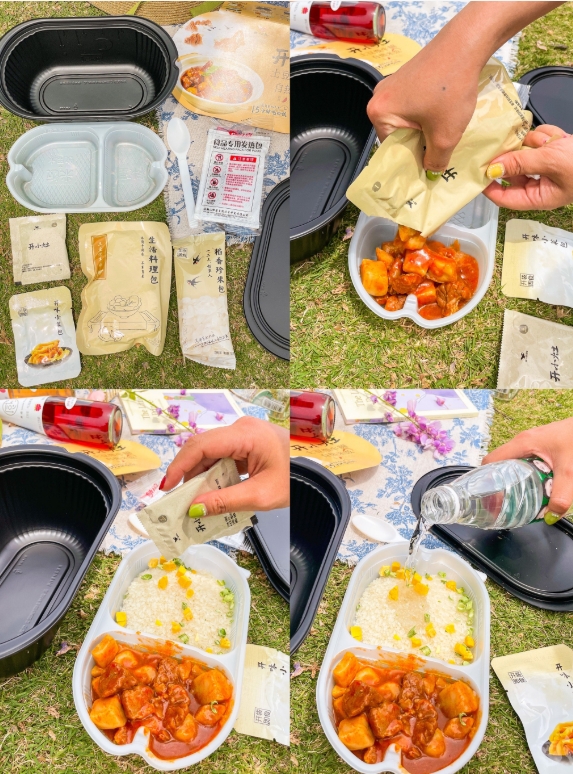
Hikers, hunters, and backcountry skiers use flameless heater MREs as a convenient backup meal. They eliminate the need to carry fuel canisters and reduce the risk of starting wildfires in dry forests.
How to choose a flameless heater MRE that suits your needs?
Check for Heater Inclusion
Not all MREs or retort pouches come with a heater. Ensure the product listing specifies “with Flameless Heater” or “FRH Included,” especially if you do not have your own supply.
Verify Menu Variety
Flavor fatigue can be an issue with MREs. Look for suppliers that offer a wide variety of menus so you can choose meals you actually enjoy, increasing the likelihood you will use them during an emergency.
Examine Packaging Condition
If buying surplus, inspect the outer bag. Ensure it is intact and not punctured. A compromised outer bag may have allowed moisture to reach the heater, rendering it useless.
Safety Certifications
Choose reputable brands that adhere to food safety standards. The chemicals used in the heater should be food-grade and the packaging must meet safety regulations to prevent leaching.
How to care for a flameless heater MRE?
Proper Storage Environment
Store the MREs in a cool, dry place. Heat is the enemy of both the food and the chemical heater. Prolonged exposure to high temperatures can degrade the magnesium in the heater, reducing its ability to produce heat.
Protect from Moisture
While the heater needs water to activate, it must be kept dry before use. Store the MREs in a waterproof container or sealed bin to prevent ambient humidity from triggering the reaction prematurely.
Safe Disposal
After use, the heater pad will contain magnesium hydroxide and salt. Allow the components to cool completely before disposal. They are generally non-toxic but should be disposed of in accordance with local waste regulations.
Conclusion
Flameless heater MREs are a remarkable solution for the age-old problem of hot food in the field. They offer unmatched convenience and safety by eliminating the need for open flames. While the chemical nature of the heating process may raise questions for some, proper usage and handling mitigate most risks. By selecting high-quality MREs and storing them correctly, you ensure that you have a reliable source of hot nutrition whenever and wherever you need it.
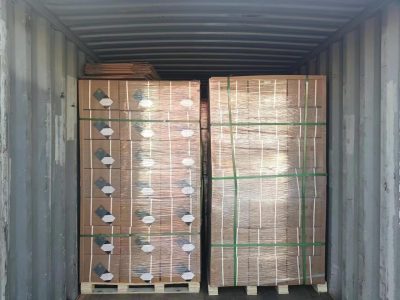
If you think this article is helpful, please contact us. We will give you reasonable and suitable product recommendations based on your current situation. If you are not sure, you can also consult us. We will provide you with professional services to answer your questions. You are welcome to consult us at any time and we welcome all customers to conduct on-site inspections!
STAY IN THE LOOP