by Kevin
Share
by Kevin
Share
Japan is a global leader in convenience culture, and nowhere is this more evident than in its innovative food products. Among the most fascinating are self-heating foods, such as the ubiquitous “zenzai” (sweet red bean soup) cans and “ochazuke” (rice with tea) meals, found in convenience stores and train stations across the country. These products offer a piping hot meal or drink with the simple press of a button. But how does this magic happen? The technology is a brilliant application of chemistry, refined by Japanese engineering for safety, reliability, and everyday use. This guide explores the science behind Japan’s self-heating food phenomenon.
The Core Technology: The Two-Chamber System
Unlike the pouch-style heaters common in Western MREs, many Japanese self-heating food products use a sophisticated two-chamber system built directly into the container. This design is engineered for user-friendliness and is often found in cans or rigid plastic bowls. The core principle remains an exothermic reaction, but the method of activation is uniquely Japanese in its simplicity and elegance.
Key Components of a Japanese Self-Heating Can
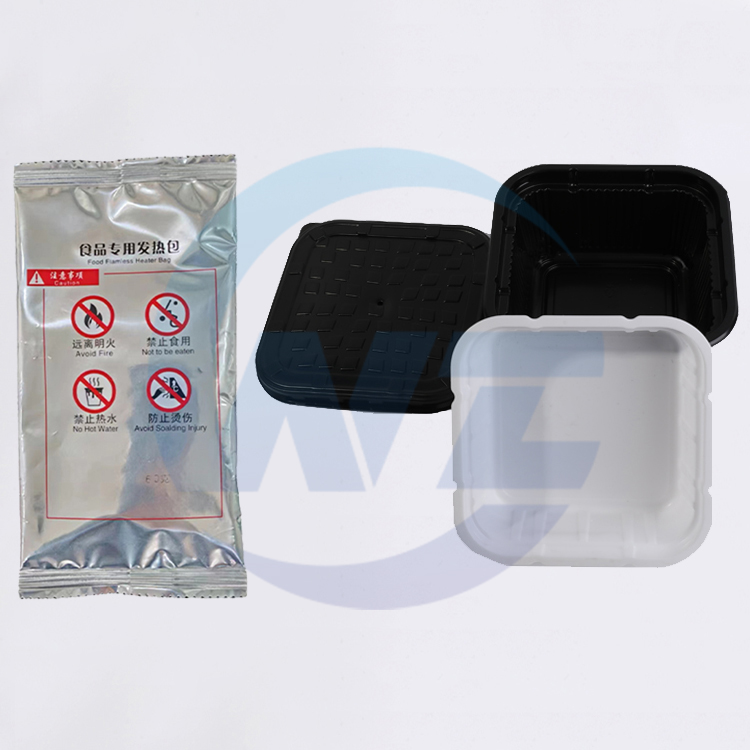
To understand the process, let’s break down the components of a typical self-heating can or bowl.
The Food Chamber
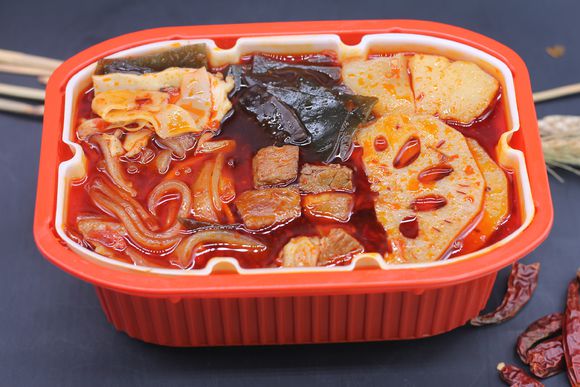
This is the main compartment containing the pre-cooked food or drink, sealed and ready for consumption. It is separated from the heating elements.
The Heating Chamber
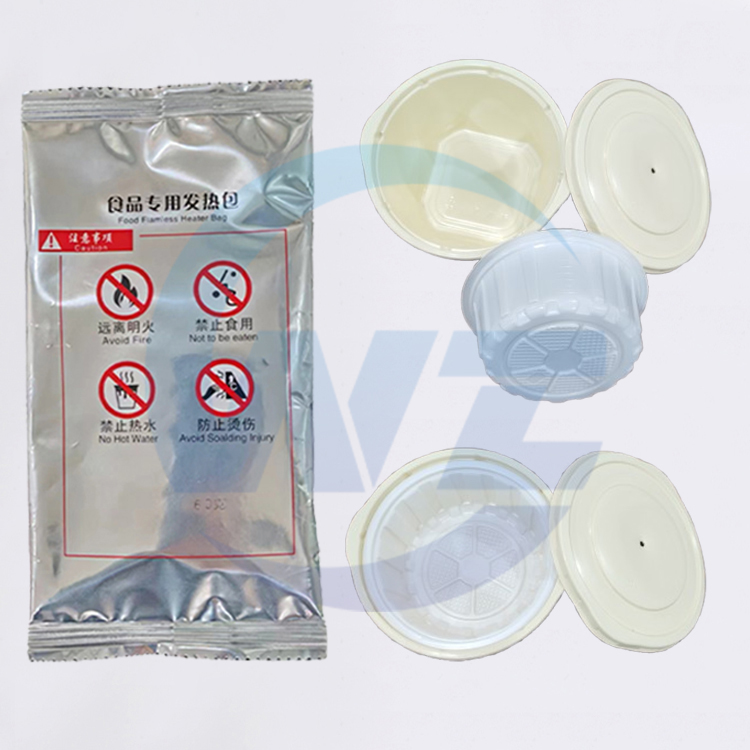
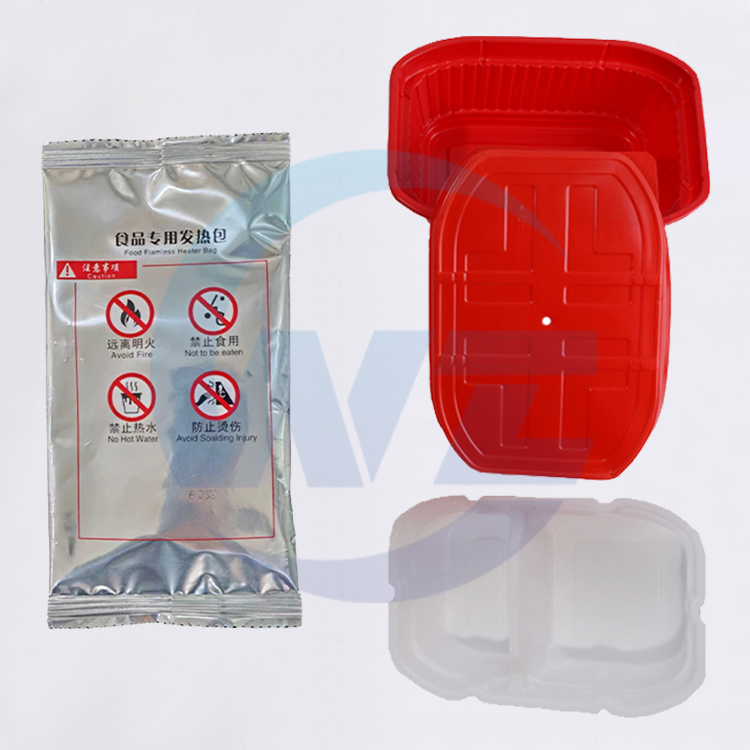
Located at the bottom or side of the container, this chamber holds the reactive chemicals. The most common combination is quicklime (calcium oxide) and water, a reaction known for producing intense heat.
The Activation Mechanism
This is the ingenious part. Instead of pouring water in, the user typically presses a button or twists the bottom of the can. This action breaks a seal between a small water pouch and the quicklime powder, mixing them to start the reaction.
The Insulating Container
The entire can or bowl is designed with double walls and insulating materials. This directs the heat efficiently into the food chamber while keeping the exterior of the container safe to touch.
How Is This Japanese System Engineered?
The manufacturing process is a marvel of precision engineering, designed for mass production and consumer safety.
Chemical Preparation and Containment
Food-grade quicklime powder is precisely measured and sealed in the lower heating chamber. A separate, sealed pouch of water is placed alongside it. The materials are chosen for their stability and predictable reaction.
Automated Assembly
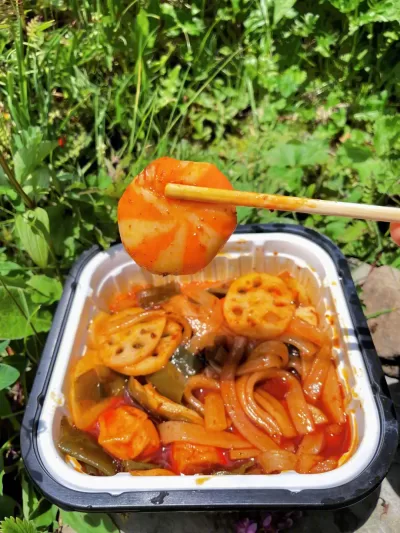
The food is filled into the main chamber, and the two chambers are sealed together in a single, robust container. The activation mechanism—a plastic button or a twistable base—is integrated during this process, ensuring it is secure during transport.
Safety Sealing and Quality Control
Each unit undergoes rigorous testing to ensure the seals are airtight and the activation mechanism works correctly. This quality control is paramount to prevent accidental activation and ensure a consistent heating experience for the consumer.
How to Safely Activate a Japanese Self-Heating Food
Step 1: Locate the Activation Button
Identify the plastic button on the bottom of the can or the twistable section as indicated by the arrows and instructions on the label.
Step 2: Press Firmly or Twist
Press the button down firmly until you hear a “click,” or twist the base as directed. This breaks the internal seal. You may feel the can begin to warm up almost immediately.
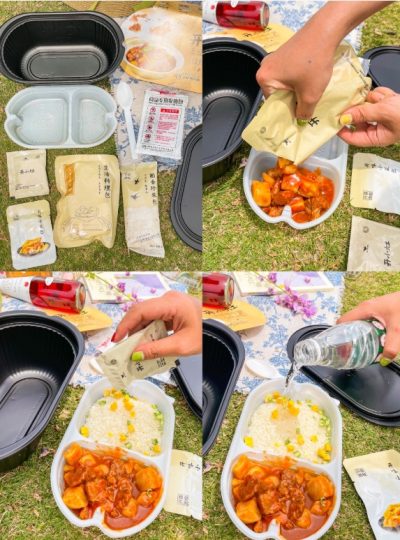
Step 3: Wait Patiently
Place the can upright on a stable surface. Do not shake it. Wait for the time specified on the packaging (usually 3-5 minutes for drinks, 5-10 minutes for meals).
Step 4: Open and Enjoy
After waiting, carefully peel open the top lid. Be mindful of escaping steam. The contents will be thoroughly heated and ready to eat.
Conclusion
The self-heating food in Japan is a perfect example of how technology can be seamlessly integrated into daily life to provide comfort and convenience. By utilizing a clever two-chamber system with a simple activation mechanism, Japanese manufacturers have created a safe, reliable, and delightful product. It’s a testament to the country’s dedication to innovation and its deep understanding of the consumer’s needs. The next time you see one of these ingenious cans, you’ll appreciate the sophisticated science that delivers a moment of warmth at the push of a button.
If you are interested in importing or learning more about Japanese self-heating food technology, please contact us. We can provide expert insights and product recommendations based on your needs. If you are not sure about the different types available, you can also consult us. We will provide you with professional services to answer your questions. You are welcome to consult us at any time!
STAY IN THE LOOP