by Kevin
Share
by Kevin
Share
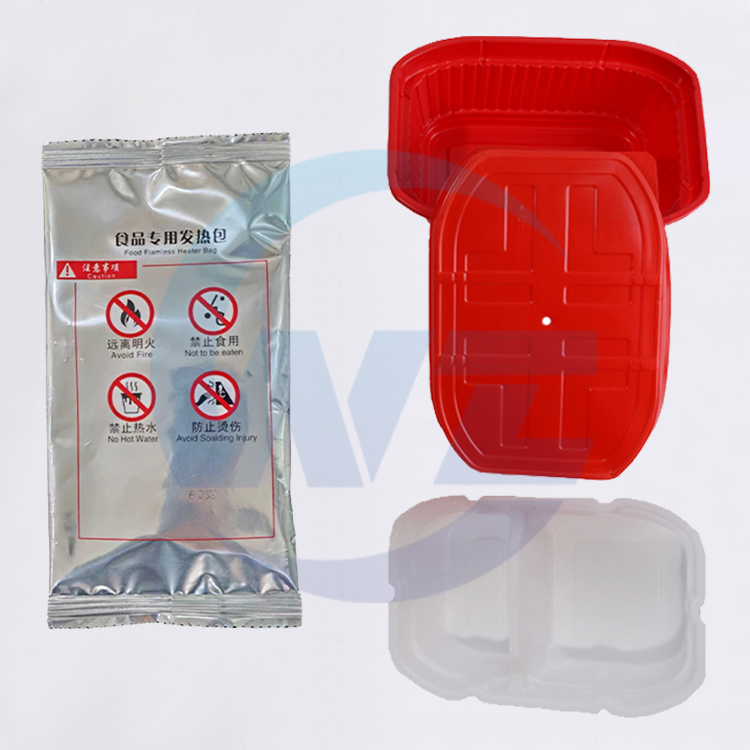
A Flameless Ration Heater (FRH) is a masterpiece of portable chemistry, utilizing a magnesium-iron alloy to generate heat without fire. However, once it has finished warming your meal, you are left with a pouch full of spent chemicals, salt water, and potentially unreactive metal dust. Because FRHs rely on reactive materials, throwing them away isn’t as simple as tossing an empty candy wrapper. This raises a highly debated question among soldiers, campers, and preppers alike: when you throw a used FRH in the trash, are you just disposing of garbage, or are you breaking hazardous waste laws?
Features of Flameless Ration Heater Disposal
Residual Reactivity
Even after the heater cools down, it rarely uses 100% of the magnesium powder. The remaining unreacted magnesium means the spent heater is technically still a reactive material, which can pose a fire hazard if crushed or exposed to moisture in a garbage truck.
RCRA Regulatory Nuances
Under the Resource Conservation and Recovery Act (RCRA), the legal classification of a used FRH depends entirely on volume. A single heater used by an individual falls under the “household hazardous waste exemption,” but bulk quantities accumulated by military bases or camps are strictly regulated as hazardous waste.
Hydrogen Off-gassing Risk
If a disposed FRH is accidentally exposed to rain or high humidity in a landfill, the remaining magnesium can slowly react to produce trace amounts of hydrogen gas, requiring careful consideration of how the waste is contained before pickup.
Strict No-Burn Policy
Because unreacted magnesium burns at extremely high temperatures and cannot be easily extinguished with water or standard fire suppressants, it is universally illegal and highly dangerous to throw a used FRH into an incinerator or a backyard burn barrel.
How are used Flameless Ration Heaters processed for disposal?
While there is no complex manufacturing involved in throwing something away, the “processing” of a used FRH requires specific preparation to ensure it meets safety and legal standards.
Cooling Period
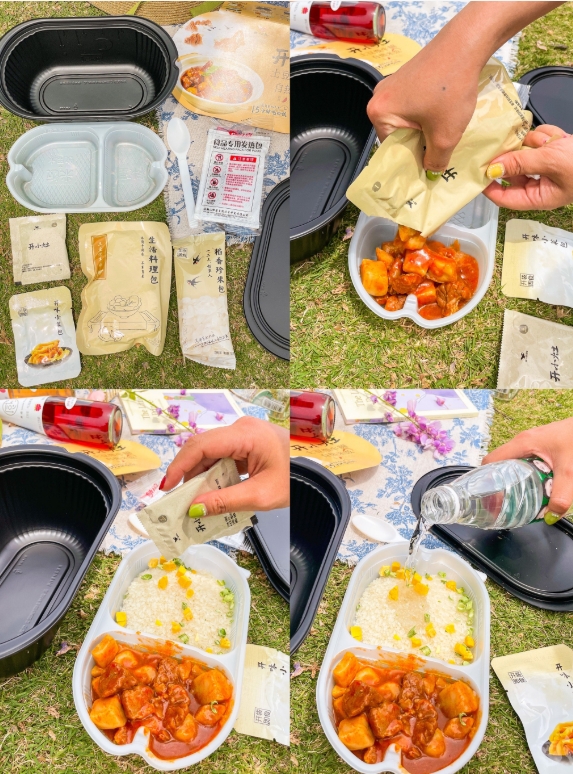
The first and most critical step is waiting. The chemical reaction continues to produce heat and hydrogen gas for several minutes after the meal is removed. The heater must be allowed to cool completely to the touch before any disposal steps are taken.
Containment
The used heater should ideally be left inside its original outer sleeve or placed inside a sealed plastic bag. This containment step prevents the fine, unreacted magnesium dust from escaping and mixing with other trash, which could trigger an unexpected reaction.
Segregation for Bulk
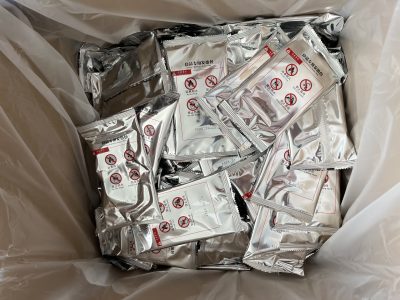
For organizations or large groups, used FRHs cannot simply be thrown into a communal dumpster. They must be collected in dedicated, clearly labeled non-flammable containers and segregated from standard refuse to comply with hazardous material handling protocols.
Popular Rules and Regulations to Follow
Household Exemption
For the average consumer or solo hiker, local regulations generally allow the disposal of a completely cooled, single used FRH in standard municipal solid waste (everyday trash), provided it is kept in its bag.
Bulk Hazardous Waste
Military units, disaster relief agencies, and large-scale event organizers are legally bound to treat accumulated FRHs as Class D reactive hazardous waste. They must contract licensed hazardous waste carriers to transport and dispose of the materials.
Waterway Protection
It is strictly illegal under environmental protection laws to tear open a used FRH and dump the magnesium and salt sludge into the soil, a sinkhole, or a waterway. The heavy metal concentration and altered pH can harm local aquatic ecosystems.
How to choose a disposal method that suits your needs?
Consider the volume
Evaluate how many heaters you are disposing of. If it is just one or two from a weekend camping trip, standard household trash is acceptable. If you are cleaning up after a large group or training exercise, you must arrange for hazardous waste collection.
Determine the local rules
Municipal waste codes vary wildly. Some counties with strict landfill fire codes require all reactive metals—even single household FRHs—to be taken to a local household hazardous waste drop-off center rather than placed in the weekly trash.
Safety first
If you are ever unsure about the legal requirements in your area, the safest choice is to treat the used FRH as hazardous material. Over-regulating your own waste is always legally safer than under-regulating it.
How to care for a used Flameless Ration Heater before disposal?
Proper storage
Store used, cooled FRHs in a dry, well-ventilated outdoor trash bin. Do not seal them in an airtight indoor trash can, as any residual moisture interacting with unreacted magnesium could slowly build up hydrogen pressure.
Follow instructions for use
Always read the safety and disposal guidelines printed on the original MRE or FRH packaging. Manufacturers provide legally vetted disposal instructions that are specifically tailored to the exact chemical composition of that specific heater batch.
Conclusion
Disposing of a Flameless Ration Heater is not a legal minefield for the individual user, but it does demand a basic understanding of the chemistry involved. The reactive magnesium that makes your meal hot does not simply vanish once you finish eating. By allowing the heater to cool, containing the residual dust, and adhering to local household or bulk hazardous waste rules, you can ensure your convenient field meal doesn’t become an environmental or legal liability. Check your local waste management guidelines today to ensure you are disposing of your gear responsibly.
If you think this article is helpful, please contact us. We will give you reasonable and suitable product recommendations based on your current situation. If you are not sure, you can also consult us. We will provide you with professional services to answer your questions. You are welcome to consult us at any time and we welcome all customers to conduct on-site inspections!
STAY IN THE LOOP