by Kevin
Share
by Kevin
Share
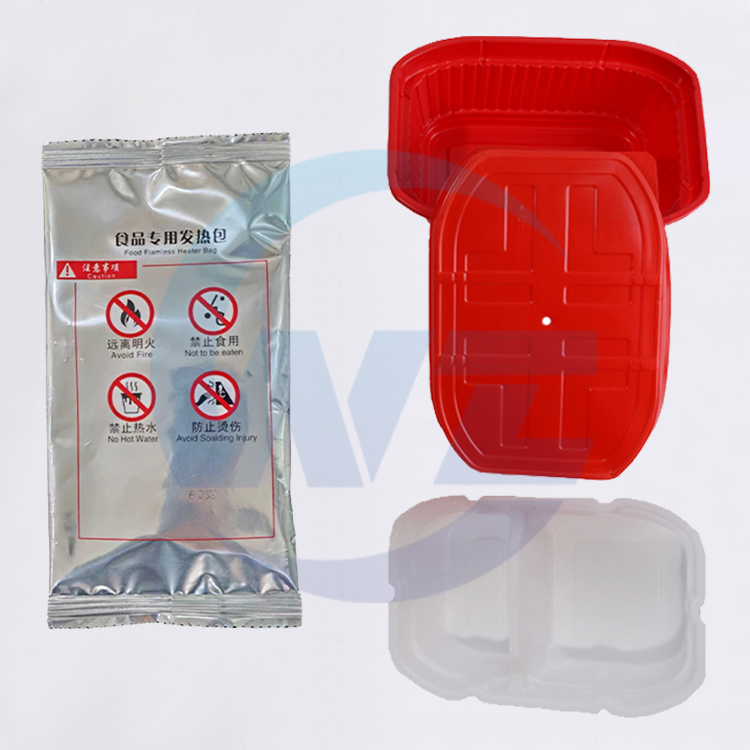
A Flameless Ration Heater (FRH) is a marvel of modern field chemistry, designed to heat Meals Ready-to-Eat (MREs) without fire or electricity. Because the process looks as simple as “just add water,” many users assume there is no wrong way to use one. However, improper technique can lead to a cold meal, a wasted heater, or even safety hazards. Understanding the correct mechanics is crucial. Are you using your FRH correctly, or are you falling victim to common field myths that ruin your dining experience?
Features of Flameless Ration Heaters
Precision Engineering
Despite their simple appearance, FRHs are precisely engineered to react with a specific amount of water. This ensures a controlled exothermic reaction that provides maximum heat without melting the food pouch or posing a burn risk.
Self-Contained Operation
An FRH acts as its own cooking vessel. The durable polypropylene and fabric construction is designed to hold boiling water and reactive chemicals safely inside the bag, requiring no extra pots or pans.

Time-Regulated Heat
The heater is designed to maintain an optimal temperature plateau for 10 to 15 minutes. This specific duration is calculated to thoroughly heat a standard 8-ounce MRE entree without overcooking or drying it out.
Safe Byproduct Venting
The porous design of the heating pad and the folded top of the bag are specifically intended to allow the safe, slow venting of the hydrogen gas byproduct, preventing dangerous pressure buildup when used correctly.
How are Flameless Ration Heaters used in 6 Steps?
Using an FRH correctly requires following a specific sequence to ensure the chemical reaction works to its full potential.
Step 1: Preparation
Remove the MRE entree pouch and the FRH from their outer cardboard packaging. Do not puncture or open the food pouch; the heat must transfer through the sealed plastic.
Step 2: Insertion
Slide the unopened MRE food pouch flat into the FRH heating bag. Ensure the food is lying flat against the heating pad to maximize surface contact for even heat distribution.
Step 3: Water Activation
Add clean water to the FRH bag. Most standard military FRHs require exactly 1.5 to 2 ounces (about 40-60 mL) of water. Do not overfill, as excess water dilutes the chemicals and lowers the temperature.
Step 4: Proper Positioning
Fold the top of the FRH bag down tightly to trap the heat and steam. Crucially, lean the bag at a roughly 45-degree angle against a rock, log, or your pack. The food pouch must be higher than the water line at the bottom.
Step 5: Waiting Period
Leave the heater completely undisturbed for 10 to 15 minutes. Avoid the common mistake of squeezing or flipping the bag, as this can submerge the food pouch in the reactive water, causing uneven heating or potential damage.
Step 6: Safe Removal
After the time is up, carefully open the bag away from your face. Beware of escaping hot steam and the potential for residual hydrogen gas. Remove the hot food pouch using the edges to avoid burns.
Popular Mistakes to Avoid with FRHs
Using in Enclosed Spaces
The most dangerous mistake is using an FRH inside a sealed car, small tent, or bunker. The reaction produces hydrogen gas, which is highly flammable and needs open air to dissipate safely.
Adding Too Much or Too Little Water
Adding too little water stops the reaction prematurely, leaving your food cold. Adding too much water cools the reaction down, creating a lukewarm, soupy mess that takes forever to heat.
Laying the Bag Flat
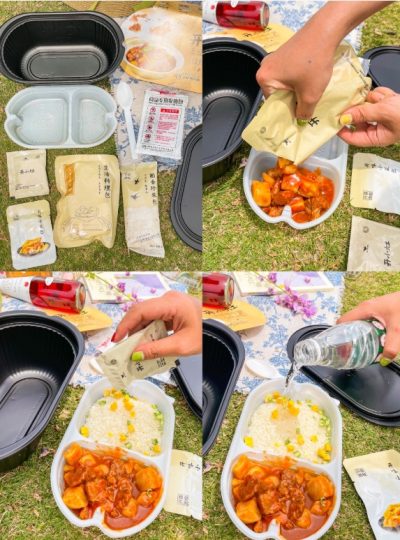
If you lay the bag flat on the ground, gravity pulls the water over the top of the food pouch. This not only cools the food but can block the venting of hydrogen gas, creating pressure and stopping the reaction entirely.
Puncturing the Food Pouch
Some users believe puncturing the MRE pouch helps it heat faster. In reality, this allows the reactive magnesium powder and salty water to mix directly with your food, ruining the taste and posing an ingestion hazard.
How to choose a Flameless Ration Heater that suits your needs?
Consider the use environment
If you frequently operate in freezing temperatures, look for commercial “high-output” or military-spec FRHs that are formulated to counteract extreme cold and still reach proper heating temperatures.
Determine the duration
Different brands offer different reaction times. If you only have a short break, choose a heater known for a rapid 10-minute heat-up curve rather than slower, long-lasting civilian variants.
Safety first
Choose a reputable supplier whose packaging clearly displays water-level indicators, hydrogen warning labels, and strict adherence to Department of Transportation (DOT) safety exemptions for safe transport.
How to care for a Flameless Ration Heater?
Proper storage
Store FRHs in a dry, cool place away from direct sunlight and moisture. The outer vacuum seal is the only thing preventing the magnesium from reacting prematurely; once punctured, the heater is useless.
Follow instructions for use
Always read the specific instructions on the bag you are using. While the 6-step process is generally universal, some commercial or specialized FRHs may have slightly different water requirements or activation methods.
Conclusion
A Flameless Ration Heater is an incredibly reliable tool, but it is not foolproof. Treating it like a simple “add water and forget” gadget often leads to cold meals and wasted resources. By mastering the 6 steps of proper use—especially the critical angled positioning and correct water measurement—and avoiding dangerous mistakes like indoor use, you can guarantee a hot, safe meal in any environment. Check your inventory regularly to ensure your seals are intact before you head into the field.
If you think this article is helpful, please contact us. We will give you reasonable and suitable product recommendations based on your current situation. If you are not sure, you can also consult us. We will provide you with professional services to answer your questions. You are welcome to consult us at any time and we welcome all customers to conduct on-site inspections!
STAY IN THE LOOP