by Kevin
Share
by Kevin
Share
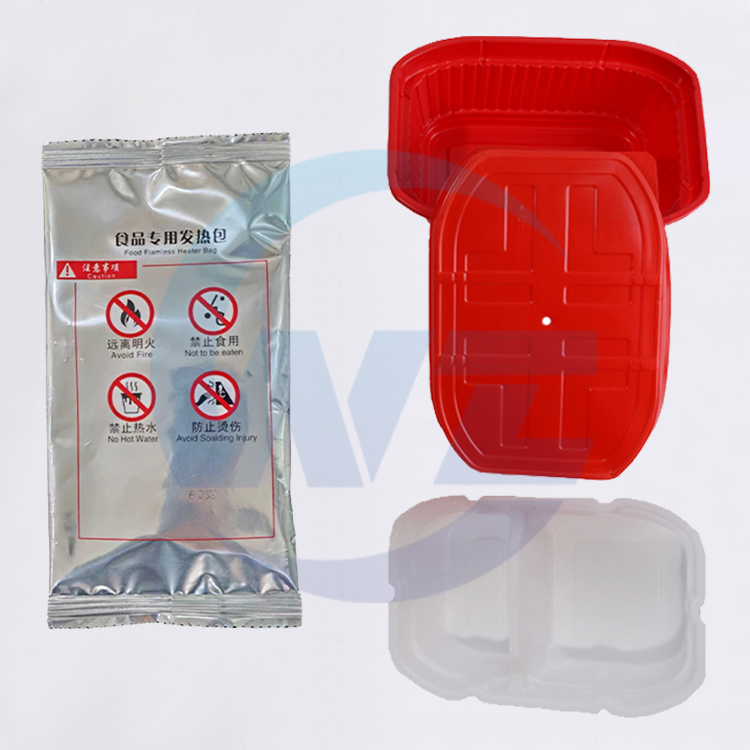
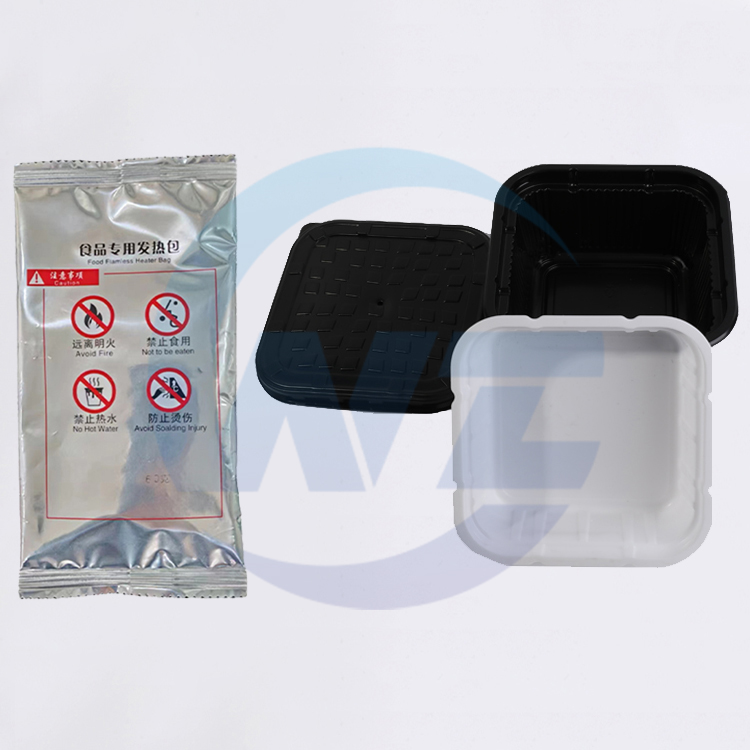
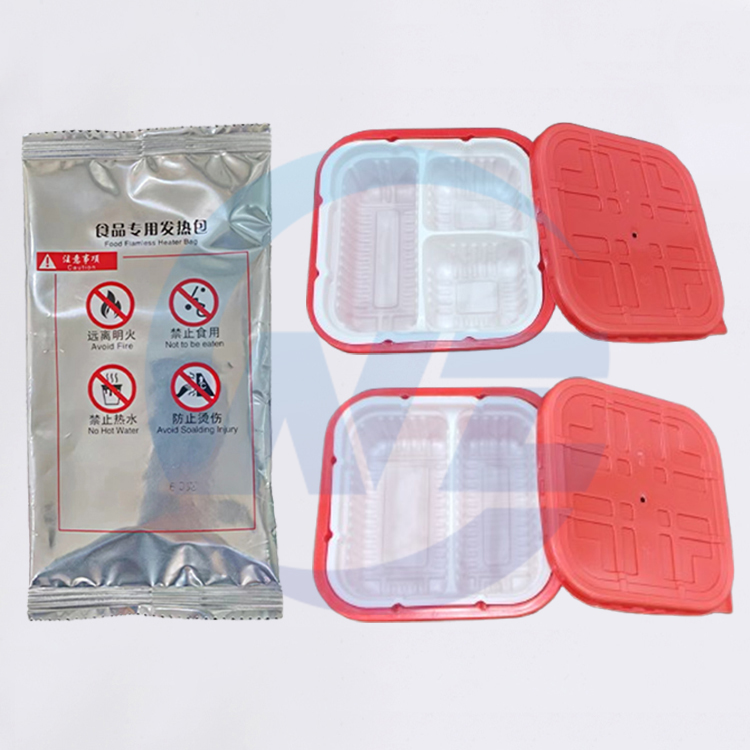
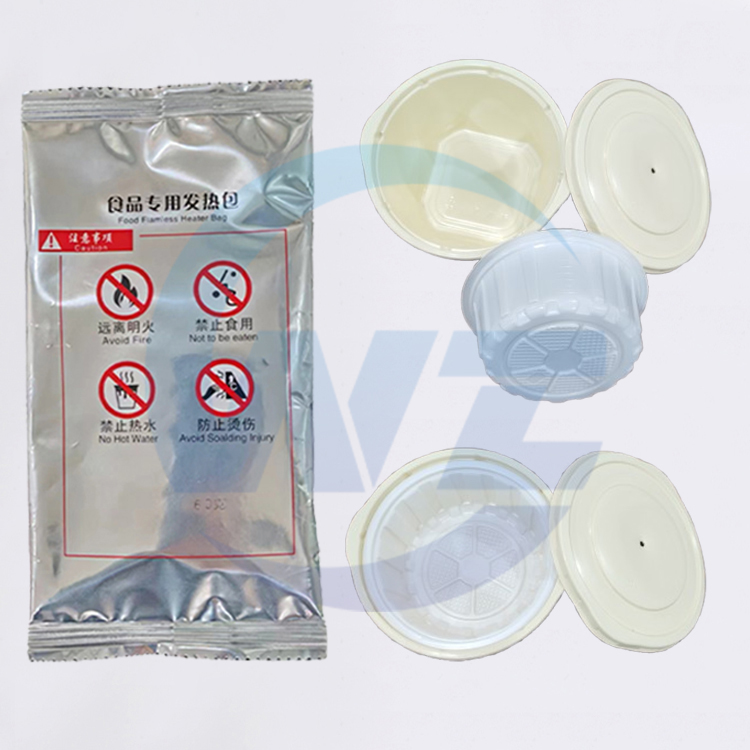
Flameless Ration Heaters (FRHs) provide essential warmth and meal preparation capabilities in environments where open flames are dangerous or impossible. However, the exothermic chemical reaction that powers these devices involves reactive materials and hydrogen gas off-gassing. This raises a critical question for global buyers: How do you ensure your FRH supplier genuinely meets international safety standards, rather than just claiming to? Compliance is not merely about passing a factory audit; it is a fundamental commitment to user safety, legal global transport, and environmental responsibility that protects your brand from severe liability.
Features of Internationally Compliant FRH Suppliers
UN/DOT Transport Certification
Compliant FRHs are rigorously tested and certified under dangerous goods regulations, such as the UN3363 classification. This ensures the heaters have been proven safe for global air, sea, and ground freight without posing a spontaneous combustion risk during transit.
Transparent Chemical Documentation
Reputable suppliers provide detailed, up-to-date Safety Data Sheets (SDS/MSDS) that fully disclose the chemical composition, reactivity data, and safe handling procedures. This transparency is legally required for customs clearance and workplace safety globally.
Secure Packaging Standards
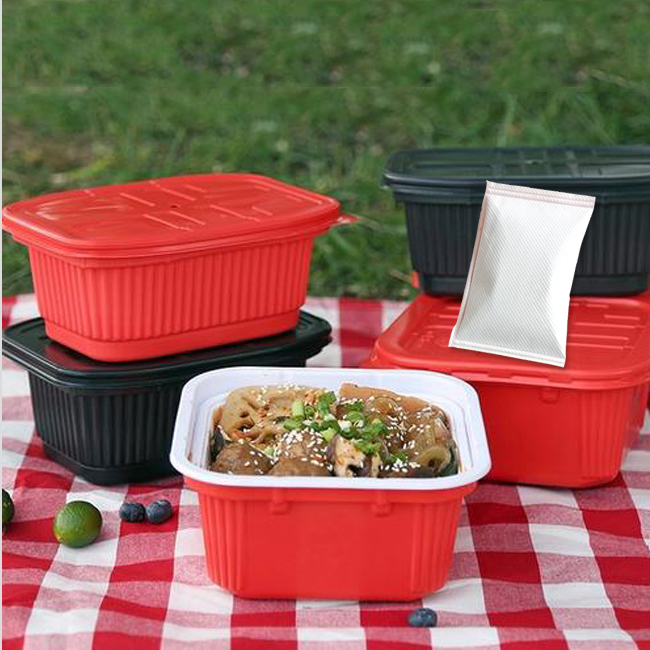
The outer packaging of certified heaters utilizes high-grade, heat-resistant materials designed to safely vent hydrogen gas while containing the exothermic reaction without rupturing, protecting the end-user from chemical burns or fire hazards.
How are internationally certified FRHs made?
The manufacturing process for compliant FRHs relies on strict documentation and controlled environments to meet global safety benchmarks.
Audited Raw Material Sourcing
The process begins with sourcing certified, high-purity magnesium powder from vetted suppliers. International standards require full traceability of every raw material back to its origin to ensure no prohibited or contaminated substances enter the supply chain.
Environmentally Controlled Blending
The magnesium, iron, and salt are mixed in strictly controlled, low-humidity facilities. This prevents premature oxidation and ensures the chemical reaction profile remains stable and predictable, preventing unexpected thermal spikes during consumer use.
Sealing, Testing, and Documentation
The heaters are vacuum-sealed and then subjected to rigorous batch testing for temperature curves and gas emission rates. A compliant manufacturer provides a Certificate of Analysis (COA) for every production run, verifying that the product meets the declared international safety limits.
Popular Uses of Certified FRHs
Commercial Outdoor Retail
Brands selling self-heating meals to hikers and campers must rely on certified suppliers to meet strict consumer product safety directives in regions like the EU and North America, ensuring the public is not exposed to unverified chemical risks.
Humanitarian Aid
Relief organizations operating globally require fully compliant FRHs that are safe to use in crowded, temporary shelters. Verified hydrogen venting and non-toxic byproducts are essential to prevent accidents among vulnerable populations.
How to choose an FRH supplier that meets global standards?
Verify the Certificates
Never accept a supplier’s word alone.A trustworthy supplier will gladly provide third-party laboratory test reports.
Consider the Destination Market
Ensure the supplier’s compliance aligns with your specific target market. Chemical regulations vary wildly; what is legal in one country may be banned in another. Your supplier must be able to adapt their formulation to meet local environmental and safety laws.
Demand Transparency
Choose a supplier that openly shares their quality control protocols and allows for independent pre-shipment inspections. If a factory refuses to let your third-party auditor test random samples, they are hiding a safety risk.
How to care for certified FRH inventory?
Proper storage
Store FRHs in a dry, cool place away from direct sunlight and moisture. Even the most rigorously tested and compliant heater can degrade if stored improperly, compromising its safety profile and voiding its certifications.
Follow instructions for use
Always adhere to the manufacturer’s guidelines, particularly regarding ventilation. Certified heaters are designed to vent hydrogen gas safely, but they must be used in well-ventilated areas as instructed to prevent the invisible accumulation of gas.
Conclusion
Partnering with an FRH supplier that rigorously meets international safety standards is the only way to protect your brand, your logistics, and your end-users. Strict compliance ensures that your products can cross borders smoothly and perform safely in the hands of untrained consumers. Do not leave safety to chance—verify your supplier’s credentials today to guarantee peace of mind in your supply chain.
If you think this article is helpful, please contact us. We will give you reasonable and suitable product recommendations based on your current situation. If you are not sure, you can also consult us. We will provide you with professional services to answer your questions. You are welcome to consult us at any time and we welcome all customers to conduct on-site inspections!
STAY IN THE LOOP