by Kevin
Share
by Kevin
Share
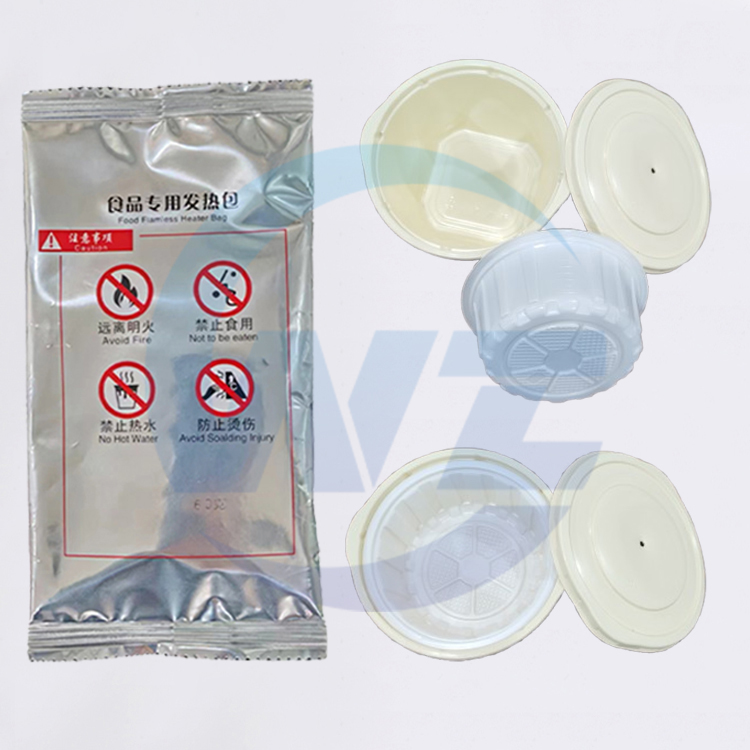
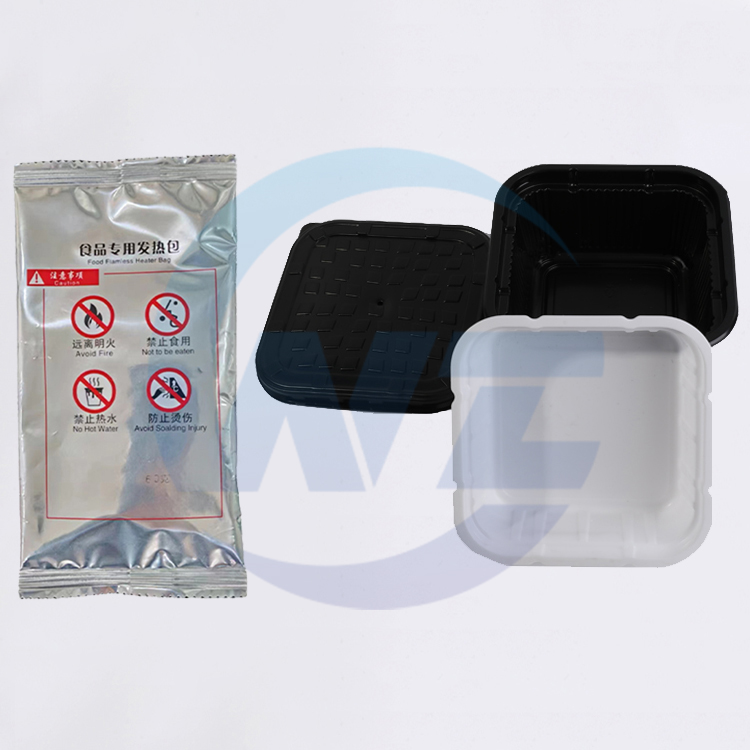
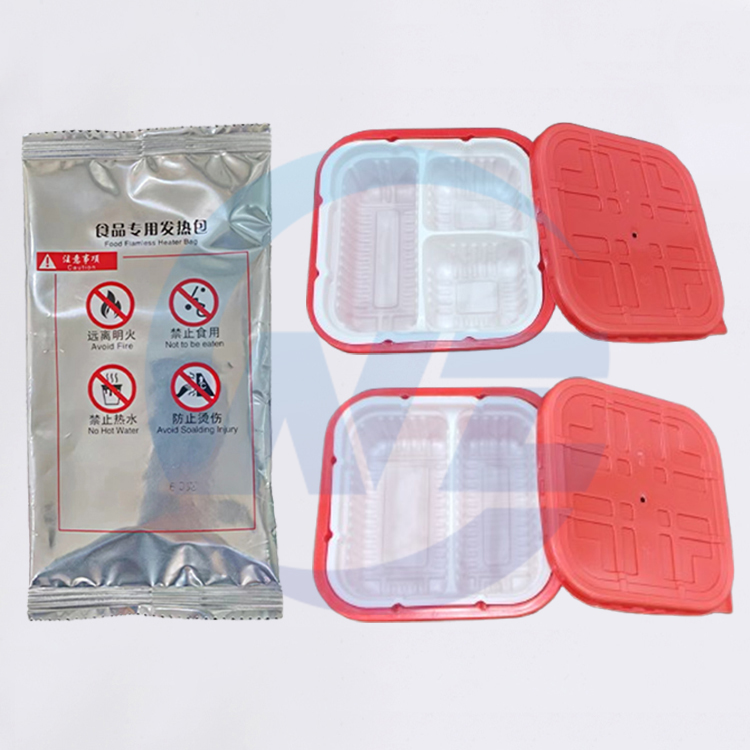
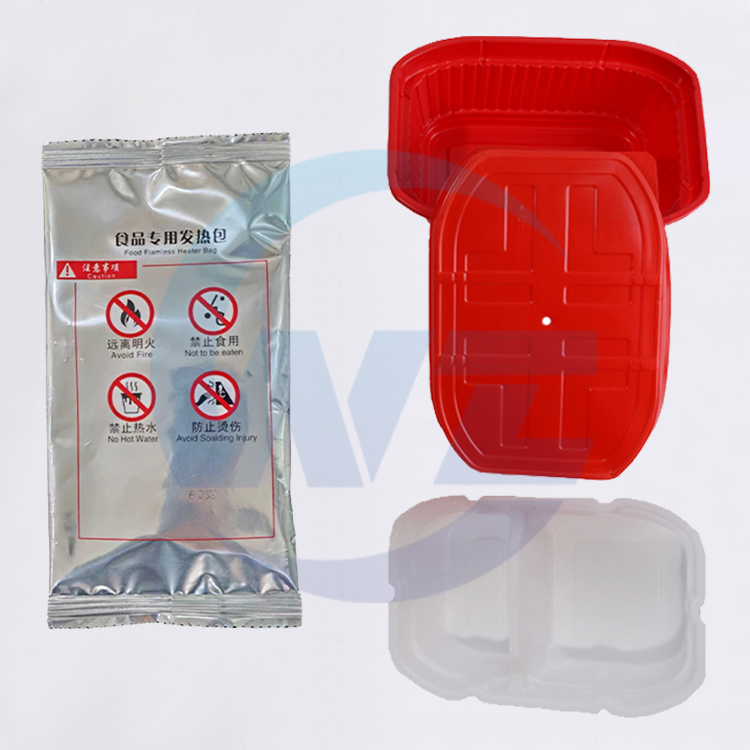
Flameless ration heaters (FRH) are a marvel of modern food science, enabling military personnel, outdoor enthusiasts, and emergency responders to enjoy a hot meal without the need for fire, stoves, or electricity. Understanding the “flameless ration heater how it works” reveals a sophisticated chemical process that harnesses exothermic reactions to heat food safely and efficiently. This technology ensures that a nutritious, hot meal is available in the most challenging environments, from the battlefield to the disaster zone.
Features of Flameless Ration Heater Technology
Efficient Exothermic Reaction
The core feature of an FRH is its ability to produce heat through a rapid oxidation reaction. When water is added, the heater generates a significant amount of thermal energy, raising the temperature of the food pouch quickly.
Lightweight and Portable
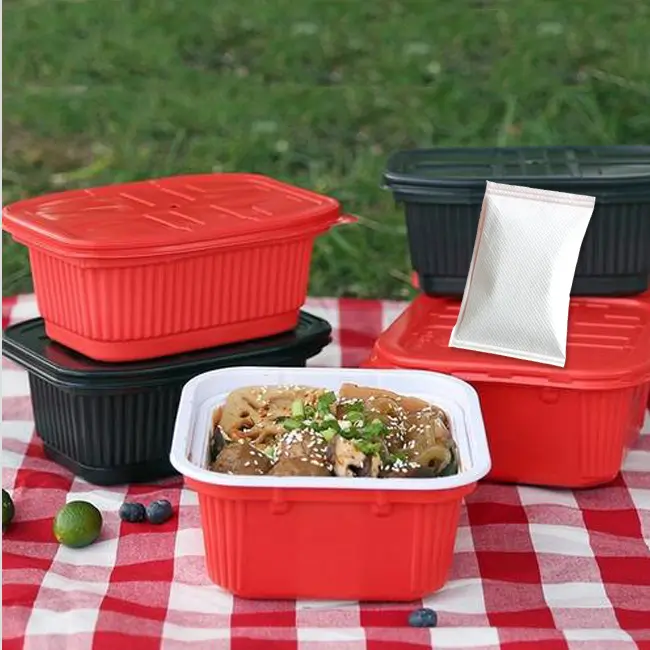
Designed for mobility, flameless ration heaters are extremely lightweight and thin. They take up minimal space in a backpack or ration kit, making them ideal for situations where weight and volume are critical factors.
Flameless and Smoke-Free
As the name suggests, these heaters operate without an open flame. This eliminates the risk of starting fires and produces no smoke, making them virtually undetectable in tactical situations and safe for use in enclosed spaces.
Simple Activation
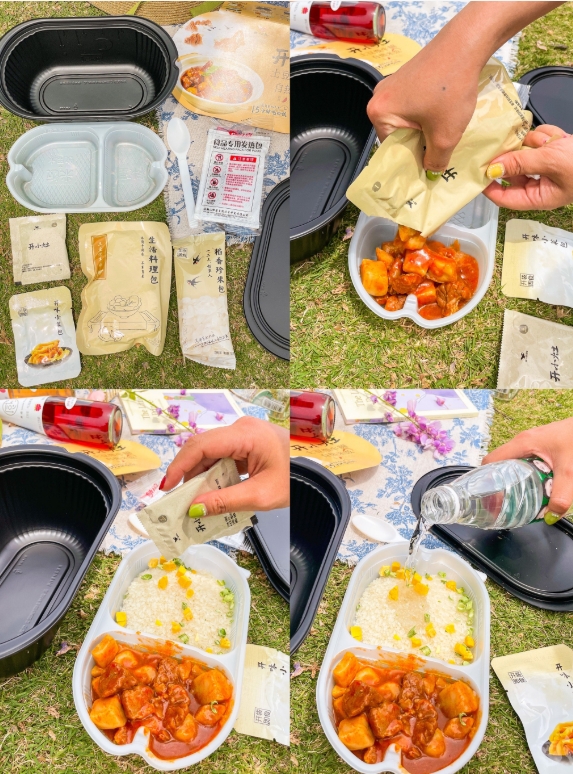
The mechanism is designed for ease of use: just add water. The simplicity of the system means that no technical knowledge or complex tools are required to prepare a hot meal.
How does a flameless ration heater work?
The science behind the flameless ration heater is based on the interaction of magnesium and iron in the presence of water.
Chemical Composition
The heater pad is typically made of a fine mixture of magnesium powder, iron powder, and salt (sodium chloride). These materials are embedded in a matrix (usually felt or paper) to hold them together and ensure consistent contact.
The Role of Water
Water acts as the catalyst and electrolyte. When the user pours water into the heater bag containing the ration pouch and the heater pad, the water dissolves the salt and permeates the magnesium-iron mixture.
The Exothermic Process
The magnesium in the mixture reacts with the water (oxidation) to form magnesium hydroxide. This reaction is highly exothermic, meaning it releases a substantial amount of heat. The iron acts as a catalyst and helps regulate the reaction, preventing it from happening too violently or fading too quickly.

Steaming the Food
The heat generated by the chemical reaction warms the water in the bag, turning it into steam. This hot steam surrounds the food pouch, transferring heat evenly and cooking the meal inside within 10 to 15 minutes.
Popular Uses of Flameless Ration Heaters
Military Field Rations (MREs)
The most common application is in Meals, Ready-to-Eat (MREs). Soldiers rely on FRHs to get hot, high-calorie meals while on patrol or in the field, where cooking equipment is impractical.
Outdoor Survival and Camping
Hikers, campers, and hunters use FRHs as a lightweight backup food heating system. They allow for a hot meal at high altitudes or in rainy conditions where starting a fire is difficult.
Emergency and Disaster Relief
In the aftermath of natural disasters like hurricanes or earthquakes, power and gas lines are often severed. FRHs provide a vital way to warm food for victims and relief workers without requiring fuel.
How to choose a flameless ration heater that suits your needs?
Heating Capacity
Consider the size of the meal you intend to heat. Standard FRHs are designed for single-serve ration pouches (approx. 8-12 oz), but larger versions are available for group rations or bulkier meals.
Activation Time
Check the specifications for how long the heater takes to reach peak temperature and how long the heat lasts. A good quality heater will maintain heat long enough to warm the food thoroughly.
Safety and Certifications
Ensure the heater is made from food-safe materials and meets safety standards. The outer bag should be durable and resistant to punctures to prevent hot water from leaking.
Compatibility
Make sure the heater dimensions fit the type of food pouch or container you plan to use. Some heaters are specifically designed for flat ration pouches, while others may accommodate different shapes.
How to use a flameless ration heater safely?
Add the Correct Amount of Water
Follow the instructions precisely regarding the amount of water to add. Too little water may stop the reaction prematurely, while too much water can dilute the heat and cause overflows.
Vent the Bag
Place the heater and food pouch into the cardboard sleeve or bag provided. Prop it open or tilt it slightly to allow steam to escape. Pressure buildup can cause the bag to burst if not properly vented.
Handle with Care
The reaction generates steam and heat. Do not place the heater directly against your skin. Use the protective sleeve or gloves when handling the bag during and immediately after the heating process.
Dispose of Properly
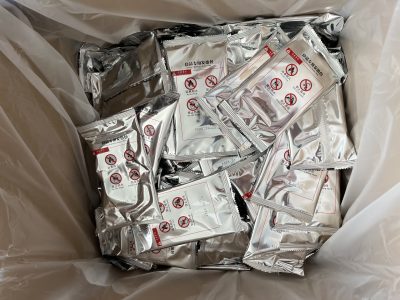
After use, the heater contains spent chemicals (magnesium hydroxide). While generally safe, it should be disposed of in accordance with local regulations and not left in the environment as litter.
Conclusion
Understanding “flameless ration heater how it works” highlights the ingenuity behind this essential survival tool. By utilizing simple chemical principles, FRHs provide a reliable way to enjoy a hot meal in the absence of conventional cooking methods. Whether for military operations, outdoor adventures, or emergency preparedness, having a stock of flameless ration heaters ensures that you are never left in the cold. They are a critical component of modern self-sufficiency.
If you think this article is helpful, please contact us. We will give you reasonable and suitable product recommendations based on your current situation. If you are not sure, you can also consult us. We will provide you with professional services to answer your questions. You are welcome to consult us at any time and we welcome all customers to conduct on-site inspections!
STAY IN THE LOOP