by Kevin
Share
by Kevin
Share
MREs (Meals Ready-to-Eat) are self-contained, individual field rations that were originally designed for the military to provide nutrition to soldiers in combat zones where organized food facilities are not available. Today, they have gained immense popularity among civilians for emergency preparedness, camping, and outdoor survival. These durable pouches provide a full meal with a high calorie count in a compact, lightweight package. However, there is an ongoing debate among outdoor enthusiasts and preppers: are MREs a miracle of modern food science essential for survival, or do they represent a culinary last resort to be eaten only when absolutely necessary?
Features of MREs Meals Ready to Eat
Complete Nutritional Profile
Each MRE is designed to provide an average of 1,200 to 1,300 calories, ensuring that consumers get the energy they need for strenuous activities. They typically include an entree, side dish, dessert, snack, beverage mix, and a flameless ration heater.
Extended Shelf Life
MREs are famous for their longevity. When stored at optimal temperatures (around 60°F or lower), they can last for over 5 years, making them a staple for long-term emergency stockpiling.
Rugged and Durable Packaging
The meals are encased in tri-laminated retort pouches that are designed to withstand extreme conditions. They are resistant to punctures, drops, and even rough handling during transport, unlike canned goods which can dent or burst.
Flameless Heating Capability
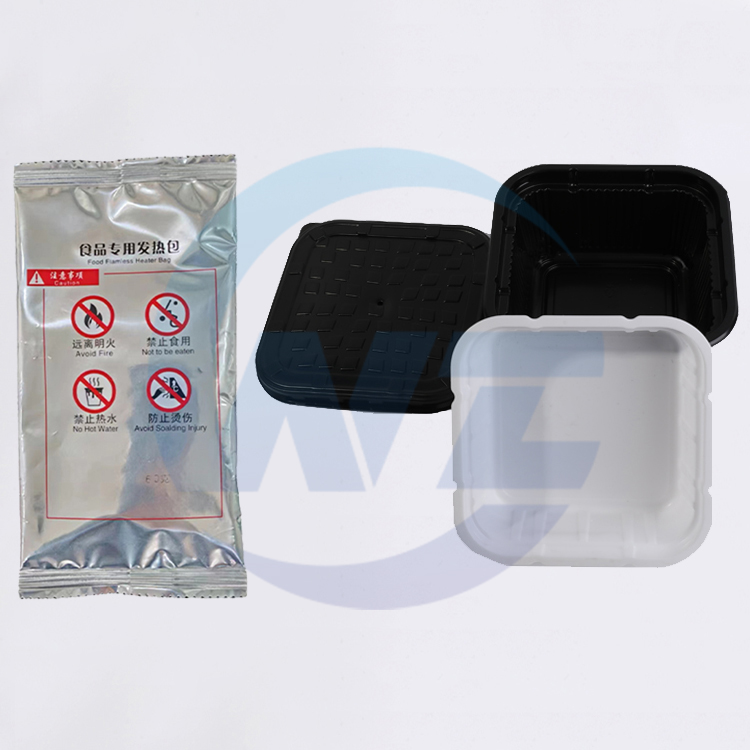
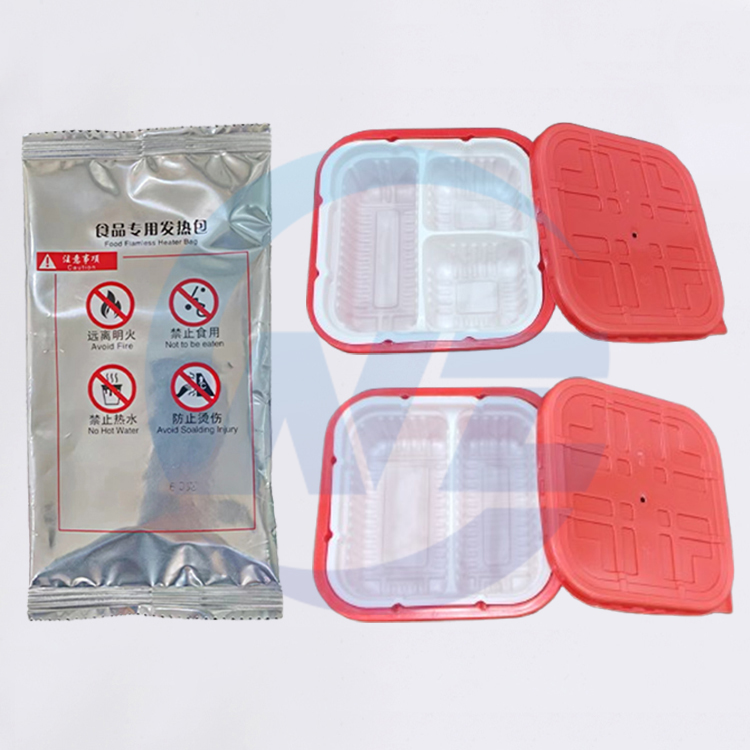
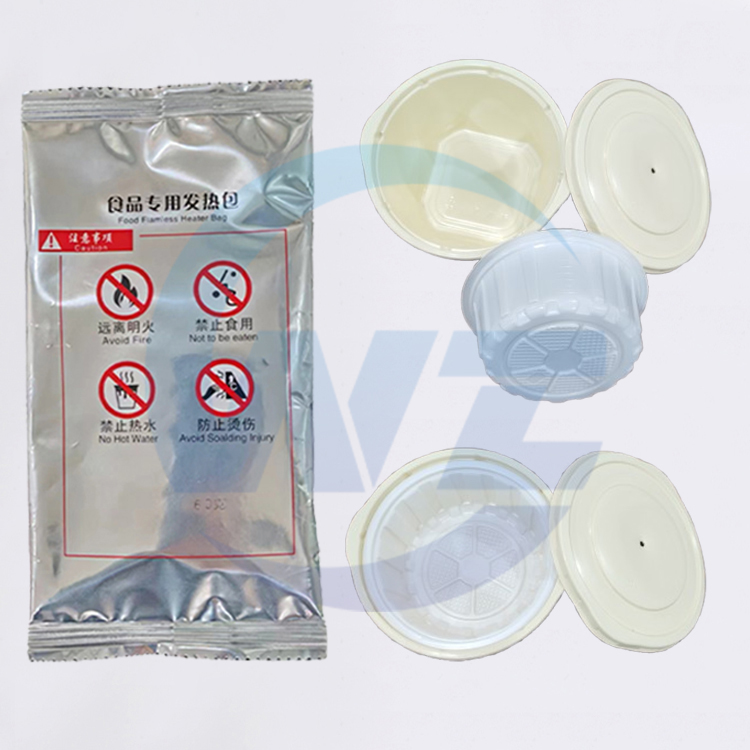
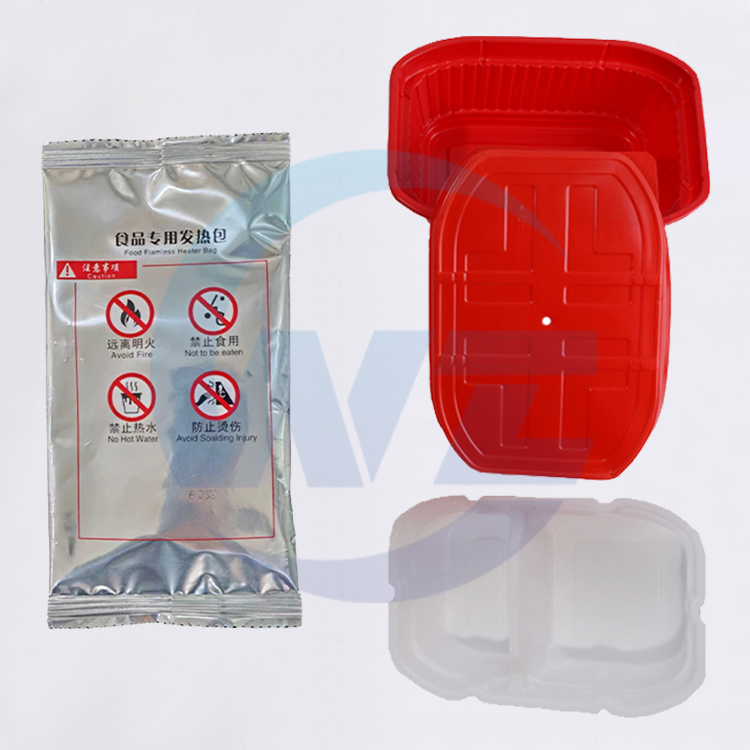
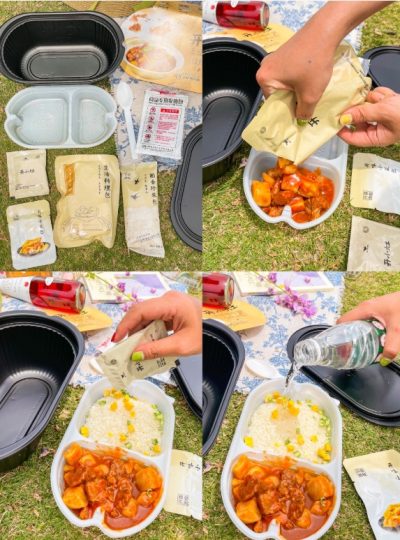
Most MREs come with a Flameless Ration Heater (FRH). By adding a small amount of water to the heater bag, the chemical reaction inside generates enough heat to warm the meal pouch without the need for fire or electricity.
How are MREs Meals Ready to Eat made?
The production of MREs is a sophisticated process involving thermal sterilization to ensure safety and shelf stability.
Food Preparation and Formulation
Ingredients are prepared and cooked similarly to canned food processes. The recipes are formulated to be high in energy and low in moisture to prevent bacterial growth and ensure texture retention over long periods.
Retort Packaging
The food is sealed inside the specialized tri-laminated pouches. These packages are then subjected to a “retort” process—a high-pressure steam sterilization step that cooks the food inside the pouch, destroying bacteria and spores to make the food shelf-stable.
Accessory Assembly
After the food pouch is sealed, it is combined with accessories such as the flameless heater, utensil, napkin, seasoning, and beverage powder. These components are packed into a heavy-duty outer bag that is vacuum-sealed for freshness.
Quality Control Inspection
Each batch undergoes rigorous testing to ensure the seals are intact and the thermal processing has been successful. This ensures that the meal is safe to eat years after it was manufactured.
Popular Uses of MREs Meals Ready to Eat
Military and Tactical Use
As their original purpose, MREs are the primary food source for soldiers in the field. They provide sustenance that is easy to carry and quick to prepare, even under fire.
Emergency and Disaster Relief
During natural disasters like hurricanes, floods, or earthquakes, MREs are often distributed by relief organizations. They are ideal because they do not require cooking facilities or clean water to prepare.
Outdoor Recreation
Hikers, campers, and hunters often carry MREs as a backup meal or as a convenient lunch option. The “no cook” aspect allows for a hot meal even in areas where campfires are banned.
How to choose MREs Meals Ready to Eat that suit your needs?
Check the Manufacturing Date
Because taste and texture degrade over time, always check the inspection date or manufacture date. Look for “lot numbers” that indicate when the meal was produced to ensure you are buying fresh stock.
Verify Components
Some cheaper civilian MREs might be missing the flameless heater or accessories. Ensure the MRE is “complete” with a heater if you plan to use them for outdoor activities where heating is desired.
Consider Civilian vs. Military Surplus
Civilian MREs often have different menu options than military ones. Military surplus is often cheaper but may be older. Civilian versions are often fresher but can be more expensive per meal.
Determine Menu Preference
MREs come in a wide variety of entrees. If you are picky, look for vendors that allow you to choose specific menus rather than buying a random case, as the difference between a good and bad MRE can significantly affect morale.
How to care for and store MREs Meals Ready to Eat?
Temperature Control
Store MREs in a cool, dry place. The shelf life decreases drastically in high heat; storing them at 100°F can reduce their life to as little as 6 months, whereas 60°F can preserve them for 5+ years.
Avoid Freezing
While MREs can survive freezing, it is not recommended. Freezing can damage the internal packaging structure, causing seals to fail or the texture of the food to become mushy upon thawing.
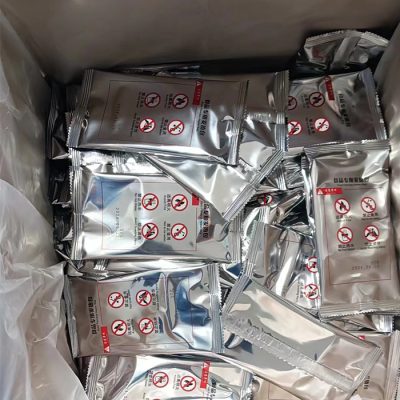
Regular Inspection
Periodically check your stock for swollen or punctured pouches. A swollen pouch is a sign of spoilage or bacterial growth and should be discarded immediately.
Conclusion
MREs Meals Ready to Eat occupy a unique space in the world of food, bridging the gap between survival necessity and modern convenience. While they may not win any gourmet awards, their durability, nutritional density, and self-heating capabilities make them unmatched in emergency scenarios. Whether you view them as a crucial lifeline or a last-resort meal, having a supply of MREs ensures you are prepared for the unexpected. By selecting the right menus and storing them correctly, you can guarantee a hot meal is always within reach.
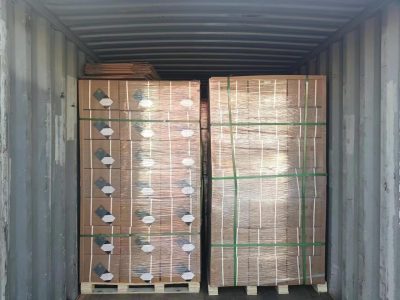
If you think this article is helpful, please contact us. We will give you reasonable and suitable product recommendations based on your current situation. If you are not sure, you can also consult us. We will provide you with professional services to answer your questions. You are welcome to consult us at any time and we welcome all customers to conduct on-site inspections!
STAY IN THE LOOP