by Kevin
Share
by Kevin
Share
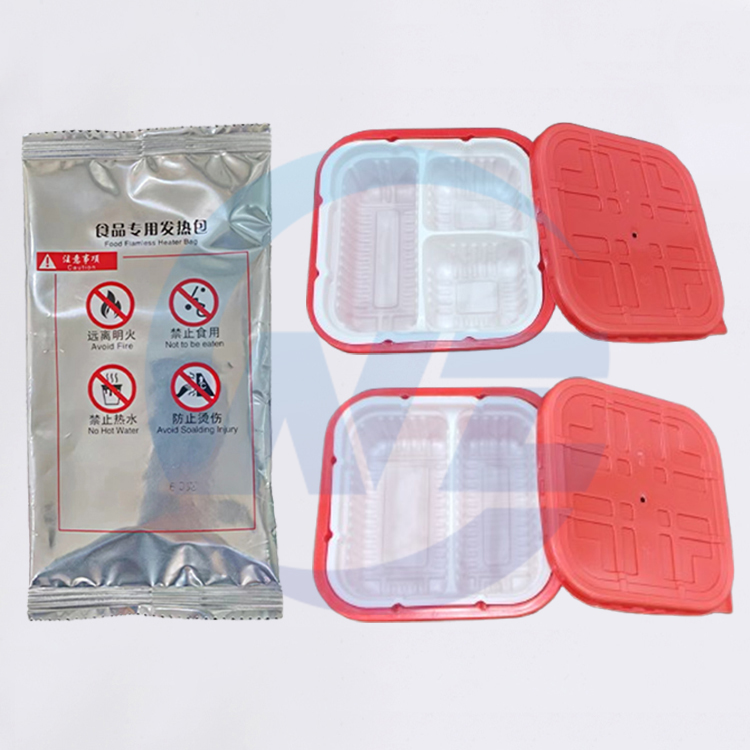
Self heating bags for food represent a leap forward in on-the-go dining technology, allowing users to enjoy a hot meal anytime, anywhere, without the need for a microwave, stove, or boiling water. These innovative bags use a chemical reaction to generate heat, providing a portable solution for camping, travel, and emergency situations. However, as their popularity rises in the convenience food market, a debate has emerged regarding their environmental impact and the cost versus benefit of single-use packaging. Understanding whether these bags are a necessary tool or a wasteful luxury is essential for consumers.
Features of Self Heating Bag for Food
Instant Heating Capability
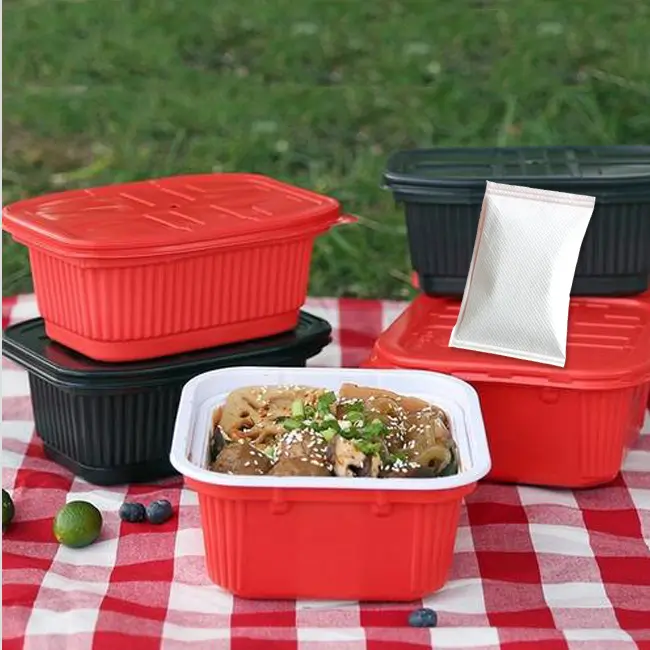
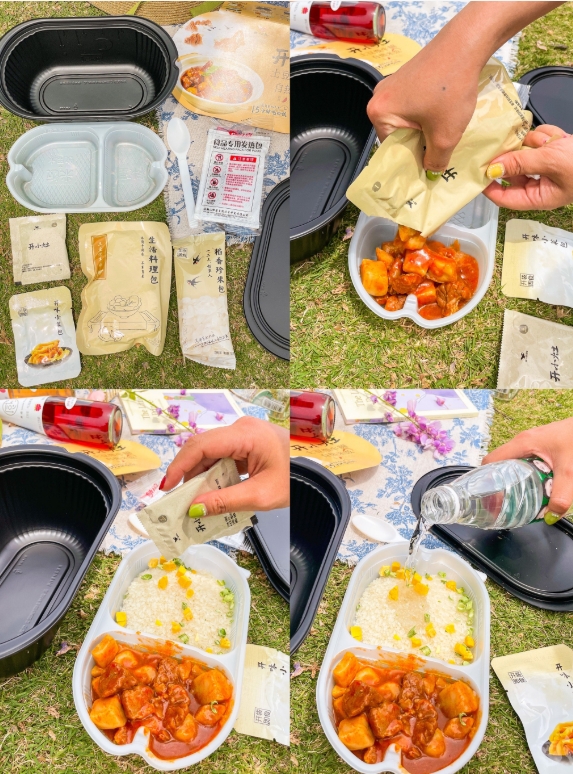
The standout feature of these bags is their ability to heat food from room temperature to steaming hot in a matter of minutes. This is achieved through a simple activation process, usually involving the pressing of a button or the addition of water.
Portability and Ease of Use
Self heating bags are designed to be lightweight and compact. They fit easily into a backpack, purse, or glove compartment, making them perfect for road trips, office lunches, or hiking adventures where carrying cooking gear is impractical.
No External Power Needed
These bags operate independently of electricity or gas. Whether you are in a remote campsite, stuck in traffic, or facing a power outage, a self heating bag ensures you can still enjoy a warm meal.
Flameless Operation
Utilizing exothermic chemical reactions, self heating bags produce heat without an open flame. This makes them safe to use in environments where fires are prohibited or risky, such as inside tents, cars, or office buildings.
How are self heating bags for food made?
The manufacturing process of these bags combines advanced chemical technology with food-safe packaging materials.
Chemical Heating Element Integration
The bottom or side of the bag contains a sealed pouch of heating agents. Common agents include quicklime (calcium oxide), iron powder, or magnesium. When activated, these substances react—often with water or air—to release consistent heat.
Insulation Layer Construction
To ensure the heat is directed inward toward the food and not outward to burn the user’s hands, the bags are constructed with specialized insulation layers. These materials keep the exterior cool to the touch while maintaining high temperatures inside.
Food-Grade Inner Lining
The compartment holding the food is made from food-safe, heat-resistant polymers (often polypropylene) that can withstand high temperatures without leaching chemicals into the meal. This ensures the heating process is hygienic and safe.
Water and Air Tight Sealing
To prevent the food from spoiling and the chemicals from activating prematurely, the bags are sealed hermetically. The packaging ensures the product remains shelf-stable for months until the consumer is ready to use it.
Popular Uses of Self Heating Bag for Food
Outdoor Adventures
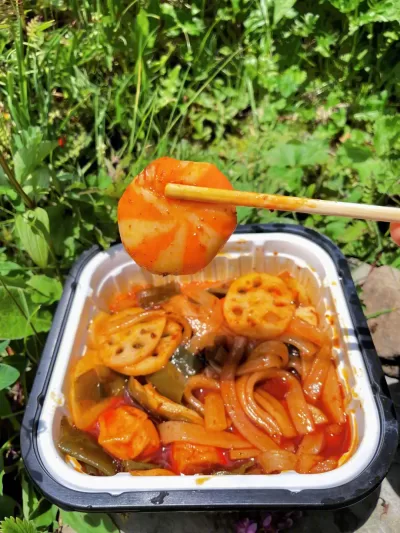
Campers, hikers, and hunters use these bags to enjoy hot meals like soups, curries, or pasta without the hassle of setting up a stove or cleaning pots afterwards.
Emergency and Disaster Relief
In disaster kits, self heating bags are vital. During hurricanes, earthquakes, or power failures, they provide a reliable way to cook food when utilities are completely offline.
Busy Lifestyles and Travel
For truck drivers, office workers, and travelers, these bags offer a healthier alternative to fast food. They allow for a hot, nutritious meal to be prepared simply by tearing open the package.
How to choose a self heating bag for food that suits your needs?
Check Heating Temperature
Look for specifications on how hot the bag can get. A good self heating bag should heat food to at least 140°F (60°C) to ensure it is palatable and safe to eat.
Evaluate Meal Options
Consider the variety of food available in these bags. Some brands offer full meals, while others only offer beverages or simple soups. Choose a product that fits your dietary preferences and appetite.
Assess Activation Simplicity
Ensure the activation method is user-friendly. Whether it is adding water or pressing a button, the process should be straightforward and intuitive, especially if you plan to use it in stressful situations like emergencies.
Review Environmental Claims
Given the controversy surrounding waste, look for brands that use recyclable materials or offer biodegradable packaging options to mitigate the environmental impact.
How to care for a self heating bag for food?
Proper Storage Conditions
Store the bags in a cool, dry place away from direct sunlight. Extreme temperatures can degrade the chemical agents or the food inside, reducing shelf life and heating performance.
Inspect Packaging Before Use
Always check the bag for punctures, swelling, or damage before use. A compromised seal could affect the heating reaction or contaminate the food.
Follow Disposal Instructions
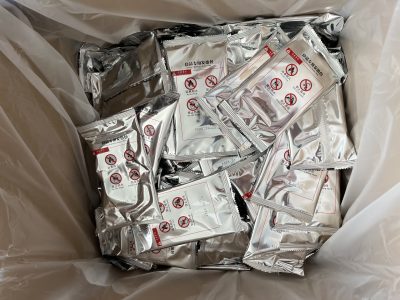
After use, separate the components if possible. Many self heating bags have mixed materials (plastic, chemicals, food residue), so follow local guidelines for disposal. Never reuse a single-use heating bag.
Conclusion
Self heating bags for food offer a fascinating blend of culinary convenience and chemical science. While critics argue about the waste generated by single-use packaging, the undeniable utility of having a hot meal without fuel or electricity makes them a valuable asset in many scenarios. By making informed choices about the brands you use and disposing of them responsibly, you can enjoy the benefits of this technology while minimizing its downsides.
If you think this article is helpful, please contact us. We will give you reasonable and suitable product recommendations based on your current situation. If you are not sure, you can also consult us. We will provide you with professional services to answer your questions. You are welcome to consult us at any time and we welcome all customers to conduct on-site inspections!
STAY IN THE LOOP