by Kevin
Share
by Kevin
Share
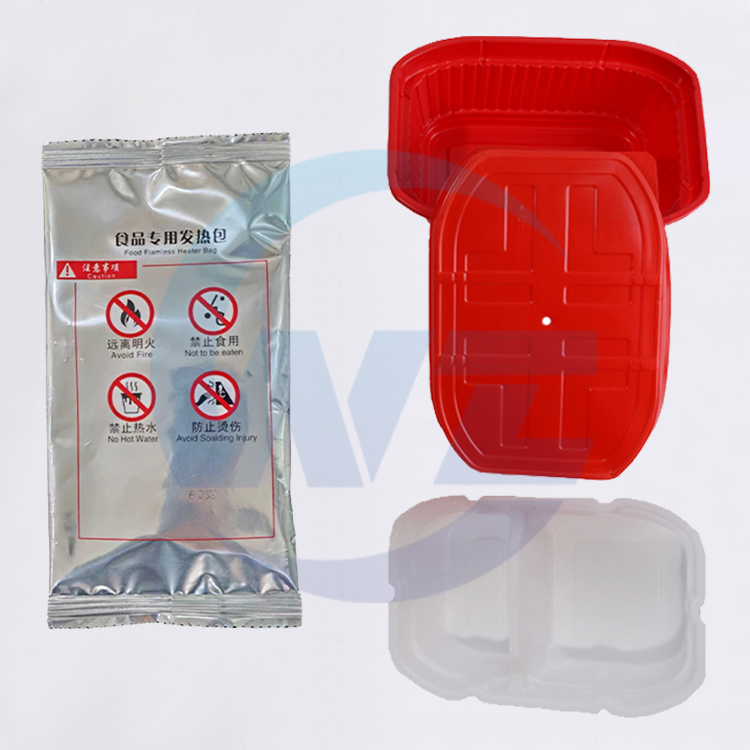
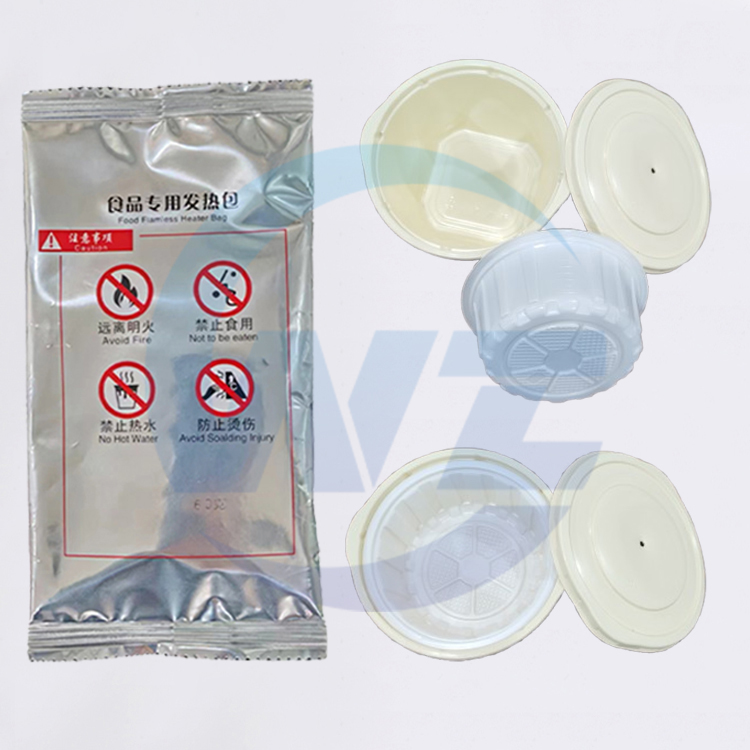
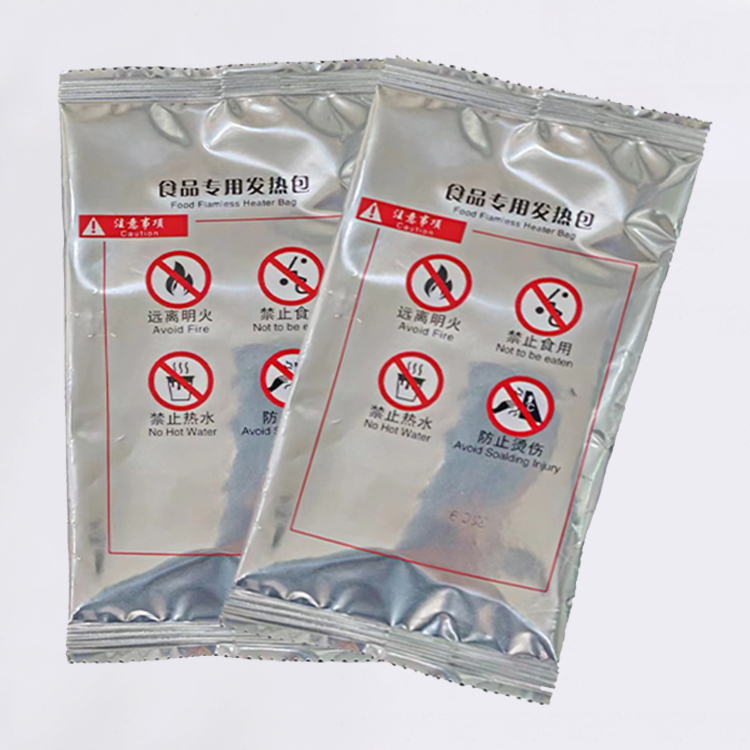
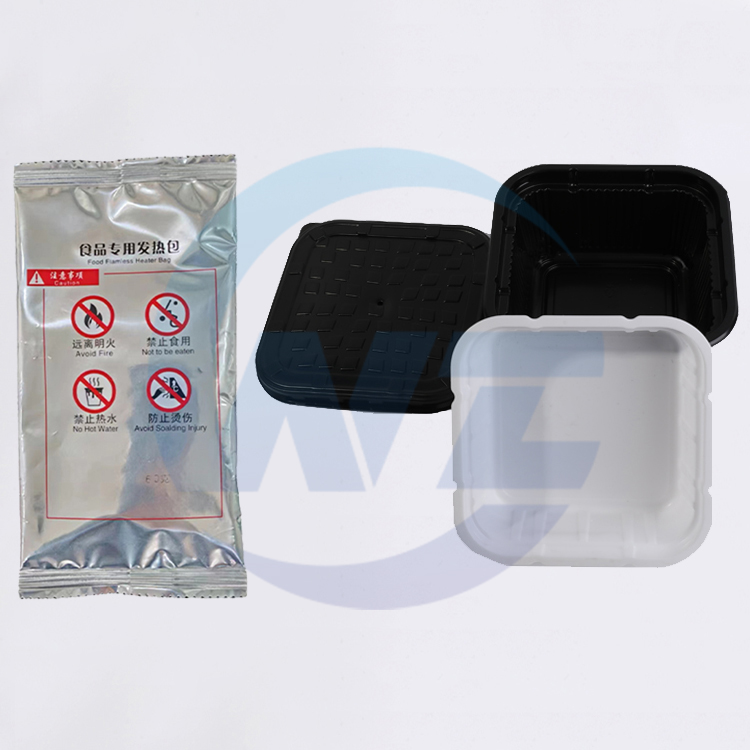
Supplying Flameless Ration Heaters (FRHs) for Arctic research expeditions presents a unique set of challenges that separate standard outdoor gear from life-saving survival equipment. When scientists and explorers are stationed in sub-zero environments, a failed heater is not just an inconvenience—it is a severe safety hazard. A frequent debate among logistics directors is whether off-the-shelf commercial heaters can suffice for polar regions. The reality, proven by countless field tests, is that extreme cold fundamentally alters chemical reactions. Sourcing FRHs for Arctic expeditions requires specialized engineering, from magnesium purity to cold-resistant packaging, ensuring the heat activates when it is needed most.
Features of Arctic-Grade FRHs
Sub-Zero Activation Threshold
Standard FRHs struggle to ignite in freezing temperatures because the chemical reaction slows dramatically. Arctic-grade heaters feature modified salt catalysts and higher magnesium purity that lower the activation energy, ensuring the exothermic reaction initiates even when the heater and water are near freezing.
Extended Thermal Duration
In polar regions, ambient cold rapidly saps heat. Arctic FRHs are formulated with a denser chemical matrix that slows the oxidation process, providing a lower but significantly longer-lasting heat curve—often sustaining warmth for up to 45 minutes to thoroughly heat dense, frozen ration packs.

Cold-Resistant Packaging
Standard polypropylene becomes brittle and shatters in extreme cold. Arctic FRHs utilize specialized polymer blends for their outer bags that retain flexibility and puncture resistance at temperatures as low as -40°C, preventing dangerous tears during gloved handling.
High-Altitude and Low-Pressure Tolerance
Polar expeditions often traverse high-altitude ice caps where atmospheric pressure is reduced. Certified Arctic FRHs are tested to ensure that the hydrogen gas off-gassing remains stable and safe, without causing the packaging to inflate dangerously or burst in low-pressure environments.
How are Arctic-Grade FRHs made?
The manufacturing process for polar-specification heaters requires strict environmental controls and specialized material science.
Custom Chemical Compounding
The process begins with blending premium, high-purity magnesium powder with specialized activating salts. The particle size of the magnesium is strictly controlled; a slightly coarser mesh is often used to prevent the reaction from peaking too quickly and burning out in the cold.

Low-Humidity Mixing and Sealing
The chemical pads are mixed and formed in ultra-low-humidity cleanrooms to prevent any premature oxidation. They are then immediately vacuum-sealed using the cold-resistant polymer bags, ensuring zero moisture ingress that could compromise the sub-zero performance.
Extreme Cold Chamber Testing
Unlike standard batches, every production run of Arctic FRHs undergoes rigorous testing in environmental chambers. Heaters are acclimated to -30°C and activated using near-freezing water to map the thermal curve, verifying that they meet the strict temperature and duration requirements before shipping.
Popular Uses of FRHs in Arctic Expeditions
Field Research Camps
Glaciologists and climatologists working miles from their base camps rely on Arctic FRHs to heat their daily meals. The extended heating duration ensures that frozen ration pouches are fully thawed and heated, providing essential calories and morale in the field.
Emergency Bivouac Scenarios
When whiteouts or equipment failures force researchers to take shelter unexpectedly, FRHs become critical survival tools. They provide a flameless, safe heat source inside snow shelters or tents, helping to prevent hypothermia without the risk of carbon monoxide poisoning.
Equipment and Battery Thawing
Beyond heating food, scientists use the radiant heat from Arctic FRHs to thaw frozen communication equipment, drone batteries, and scientific instruments that refuse to operate in the extreme cold, keeping crucial data collection running.
How to choose an FRH supplier for polar expeditions?
Demand verified cold-weather data
Do not accept room-temperature spec sheets. Ask the supplier for verified thermal curve charts generated from tests conducted at -20°C or -30°C. If they cannot provide cold-chamber data, their product is not fit for polar use.
Evaluate packaging durability
Request samples and freeze them. Test the bags for brittleness and evaluate how easily they can be opened and manipulated while wearing thick expedition gloves. If the bag shatters or is impossible to open, it will fail in the field.

Safety and gas management first
Choose a supplier who thoroughly understands hydrogen gas dynamics in low-pressure, confined environments like polar tents. Ensure their heaters feature engineered micro-ventilation that prevents dangerous gas accumulation.
How to care for Arctic FRH inventory?
Proper storage before deployment
Store FRHs in a dry, cool place away from direct sunlight and moisture before they are deployed to the field. Ensuring the vacuum seal remains intact during warehouse storage guarantees the chemical potency is preserved for the expedition.
Follow instructions for use
Read the instructions carefully before use. In extreme cold, activation technique matters deeply. Users must ensure they use the correct amount of liquid, seal the bag immediately, and insulate the heater (e.g., placing it inside a jacket or sleeping bag) to trap the heat and prevent the reaction from being choked by the ambient cold.
Conclusion
Supplying Flameless Ration Heaters for Arctic research expeditions is a high-stakes logistical challenge where cutting corners can endanger lives. Standard heaters simply cannot withstand the chemical suppression of sub-zero temperatures or the physical brittleness induced by the cold. By demanding verified cold-chamber performance, specialized packaging, and safe gas management, procurement teams can ensure their scientists have the reliable heat they need to conduct vital research safely. Always partner with a manufacturer who proves their performance in the cold, rather than just claiming it.
If you think this article is helpful, please contact us. We will give you reasonable and suitable product recommendations based on your current situation. If you are not sure, you can also consult us. We will provide you with professional services to answer your questions. You are welcome to consult us at any time and we welcome all customers to conduct on-site inspections!
FAQ’s
Why do standard flameless heaters fail in Arctic temperatures?
Standard FRHs rely on a salt-water catalyst to strip the oxide layer from magnesium, initiating the reaction. In sub-zero temperatures, this chemical reaction slows down drastically, and standard formulations simply cannot generate enough initial energy to overcome the ambient cold, resulting in a weak or failed activation.
What is the lowest temperature at which an Arctic-grade FRH can activate?
High-quality Arctic-grade FRHs are specifically formulated with advanced catalysts and high-purity magnesium to activate reliably in temperatures as low as -30°C (-22°F), provided the activation water is kept as liquid and the heater is insulated immediately after activation.
How do researchers prevent the activation water from freezing before use?
Expedition teams typically store their water bottles inside their jackets or sleeping bags to utilize body heat, keeping the water liquid. In emergencies, small amounts of snow can be melted against the skin or using a small initial heat source to provide the liquid needed to start the FRH.
Does the packaging of an Arctic FRH differ from standard heaters?
Yes. Standard polypropylene becomes brittle and shatters like glass at -20°C. Arctic FRHs use specialized cold-resistant polymer blends that retain their flexibility and tensile strength in deep freeze, ensuring the bag does not rip open when handled with heavy gloves.
Is it safe to use flameless heaters inside a polar tent or snow shelter?
Yes, FRHs are flameless and produce no carbon monoxide, making them vastly safer than combustible fuels inside enclosed spaces. However, the magnesium reaction does produce hydrogen gas. Arctic FRHs are designed with controlled gas venting, but users must still ensure the tent or shelter has minimal ventilation to prevent gas buildup.
How should FRHs be insulated during use in extreme cold?
Because the ambient air rapidly saps heat, the activated FRH and food pouch should be placed inside an insulated jacket, a sleeping bag, or a dedicated insulated pouch. This traps the exothermic heat, forcing it into the food ration rather than escaping into the freezing air, and prevents the reaction from stalling.
What quality control data should buyers request for polar-specification FRHs?
Buyers must demand Thermal Curve Test Reports generated from environmental chambers set to -20°C or -30°C. This data proves the heater’s peak temperature and sustained duration under realistic Arctic conditions, replacing unreliable room-temperature spec sheets.
STAY IN THE LOOP