by Kevin
Share
by Kevin
Share
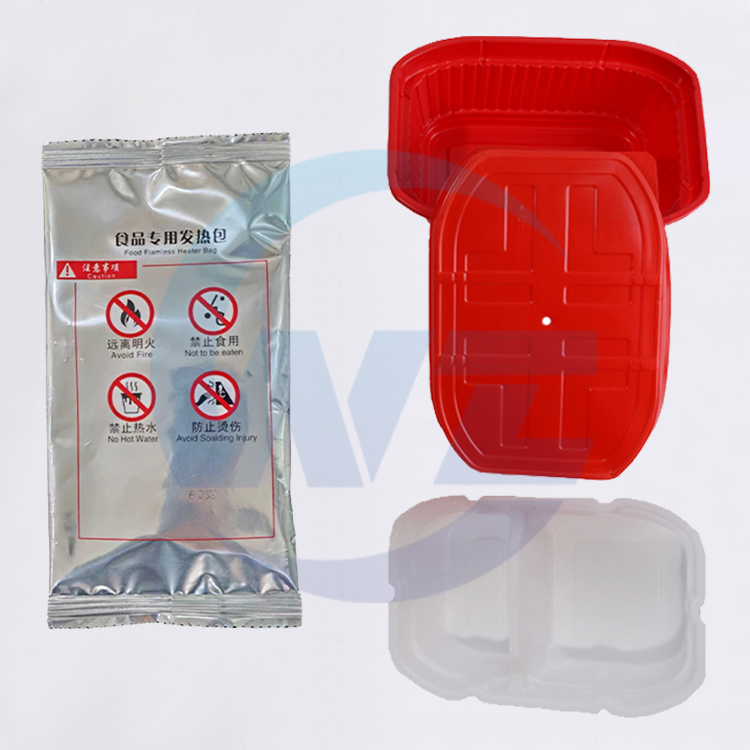
Water activated flameless ration heaters have transformed the way we consume food in the field, offering the luxury of a hot meal without the burden of carrying fuel canisters or stoves. By simply utilizing water to trigger a chemical reaction, these heaters provide an essential heat source for soldiers, hikers, and survivalists. However, as their use becomes more widespread in civilian markets, discussions have emerged regarding the safety of the hydrogen gas they produce and their environmental footprint. Evaluating both their revolutionary convenience and potential risks is crucial for any user.
Features of Water Activated Flameless Ration Heater
Instant Water Activation
The defining feature of these heaters is their reliance on water as the catalyst. Whether it is from a canteen, a river, or melted snow, adding water immediately initiates the heating process, making them versatile in any environment.
Flameless and Smoke-Free
By using an exothermic chemical reaction rather than combustion, these heaters produce no flame and no smoke. This eliminates the risk of starting wildfires and allows for stealth cooking, which is vital for military operations and camping in fire-restricted zones.
Lightweight and Portable
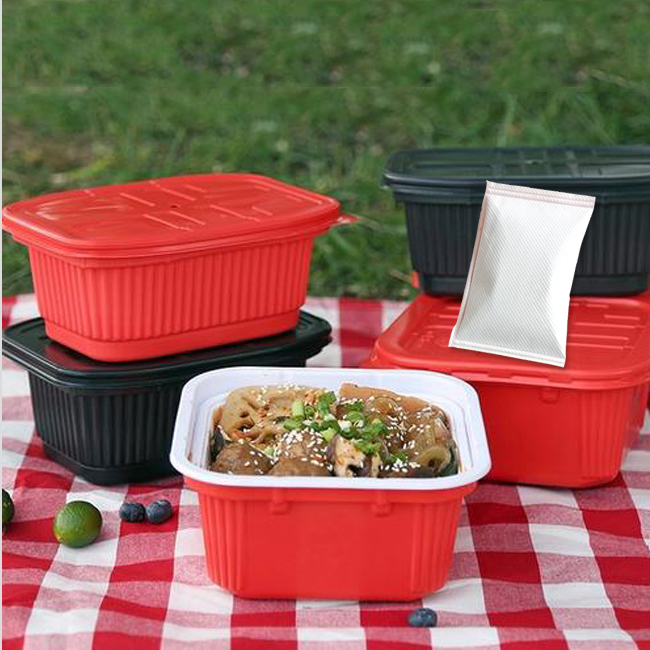
Unlike traditional camping stoves that require liquid fuel or gas canisters, water activated heaters are incredibly light and flat. They take up minimal space in a backpack, making them an ideal choice for weight-conscious travelers and preppers.
Consistent Heat Output
These heaters are designed to reach and maintain a specific temperature range, typically heating a meal pouch to approximately 140°F (60°C) within 10 to 15 minutes, ensuring food is safely and evenly heated.
How are water activated flameless ration heaters made?
The manufacturing process is a precise blend of chemistry and material science to ensure safety and effectiveness.
Magnesium and Iron Blend
The core “fuel” consists of a fine mixture of magnesium powder and iron powder. The magnesium serves as the active metal that oxidizes to release heat, while the iron helps control the reaction rate and ensures it doesn’t happen too violently.
Electrolyte Addition
Salt (usually sodium chloride) is added to the powder mixture. When water is added, the salt dissolves to create an electrolyte solution, which significantly accelerates the electrochemical reaction between the magnesium and the water.
Pad Construction
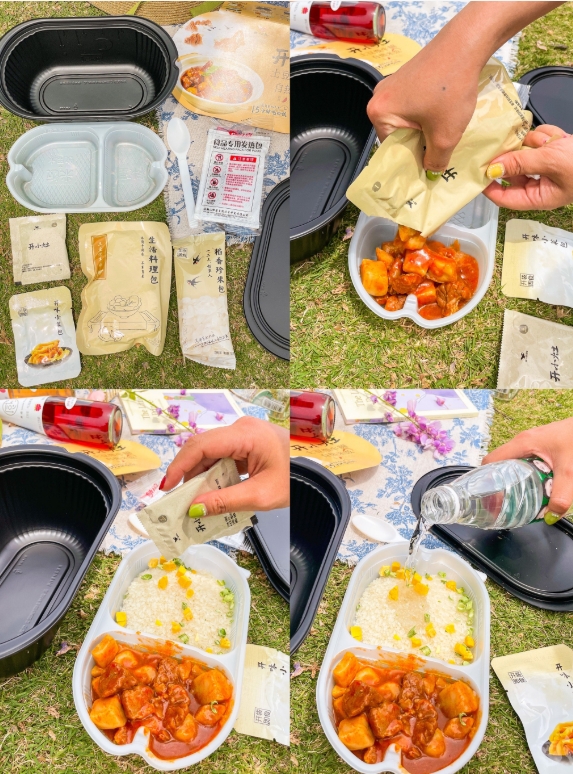
The chemical mixture is embedded into a porous pad made of non-woven fabric and paper. This substrate holds the powder in place and allows the water (and electrolytes) to flow evenly throughout the heater, preventing hot spots.
Moisture-Barrier Packaging
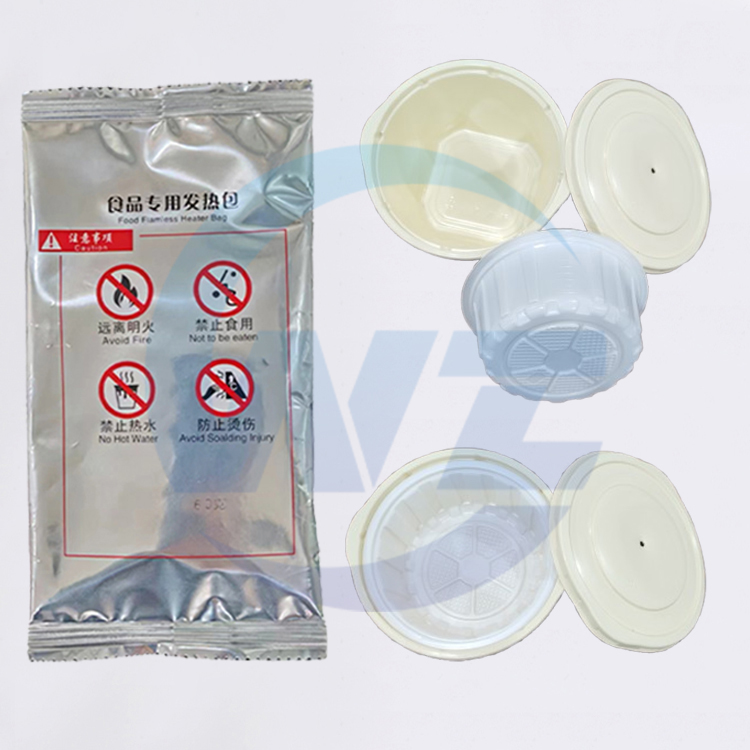
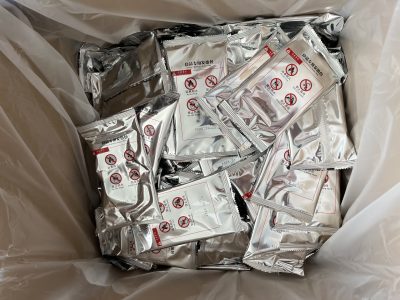
Because the heater is activated by water, it is vacuum-sealed in a high-barrier foil pouch. This packaging is critical to prevent ambient humidity from triggering the reaction during storage, ensuring a long shelf life.
Popular Uses of Water Activated Flameless Ration Heater
Military Field Feeding
The primary application is in military rations (MREs). Soldiers use these heaters to enjoy warm meals in the field, which is critical for maintaining morale and energy levels during extended operations.
Outdoor Recreation
Hikers, backpackers, and hunters use these heaters as a lightweight backup or primary cooking method. They are particularly useful in high-altitude environments where traditional stoves may struggle or where carrying fuel is impractical.
Emergency and Disaster Relief
In emergency preparedness kits, these heaters are invaluable. During power outages or natural disasters where gas and electricity are unavailable, they provide a safe way to heat food and sterilize water.
How to choose a water activated flameless ration heater that suits your needs?
Check Activation Speed
Not all heaters react at the same speed. Look for products that specify a rapid activation time (usually within 5-10 seconds of adding water) to ensure you won’t be left waiting in the cold.
Verify Compatibility
Ensure the heater size matches the food pouches you intend to use. Standard individual heaters are designed for single-serve entrees, while larger sizes are available for group rations or bulkier meals.
Review Safety Ratings
Choose brands that adhere to strict safety standards. Check if the product has been tested for thermal stability to ensure it won’t overheat or rupture during use.
Shelf Life Considerations
Since these are chemical products, their effectiveness diminishes over time. Check the manufacturing date or expiration date to guarantee the chemicals are still potent, especially for long-term storage.
How to use a water activated flameless ration heater safely?
Manage Ventilation
The chemical reaction releases hydrogen gas as a byproduct. While the amount is small, hydrogen is flammable. Always use the heater in a well-ventilated area or tilt the bag to allow gas to escape, preventing pressure buildup.
Protect from Skin Contact
The heater pad becomes extremely hot during the reaction. Never place the heater directly against your skin. Always use the cardboard sleeve or a cloth barrier when handling the heating bag.
Follow Water Instructions
Using too little water may stop the reaction prematurely, while too much water can cause the bag to leak or dilute the heat. Follow the manufacturer’s instructions regarding the precise amount of water required.
Disposal of Chemicals
After use, the heater contains magnesium hydroxide and salt. Allow the pouch to cool completely before disposing of it. Pack out your trash and do not leave the spent chemicals in the wilderness, as they can alter the soil chemistry.
Conclusion
Water activated flameless ration heaters offer a sophisticated solution to the age-old problem of cooking in the wild. While the debate over their chemical composition and hydrogen gas safety continues, their utility in providing hot food without fire is undeniable. By understanding the mechanics behind the technology and adhering to strict safety guidelines, users can enjoy the benefits of this innovation while minimizing the risks.
If you think this article is helpful, please contact us. We will give you reasonable and suitable product recommendations based on your current situation. If you are not sure, you can also consult us. We will provide you with professional services to answer your questions. You are welcome to consult us at any time and we welcome all customers to conduct on-site inspections!
STAY IN THE LOOP