by Kevin
Share
by Kevin
Share
Emergency Field Rations are specialized food products designed to sustain individuals in survival situations where normal food sources are unavailable. Originally developed for military use, these rations prioritize longevity and caloric density over culinary delight, providing essential energy in compact forms. While they are undeniably life-saving tools, a discussion persists among survivalists: are these rations truly vital survival gear, or are they simply overpriced calorie bombs with little nutritional value?
Features of Emergency Field Rations
High Caloric Density
The primary feature of field rations is their ability to deliver maximum energy in a minimal volume. Packed with fats and carbohydrates, they are engineered to provide the quick fuel necessary for physical exertion in demanding environments.
Extended Shelf Life
Unlike standard groceries, these rations are processed and packaged to last. With shelf lives often exceeding five years, they are reliable long-term storage items for emergency kits and bunkers, remaining safe to eat even after years of storage.
Durable Packaging
Built for the battlefield or the backcountry, the packaging is resistant to water, punctures, and extreme temperatures. This durability ensures that the food inside remains protected regardless of the harsh conditions it encounters.
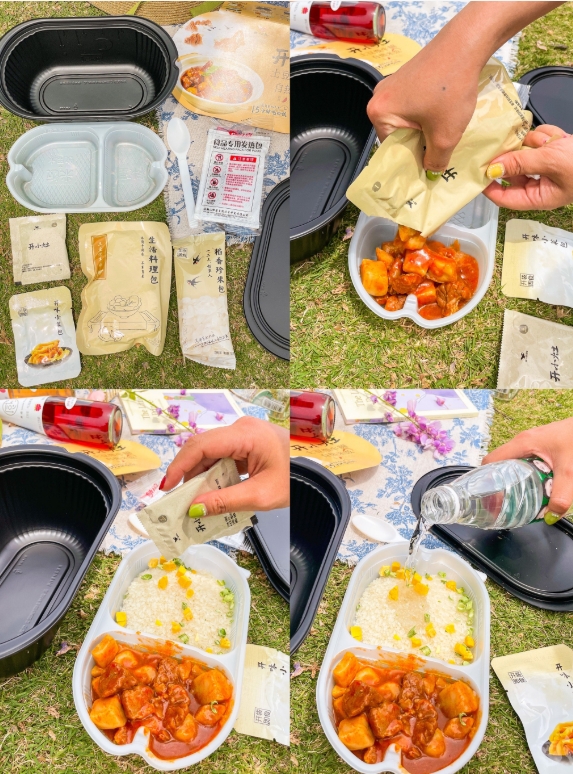
Ready-to-Eat Convenience
Most emergency field rations require no preparation, cooking, or water. This “open and eat” functionality is crucial when time, resources, or safety prevent the lighting of a fire or the boiling of water.
How are Emergency Field Rations made?
The manufacturing process is strictly controlled to ensure safety and longevity.
Ingredient Processing
Ingredients are selected for stability and energy content. They undergo processes like freeze-drying, compression, or high-temperature baking to reduce moisture content, which is the primary driver of food spoilage.
Formulation and Blending
The components are precisely blended to meet specific nutritional profiles. Vitamins and minerals are often added to ensure the consumer receives balanced nutrition, preventing deficiencies during extended use.
Protective Packaging
The food is sealed in high-barrier pouches or cans, often in a low-oxygen environment or with nitrogen flushing. This removes the oxygen that allows bacteria and mold to grow, effectively pausing the aging process of the food.
Popular Uses of Emergency Field Rations
Military Operations
Soldiers in the field rely on these rations as their primary food source when resupply is not possible. The compact design allows them to carry days’ worth of food without being weighed down.
Disaster Preparedness
Governments and humanitarian organizations stockpile these rations to distribute during natural disasters like earthquakes and hurricanes. They provide immediate relief to populations cut off from supply chains.
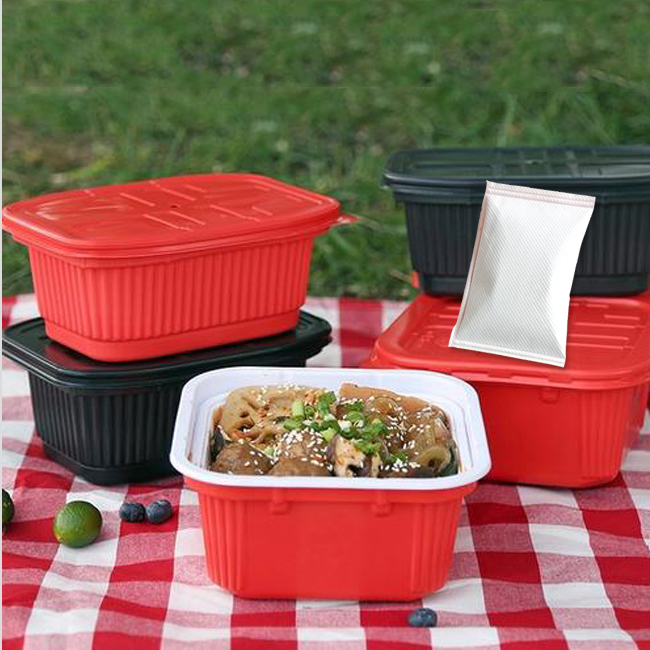
Outdoor Survival Kits
Hikers, pilots, and adventurers carry emergency field rations as a safety net. In the event of getting lost or stranded, these rations provide the energy needed to survive until rescue.
How to choose Emergency Field Rations that suit your needs?
Check Nutritional Balance
Avoid rations that are purely sugar. Look for options that include proteins, fats, and essential vitamins to sustain energy levels and cognitive function over several days.
Evaluate Shelf Life
Choose products with a verified shelf life that matches your preparedness goals. If you plan to store them for a decade, look for professionally sealed military-grade options rather than commercial snack bars.
Consider Taste and Variety
While nutrition is the priority, palatability matters. In stressful situations, eating food you enjoy can boost morale. Select variety packs to prevent menu fatigue.
How to care for Emergency Field Rations?
Climate-Controlled Storage
Store rations in a cool, dry place away from direct sunlight. Heat accelerates the degradation of both the food and the packaging, significantly shortening the shelf life.
Regular Rotation
Implement a rotation system. Even though they last for years, it is good practice to inspect and consume stock near its expiration date, replacing it with fresh supplies.
Inspect for Damage
Periodically check packaging for punctures, rust (on cans), or swelling. Any compromise in the packaging seal means the food is no longer safe to eat.
Conclusion
Emergency Field Rations are a cornerstone of preparedness, offering a reliable lifeline when survival is on the line. While they may not replace a home-cooked meal, their ability to deliver essential nutrition in the harshest conditions makes them an indispensable asset. By choosing quality products and storing them correctly, you can ensure that you are ready for whatever challenges the future holds.
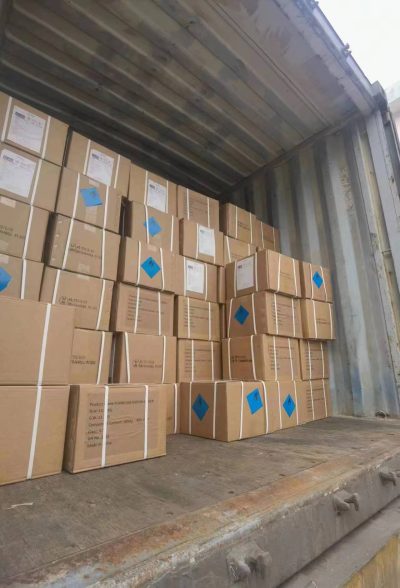
If you think this article is helpful, please contact us. We will give you reasonable and suitable product recommendations based on your current situation. If you are not sure, you can also consult us. We will provide you with professional services to answer your questions. You are welcome to consult us at any time and we welcome all customers to conduct on-site inspections!
FAQ’s
1.What is the melting point of polypropylene?
Polypropylene has a melting temperature range of about 160°C and 170°C (320°F to 338°F), depending on the relative crystallinity of the material.
2.How does crystallinity affect polypropylene’s melting temperature?
It partly determines the melting temperature as well. If the degree of crystallinity is raised the melt temperature will also be high because the polymer chains are closely aligned.
3.Can additives alter the melting point of polypropylene?
The melting point of this material, however, will decrease depending on some sources. For instance, plasticizers decrease the degree of crystalline structure, decreasing the melting point, while other would increase thermal stability of the material.
4.What is the significance of polypropylene’s melting temperature in injection molding processes?
When it comes to rapid injection molding the melting point is central in providing processing temperatures. Temperature refers with the operation condition that has significant impact on the flow, mold filling and the part produced.
5.How does molecular weight influence the melting temperature of polypropylene?
The higher the molecular weight of the polypropylene the higher is the melting point of the polymer. Polymer formation involves an increase in size of the material molecules and this implies that it is thermally stable and its melting point is high.
6.What are the recommended processing temperatures for polypropylene in industrial applications?
The temperature used in injection molding normally ranges from 180°C to 240°C (356°F to 464°F) for polypropylene depending with the grade used for processing.
7.What are the Applications of Polypropylene Relative to Melting Temperature?
Polypropylene used in automotive parts, packaging, and textiles, in which the melting point for application by injection molding and extrusion is of value. This is suitable for use in systems that need thermal barrier and material internal movement.
STAY IN THE LOOP