by Kevin
Share
by Kevin
Share
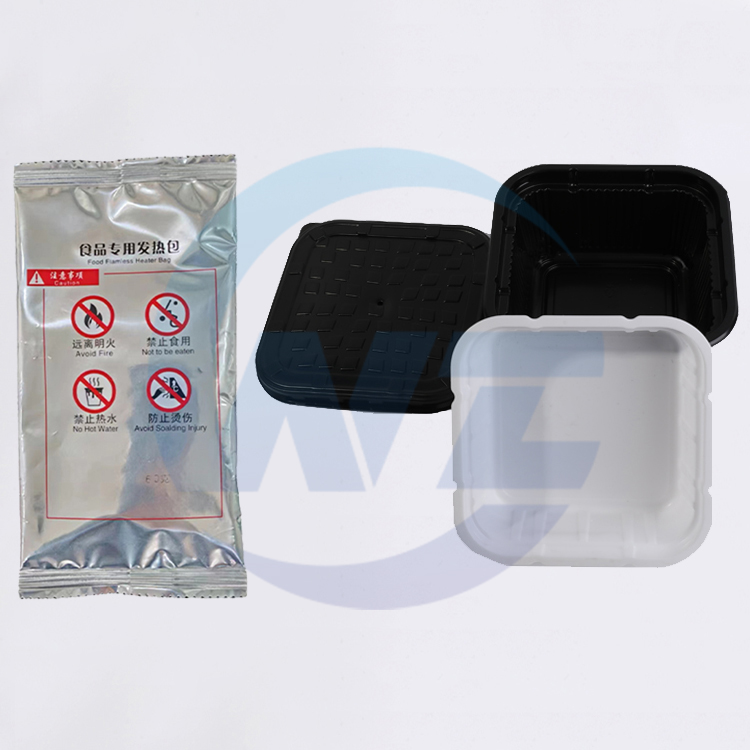
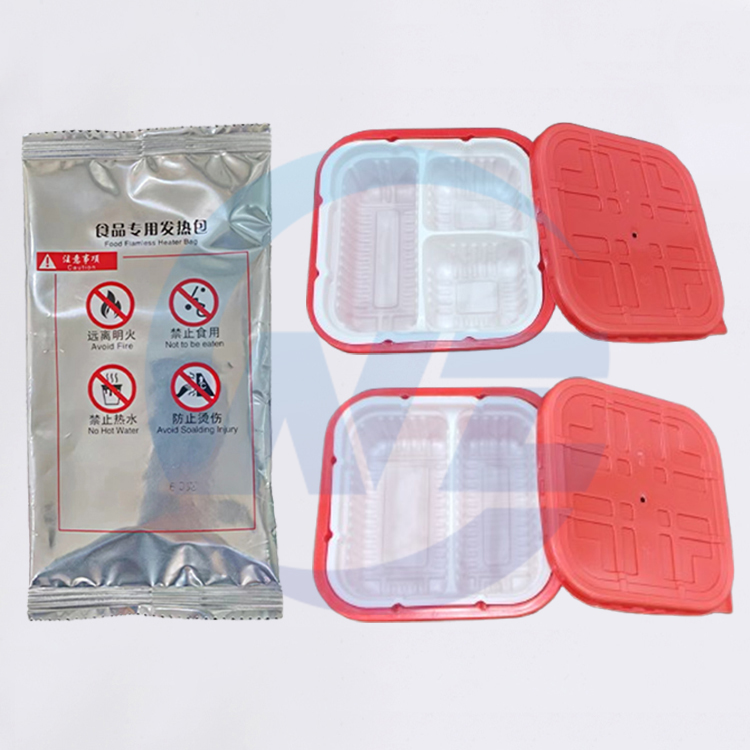
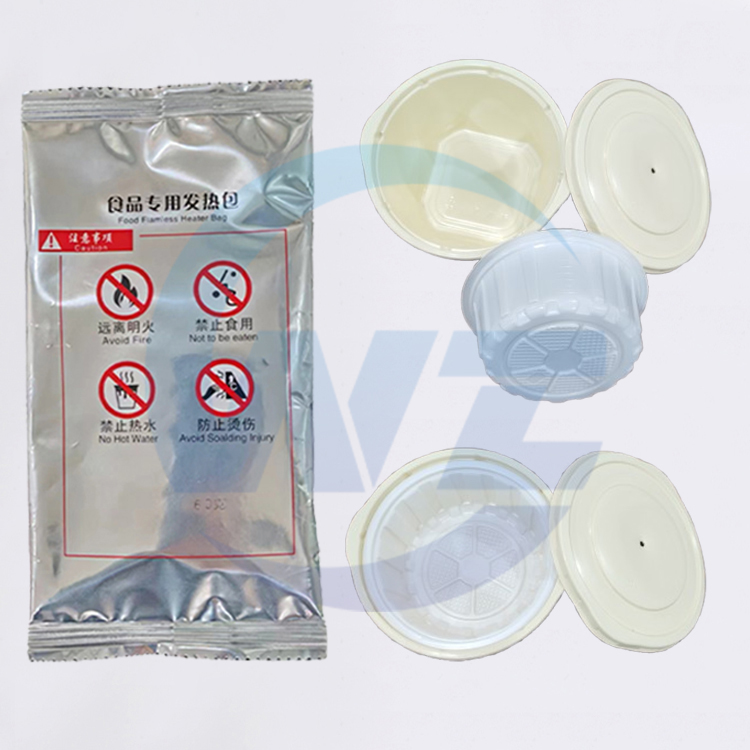
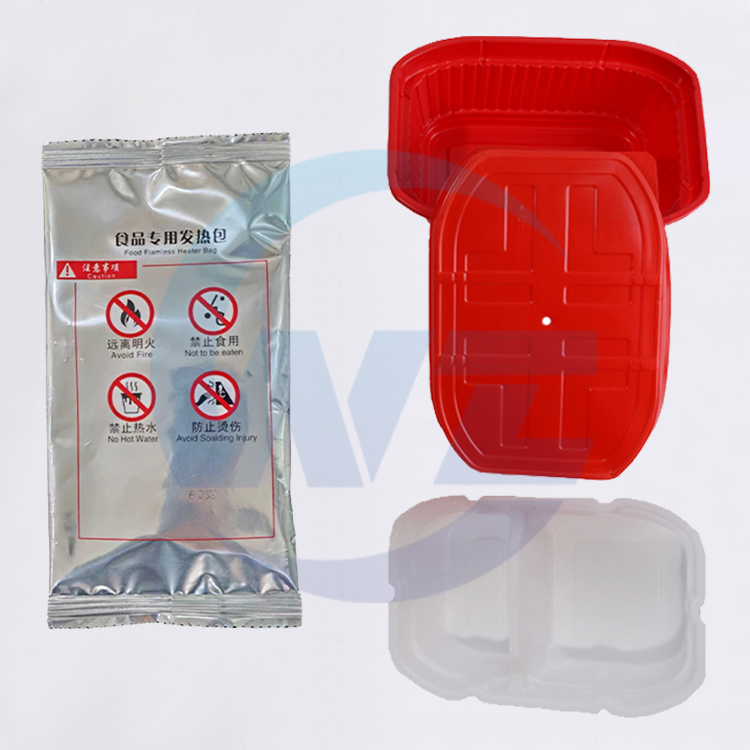
Emergency food heating bags are specialized, self-contained pouches designed to heat meals without the need for external fuel sources, fire, or electricity. Often utilized by the military, outdoor enthusiasts, and emergency preppers, these bags use chemical reactions to generate the heat required to warm pre-packaged food, ensuring a hot meal even in the most austere environments. While they are celebrated for their undeniable convenience during power outages or camping trips, a growing debate questions whether their disposable nature makes them a smart survival tool or just another contributor to the global single-use plastic problem.
Features of Emergency Food Heating Bags
Flameless Heating Capability
The most prominent feature of these heating bags is their ability to generate heat without an open flame. This makes them safe to use indoors, in tents, or in vehicles where traditional cooking methods might pose a fire hazard or carbon monoxide risk.
Quick and Efficient
Time is critical in emergencies. These bags are engineered to reach high temperatures rapidly, often heating a meal to a palatable temperature within 10 to 15 minutes, providing quick comfort when you need it most.
Portability and Compact Design
Designed with mobility in mind, emergency food heating bags are lightweight and flat. They take up minimal space in a backpack or emergency kit, making them an ideal solution for bug-out bags or remote travel where weight is a concern.
No Utility Dependence
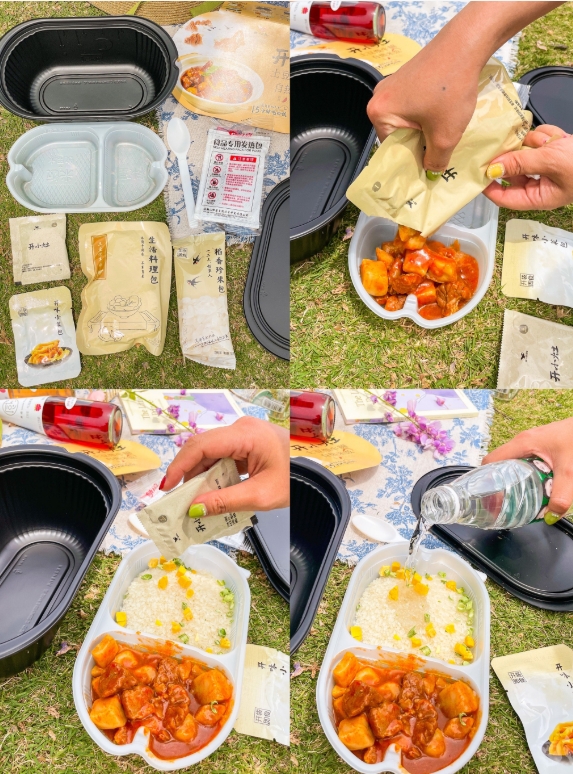
These bags function entirely off-grid. They do not require electricity, gas lines, or batteries. As long as you have a small amount of water to activate the heater, you can have a hot meal regardless of the state of local infrastructure.
How are emergency food heating bags made?
The manufacturing process combines food-safe packaging technology with precise chemical engineering.
Chemical Mixing
The core of the bag is the heating element. Manufacturers blend reactive materials, typically magnesium dust and iron powder, along with salt. This mixture is formulated to react exothermically when exposed to water.
Pad Formation and Insertion
The chemical mixture is placed into a porous, non-woven pad that allows water to flow through it. This pad is then inserted into a robust outer bag made from high-barrier, heat-resistant materials that can withstand the heat of the reaction without melting.
Sealing and Quality Control
The bags are sealed tightly to prevent any premature activation from humidity. Rigorous quality control measures are implemented to ensure the chemical ratio is correct and that the seals are watertight, guaranteeing the product’s shelf life.
Final Assembly
In some systems, the heating bag is sold separately to be used with standard retort pouches, while in others, the heating element is integrated directly into a complete meal kit. Both methods ensure the user has everything needed for a hot meal.
Popular Uses of Emergency Food Heating Bags
Disaster Preparedness
During natural disasters like hurricanes, earthquakes, or blizzards, power grids often fail. These heating bags allow families to eat hot food from their emergency stockpiles, boosting morale and calorie intake during stressful times.
Military and Tactical Operations
Soldiers in the field rely on these bags (often part of MREs) for hot meals without revealing their position with fire. The “no signature” heating method is crucial for stealth and safety in combat zones.
Outdoor Adventure and Travel
For hikers on long trails or campers in areas with fire bans, these bags provide a hassle-free way to enjoy a hot dinner without carrying heavy stoves or gathering firewood.
How to choose emergency food heating bags that suit your needs?
Compatibility Check
Ensure the heating bag is large enough to accommodate the food pouches you intend to heat. Some bags are designed for specific meal sizes, and using a bag that is too small may result in uneven heating.
Shelf Life Verification
Check the expiration date. While the heater itself can last for years, it is best to choose products with a long remaining shelf life to ensure the chemical reaction will be strong when you eventually need to use it.
Assess Reaction Speed
Different brands use different chemical formulas. Some heat up fast and cool down quickly, while others provide a slower, sustained heat. Choose based on whether you prioritize speed or thorough heating.
Eco-Conscious Options
Some manufacturers are now producing bags with reduced plastic content or recyclable outer shells. If environmental impact is a concern, look for brands that prioritize sustainable materials in their heating systems.
Conclusion
Emergency food heating bags serve a vital role in modern preparedness, offering a reliable method to secure a hot meal when traditional cooking is impossible. While the environmental concerns regarding their disposable nature are valid and worth discussing, their utility in life-saving scenarios provides a compelling counter-argument. By selecting the right product and storing it properly, you ensure that you are ready for any situation, balancing convenience with preparedness.
If you think this article is helpful, please contact us. We will give you reasonable and suitable product recommendations based on your current situation. If you are not sure, you can also consult us. We will provide you with professional services to answer your questions. You are welcome to consult us at any time and we welcome all customers to conduct on-site inspections!
STAY IN THE LOOP