by Kevin
Share
by Kevin
Share
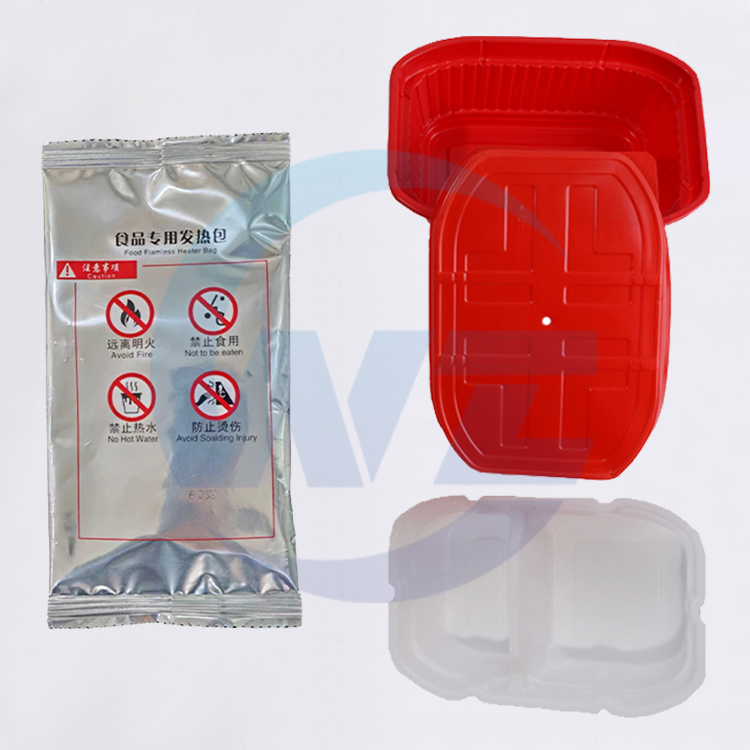
Emergency Hot Food Kits are comprehensive solutions designed to provide not just nutrition, but the comfort of a hot meal during power outages, natural disasters, or unexpected survival scenarios. Unlike standard food storage that may require a functioning kitchen, these kits integrate self-heating technology, ensuring that users can enjoy a warm entree without the need for electricity, gas, or an open fire. While their utility in a crisis is undeniable, a common debate among preppers and consumers is whether these all-in-one kits represent essential disaster readiness or if they are simply repackaged, expensive versions of standard military MREs (Meals Ready-to-Eat).
Features of Emergency Hot Food Kits
Self-Contained Heating System
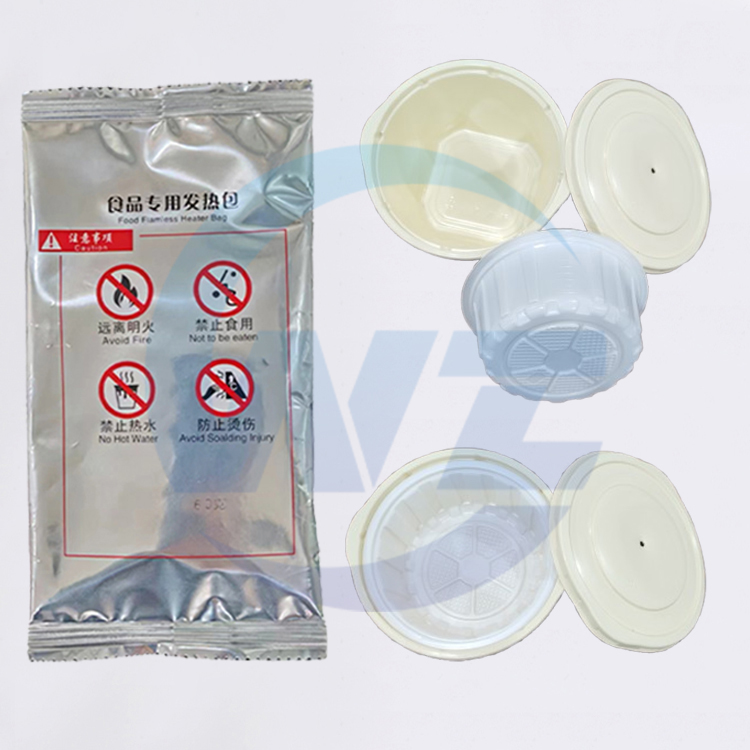
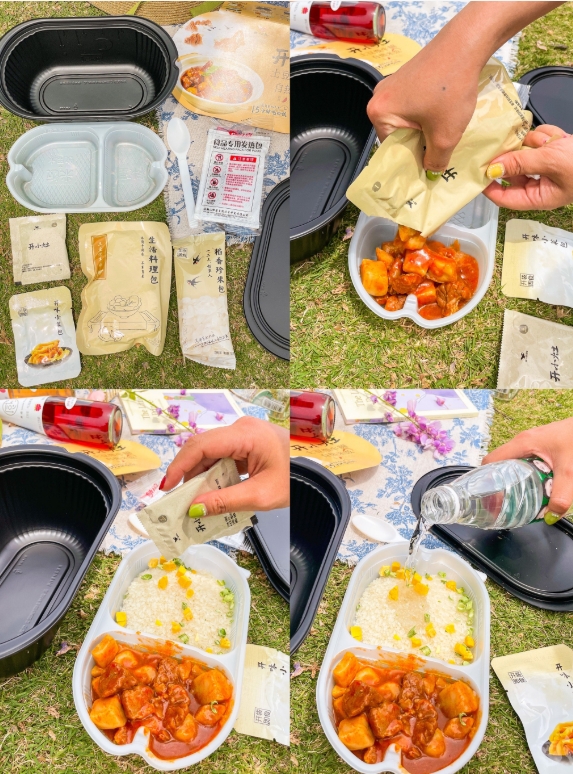
The defining feature of these kits is the inclusion of a flameless ration heater. This allows users to heat their food using a simple chemical reaction, usually activated by a small amount of water, providing a hot meal even in the most primitive conditions.
Complete Meal Configuration
These kits are designed as “meal in a bag” solutions. They typically include a main entree, a side dish, a snack or dessert, a beverage mix, and often an accessory pack containing a spoon, napkin, and condiments, ensuring a satisfying and complete dining experience.
Extended Shelf Life
Built for long-term storage, Emergency Hot Food Kits utilize advanced retort packaging and seal technology. This ensures the food remains safe and palatable for years, often ranging from 3 to 5 years or more depending on storage conditions, making them a reliable “set it and forget it” option.
Morale Boosting Comfort
In stressful emergency situations, a hot meal is more than just calories; it is a psychological boost. The warmth and familiar taste of a heated entree can significantly improve morale and mental resilience during a crisis.
How are Emergency Hot Food Kits made?
The production of these kits combines culinary preparation, sophisticated packaging, and careful assembly.
Food Preparation and Retort Processing
The food components are first cooked and then sealed in high-barrier, flexible pouches. These pouches undergo a retort sterilization process involving high heat and pressure, which kills bacteria and creates a shelf-stable product without the need for refrigeration.
Heater Manufacturing
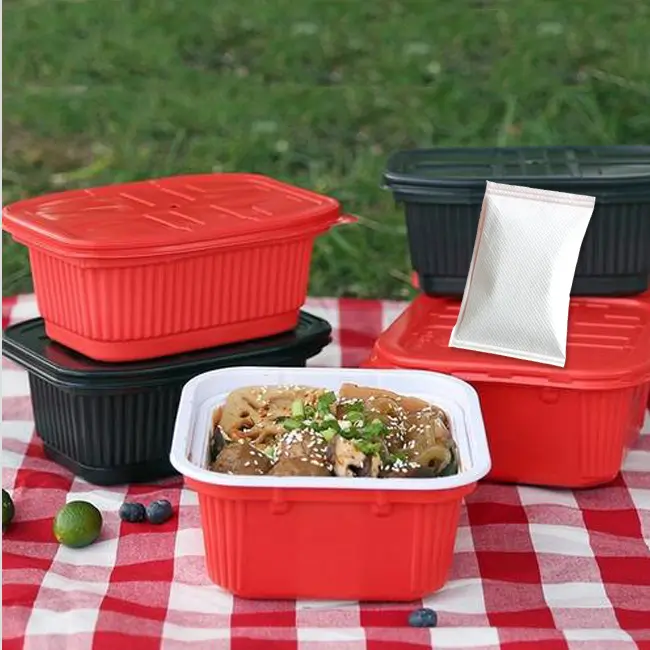
The flameless heaters are manufactured separately using a mixture of magnesium dust, iron powder, and salt. These chemicals are sealed into a porous pad that generates intense heat when exposed to water.
Kit Assembly and Packaging
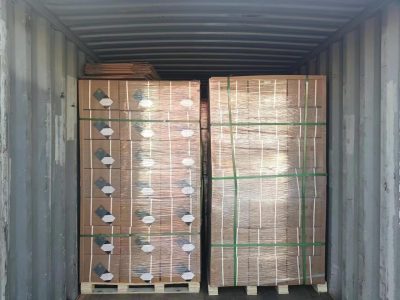
In a controlled environment, the food pouches, heaters, and accessories are assembled into a rugged outer bag or box. This outer packaging is designed to protect the contents from physical damage and environmental factors like moisture and light.
Quality Assurance
Each kit undergoes rigorous testing to ensure seal integrity and heater performance. Random samples are often checked to verify that the chemical heaters react correctly and that the food maintains its safety standards over time.
Popular Uses of Emergency Hot Food Kits
Disaster Preparedness
The primary use for these kits is in home emergency supplies. When earthquakes, hurricanes, or winter storms knock out power for days, these kits provide a safe way to heat food without risking carbon monoxide poisoning from indoor grill usage.
Search and Rescue Operations
Teams often carry these kits to sustain themselves during extended missions in remote areas. The quick heating time and compact nature allow rescuers to eat on the go without setting up camp.
Humanitarian Aid
In the wake of large-scale disasters, governments and NGOs distribute these kits to displaced populations. They are ideal for refugee camps or situations where cooking infrastructure has been destroyed.
How to choose Emergency Hot Food Kits that suit your needs?
Evaluate Caloric Content
Check the nutritional label to ensure the kit provides enough calories for your needs. Active adults may require higher calorie counts, whereas a standard kit might suffice for sedentary periods during a shelter-in-place scenario.
Menu Variety
Eating the same meal repeatedly can lead to “food fatigue.” Look for kits that offer a variety of menu options, such as pasta, rice dishes, and stews, to ensure you actually want to eat the food you have stored.
Check for Heater Inclusion
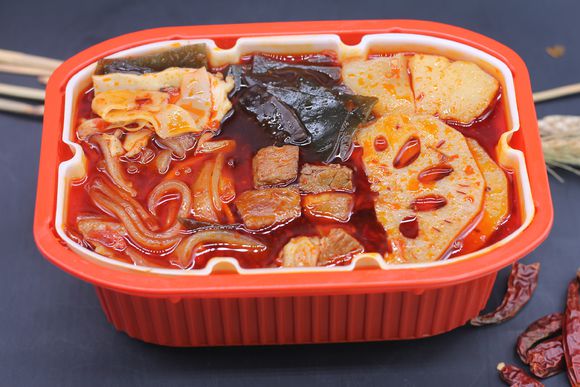
Some emergency food supplies are sold as just food pouches. Verify that the product specifically mentions “self-heating” or “includes heater” to ensure you are buying a complete hot food solution.
Storage Constraints
Consider the size and shape of the packaging. Kits that stack easily are better for closet storage, while vacuum-sealed bricks might fit better in tight spaces like car trunks or bug-out bags.
How to care for Emergency Hot Food Kits?
Temperature Control
Store the kits in the coolest part of your home. Heat is the enemy of shelf life. Avoid storing them in attics or garages where temperatures fluctuate wildly, as this can spoil the food and degrade the chemical heater.
Rotation Strategy
Implement a “First-In, First-Out” rotation system. While the shelf life is long, it is wise to consume kits near their expiration date during camping trips and replace them with fresh stock.
Protect from Pests
The outer packaging is durable but not immune to rodents. Store your kits in plastic totes or heavy-duty bins to prevent pests from chewing through the bags and ruining your emergency supply.
Conclusion
Emergency Hot Food Kits bridge the gap between survival nutrition and the human need for a hot meal. While the cost per meal may be higher than basic canned goods or dry goods, the convenience of a self-heating, pre-packaged system offers peace of mind that is hard to put a price on. By choosing the right variety and storing them correctly, you can ensure that you are ready to face any emergency with confidence and comfort.
If you think this article is helpful, please contact us. We will give you reasonable and suitable product recommendations based on your current situation. If you are not sure, you can also consult us. We will provide you with professional services to answer your questions. You are welcome to consult us at any time and we welcome all customers to conduct on-site inspections!
STAY IN THE LOOP