by Kevin
Share
by Kevin
Share
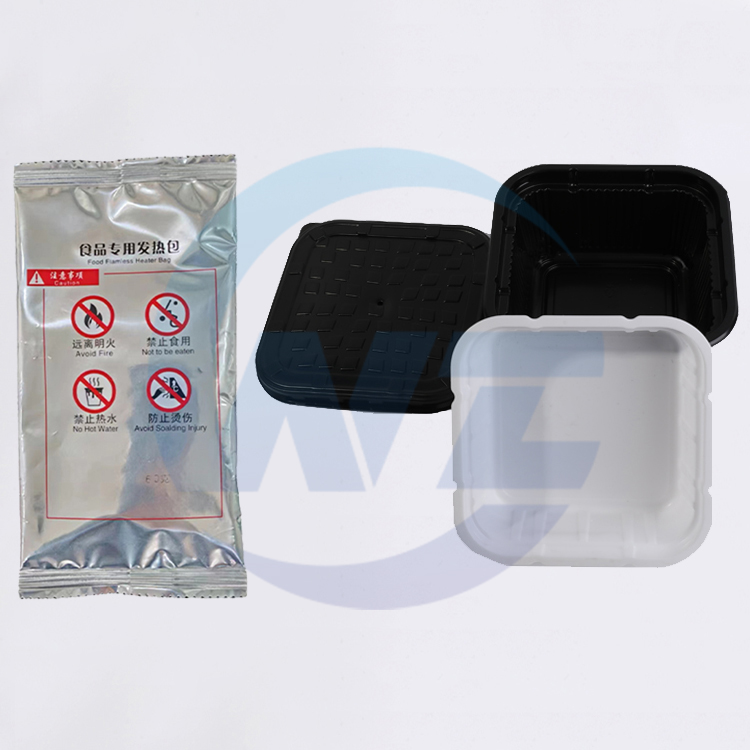
Instant Emergency Rations are compact, ready-to-eat food units specifically designed to sustain life in survival situations where cooking is not an option. Unlike traditional camping meals or canned goods, these rations prioritize caloric density and longevity, often compressed into dense blocks or bars. While they are a staple in lifeboats and bug-out bags, a common debate arises regarding their utility: are these rations truly essential survival gear for serious preparedness, or are they simply overpriced snacks marketed with a fear-based premium?
Features of Instant Emergency Rations
Ready-to-Eat Convenience
The defining feature of instant rations is that they require no preparation, cooking, or water. They are designed for immediate consumption straight from the package, which is critical when water is scarce or time is of the essence.
Long Shelf Life
These products are engineered for durability. Using advanced preservation techniques, instant rations can remain safe and palatable for 5 to 25 years, making them a reliable “set it and forget it” component of emergency storage.
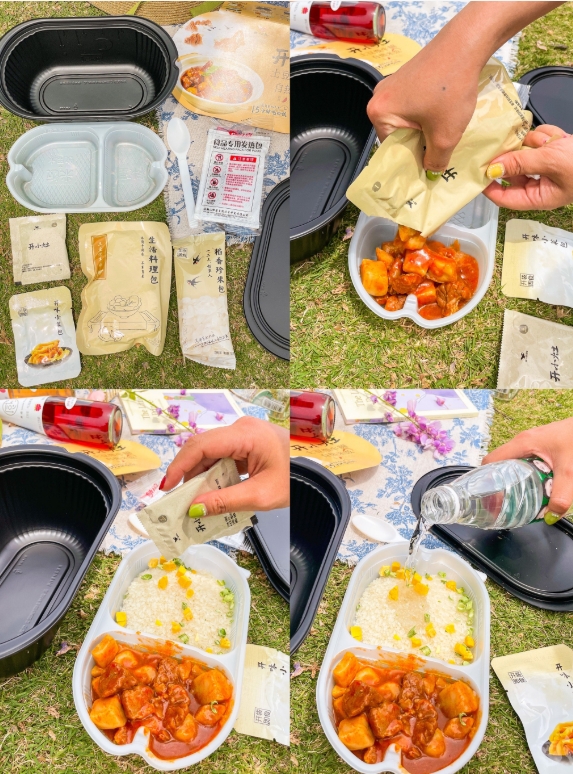
High Caloric Density
To minimize weight and space, these rations are extremely calorie-dense. A small bar can contain enough calories to sustain an average adult for a day, ensuring that a survival kit remains lightweight while meeting nutritional needs.
Durability and Compactness
Packaging is robust and resistant to temperature extremes and physical crushing. Their compact shape allows them to fit easily into glove boxes, life vests, or backpack pockets without taking up valuable space.
How are Instant Emergency Rations made?
The manufacturing process focuses on removing moisture and locking in nutrition.
Ingredient Blending
Dry ingredients such as wheat flour, sugar, vegetable fats, and protein powders are blended with essential vitamins and minerals. The mixture is formulated to bind together without the need for water.
Compression and Baking
The mixture is processed under high pressure and often heat-treated to create solid, dense blocks. This process destroys potential pathogens and creates a dry environment that inhibits bacterial growth.
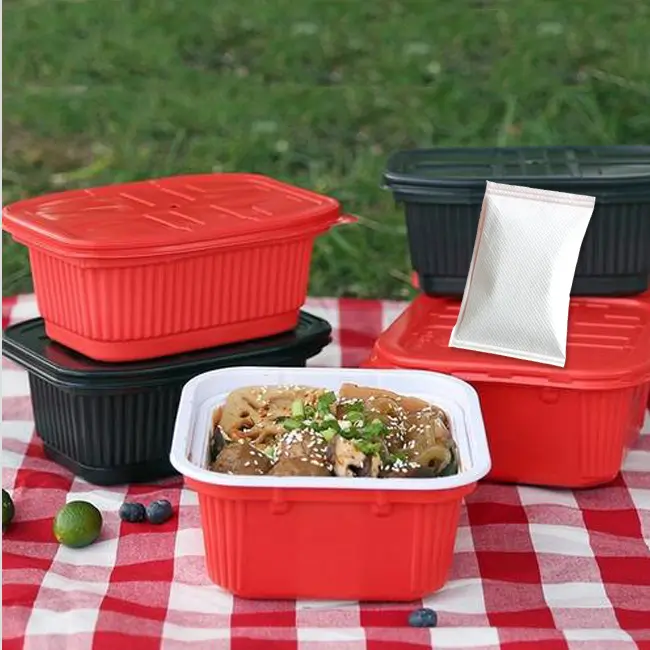
Vacuum Sealing
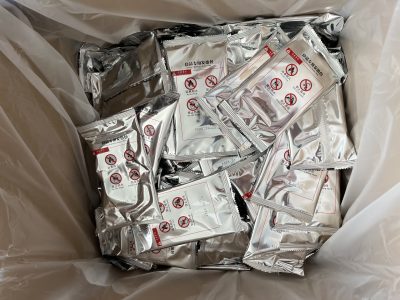
The finished blocks are immediately sealed in high-barrier, air-tight packaging, often metalized foil. This step removes oxygen, which is the primary cause of food spoilage and rancidity.
Protective Outer Shell
Many rations are then placed inside a tough outer wrapper or container. This ensures the inner seal is protected from punctures, ensuring the food remains safe until the moment it is needed.
Popular Uses of Instant Emergency Rations
Marine and Aviation Safety
Due to their resistance to water damage and compact size, these rations are mandatory in lifeboats and aircraft survival kits. They provide the only source of nutrition for survivors awaiting rescue.
Disaster Preparedness Kits
In homes and offices, instant rations serve as a backup food source during earthquakes, hurricanes, or power outages. They bridge the gap until emergency services arrive or utilities are restored.
Bug-Out Bags and Hiking
Outdoor enthusiasts and preppers carry these rations as an emergency “last resort.” They act as an insurance policy against getting lost or stranded, providing energy without the weight of full meals.
How to choose Instant Emergency Rations that suit your needs?
Check Caloric Value
Determine your caloric needs based on your activity level. Ensure the ration pack provides at least 1,200 to 2,400 calories per day per person to maintain basic bodily functions.
Verify Shelf Life and Date
Look for the manufacture date and guaranteed shelf life. Some rations last 5 years, while specialized ones can last decades. Choose according to how often you plan to rotate your stock.
Taste and Palatability
While survival isn’t a gourmet experience, taste matters. Read reviews to find rations that are palatable, as eating food you dislike during a crisis can negatively affect morale.
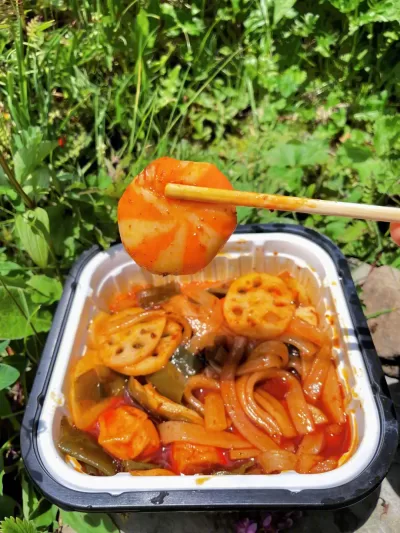
Dietary Requirements
Check for allergens like nuts, gluten, or dairy. Many modern rations are formulated to be allergen-free or kosher to accommodate a wider range of dietary restrictions.
How to care for Instant Emergency Rations?
Temperature Control
Store rations in a cool, dry place. While they are designed to withstand temperature fluctuations, excessive heat will degrade the nutritional value and taste over time.
Inspect Packaging Integrity
Periodically check the packaging for punctures, holes, or bloating. A damaged seal means air has entered, and the food should be discarded and replaced.
Rotation Policy
Even with long shelf lives, it is good practice to inspect your rations every few years. Consuming them near their expiration date during a camping trip and replacing them ensures your supply is always fresh.
Conclusion
Instant Emergency Rations provide a pragmatic solution to the most basic survival need: energy. While they may not replace the comfort of a hot meal, their ability to provide life-sustaining nutrition in a compact, durable format makes them indispensable. By choosing quality products and storing them correctly, you ensure that you are prepared for the unexpected, regardless of the situation.
If you think this article is helpful, please contact us. We will give you reasonable and suitable product recommendations based on your current situation. If you are not sure, you can also consult us. We will provide you with professional services to answer your questions. You are welcome to consult us at any time and we welcome all customers to conduct on-site inspections!
STAY IN THE LOOP