by Kevin
Share
by Kevin
Share
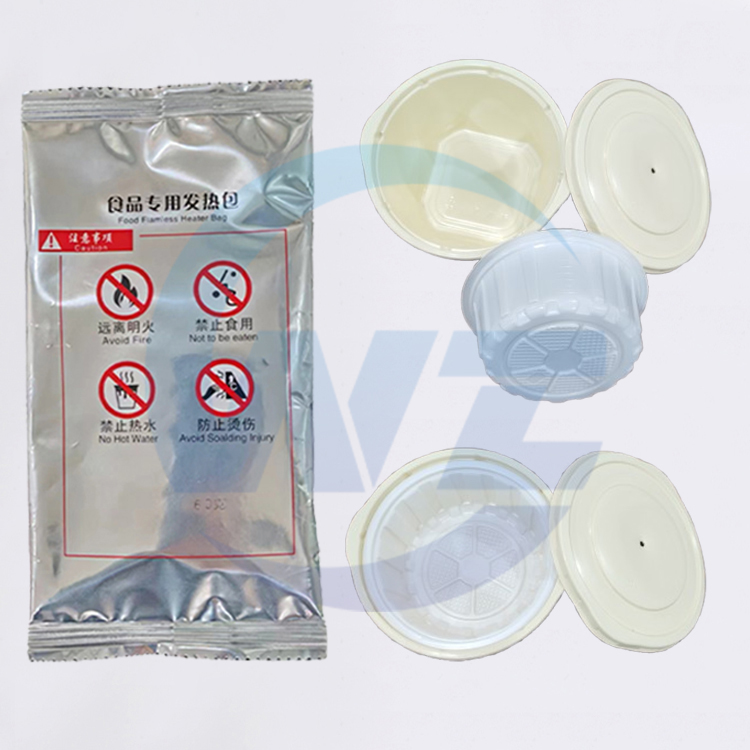
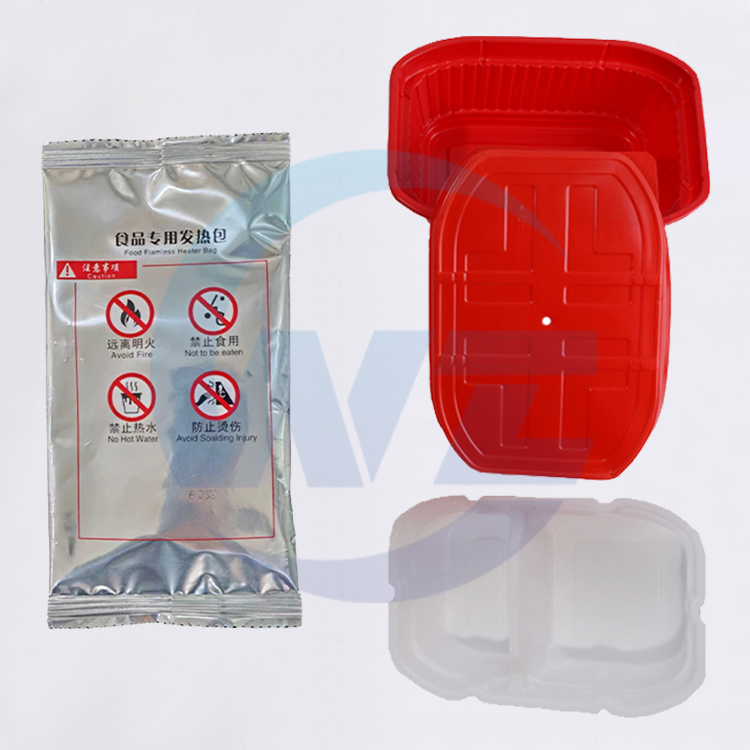
MRE heater packs, officially known as Flameless Ration Heaters (FRH), are the ingenious component that allows Meals Ready-to-Eat to be consumed hot without the need for fire, stoves, or electricity. These compact pouches utilize a simple chemical reaction to generate intense heat, warming the food pouch in a matter of minutes. They are a staple for military personnel and a popular addition to civilian emergency kits. However, as their popularity grows, so does the debate regarding their environmental impact and utility. Are these packs an essential piece of survival gear that everyone should own, or do they merely contribute to the growing problem of single-use chemical waste?
Features of MRE Heater Packs
Flameless Heating Technology
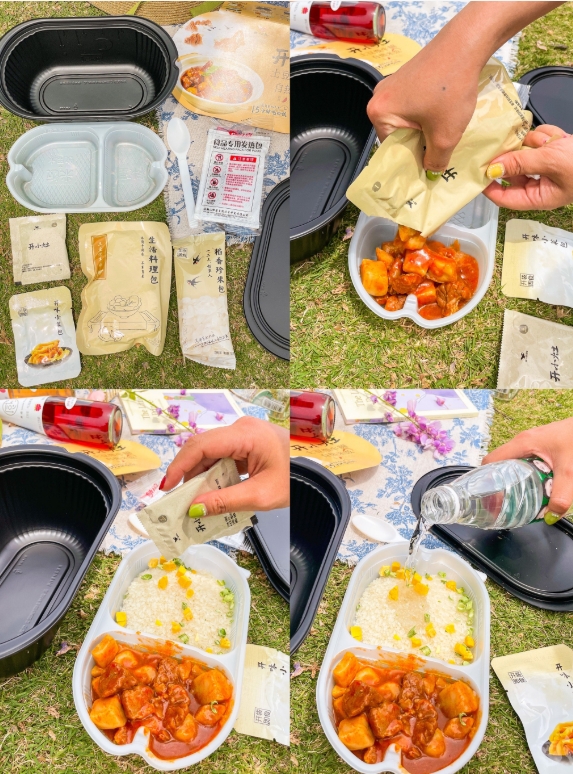
The defining feature of an MRE heater pack is its ability to generate heat without an open flame. By adding water to the pouch, a chemical reaction occurs that produces steam and heat, warming the enclosed food to a safe eating temperature.
High-Speed Activation
Unlike traditional cooking methods that require time to build a fire or boil water, MRE heater packs work almost instantly. Once activated, the heating process begins immediately, typically reaching peak temperature within 10 to 15 minutes.
Lightweight and Portable
These heater packs are incredibly thin and lightweight, adding negligible weight to a backpack or emergency kit. Their flat profile allows them to be stored easily alongside food rations without taking up valuable space.
Reliable in All Conditions
Whether you are in a freezing trench, a wet forest, or indoors during a power outage, these heaters perform reliably. They are impervious to wind and altitude, making them a dependable heat source in environments where fires are impractical.
How are MRE Heater Packs made?
The manufacturing process of MRE heater packs is centered around chemical engineering and safe packaging.
Material Preparation
The core of the heater is a mixture of food-grade magnesium powder, iron powder, and salt. These elements are chosen for their reactivity and ability to produce a sustained exothermic reaction when exposed to water.
Fabric Pad Assembly
The chemical mixture is poured into a pad made from a porous, non-woven fabric, often resembling a small felt pad. This fabric helps hold the powder together and allows water to flow evenly through the mixture for a consistent reaction.
Packaging and Sealing
The pad is then sealed inside a special plastic or paper pouch that is designed to be water-resistant and durable. The packaging is treated with a food-grade coating to ensure that no harmful chemicals leach out during the heating process.
Quality Control
To ensure safety and performance, batches are tested for reactivity levels. The packaging is also inspected to prevent premature activation from moisture or humidity during shipping and storage.
Popular Uses of MRE Heater Packs
Military Field Use
The primary use of these heater packs is by the military. Soldiers rely on them to get a hot meal in the field, where the signature of a fire could give away their position or where fuel sources are scarce.
Emergency Preparedness
Civilians stock MRE heater packs in bug-out bags and home emergency kits. During natural disasters like hurricanes or blizzards, when the power grid goes down, these packs provide a crucial way to sterilize water or heat food.

Outdoor Recreation
Campers, hikers, and hunters use MRE heaters to enjoy a hot lunch without the hassle of carrying heavy camping stoves or fuel canisters. They are particularly useful in areas with fire bans.
How to choose MRE Heater Packs that suit your needs?
Check Chemical Composition
Ensure the heater packs are made from food-grade materials. Cheap imitations may use industrial-grade chemicals that can emit unpleasant odors or potentially toxic fumes when activated.
Compatibility with Food Pouches
While most heater packs are standard, verify that the size of the heater matches the size of the food pouch you intend to heat. Smaller heaters may not warm a large entrée adequately.
Packaging Durability
Look for heater packs with robust, puncture-resistant packaging. A torn pouch can lead to spilled magnesium powder or a failed reaction, leaving you with a cold meal.
Shelf Life Considerations
Magnesium can degrade over time if exposed to humidity. Check the manufacturing date or shelf life of the heater packs to ensure they will still be effective when you need them.
How to care for MRE Heater Packs?
Moisture Control
Store heater packs in a cool, dry place. Since they are activated by water, any exposure to high humidity or accidental spills can trigger the reaction prematurely, rendering them useless.
Temperature Management
Extreme heat can degrade the magnesium powder in the pack. Avoid storing them in a car or attic during the summer months; a closet or basement is ideal.
Safe Disposal
After use, the heater packs contain magnesium hydroxide, a benign substance, but the plastic pouch creates waste. Allow the pack to cool completely before disposing of it in accordance with local trash regulations.
Conclusion
MRE heater packs are a remarkable example of practical chemistry, providing a simple solution to the complex problem of hot food in the field. While the debate continues regarding their environmental footprint as a disposable product, their utility in tactical and survival scenarios is unmatched. By understanding how they are made and choosing high-quality packs, you can ensure that you have a reliable way to heat your food when traditional methods fail.
If you think this article is helpful, please contact us. We will give you reasonable and suitable product recommendations based on your current situation. If you are not sure, you can also consult us. We will provide you with professional services to answer your questions. You are welcome to consult us at any time and we welcome all customers to conduct on-site inspections!
STAY IN THE LOOP