by Kevin
Share
by Kevin
Share
MREs (Military Meals Ready to Eat) are self-contained, individual field rations originally developed for the U.S. military. These compact packages provide a complete meal that requires no refrigeration and can be eaten anywhere, offering a vital lifeline in combat and disaster zones. While they are the gold standard for durability and convenience, a debate often arises regarding their suitability for civilians: are MREs truly essential military rations that guarantee survival, or are they overhyped survival food that is too heavy and expensive for the average hiker?
Features of MREs (Military Meals Ready to Eat)
Complete Meal Configuration
Each MRE typically contains an entrée, side dish, dessert, crackers or bread, spread, beverage powder, and an accessory pack with a spoon, napkin, and condiments. This ensures a balanced nutritional intake in a single package.
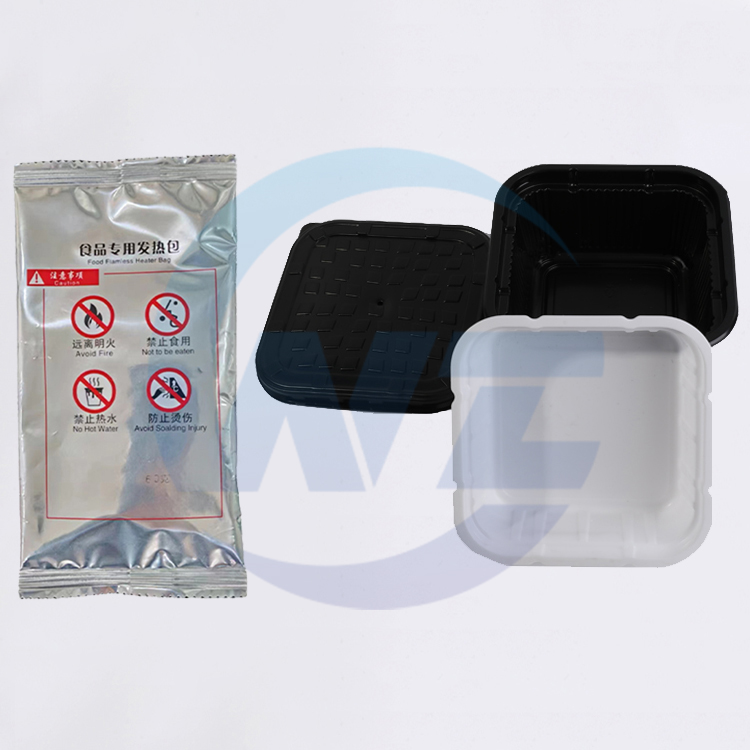
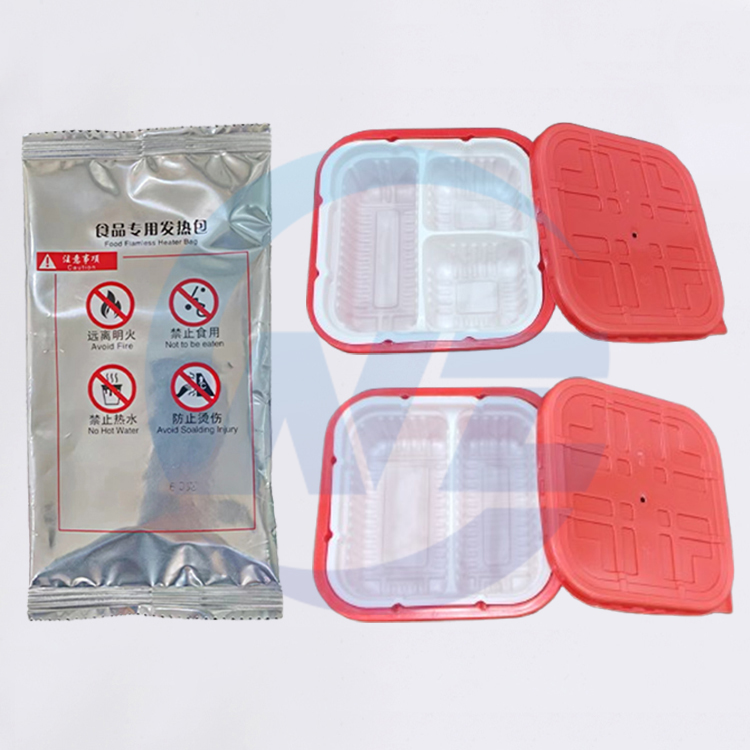
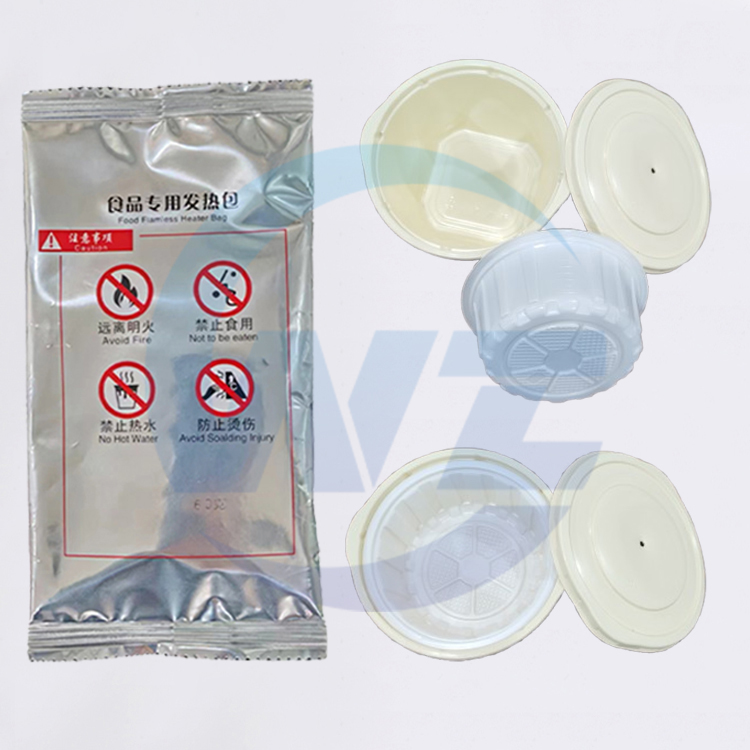
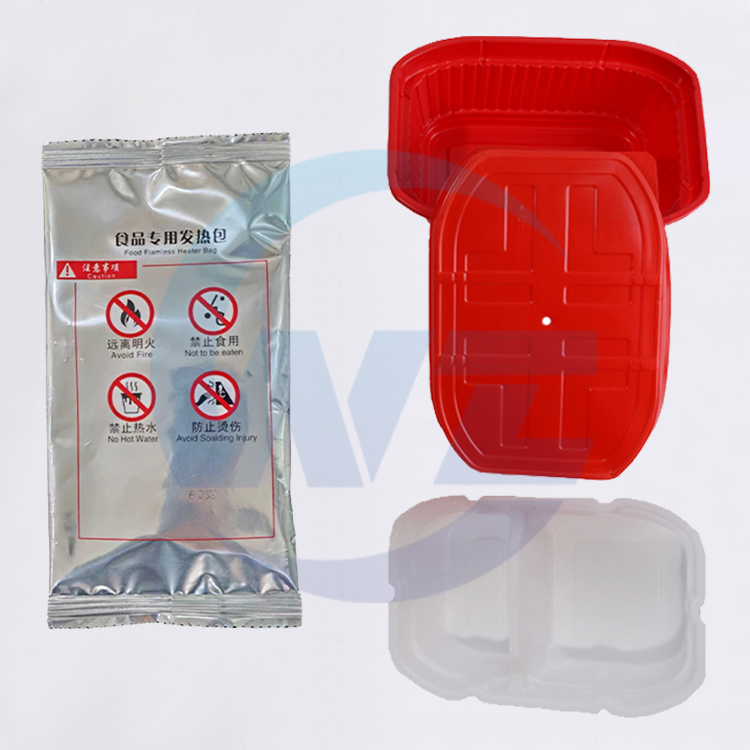
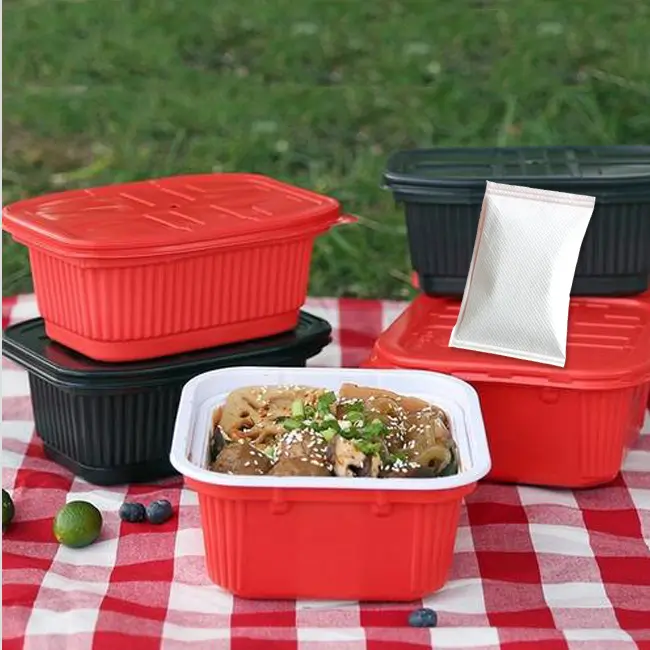
Integrated Flameless Ration Heater
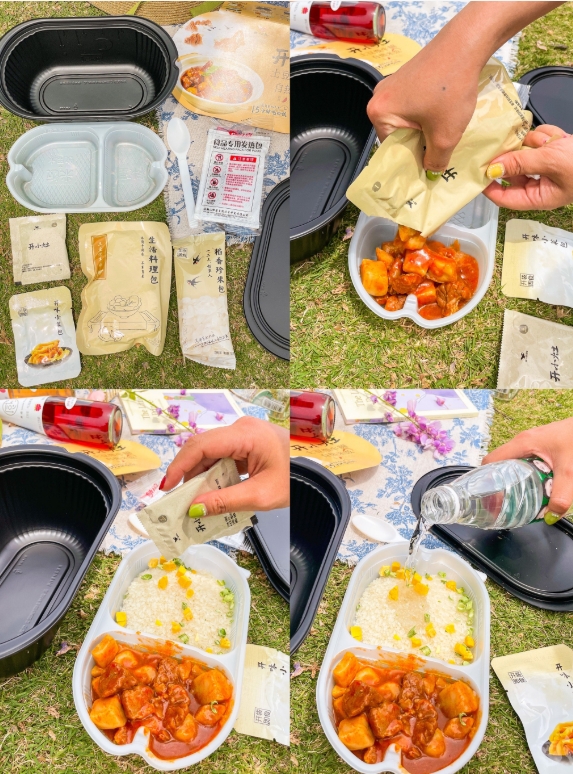
One of the defining features of modern MREs is the inclusion of a Flameless Ration Heater (FRH). This allows users to enjoy a hot meal by simply adding a small amount of water, without the need for a fire or stove.
Durability and Longevity
Designed for the rigors of combat, MRE packaging is incredibly durable, resistant to water, dirt, and impact. They are engineered to withstand airdrops and extreme temperatures while maintaining a shelf life of several years.
High Caloric Density
To sustain soldiers engaged in high-intensity activities, each meal is packed with calories, typically ranging from 1,200 to 1,300 calories per bag, providing the necessary energy for demanding physical tasks.
How are MREs made?
The production process involves advanced food preservation and packaging technologies.
Preparation and Cooking
The food components are prepared and cooked just like standard meals. The entrées and sides are prepared to ensure they retain their texture and flavor even after long-term storage.
Retort Processing
The cooked food is sealed in flexible pouches known as retort pouches. These pouches are then heated under high pressure and temperature to sterilize the contents, effectively killing bacteria and making the food shelf-stable without refrigeration.
Assembly and Packaging
The retort pouches, along with the heater, spoon, and dry components, are assembled into the main menu bag. This bag is then vacuum-sealed or tightly packed into the heavy-duty outer plastic sleeve.
Popular Uses of MREs (Military Meals Ready to Eat)
Military Operations
MREs remain the primary field ration for armed forces worldwide. They provide soldiers with the nutrition and energy needed to operate effectively in environments where field kitchens are unavailable.
Emergency Preparedness
Civilians stock MREs for natural disasters such as hurricanes, earthquakes, or power outages. Their long shelf life and no-cook requirement make them a reliable food source when supply chains are disrupted.
Outdoor Adventures
Hunters, campers, and overlanders often use MREs for their durability and the morale boost of a hot, hearty meal. They are especially popular in vehicles where weight is less of a concern than in backpacking.
How to choose MREs that suit your needs?
Inspect Manufacturing Dates
MREs have a limited shelf life that depends heavily on storage temperature. Always check the date code to ensure you are purchasing fresh stock, as older meals may have degraded taste or nutrition.
Check Menu Variety
MREs come in various menu numbers (e.g., Menu 1 to Menu 24). Check the specific contents to ensure you are getting meals you enjoy, as eating the same menu repeatedly can lead to “menu fatigue.”
Military vs. Commercial Versions
Decide between genuine military surplus MREs and commercial civilian versions. Military versions often have better heaters and accessory packs, while commercial versions may be more readily available.
How to care for MREs?
Temperature Control
Store MREs in a cool, dry place. Heat is the enemy of MRE longevity; high temperatures can significantly reduce their shelf life and affect the quality of the food inside.
Inventory Rotation
Implement a “First-In, First-Out” system. Eat the oldest stock first during camping trips or rotations to ensure your emergency supply remains fresh.
Regular Inspection
Periodically check the packaging for any signs of damage or swelling. A swollen package indicates bacterial growth and the contents should be discarded immediately.
Conclusion
MREs (Military Meals Ready to Eat) are a robust solution for feeding individuals in the most challenging environments. While they may be heavier than freeze-dried alternatives, the combination of a hot meal, long shelf life, and extreme durability makes them an unmatched resource for survival and field operations. Proper selection and storage will ensure that these rations serve their purpose when you need them most.
If you think this article is helpful, please contact us. We will give you reasonable and suitable product recommendations based on your current situation. If you are not sure, you can also consult us. We will provide you with professional services to answer your questions. You are welcome to consult us at any time and we welcome all customers to conduct on-site inspections!
STAY IN THE LOOP