by Kevin
Share
by Kevin
Share
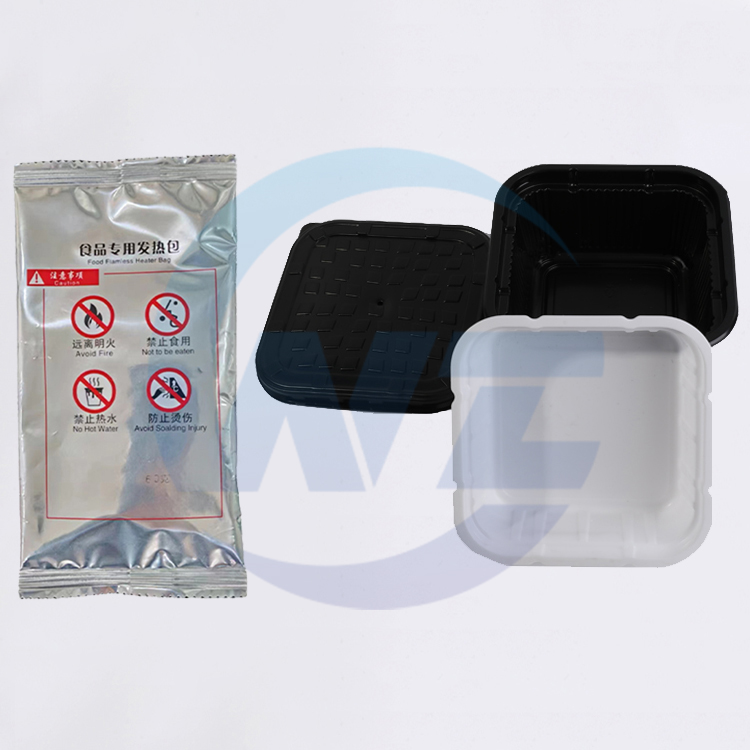
MREs, or Meals Ready-to-Eat, are self-contained, individual field rations in lightweight packaging. They were originally designed by the military to provide service members with a complete, nutritious meal in combat zones where organized food facilities are not available. Today, they have found their way into the civilian market, embraced by campers, preppers, and survivalists. However, they remain a subject of intense debate: are they a vital, lifesaving necessity in emergency kits, or do they represent a culinary nightmare that should only be eaten as a last resort?
Features of MREs Meals Ready to Eat
High Caloric Density
Each MRE is engineered to provide a substantial amount of energy, with an average of 1,200 to 1,300 calories per meal. This high caloric density is crucial for individuals engaged in high-intensity physical activities or survival situations where energy expenditure is high.
Complete Meal Kit
An MRE is more than just an entree. It is a complete meal kit that typically includes a main dish, side dish, dessert or snack, crackers or bread, spread (like peanut butter or cheese), a beverage mix (powdered drink), utensils, and a flameless ration heater.
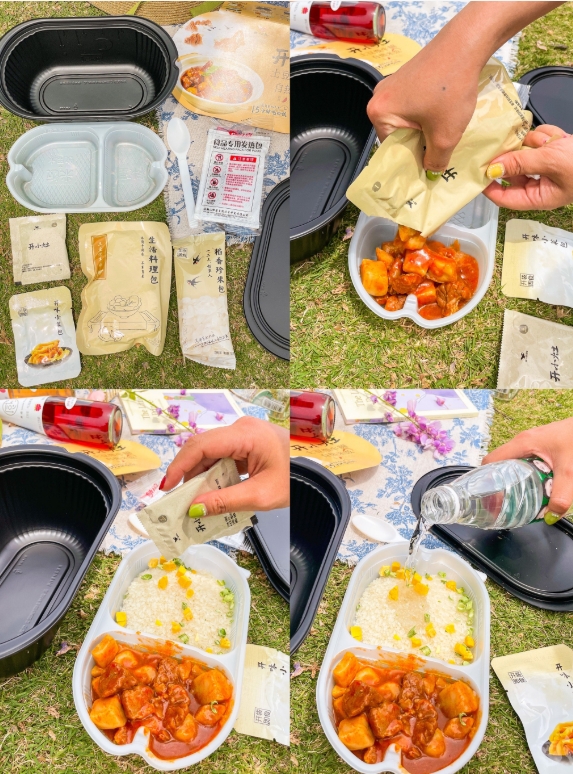
Flameless Heating Capability
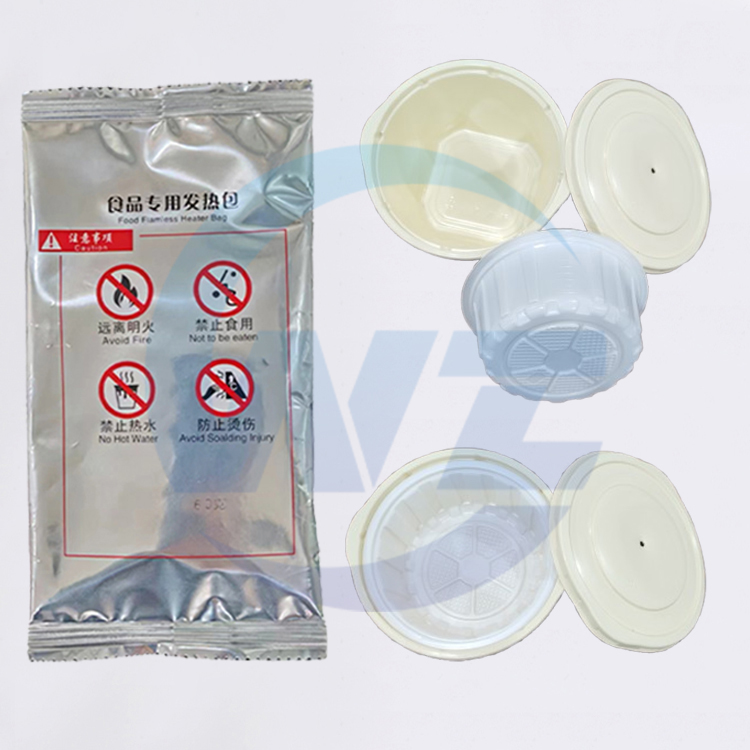
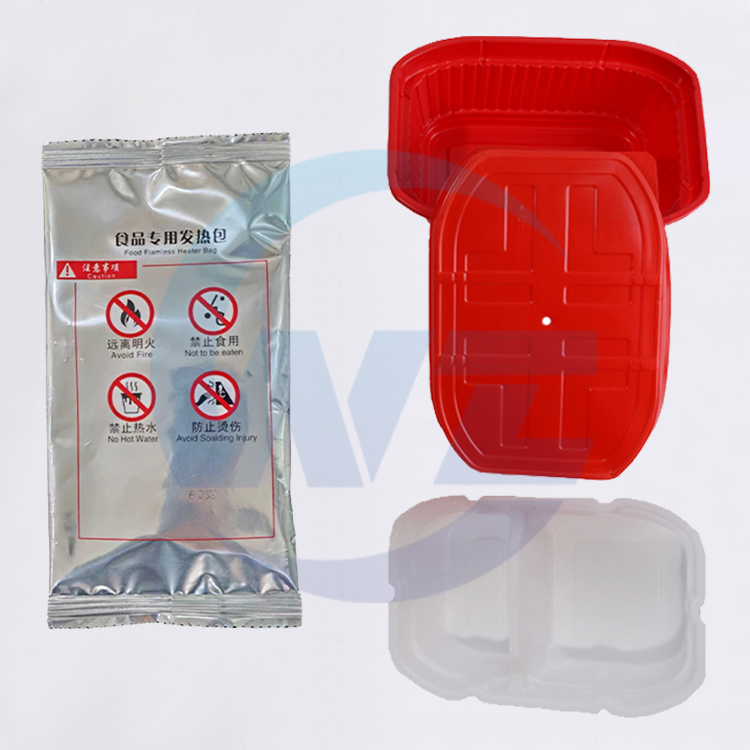
One of the most distinct features of MREs is the inclusion of a Flameless Ration Heater (FRH). This allows the user to heat the food without fire or electricity, simply by adding water to a pouch containing a magnesium-based chemical reaction.
Extended Shelf Life
MREs are designed for long-term storage. Thanks to retort packaging technology, they can remain safe to eat for years when stored at proper temperatures, making them a staple for emergency preparedness and stockpiling.
How are MREs Meals Ready to Eat made?
The manufacturing of MREs is a complex process focused on food safety, sterilization, and durability.
Food Preparation and Cooking
Ingredients are prepared and cooked in large vats. The recipes are specifically formulated to withstand the sterilization process while maintaining texture and flavor as much as possible.
Retort Packaging
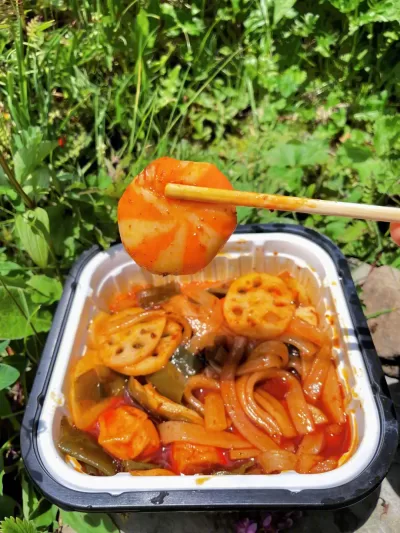
The cooked food is sealed into sturdy, multi-layered laminated pouches known as retort pouches. These packages are then subjected to high-pressure steam sterilization (similar to canning), which kills bacteria and spores, making the food shelf-stable without refrigeration.
Accessory and Heater Integration
In a separate facility or assembly line, the food pouches are combined with accessories—spoon, napkin, seasoning—and the Flameless Ration Heater. These are packed into a heavy-duty, tan-colored outer bag that is vacuum-sealed to protect the contents.
Quality Control and Inspection
Each case of MREs undergoes rigorous inspection. The bags are checked for seal integrity, and the internal temperature data of the cooking process is reviewed to ensure safety standards are met. A time-temperature indicator (TTI) is often applied to the case to monitor storage conditions.
Popular Uses of MREs Meals Ready to Eat
Military and Tactical Operations
The primary use of MREs remains within the armed forces. They provide essential sustenance to soldiers in the field, who need a portable, durable, and hot meal option that doesn’t require them to build a fire and give away their position.
Emergency Preparedness and Survival
Civilians stockpile MREs for emergencies such as hurricanes, earthquakes, or power outages. Their long shelf life and “no-cook” nature make them ideal for disaster relief and survival kits (Bug Out Bags).
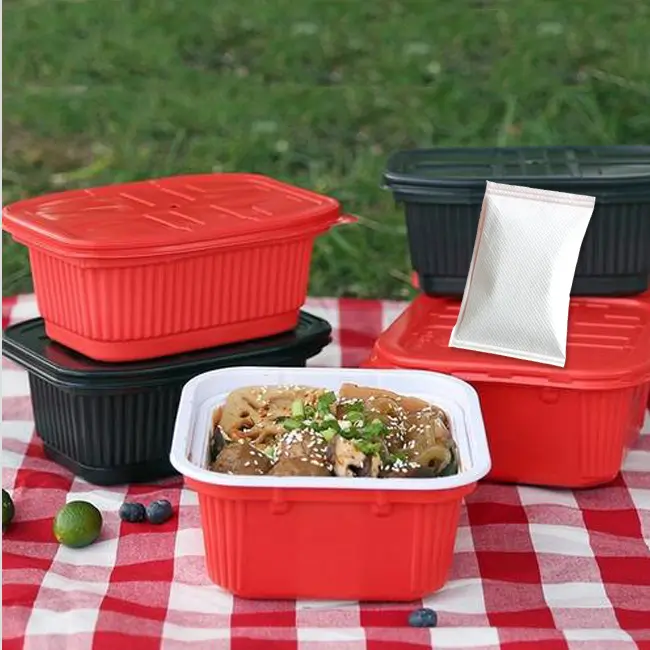
Outdoor Recreation
Hikers, campers, and hunters use MREs for their convenience. They eliminate the need to carry cooking stoves and fuel, reducing pack weight and the risk of accidental wildfires in dry forests.
How to choose MREs Meals Ready to Eat that suit your needs?
Check the Inspection Date
Unlike standard expiration dates, MREs often have an inspection date (manufacturing date). Look for these date codes to ensure you are purchasing fresh stock, as the quality degrades over time even if the food remains safe.
Civilian vs. Military Surplus
Decide between civilian commercial MREs and military surplus. Civilian versions often allow for menu selection and are fresher, while military surplus is often cheaper but may have tougher menus and older packaging.
Menu Selection
MREs come in a wide variety of menus, ranging from beef stew to vegetarian pasta. Since taste is subjective, try to buy cases where you can see the menu list, or buy individual samples to test before committing to a bulk purchase.
Verify Components
Ensure the MRE includes the Flameless Ration Heater (FRH) and an accessory packet. Some budget or “inspected only” surplus options might lack the heater, which significantly reduces the convenience of the meal.
How to care for MREs Meals Ready to Eat?
Temperature Control
The shelf life of an MRE is directly related to storage temperature. Store them in a cool, dry place (around 60°F or lower). Exposure to high heat can drastically shorten their life and degrade the food quality.
Avoid Punctures and Swelling
Regularly inspect your stock. Do not consume an MRE pouch if it is swollen, bloated, or leaking. These are signs of bacterial growth or compromised seals, which can cause food poisoning.
Proper Rotation
If you are using MREs for long-term storage, practice “First-In, First-Out” (FIFO) rotation. Consume the oldest meals first and replace them with new stock to ensure your supply remains viable.
Conclusion
MREs Meals Ready to Eat occupy a unique niche in the world of food, balancing the need for convenience, durability, and nutrition. While some may dislike their taste or texture, there is no denying their value as a reliable source of energy in the most challenging conditions. By understanding how they are made, how to choose the right type, and how to store them correctly, you can determine if they are the right choice for your emergency preparedness plan. Whether viewed as a survival necessity or a culinary challenge, they are ready when you need them.
If you think this article is helpful, please contact us. We will give you reasonable and suitable product recommendations based on your current situation. If you are not sure, you can also consult us. We will provide you with professional services to answer your questions. You are welcome to consult us at any time and we welcome all customers to conduct on-site inspections!
STAY IN THE LOOP