by Kevin
Share
by Kevin
Share
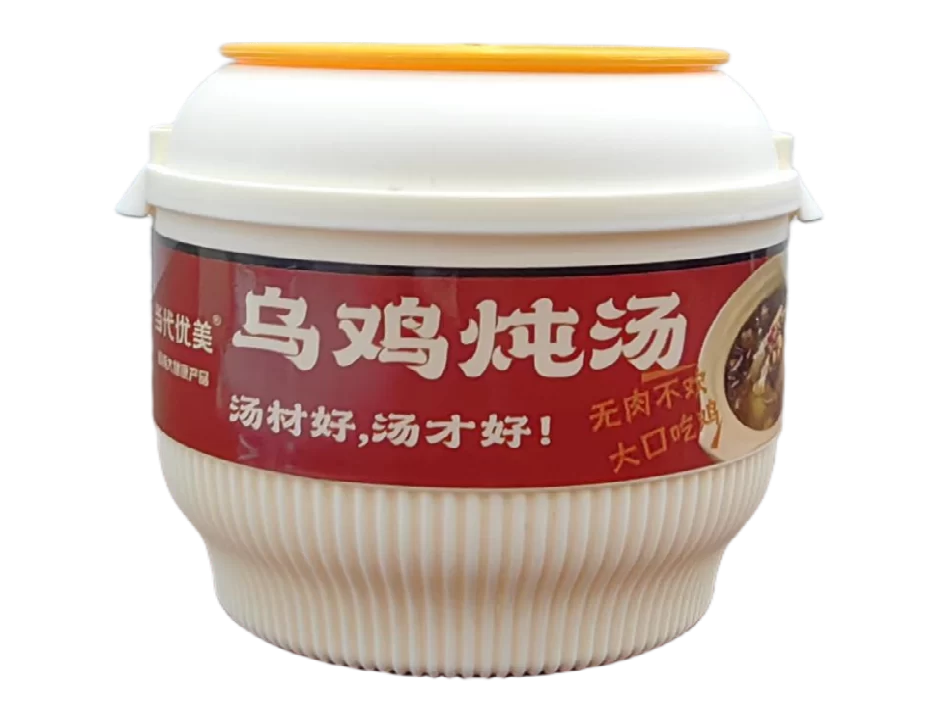
A Rotating lunchbox is an innovative food container designed with a 360-degree turntable mechanism, allowing users to access different food compartments with a simple spin. Unlike traditional stackable containers, this design prioritizes convenience and presentation, making it a trendy choice for office workers and students. However, with its unique structure comes a debate: is the rotating lunchbox a smart storage hack that revolutionizes meal prep, or is it just a gimmick that adds unnecessary bulk to your bag?
Features of a Rotating Lunchbox
360-Degree Accessibility
The core feature is the rotating base or tray. This allows you to reach every section of your meal without having to remove upper layers or shuffle containers around, providing effortless access to your food.
Compartmentalized Design
These lunchboxes typically feature multiple, sealed compartments. This ensures that different food items—such as fruits, salads, and main dishes—remain separate, preventing flavors from mixing and keeping meals fresh.
Leak-Proof Sealing
High-quality rotating lunchboxes are equipped with silicone sealing rings and secure locking clips. This design ensures that liquids like soups or dressings stay contained, even when the box is rotated or carried in a bag.
Durable Materials
Most are constructed from food-grade materials like polypropylene (PP) or stainless steel. These materials are durable, resistant to impact, and safe for food contact, ensuring longevity.
How is a Rotating lunchbox made?
The manufacturing process combines precision engineering with food safety standards.
Design and Molding
Engineers design the rotating mechanism and the modular compartments. High-precision injection molding machines create the plastic components, ensuring that the rotating base spins smoothly and the compartments fit together tightly.
Assembly of Components
The rotating tray is assembled into the base. Silicone seals are fitted into the lids to ensure an airtight closure, and the locking clips are attached to the outer casing.
Quality Control and Packaging
Each unit undergoes rigorous testing to ensure the rotation is smooth and the seals are leak-proof. The finished products are then cleaned, labeled, and packaged for shipment.
Popular Uses of a Rotating Lunchbox
Office Lunches
For professionals, the rotating design serves as a portable “lazy Susan.” It allows for a variety of dishes in a single container, making lunch breaks more enjoyable and efficient without cluttering the desk with multiple bowls.
School Meals
The fun, interactive nature of spinning the lunchbox appeals to children. It encourages them to eat a balanced meal with different food groups neatly separated.
Picnics and Outings
The all-in-one design makes it perfect for outdoor dining. It serves as a serving tray and storage container in one, simplifying the cleanup process after a picnic.
How to choose a Rotating lunchbox that suits your needs?
Capacity and Size
Consider how much food you typically eat. If you have a large appetite, look for a larger capacity model. If you carry a small bag, a compact, slim-line version is preferable.
Material Preference
Choose BPA-free plastic for a lightweight, microwave-safe option, or stainless steel for superior durability and temperature retention if you prefer not to heat plastic.
Ease of Cleaning
Look for models with removable compartments and seals. A design that disassembles easily is crucial for thorough cleaning to prevent bacterial growth in the rotating tracks.
How to care for a Rotating lunchbox?
Regular Disassembly
Do not just wipe the surface. Regularly disassemble the rotating base and remove the silicone seals to clean hidden crevices where food residue might accumulate.
Gentle Washing
While many are dishwasher safe, placing them on the top rack is recommended to avoid warping the plastic components under high heat.
Dry Thoroughly
Ensure all parts are completely dry before reassembling and storing. This prevents mold and mildew growth and keeps the rotating mechanism working smoothly.
Conclusion
The Rotating lunchbox offers a creative solution to the age-old problem of packing diverse meals without the mess. While it may take up slightly more space than a simple container, the convenience of organized, accessible, and fresh food makes it a worthy investment for many. By choosing a high-quality model and maintaining it properly, you can elevate your daily dining experience.
If you think this article is helpful, please contact us. We will give you reasonable and suitable product recommendations based on your current situation. If you are not sure, you can also consult us. We will provide you with professional services to answer your questions. You are welcome to consult us at any time and we welcome all customers to conduct on-site inspections!
STAY IN THE LOOP