by Kevin
Share
by Kevin
Share
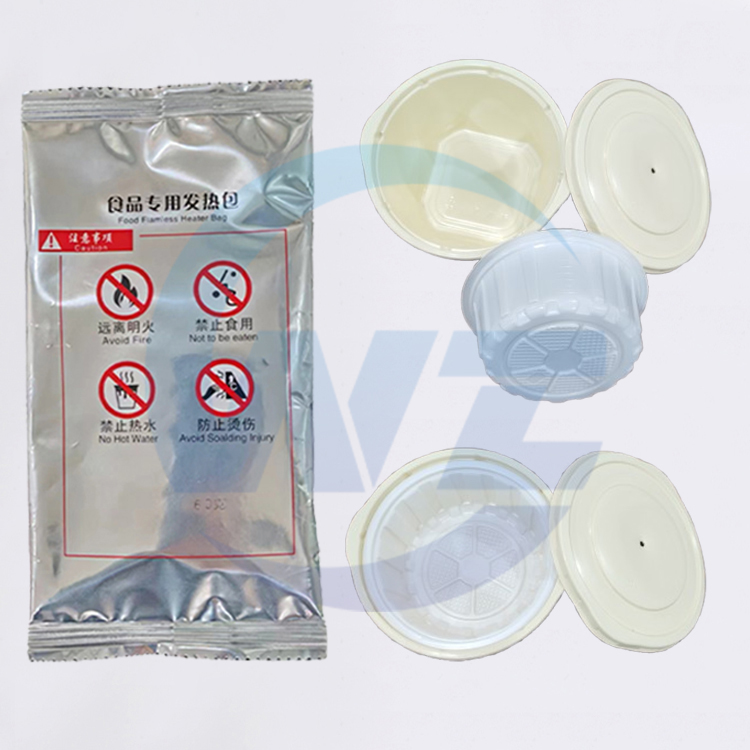
Emergency food without cooking refers to a category of provisions specifically designed to be consumed directly without the need for heat, water, or preparation. These range from canned goods and energy bars to specialized survival tabs and pre-cooked meals in pouches. While they serve as a critical lifeline during power outages or evacuations, a debate persists among survivalists: is investing in these no-cook solutions a smart survival strategy for efficient preparedness, or are consumers simply paying a premium for what amounts to expensive junk food with a long shelf life?
Features of Emergency Food Without Cooking
Immediate Consumption
The primary feature is the “open and eat” convenience. These foods eliminate the dependency on fuel, stoves, or fire, which may be dangerous or impossible to use during certain emergencies like gas leaks or severe storms.
Shelf Stability
These products are engineered to last. Through canning, dehydration, or pasteurization, they can remain safe to eat for years, making them a reliable addition to long-term food storage without the worry of rapid spoilage.
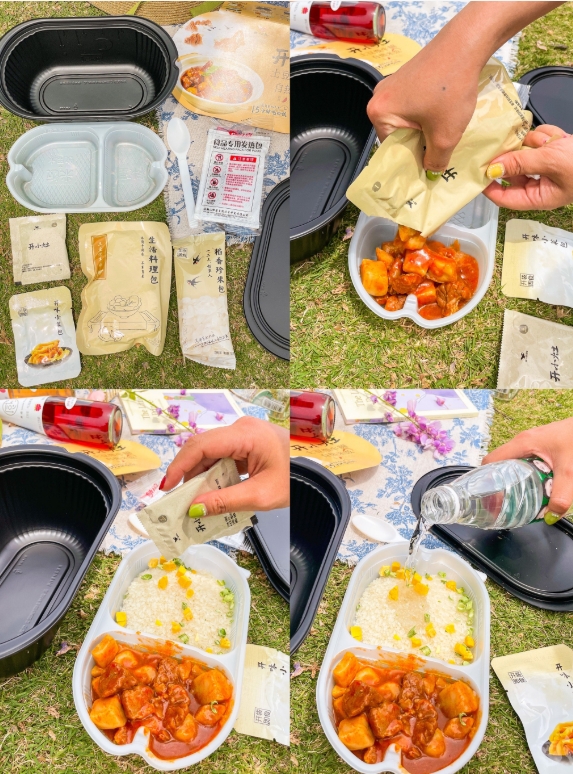
Portability
Designed for mobility, most no-cook emergency foods are lightweight and compact. This makes them ideal for “bug-out bags” or evacuation kits where weight and space are at a premium and cooking gear is a burden.
Caloric Density
To sustain energy in survival situations, these foods often pack a high caloric punch in a small serving. This ensures that a person can meet their energy requirements without having to consume large volumes of food.
How is emergency food without cooking made?
The production process varies by type but focuses on eliminating bacteria and preventing spoilage without refrigeration.
Thermal Processing (Retorting)
For items like canned meats or pre-cooked pouches (like tuna or MRE entrees), food is sealed in a container and heated to a high temperature under pressure. This kills microorganisms and creates a sterile environment.
Dehydration and Freeze-Drying
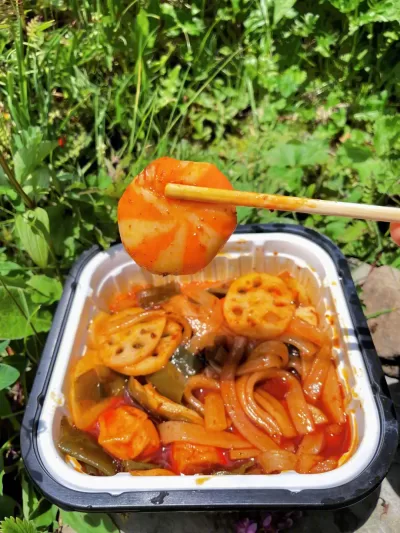
For fruits, vegetables, or meat sticks, moisture is removed. Freeze-drying involves freezing the food and then sublimating the ice in a vacuum, while dehydration uses warm air. Low water activity prevents bacterial growth.
Formulation and Preservation
Baked goods or energy bars are made with specific ingredients and preservatives that inhibit mold growth. They are often packaged with oxygen absorbers to prevent oxidation and rancidity over time.
Packaging and Sealing
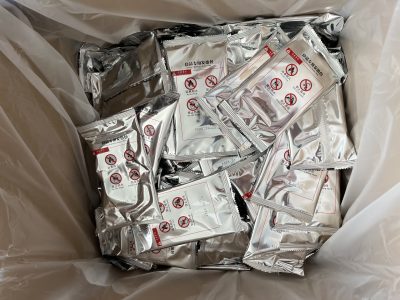
The final step involves sealing the food in robust packaging, such as metal cans, foil pouches, or vacuum-sealed bags. This barrier protects the contents from light, moisture, and pests, ensuring the food remains viable for years.
Popular Uses of Emergency Food Without Cooking
Power Outages
When the grid goes down, electric stoves and microwaves are useless. No-cook foods allow families to eat nutritious meals without risking a fire or needing to fuel a camping stove indoors.
Vehicle Emergency Kits
Stranded motorists need food that requires no preparation. Keeping a supply of no-cook items in the car ensures sustenance is available during winter breakdowns or long traffic delays.
Evacuation and Travel
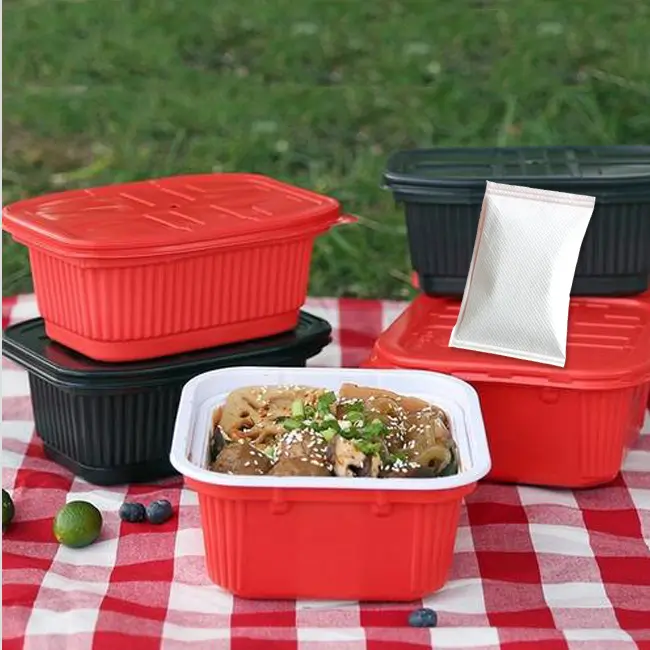
In a “bug-out” scenario, there is often no time or space to cook. These foods allow evacuees to eat on the move, maintaining energy levels without stopping to set up camp.
How to choose emergency food without cooking that suits your needs?
Nutritional Value
Look beyond the calorie count. Check the label for protein, vitamins, and fiber. Many no-cook options are high in sugar or sodium; prioritize balanced options to maintain health during a prolonged crisis.
Dietary Restrictions
Ensure the food fits your needs. There are gluten-free, vegetarian, and allergen-free options available. In an emergency, the last thing you need is an allergic reaction to your survival food.
Packaging Durability
Choose cans or heavy-duty pouches that can withstand the rigors of transport. Thin packaging can easily puncture in a backpack, ruining the food inside.
Taste Testing
Don’t wait for a disaster to find out you hate the taste. Buy small quantities first to sample the products. Familiar and tasty food provides significant psychological comfort during stressful times.
How to care for emergency food without cooking?
Temperature Control
Store your food supply in the coolest part of your home. Heat accelerates the degradation of both food quality and packaging. Avoid garages or attics that experience extreme temperature fluctuations.
Rotation System
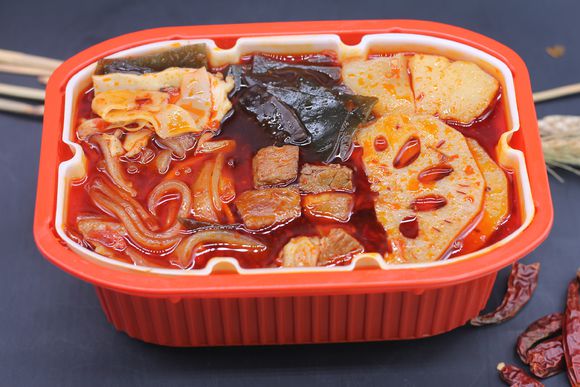
Practice the “First In, First Out” method. Consume items approaching their expiration dates and replace them with fresh stock. This ensures your supply remains fresh and reduces waste.
Pest Prevention
Even sealed food can attract pests. Store your provisions in plastic bins or sealed containers to protect against rodents and insects that might chew through packaging.
Conclusion
Emergency food without cooking offers an indispensable layer of security for any preparedness plan. While critics may point to the cost or nutritional profile of some processed options, the ability to eat safely without fire or fuel is a tactical advantage in a crisis. By selecting nutrient-dense options and managing your storage correctly, you can ensure that you have a reliable food source that is ready whenever you are.
If you think this article is helpful, please contact us. We will give you reasonable and suitable product recommendations based on your current situation. If you are not sure, you can also consult us. We will provide you with professional services to answer your questions. You are welcome to consult us at any time and we welcome all customers to conduct on-site inspections!
STAY IN THE LOOP