by Kevin
Share
by Kevin
Share
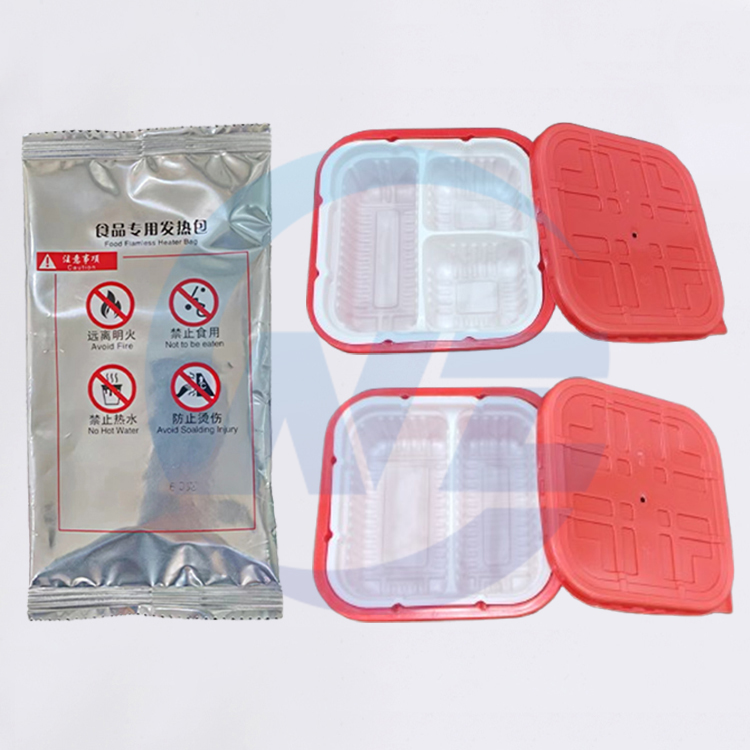
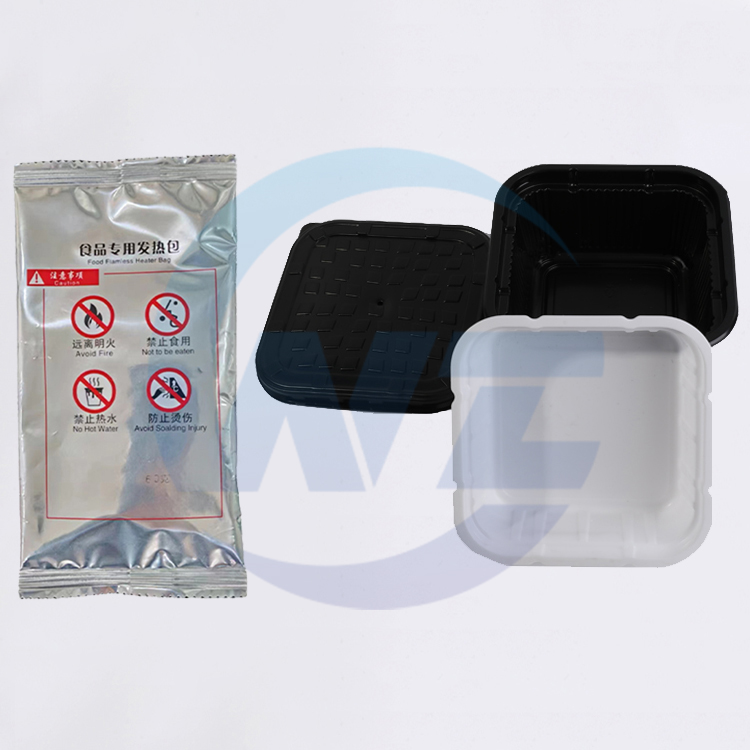
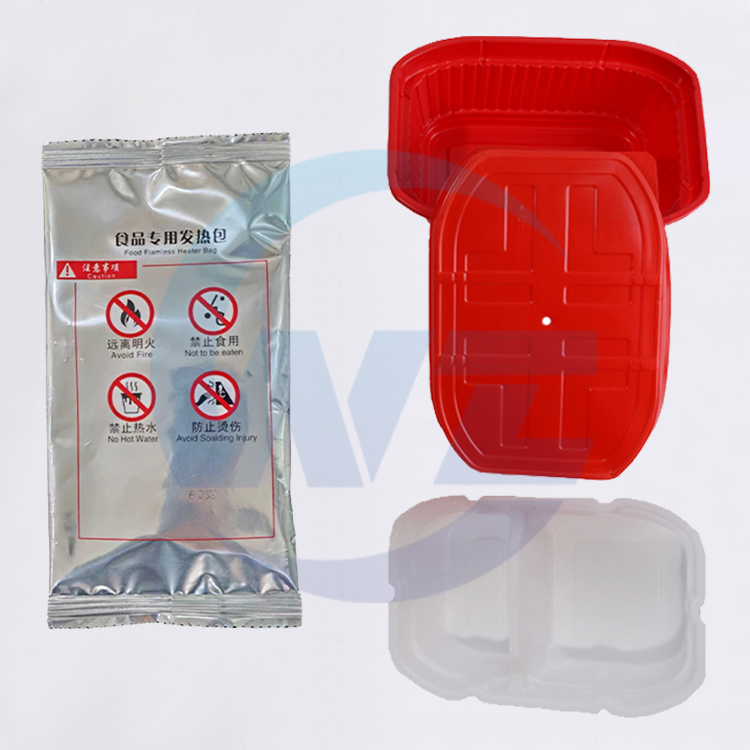
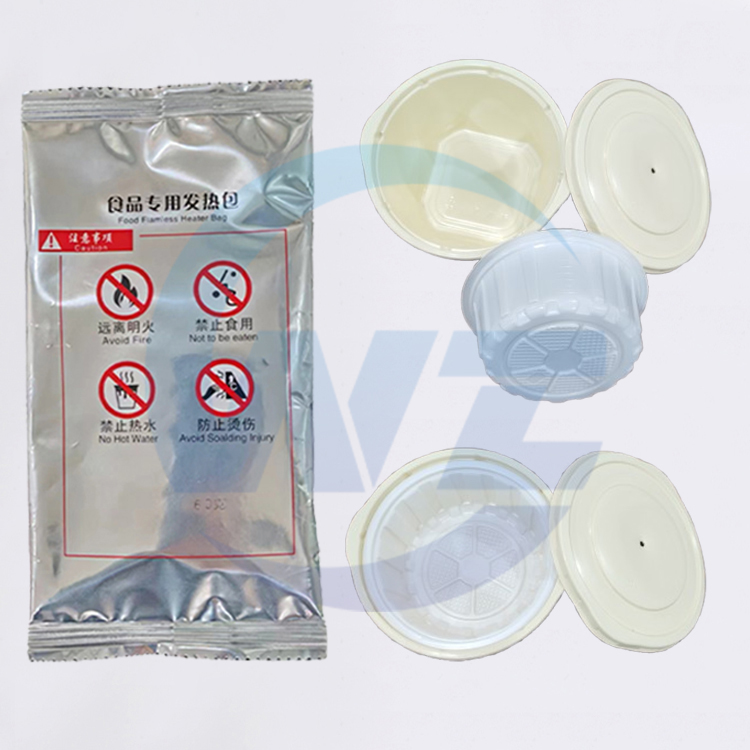
A Flameless Ration Heater (FRH) is a marvel of portable chemistry, widely used by the military, campers, and emergency responders to heat Meals Ready-to-Eat (MREs) with nothing but a little water. However, a common misconception surrounding these devices is that they work like a traditional stove or microwave. Understanding the actual temperature an FRH can reach is crucial for setting the right expectations. This leads to an important discussion: is the FRH a true cooking tool capable of boiling raw food, or is it merely a sophisticated warmer designed for pre-cooked meals?
Features of a Flameless Ration Heater’s Temperature
Controlled Maximum Heat
Unlike open flames or electric stoves, an FRH is not designed to boil water or cook raw ingredients. It typically reaches a maximum internal temperature between 140°F and 175°F (60°C to 80°C). This range is intentionally capped to safely warm food without melting the retort pouch or risking severe burns to the user’s hands.
Environmental Dependency
The actual temperature an FRH can achieve is highly dependent on the surrounding environment. In mild weather, it easily reaches its upper-temperature limits, but in freezing conditions, the heat generated can dissipate rapidly, resulting in a meal that is only lukewarm rather than hot.

Gentle Heat Curve
Rather than spiking to an extreme temperature instantly, an FRH is engineered to provide a gentle, sustained heat curve over 10 to 15 minutes. This slow heating process is ideal for restoring the texture and palatability of pre-cooked stews and pasta without drying them out.
Flameless Safety Barrier
Because the heat is generated by an exothermic chemical reaction rather than combustion, there are no hot spots or direct flames. The temperature remains safely contained within the heating bag, preventing the food pouch from scorching at any single point.
How are Flameless Ration Heaters made to control temperature?
The manufacturing process is specifically tailored to ensure the heater warms food safely without crossing dangerous temperature thresholds.
Magnesium-Iron Alloy Blending
Manufacturers carefully calibrate the ratio of magnesium powder to iron powder. This precise formulation controls the speed of the chemical reaction, ensuring it releases enough heat to warm a meal but stops short of generating the intense heat required for actual cooking or boiling.
Adding Heat-Distributing Fillers
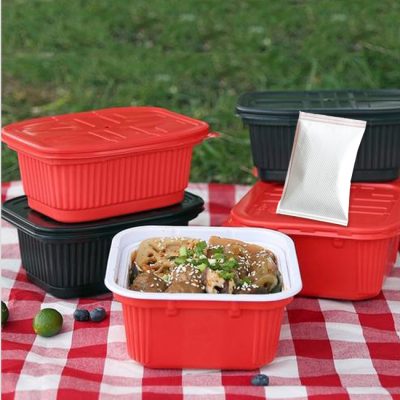
Materials like vermiculite, salt, and carbon are mixed into the reactive metal powder. These fillers act as a thermal buffer, absorbing and distributing the heat evenly throughout the pad to prevent localized temperature spikes that could melt the plastic food pouch.
Porous Packaging Control
The chemical mixture is sealed inside a highly engineered, porous non-woven fabric pad. The density of this fabric regulates how quickly water penetrates the powder, acting as a physical limiter on the reaction rate and, consequently, the maximum temperature.
Popular Uses Based on Temperature Limits
Military Field Operations
Soldiers rely on FRHs to heat pre-cooked MRE entrees. The temperature limit is perfect for the job—it turns a cold, dense ration into a hot, comforting meal that boosts morale and provides warmth in the field, without the need to carry heavy cooking fuel.
Disaster Relief Operations
In emergency shelters where open flames are a severe hazard, FRHs provide a safe way to distribute hot meals. The controlled temperature ensures that volunteers can hand out heated food without the risk of starting a fire or scalding vulnerable individuals.
Outdoor Survival
Hikers and backpackers use FRHs as a lightweight backup to their stoves. While they cannot melt snow for drinking water due to their temperature limits, they are excellent for heating up freeze-dried meals that have already been pre-cooked or require only rehydration at moderate temperatures.
How to choose a Flameless Ration Heater based on performance?
Evaluate Cold-Weather Specifications
If you operate in freezing environments, look for military-spec or “high-output” FRHs. These are formulated to counteract heat loss and achieve higher effective temperatures in the cold compared to standard commercial versions.
Check Reaction Consistency
A high-quality heater should consistently reach its stated temperature range. Cheap, poorly manufactured heaters often suffer from “dud” rates where the chemical reaction stalls, failing to reach even the minimum safe warming temperature.
Match to Your Meal Type
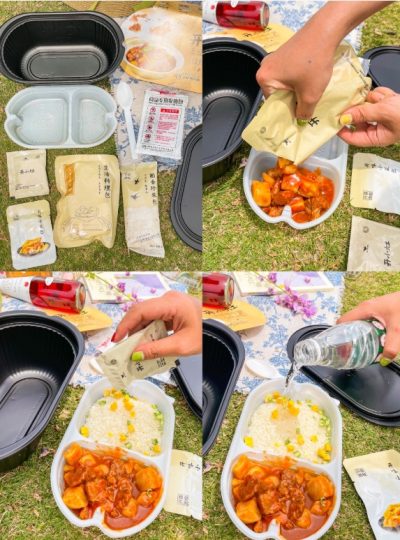
Understand that FRHs are designed for high-moisture, pre-cooked meals in flat pouches. Do not expect a standard FRH to adequately heat a thick, frozen solid block of food, as its maximum temperature is not sufficient to penetrate deeply.
How to care for and maximize a Flameless Ration Heater’s temperature?
Insulate During Use
Because the temperature is easily affected by wind and cold, you can maximize the heat by slipping the activated FRH and meal into an insulated jacket, a sleeping bag, or under your coat. This traps the heat and allows the meal to reach its maximum possible temperature.
Precise Water Activation
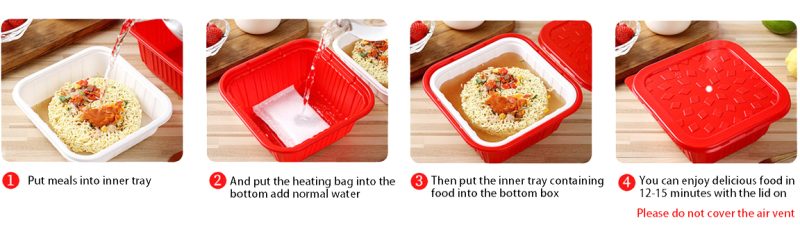
Using too little water will stop the reaction prematurely, preventing the heater from reaching its optimal temperature. Always follow the instructions and use the correct amount of water (usually 1 to 2 ounces) to ensure the chemical reaction runs its full course.
Conclusion
A Flameless Ration Heater is an ingenious piece of survival gear, but it is vital to understand its thermal limits. It is not a replacement for a stove or a way to boil water; rather, it is a highly specialized, exceptionally safe warmer designed for pre-cooked rations. By recognizing what temperatures an FRH can realistically achieve—and taking steps to insulate it in harsh weather—you can use this tool effectively and avoid the disappointment of a cold meal in the wilderness.
If you think this article is helpful, please contact us. We will give you reasonable and suitable product recommendations based on your current situation. If you are not sure, you can also consult us. We will provide you with professional services to answer your questions. You are welcome to consult us at any time and we welcome all customers to conduct on-site inspections!
STAY IN THE LOOP