by Kevin
Share
by Kevin
Share
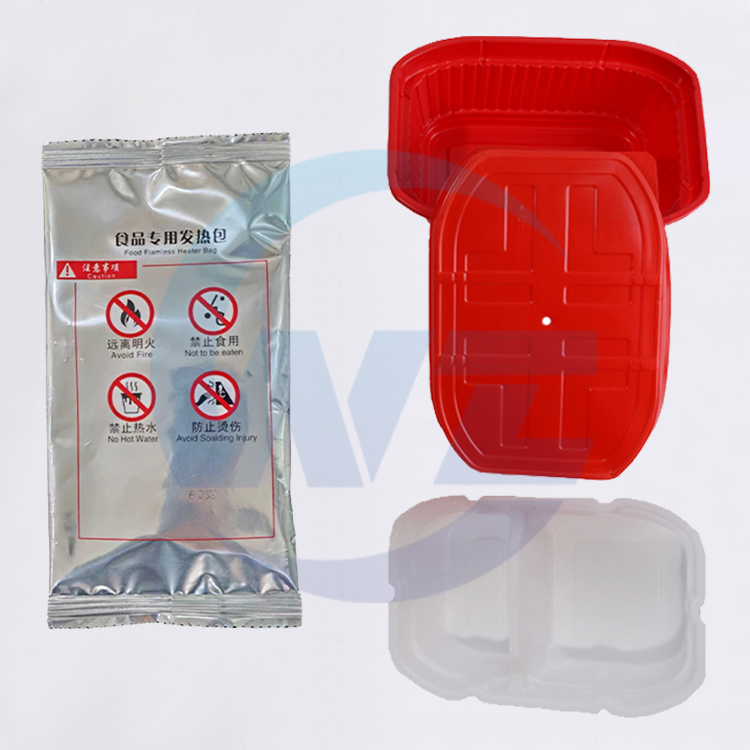
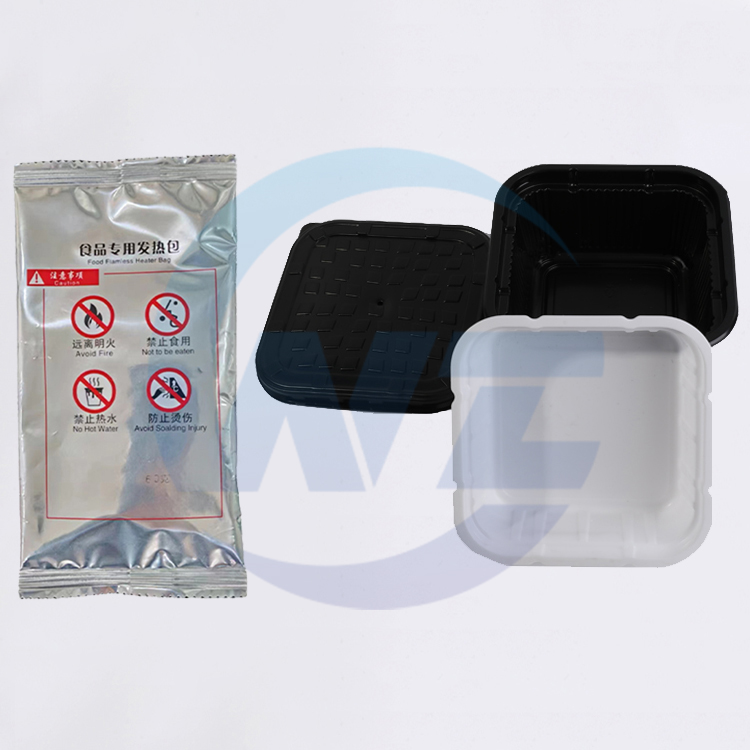
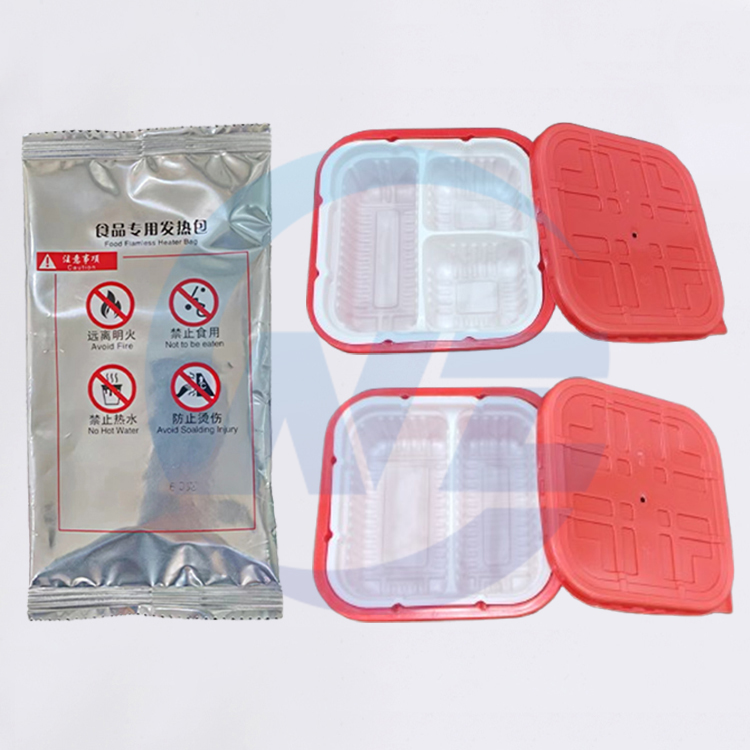
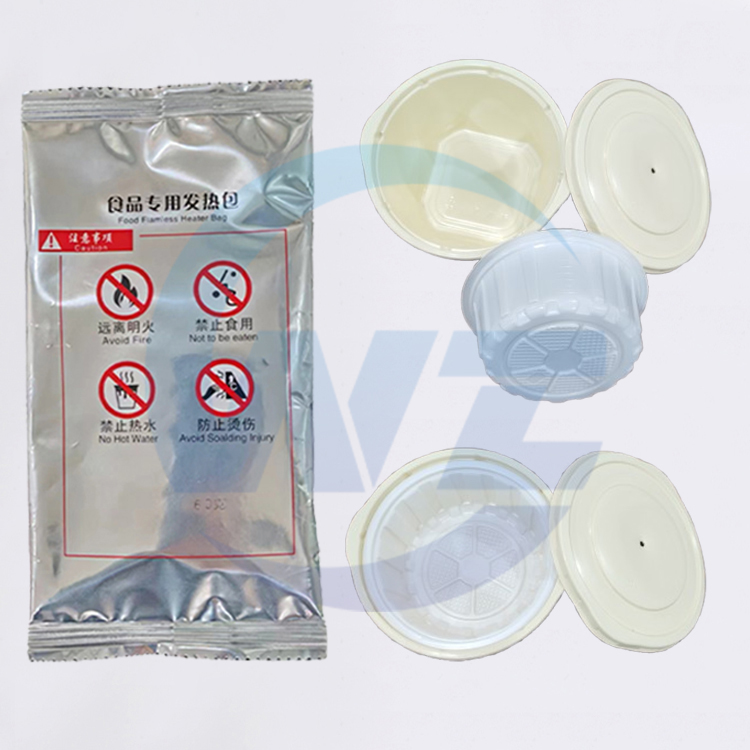
A Flameless Ration Heater (FRH) is widely considered a brilliant piece of survival technology, allowing soldiers, campers, and relief workers to enjoy a hot meal without the need for fire or electricity. However, the very feature that makes it so valuable—the absence of an open flame—often creates a false sense of absolute safety. Because there is no smoke or visible fire, users frequently assume they can operate an FRH anywhere, including inside their vehicles or tents. This misconception hides a serious, invisible threat. Understanding what actually happens when you use an FRH in a sealed space reveals a critical safety debate that everyone using these heaters must understand.
Features of the Hydrogen Hazard in FRHs
Invisible Byproduct
When water is added to an FRH, a chemical reaction occurs between the magnesium, iron, and salt. While this produces heat for your meal, it simultaneously produces hydrogen gas—a completely colorless and odorless byproduct that is impossible to detect without specialized equipment.
Low Ignition Energy
Hydrogen gas is highly flammable and requires very little energy to ignite. Unlike other fuels, a tiny static electricity spark from taking off a jacket, turning on a flashlight, or even a small friction spark can be enough to trigger a flash fire if hydrogen is concentrated in the air.

Rapid Accumulation
A single FRH can produce several liters of hydrogen gas in just a few minutes. In a small, unventilated space like a car cabin or a two-person tent, the gas can quickly reach its Lower Explosive Limit (LEL), rendering the environment extremely dangerous.
False Sense of Security
Because the heater itself does not use fire, users naturally let their guard down. The lack of smoke or heat on the exterior of the bag makes it easy to forget that a vigorous chemical reaction is taking place inside.
How does the danger develop in a sealed space?
The danger is not instant, but rather a predictable sequence of chemical and physical events that escalate rapidly when ventilation is removed.
Activation and Reaction
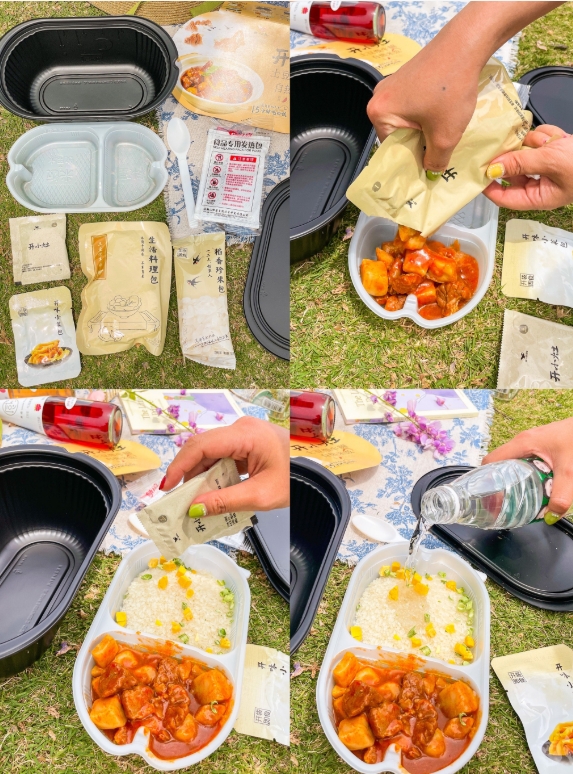
The user pours water into the FRH bag, soaking the magnesium powder. This immediately begins the exothermic reaction, splitting the water and releasing hydrogen gas alongside the heat.
Heat Acceleration
As the bag gets hotter, the chemical reaction accelerates. This means the rate at which hydrogen gas is produced increases as the heater reaches its peak temperature, flooding the immediate area with gas.
Gas Trapping
In a sealed environment, such as a vehicle with rolled-up windows or a zipped-up tent, the hydrogen gas has nowhere to escape. It rises to the highest point of the space and accumulates, waiting for an ignition source.
Popular Sealed Space Scenarios to Avoid
Inside Closed Vehicles
Military personnel, truck drivers, or winter campers often try to heat an MRE inside a car or truck cab to escape the wind or cold. The tight seals of modern vehicles trap the hydrogen instantly, making this one of the most dangerous scenarios.
Small Backpacking Tents
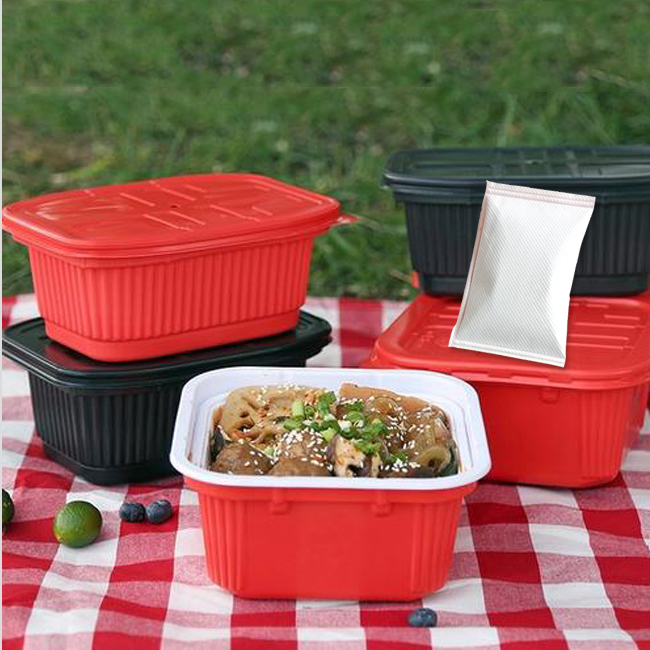
In severe weather, hikers are often tempted to heat their meals inside their tents to stay warm and dry. The incredibly small volume of a tent means hydrogen levels can become hazardous with just a single activated heater.
Underground Shelters or Bunkers
Preppers or soldiers using underground bunkers often lack natural airflow. Using FRHs in these environments without mechanical ventilation can lead to a slow, undetected buildup of hydrogen gas over time, creating a persistent explosive hazard.
How to safely use an FRH in the field?
Assess the Environment
Before you even open the water packet, look at your surroundings. Ask yourself if there is a steady flow of fresh air. If you are in an enclosed space, you must step outside or create cross-ventilation before activating the heater.
Prioritize Ventilation Over Comfort
Never sacrifice ventilation for warmth or shelter from the wind. If you must use the heater near your shelter, ensure there are at least two large openings to allow air to flow through and carry the hydrogen away.
Follow Military Protocols
The military explicitly trains soldiers to never use FRHs in unventilated areas, closed vehicles, or sealed shelters. These guidelines are written based on decades of field experience and should be strictly followed by civilians as well.
How to care for and handle an FRH safely?
Proper Disposal
After the heater has finished warming your meal, it may still be producing trace amounts of hydrogen. Do not bring a freshly activated, steaming FRH into a sealed space. Allow it to cool and finish reacting completely outdoors before disposing of it in standard trash.
Keep Away from Ignition Sources
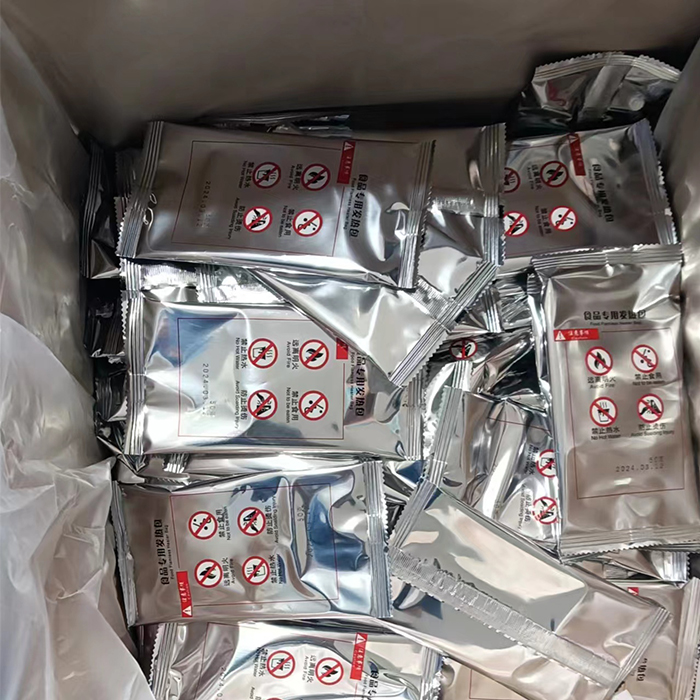
Even when using an FRH in a well-ventilated outdoor area, keep it away from open flames, stoves, and electrical switches. Treat the top of the heating bag as a potential exhaust pipe for flammable gas.
Educate Your Team
If you are traveling with a group, ensure everyone understands the hydrogen risk. A single uninformed person heating a meal inside a tent puts the entire group at risk.
Conclusion
A Flameless Ration Heater is an invaluable tool for field feeding, but the convenience of a hot meal is never worth the risk of an explosion. The term “flameless” refers only to the lack of a visible fire; it does not mean the device is free of explosive hazards. By understanding the invisible threat of hydrogen gas and strictly adhering to ventilation protocols, you can safely enjoy the benefits of your FRH. Check your inventory regularly, but more importantly, check your knowledge—ensure you and your team know exactly where an FRH should and should not be used.

If you think this article is helpful, please contact us. We will give you reasonable and suitable product recommendations based on your current situation. If you are not sure, you can also consult us. We will provide you with professional services to answer your questions. You are welcome to consult us at any time and we welcome all customers to conduct on-site inspections!
STAY IN THE LOOP