by Kevin
Share
by Kevin
Share
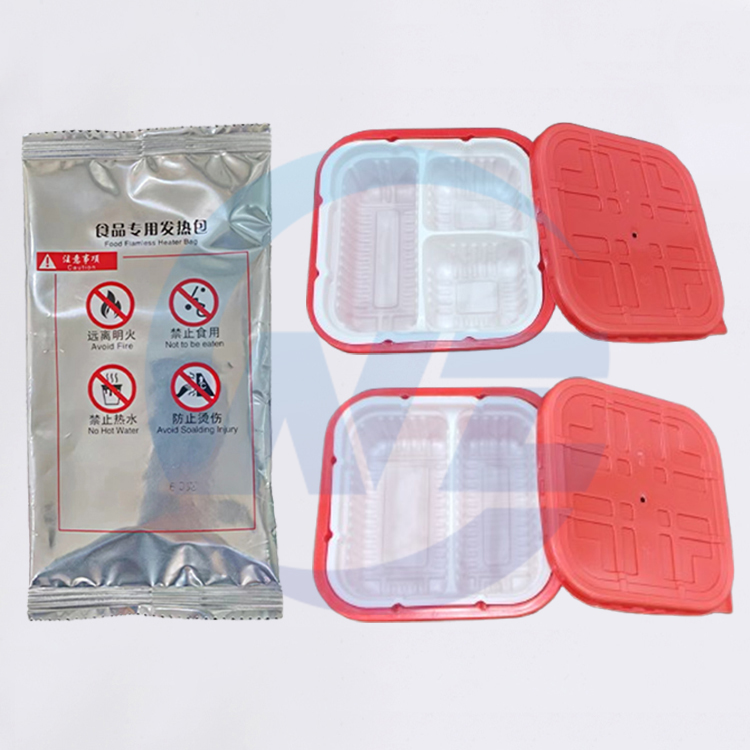
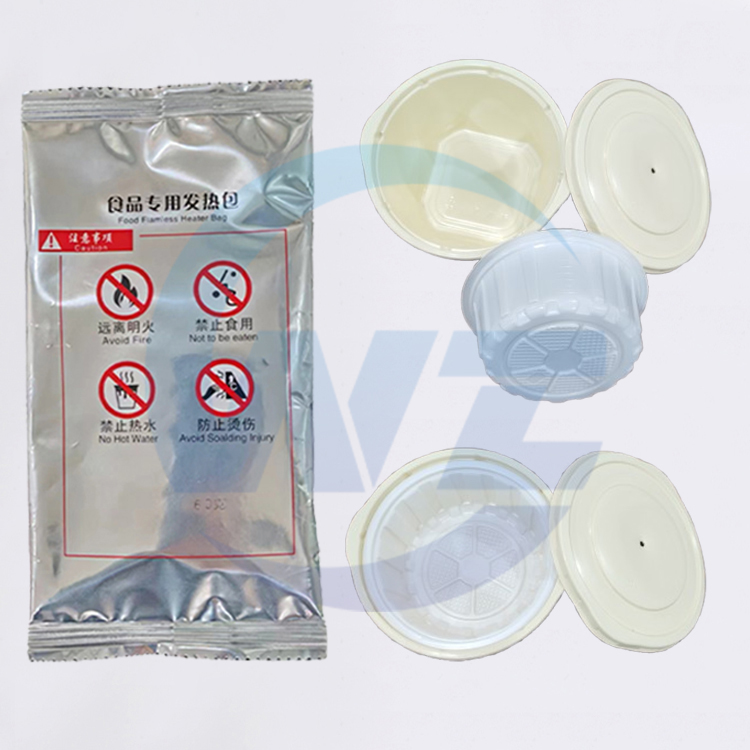
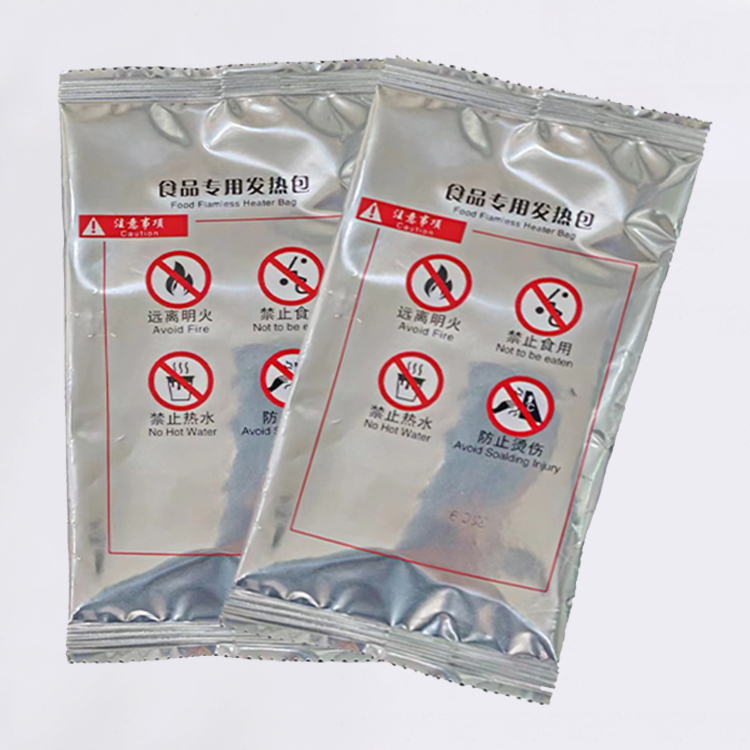
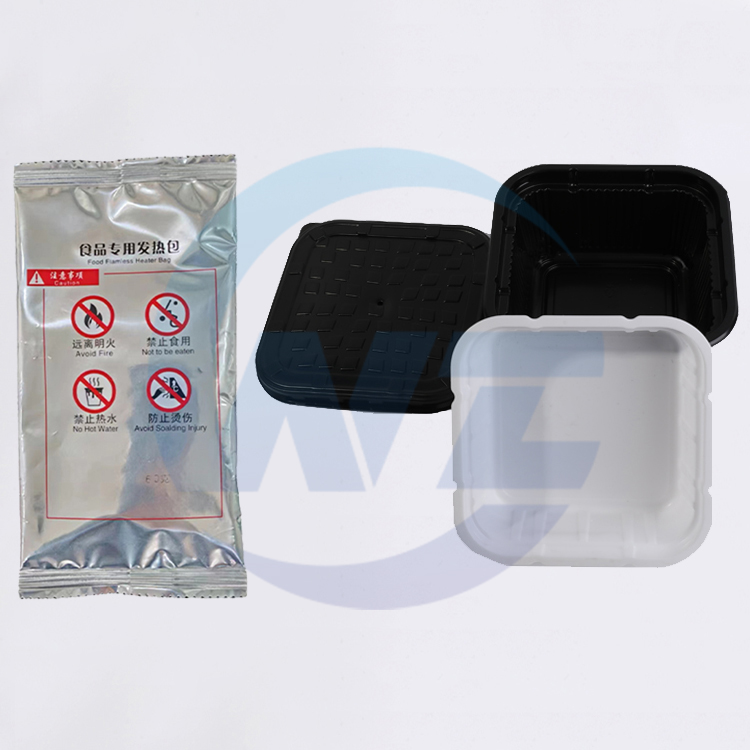
When procurement teams source Flameless Ration Heaters (FRHs) in bulk, the initial focus is almost always on the unit price. However, experienced buyers know that the factory quote is only the tip of the iceberg. Because FRHs rely on a precise exothermic chemical reaction involving magnesium and salt, hidden variables—such as shipping regulations, failure rates, and shelf-life degradation—can dramatically alter the final cost of your investment. Failing to account for these factors can turn a seemingly cheap bulk deal into an expensive logistical burden. To truly calculate the cost of FRHs, we must ask: what is the real price hidden between the lines of your supplier’s quote?
Features of Bulk Flameless Ration Heater Cost Drivers
Hazardous Material Shipping Surcharges
Because FRHs contain reactive magnesium powder, they are often classified under specific dangerous goods regulations (like UN3363). This classification requires specialized shipping documentation, packaging, and handling, which can significantly inflate sea and air freight costs.
Shelf-Life Depreciation
FRHs have a finite shelf life, typically ranging from 1 years. If bulk inventory is not rotated efficiently, the chemical pads absorb ambient moisture over time, rendering them inactive. The cost of writing off expired stock is a massive, often overlooked expense.
Failure Rate Replacements
Cheaper, poorly manufactured heaters often suffer from “dud” rates—units that fail to activate or do not reach the required temperature. The cost of replacing these defective units, alongside the damage to your brand’s reputation, far exceeds the pennies saved on the initial purchase.
Customs and Import Duties
Chemical reaction kits can be subject to unique tariff codes and import duties that differ from standard food packaging. Misclassifying an FRH shipment can lead to costly delays, fines, or seizure at the border.
How are Flameless Ration Heater costs incurred?
The true cost of an FRH is accumulated across its entire supply chain lifecycle, not just at the factory gate.
Raw Material Volatility
The primary driver of FRH cost is high-purity magnesium powder. The global market price for magnesium is notoriously volatile. A supplier’s quote is only as reliable as their ability to hedge against raw material price spikes; locked-in pricing often carries a premium.
Manufacturing and Quality Control
Producing reliable FRHs requires strict humidity control and automated vacuum sealing. Factories cutting corners by using manual labor or cheap barrier films may offer lower prices, but they pass the cost of quality control failures directly onto the buyer.
Logistics and Warehousing
Storing FRHs requires climate-controlled environments to prevent premature activation. The longer the product sits in a warehouse awaiting distribution, the higher the carrying cost, eating into the total value of the bulk purchase.
Popular Uses of Bulk Flameless Ration Heaters
Humanitarian and Disaster Relief
Aid organizations procure FRHs by the millions for emergency food aid. For these groups, the true cost must factor in the ability to air-drop supplies rapidly without violating dangerous goods transport laws, making pre-certified compliance a financial necessity.
Commercial Outdoor Retail
Outdoor brands integrate FRHs into premium self-heating meal kits. For these businesses, a high heater failure rate translates directly to customer returns and negative reviews, making initial product quality a critical cost-saving measure.
Emergency Preparedness Programs
Government and civilian emergency agencies stockpile FRHs for natural disaster readiness. The cost calculation here is dominated by shelf-life longevity; a heater that degrades in one years requires replacement twice as often as a five-year heater.
How to calculate the true cost of an FRH supplier?
Consider the Total Landed Cost
Do not compare factory unit prices alone. Calculate the Total Landed Cost (TLC), which includes the unit price, hazardous material freight surcharges, insurance, customs duties, and inland transportation to your final warehouse.
Determine the Cost of Failure
Ask the supplier for their guaranteed defect rate (e.g., less than 0.1%). Calculate the financial impact of having to replace defective units in the field. A slightly more expensive heater with a near-zero failure rate is vastly cheaper in the long run.
Safety and Compliance First
Factor in the cost of compliance. Ensure the supplier provides all necessary Safety Data Sheets (MSDS) and dangerous goods certifications. The cost of a shipment being held up at customs due to missing paperwork can paralyze your supply chain.
How to care for a bulk FRH investment?
Proper storage management
Store bulk FRHs in a dry, temperature-controlled warehouse away from direct sunlight and moisture. Implement a strict First-In, First-Out (FIFO) inventory system to ensure older stock is shipped before it approaches its expiration date.
Follow instructions for use
Ensure your distribution channels include clear, graphical activation instructions. Many FRHs are reported as “defective” simply because end-users did not use the correct amount of water or properly sealed the outer bag, leading to unnecessary replacement costs.
Conclusion
The true cost of bulk Flameless Ration Heaters extends far beyond the manufacturer’s initial quote. By understanding the financial impact of hazardous shipping regulations, shelf-life limitations, and failure rates, procurement professionals can make informed, cost-effective decisions. Always calculate the Total Landed Cost and invest in high-quality, certified heaters to protect your supply chain and your brand’s reputation in the long run.
If you think this article is helpful, please contact us. We will give you reasonable and suitable product recommendations based on your current situation. If you are not sure, you can also consult us. We will provide you with professional services to answer your questions. You are welcome to consult us at any time and we welcome all customers to conduct on-site inspections!
STAY IN THE LOOP