by Kevin
Share
by Kevin
Share
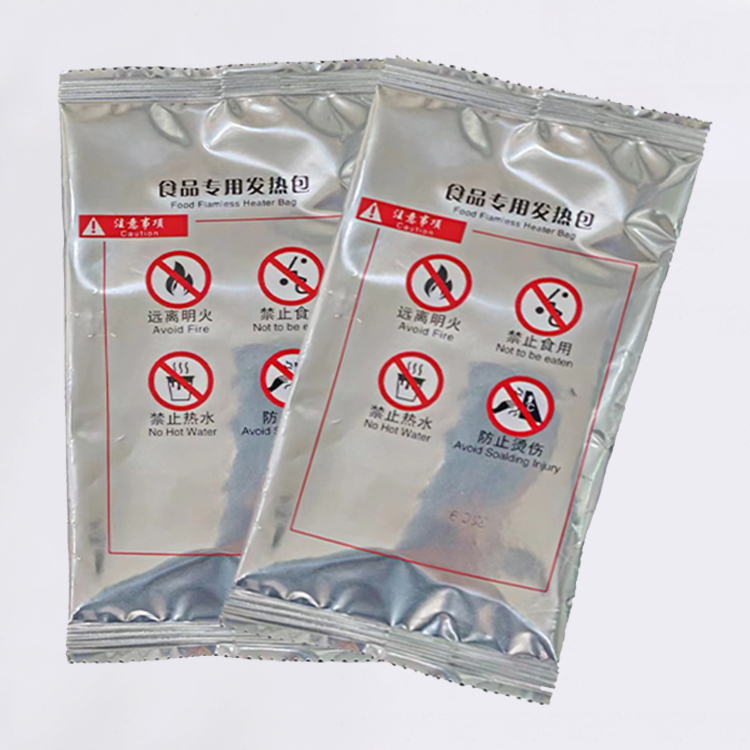
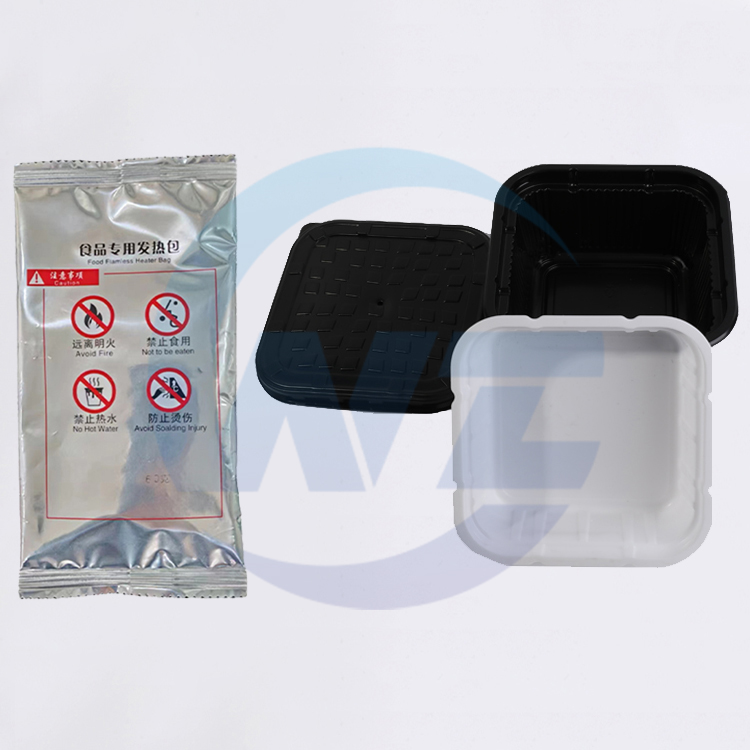
Flameless Ration Heaters (FRHs) rely on a vigorous exothermic chemical reaction to generate heat, but the true unsung hero of this process is the outer bag. If the packaging fails, the heater fails. This reality sparks an ongoing debate among procurement professionals and product engineers: are you specifying a polypropylene blend based on cost alone, or are you accounting for the extreme thermal and chemical stresses of the reaction? Choosing the wrong blend can lead to melting, punctures, or moisture ingress that renders the heater useless. Understanding how to specify the right polypropylene (PP) for FRH outer bags is critical for ensuring product reliability and end-user safety.
Features of the Right Polypropylene Blend for FRHs
High Heat Deflection Temperature
During activation, FRHs can reach temperatures exceeding 80°C (176°F). A specialized PP blend maintains its structural integrity and does not warp, shrink, or melt when subjected to this sustained radiant heat, ensuring the bag holds its shape and the food securely.
Puncture and Tear Resistance
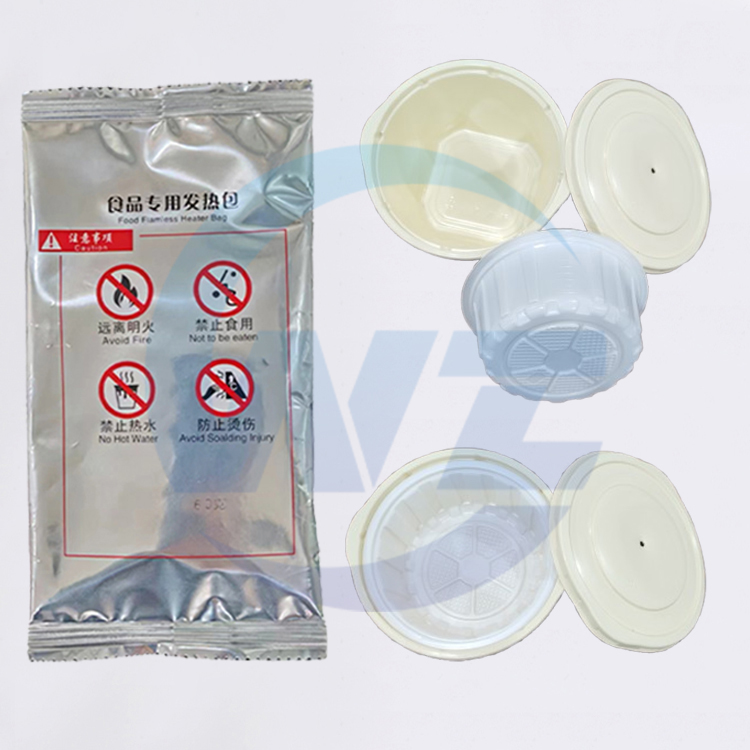
The chemical pad inside an FRH can sometimes feel abrasive, and end-users often manipulate the bag roughly to position it around their meals. A high-impact PP blend provides the necessary toughness to resist puncturing from the internal contents or external friction.
Superior Moisture Barrier Properties
Magnesium powder is highly hygroscopic. The specified PP blend must act as an absolute vapor lock, preventing ambient humidity from penetrating the bag during years of storage, which would otherwise cause premature oxidation and heater failure.
Controlled Gas Permeability
While the bag must block moisture, the design must also account for the hydrogen gas produced during the reaction. The right PP film can be micro-perforated or engineered with breathable membrane layers to allow safe, controlled venting without losing structural strength.
Popular Uses of Specified PP FRH Bags
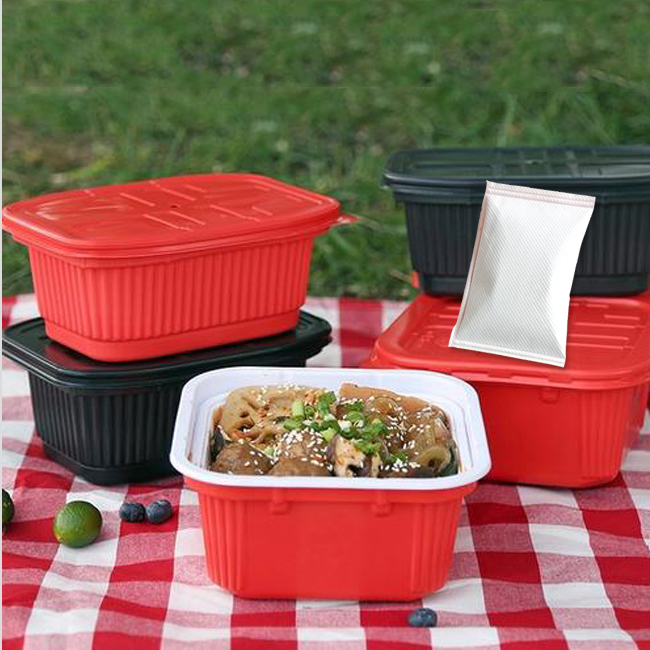
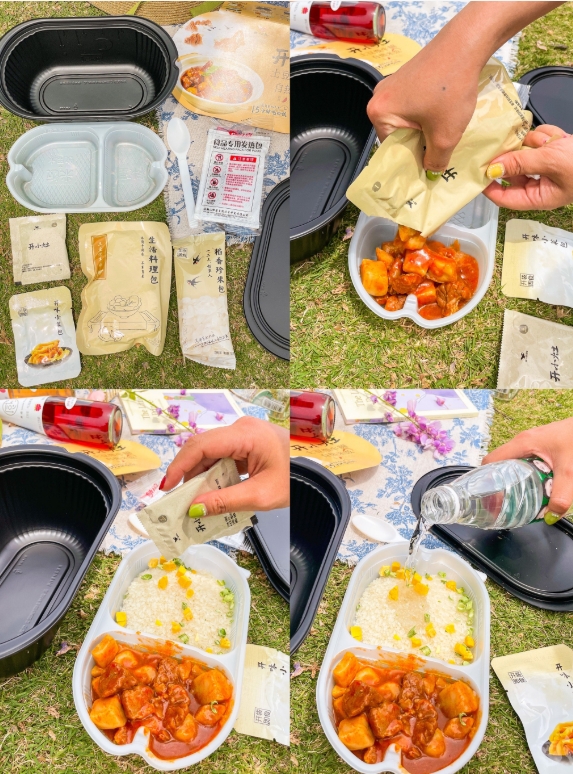
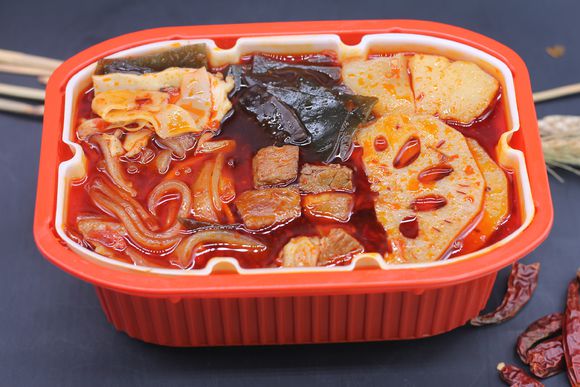
Commercial Self-Heating Meals
Outdoor and retail brands require PP bags that not only perform safely but also offer crystal-clear windows and high-fidelity printing. The specified blend must balance heat resistance with excellent optical properties to attract consumers.
Emergency Disaster Relief
FRHs stockpiled for disaster relief are often stored for years in fluctuating, humid climates. The PP blend specified for these bags prioritizes extreme long-term moisture barrier properties and UV resistance to guarantee functionality when a crisis hits.
Industrial Field Operations
Workers in remote mining or forestry operations carry their gear in heavy, crowded packs. The PP bags specified for these industrial FRHs prioritize maximum puncture resistance and thick-gauge sealing to survive harsh daily transportation.
How to choose the right Polypropylene specification for your FRH?
Consider the reaction temperature
Always request the heat deflection temperature (HDT) data from your bag supplier. Ensure the PP blend’s HDT safely exceeds the peak temperature of your specific FRH chemical formulation to prevent field failures.
Determine the shelf life environment
If your FRHs are destined for long-term storage in tropical or high-humidity regions, specify a PP blend with enhanced water vapor transmission rate (WVTR) barriers. Do not settle for standard films that allow slow moisture creep.
Safety and certification first
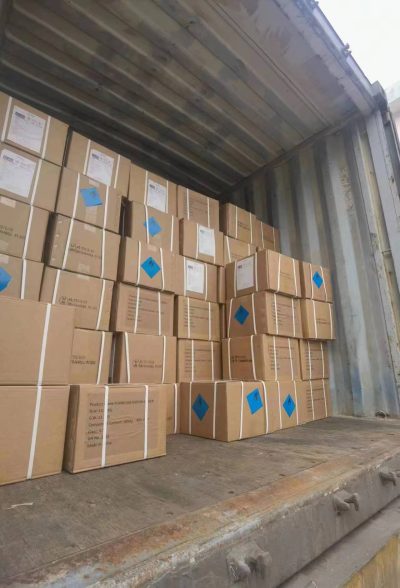
Ensure your PP film supplier provides food-contact safety certifications (like FDA or EU standards) for the inner layers, and verify that the bag as a whole complies with dangerous goods transport regulations (UN3363).
How to care for PP FRH inventory?
Proper storage
Store FRHs in a dry, cool place away from direct sunlight and moisture. While the specified PP blend is engineered for durability, prolonged exposure to UV radiation can degrade the polymer over time, making the bags brittle.
Follow instructions for use
Read the instructions carefully before use. Even the most robust PP blend has its limits. Ensuring users activate and handle the heater correctly prevents unnecessary mechanical stress on the bag during the heating cycle.
Conclusion
The outer bag is the silent guardian of your Flameless Ration Heater’s performance. Specifying the right polypropylene blend is not a mere packaging detail; it is a fundamental safety and reliability decision. By carefully evaluating heat resistance, moisture barriers, and puncture toughness, you can prevent catastrophic field failures and ensure your product delivers warmth exactly when it is needed. Review your packaging specifications today to ensure they meet the demands of your market.
If you think this article is helpful, please contact us. We will give you reasonable and suitable product recommendations based on your current situation. If you are not sure, you can also consult us. We will provide you with professional services to answer your questions. You are welcome to consult us at any time and we welcome all customers to conduct on-site inspections!
STAY IN THE LOOP