by Kevin
Share
by Kevin
Share
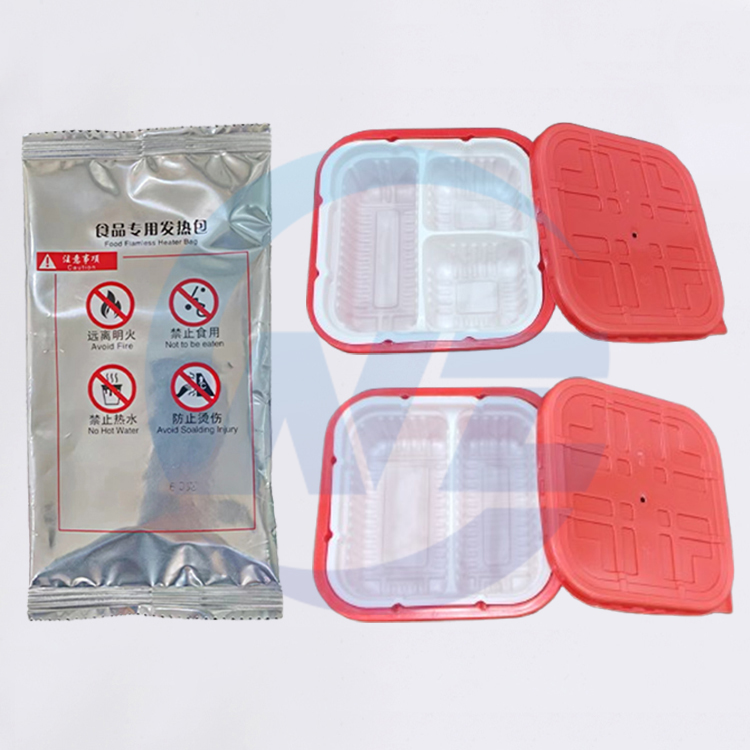
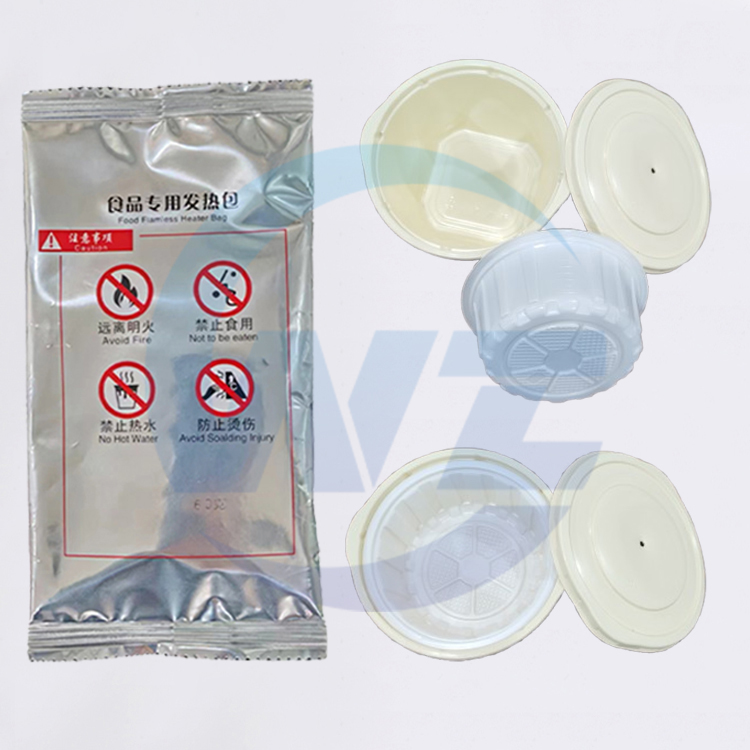
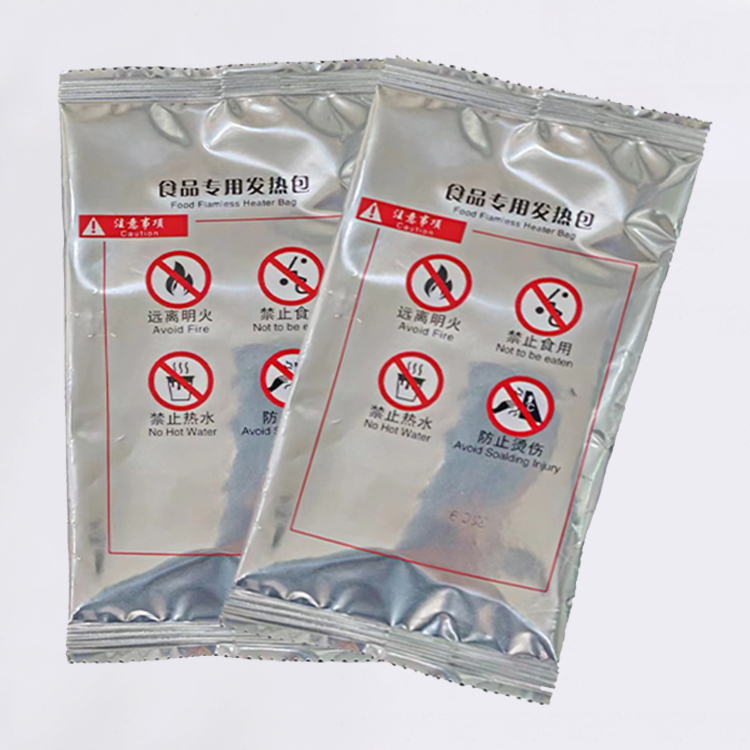
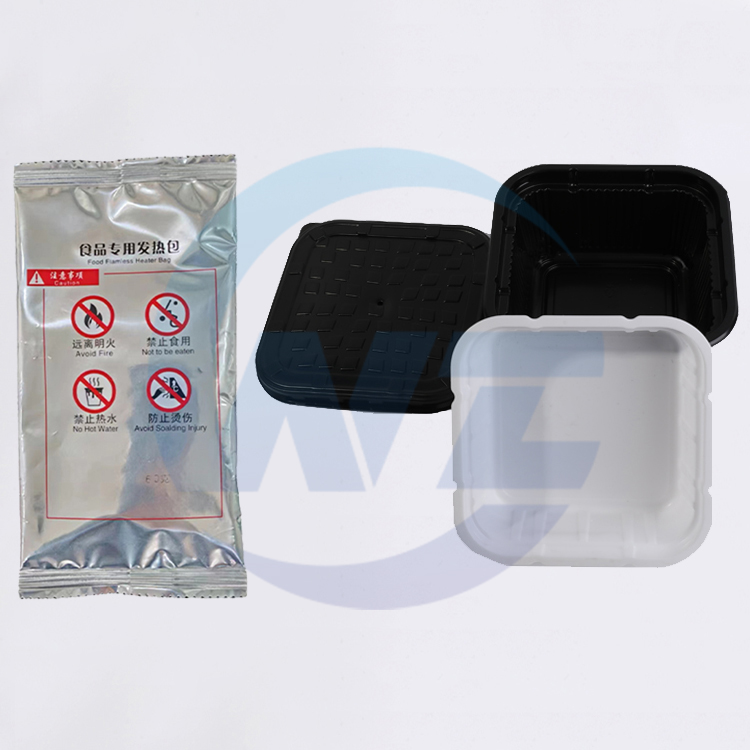
Flameless Ration Heaters (FRHs) are engineered to provide instant, reliable warmth in harsh conditions, but a persistent debate among procurement professionals is whether standard heaters truly deliver when the mercury drops below freezing. In sub-zero environments, the chemical reaction that generates heat can slow dramatically or even halt entirely, leaving users with cold meals and diminished morale. Relying on room-temperature performance data is a dangerous gamble. Understanding how to test and specify FRH performance in sub-zero temperatures is the only way to guarantee that your product will perform when it matters most.
Features of Sub-Zero FRH Performance Testing
Cold Chamber Simulation
Authentic testing requires industrial-grade environmental chambers that can precisely replicate extreme cold, simulating conditions from -10°C to -40°C. This ensures the heater is tested against the exact environmental stresses it will face in the field.
Activation Threshold Verification
In freezing temperatures, the chemical reaction between water and magnesium struggles to initiate. Rigorous testing verifies the exact activation threshold, ensuring the included salt catalysts are potent enough to trigger the exothermic reaction even with near-freezing water.
Thermal Curve Mapping
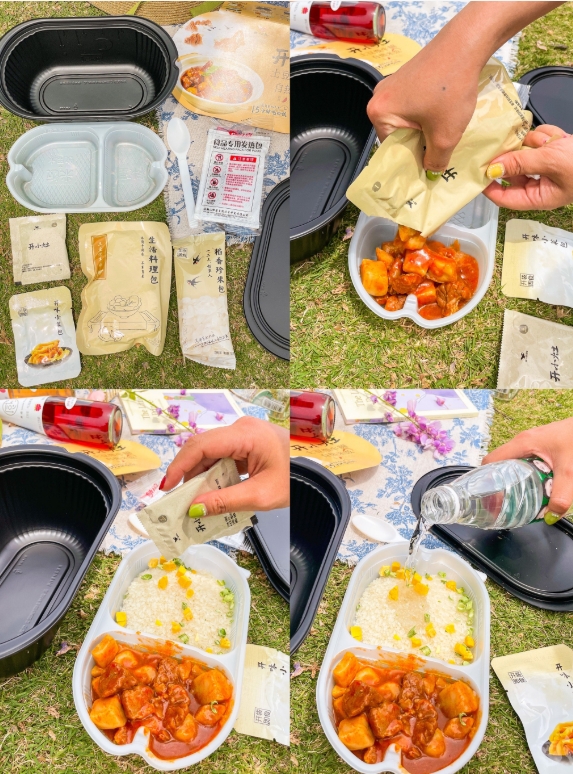
A heater that warms up but never reaches a safe food temperature is useless. Sub-zero testing maps the entire thermal curve, verifying that the heater can not only activate in the cold but also sustain a peak temperature (typically above 60°C/140°F) long enough to heat a meal thoroughly.
Hydrogen Gas Emission Monitoring
Chemical reactions behave differently in the cold, and off-gassing rates can become unpredictable. Advanced testing monitors hydrogen gas output in cold chambers to ensure that the slower reaction does not result in unventilated gas buildup once the heater is brought into a tent or shelter.
How is FRH performance tested in sub-zero conditions?
The testing process for extreme cold reliability is highly controlled and data-driven, leaving no room for assumptions.
Acclimatization Phase
First, both the FRHs and the activation water are placed inside the environmental chamber and allowed to stabilize at the target sub-zero temperature for a minimum of 12 hours. This ensures the internal chemical pad is truly frozen, replicating long-term cold exposure.
Activation and Data Capture
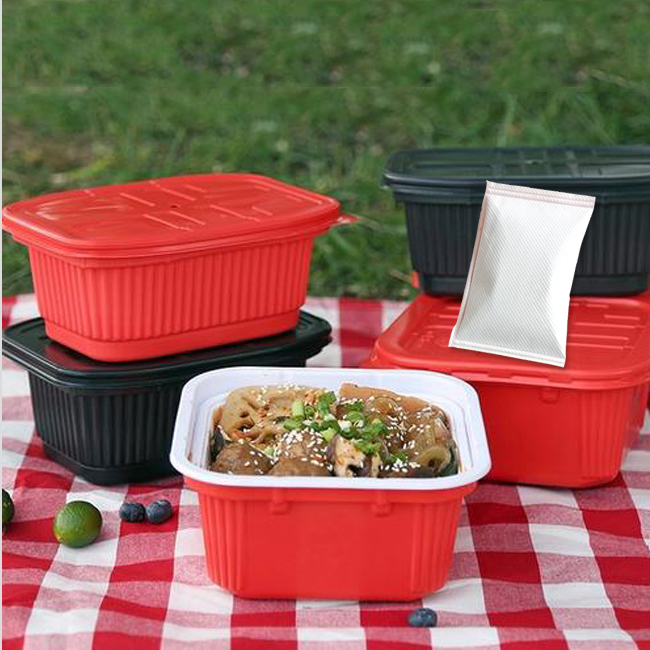
Using insulated gloves to prevent body heat transfer, technicians activate the heaters inside the chamber. Thermal probes connected to data loggers are inserted into test meal pouches, recording the temperature every 15 seconds to generate an exact thermal curve.
Formulation Adjustment
If the heater fails to reach the target temperature within the specified time, the chemical formulation is adjusted. Technicians may increase the purity of the magnesium, alter the grain size, or modify the salt ratio to lower the activation energy, and the test is repeated until the specification is met.
Popular Uses of Sub-Zero Tested FRHs
High-Altitude Mountaineering
Climbers tackling peaks in the Himalayas or Andes operate in environments where the air is thin and temperatures are plummeting. Sub-zero tested FRHs are critical for melting snow into drinking water and heating calorie-dense meals required for survival.
Polar Expeditions
Scientific researchers and explorers in the Arctic and Antarctic rely on heaters that have been proven to activate at -30°C. In these regions, a standard FRH is completely useless, making extreme cold certification a literal lifesaver.
Winter Emergency Preparedness
Civilian emergency kits stored in vehicles for blizzard conditions must feature FRHs that activate reliably. If a family is stranded in a snowstorm, the heater must work instantly despite being frozen in the trunk of a car for days.
How to choose an FRH supplier for cold weather?
Consider the use environment
Evaluate the absolute lowest temperature your end-users might encounter. Do not settle for a supplier who only tests at 0°C if your users will be operating at -20°C. Demand test data that matches your worst-case scenario.

Determine the thermal duration
Extreme cold saps heat rapidly. Ensure your supplier’s cold-weather FRH is formulated with enough reactive material to sustain heat longer, compensating for the heat lost to the freezing surrounding air.
Safety and data first
Choose a supplier who provides transparent, third-party verified thermal curve data for their sub-zero tests. If a supplier cannot provide a chart proving their heater reached 60°C at -20°C, they are guessing, not guaranteeing.
How to care for sub-zero FRH inventory?
Proper storage
Store FRHs in a dry, cool place away from direct sunlight and moisture before deployment. While they are designed to survive the cold, protecting the outer packaging from UV degradation and humidity during long-term storage ensures the chemical pad remains pristine.
Follow instructions for use
Read the instructions carefully before use in extreme cold. Sub-zero FRHs often require specific water volumes and immediate insulation (like placing the activated heater inside a coat or sleeping bag) to prevent the reaction from being choked out by the ambient cold.
Conclusion
The true test of a Flameless Ration Heater is not how it performs in a comfortable room, but how it reacts when the world is frozen over. By demanding rigorous sub-zero testing, verifying activation thresholds, and understanding cold-weather thermal curves, B2B buyers can eliminate the risk of field failures. Do not leave your end-users out in the cold—ensure your next FRH procurement is backed by verifiable extreme-weather data.
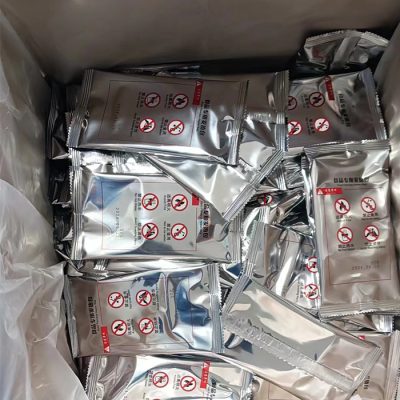
If you think this article is helpful, please contact us. We will give you reasonable and suitable product recommendations based on your current situation. If you are not sure, you can also consult us. We will provide you with professional services to answer your questions. You are welcome to consult us at any time and we welcome all customers to conduct on-site inspections!
STAY IN THE LOOP