by Kevin
Share
by Kevin
Share
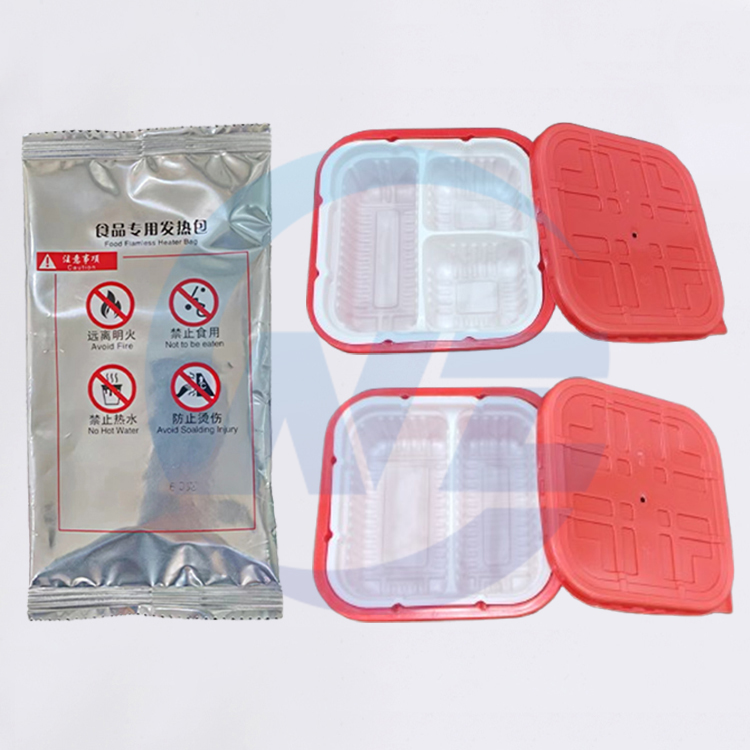
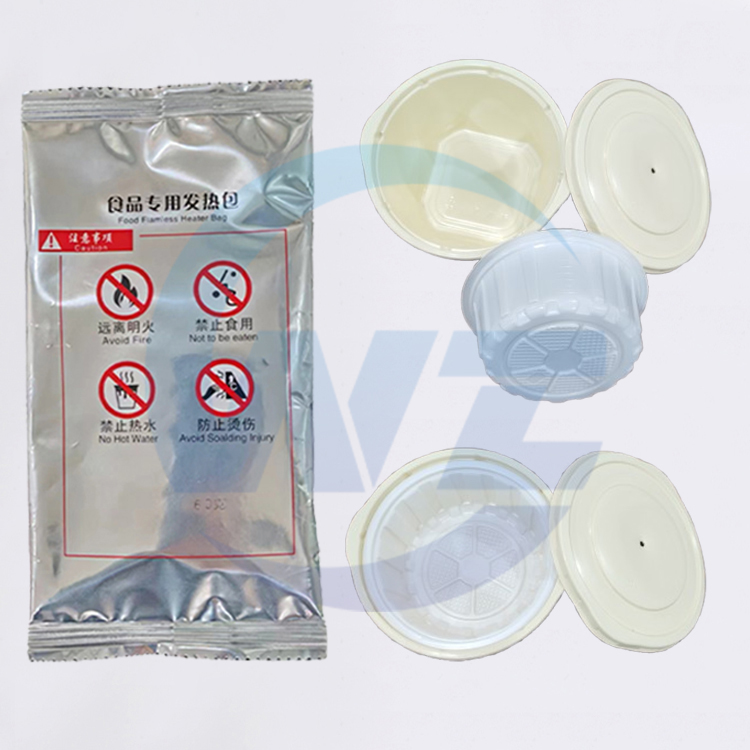
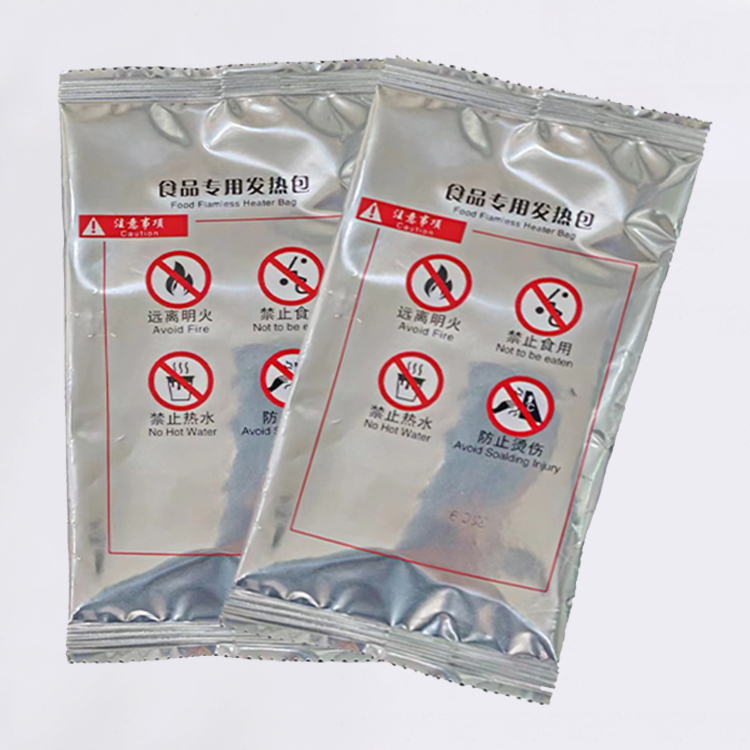
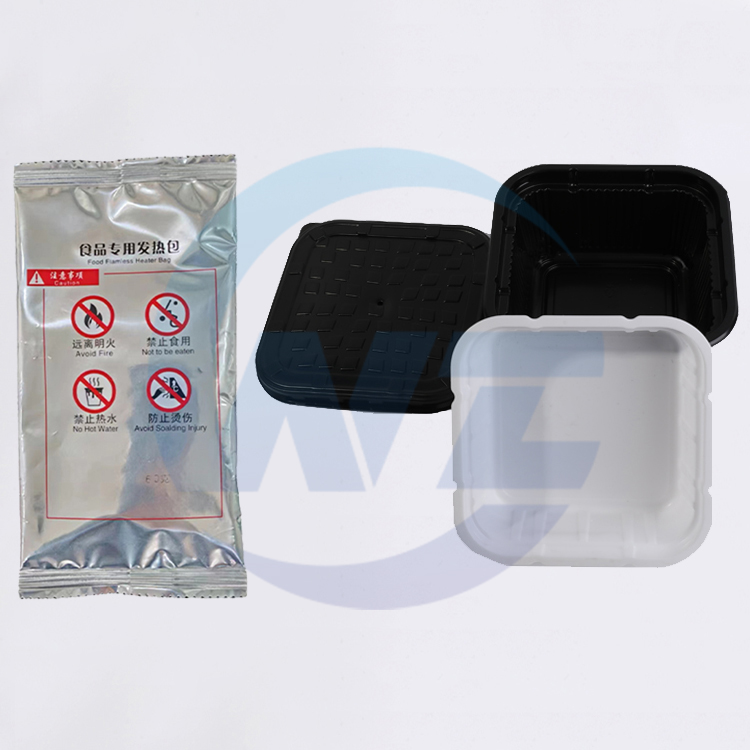
Flameless Ration Heaters (FRHs) are essential tools for outdoor enthusiasts, humanitarian organizations, and emergency preparedness. However, a critical debate often arises in the procurement process: how long do these chemical heaters actually remain effective? While suppliers frequently quote 3 to 5 years of shelf life, the reality is that actual performance can degrade long before that expiration date if the manufacturing and storage conditions are not perfect. Understanding the true shelf life of commercial FRHs is vital for buyers who need to guarantee reliability when the product is finally used in the field.
Features of Long-Lasting FRH Shelf Life
High-Barrier Packaging
The most crucial factor in preserving an FRH is its ability to block ambient humidity. Long-lasting heaters utilize advanced, multi-layer polypropylene bags with exceptional Water Vapor Transmission Rate (WVTR) ratings, ensuring that not even microscopic amounts of moisture can penetrate and ruin the chemical reaction.
Premium Chemical Stabilization
The purity of the magnesium powder directly dictates longevity. Premium FRHs use highly refined magnesium with stabilizing agents that resist passive oxidation over time, ensuring the chemical pad remains as reactive in year four as it was on day one.
Robust Vacuum Sealing
Effective shelf life relies on eliminating all air inside the packaging. High-quality FRHs undergo rigorous vacuum-sealing processes that remove oxygen completely, preventing the internal chemical components from degrading or clumping together during extended storage.
Accelerated Aging Verification
Trusted manufacturers validate their shelf life claims through accelerated aging tests. By exposing the heaters to elevated temperatures and humidity in controlled chambers, they can simulate years of storage in a matter of weeks, proving the product’s long-term viability.
How are FRH shelf life standards maintained?
Ensuring a commercial FRH lasts for years requires strict process controls from raw material handling to final sealing.
Controlled Humidity Manufacturing
The production of long-lasting FRHs takes place in highly regulated, low-humidity environments. This prevents the hygroscopic salt and magnesium from absorbing any ambient moisture during the mixing and filling processes, which could start the degradation clock prematurely.
Precision Sealing Protocols
The packaging bags are sealed using calibrated thermal sealing bars that ensure a flawless, airtight bond. Any microscopic channel or fold in the seal could allow humidity to enter, drastically shortening the heater’s functional lifespan.
Batch Testing and Documentation
Every production run undergoes strict quality assurance, where random samples are pulled, activated, and measured for temperature output. These results are logged, providing a traceable baseline to confirm that the chemical potency remains consistent across different manufacturing batches.
Popular Uses of Long-Shelf-Life FRHs
Emergency Preparedness Kits
Civilian and government emergency stockpiles require FRHs that can sit in warehouses or vehicle trunks for years without degradation. A 5-year shelf life ensures that when a natural disaster strikes, the heaters will activate flawlessly.
Humanitarian Aid Stockpiles
Global relief organizations pre-position self-heating meals in various climates, often tropical or highly humid. FRHs with superior barrier packaging are essential here, as standard packaging would fail rapidly in such damp environments.
Commercial Outdoor Retail
Retail brands selling self-heating meals to hikers and campers cannot afford products that expire quickly on store shelves. Long shelf lives reduce the frequency of product rotation and minimize costly write-offs for expired goods.
How to choose an FRH supplier based on shelf life?
Consider the packaging specifications
Do not accept vague promises of a “long shelf life.” Ask the supplier for the specific WVTR (Water Vapor Transmission Rate) of their packaging film. Lower numbers mean better moisture resistance and a longer real-world lifespan.
Determine your inventory turnover
If your supply chain is fast, a standard 3-year shelf life may suffice. However, if you are stockpiling for emergency response, insist on suppliers who can verify a 5-year minimum shelf life through accelerated aging data.

Safety and data first
Choose a supplier who provides a Certificate of Analysis (COA) with every batch and is transparent about their aging test protocols. A reliable partner will gladly share their laboratory data to prove their shelf life claims.
How to care for FRH inventory?
Proper storage
Store FRHs in a dry, cool place away from direct sunlight and moisture. Even the highest-quality packaging will eventually fail if subjected to standing water, extreme heat, or constant UV exposure, which degrades the polypropylene.
Follow instructions for use
Read the instructions carefully before use. If heaters have been stored for a long period, ensure the vacuum seal is still intact before activation. A pouch that has lost its vacuum has likely been compromised and may not perform as expected.
Conclusion
The true shelf life of a Flameless Ration Heater is not just a date stamped on the package; it is a direct reflection of the manufacturer’s quality control, packaging integrity, and chemical purity. By understanding what truly impacts shelf life—specifically moisture barrier properties and magnesium stabilization—B2B buyers can make informed decisions that protect their investments and ensure end-user safety. Always demand verified aging data to ensure your FRHs will deliver heat when the moment arrives.
If you think this article is helpful, please contact us. We will give you reasonable and suitable product recommendations based on your current situation. If you are not sure, you can also consult us. We will provide you with professional services to answer your questions. You are welcome to consult us at any time and we welcome all customers to conduct on-site inspections!
FAQ’s
What is the average shelf life of a commercial Flameless Ration Heater?
Most commercial FRHs claim a shelf life of 3 to 5 years. However, this is highly dependent on the quality of the vacuum seal and the barrier properties of the outer packaging to prevent moisture ingress.
What causes an FRH to lose its heating capability over time?
The primary cause of degradation is the slow infiltration of humidity through the packaging. Even microscopic amounts of moisture can cause the magnesium powder to oxidize prematurely, rendering it unable to react when the user adds water.
How is the shelf life of an FRH tested and verified?
Manufacturers use accelerated aging chambers where FRHs are stored at elevated temperatures (e.g., 50°C to 60°C) and high humidity for several weeks. This simulates years of ambient storage, allowing technicians to test thermal output and confirm shelf life predictions.
Can an expired FRH still be used safely?
While an expired FRH might still activate, its heating performance—such as peak temperature and duration—will likely be severely reduced. It is not recommended to rely on expired heaters for critical emergency situations.
Does the type of packaging affect the shelf life of an FRH?
Absolutely. FRHs packaged in high-barrier, multi-layer polypropylene with robust vacuum seals have a significantly longer shelf life than those in standard, thinner films, because they offer superior resistance to water vapor transmission.
How should bulk FRHs be stored to maximize their shelf life?
Bulk inventory should be stored in a climate-controlled environment that is dry, cool, and away from direct sunlight. Avoid storing cartons directly on concrete floors or against damp walls, which can compromise the outer packaging over time.
What is the difference between accelerated aging and real-time shelf life testing?
Accelerated aging uses extreme heat and humidity to predict long-term performance in a short timeframe, based on chemical reaction kinetics. Real-time testing involves storing the FRHs in normal conditions and testing them year after year to validate the accelerated predictions.
STAY IN THE LOOP