by Kevin
Share
by Kevin
Share
As extreme weather events and unexpected power outages become more frequent, consumers are taking emergency preparedness into their own hands. This shift has created a booming retail market for home disaster kits, driving unprecedented demand for Flameless Ration Heaters (FRHs). However, retail buyers face a critical challenge: sourcing FRHs that are genuinely reliable for panicking, untrained consumers is vastly different from supplying professional outdoor gear. The debate is no longer just about whether to stock FRHs, but whether your current supplier’s products are safe, intuitive, and durable enough for the mass retail market.
Features of Retail-Ready FRHs
Foolproof Activation
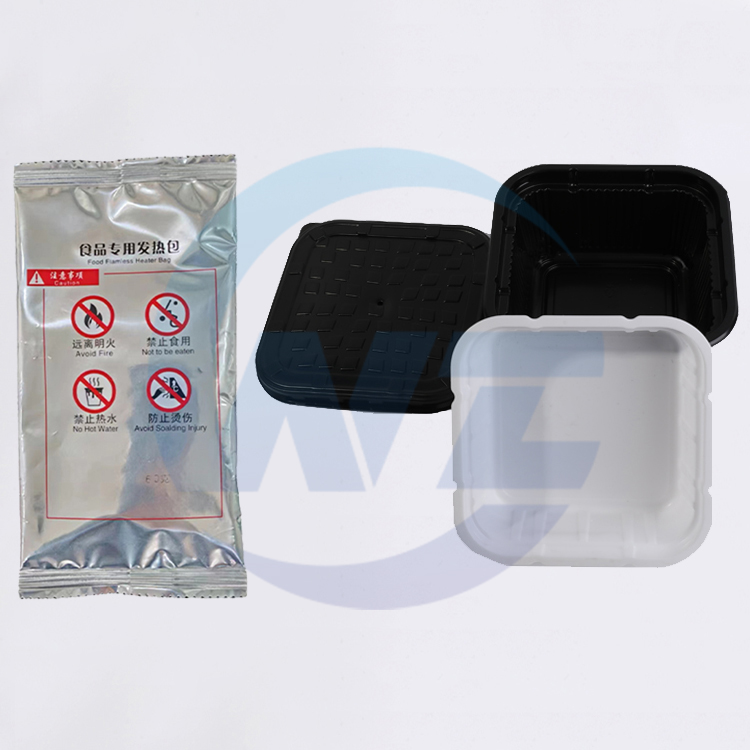
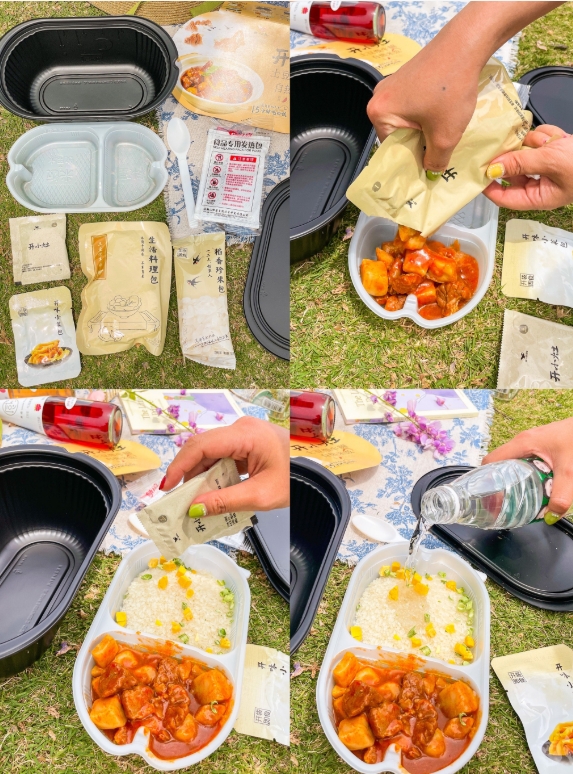
Unlike professional gear that assumes user competency, retail FRHs must be incredibly intuitive. Clear, pictogram-based instructions and simple “just add water” activation mechanisms are essential to ensure a cold, stressed homeowner can successfully heat a meal without reading a manual.
Long-Term Shelf Stability
Consumers buy emergency kits and forget about them. Retail FRHs must feature high-barrier vacuum packaging that guarantees a 1-year shelf life without chemical degradation, ensuring the heater works perfectly years after purchase.
Flameless and Indoor-Safe Operation
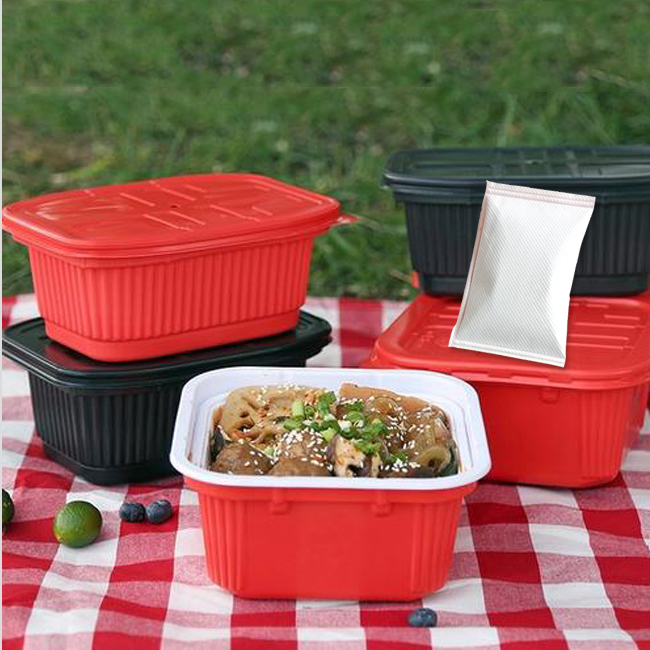
During natural disasters, families are often confined to small rooms or vehicles. FRHs provide a completely flameless heat source, eliminating the carbon monoxide and fire hazards associated with camping stoves, making them safe for indoor emergency use.
Consumer-Friendly Packaging
Shelf appeal matters. Retail-ready FRHs feature professionally designed, multi-lingual outer packaging that clearly communicates the product’s purpose, safety features, and heating duration, reducing customer confusion and returns.
How are FRHs adapted for the emergency retail market?
Transitioning FRHs from industrial supplies to retail products requires specific adaptations in manufacturing and quality control.
Retail-Specific Formulation
Manufacturers adjust the magnesium and salt ratios to ensure a steady, manageable heat curve rather than an aggressive, rapid spike. This prevents the outer bag from becoming dangerously hot to the touch, prioritizing safety for families with children.
High-Barrier Sealing Processes
To guarantee the multi-year shelf life consumers expect, retail FRHs undergo advanced vacuum-sealing processes using premium moisture-barrier films. This ensures ambient humidity cannot penetrate the bag during years of storage in a damp garage or basement.
Compliance and Certification
Retail products face intense legal scrutiny. Manufacturers must secure comprehensive dangerous goods certifications (like UN3363) and ensure all materials are fully compliant with consumer safety regulations, providing retailers with legal protection.
Popular Uses of Emergency Retail FRHs
Home Disaster Preparedness
The primary market driver. Families stockpile FRHs alongside canned goods and water to ensure they can enjoy hot meals during extended power outages caused by hurricanes, blizzards, or earthquakes.
Vehicle Emergency Kits
Commuters and travelers are increasingly buying FRHs to keep in their car trunks. If stranded on an icy highway, a flameless heater provides a safe way to warm food without leaving the vehicle or exposing themselves to the elements.
Community and Church Relief Drives
Local organizations purchase retail-packed FRHs in bulk to assemble care packages for vulnerable populations before forecasted disasters, relying on the retail packaging to be user-friendly for elderly or non-English speaking recipients.
How to choose an FRH supplier for the retail market?
Consider the end-user’s skill level
Choose a supplier who designs for the lowest common denominator. If the activation process requires precise water measurements or complex folding, it will lead to customer service complaints. Demand foolproof designs.
Determine retail packaging needs
Can the supplier provide custom branding, hanging tabs for peg displays, or multi-packs tailored for retail? A supplier with flexible packaging capabilities will help your product stand out on the shelf.
Safety and liability first
Partner with a supplier who carries robust liability insurance and provides verifiable safety data. When selling to the general public, the risk of misuse is higher; your supplier must share the burden of safety compliance.
How to care for retail FRH inventory?
Proper storage
Store FRHs in a dry, cool place away from direct sunlight and moisture. Even retail-ready packaging can degrade if left in hot warehouse lofts or damp loading docks, compromising the 1-year shelf life guarantee.
Follow instructions for use
Ensure your retail staff and online listings emphasize the importance of following the instructions. Remind consumers never to use the heater in a completely sealed, unventilated space due to the natural off-gassing of hydrogen.
Conclusion
The surge in the emergency preparedness retail market presents a massive opportunity for B2B buyers, but only if the products meet the high safety and usability standards of the general public. By sourcing retail-ready FRHs with foolproof activation, long shelf lives, and certified indoor safety, you can build brand trust and capture this growing demographic. Do not settle for industrial leftovers—demand products designed for the retail consumer.

If you think this article is helpful, please contact us. We will give you reasonable and suitable product recommendations based on your current situation. If you are not sure, you can also consult us. We will provide you with professional services to answer your questions. You are welcome to consult us at any time and we welcome all customers to conduct on-site inspections!
FAQ’s
What is driving the consumer demand for FRHs in the retail market?
The increasing frequency of severe weather events, power grid instabilities, and a broader cultural shift toward self-reliance are driving everyday consumers to build home and vehicle emergency kits, making FRHs a retail necessity.
How do FRHs work without an open flame?
FRHs use a patented exothermic chemical reaction. When water is added to the heater pad, it activates a mixture of magnesium powder, iron, and salt. This oxidation reaction generates significant heat without requiring a match, lighter, or any combustion.
Are flameless ration heaters safe to use indoors during a power outage?
Yes, they are specifically designed as a safe alternative to camping stoves. Because there is no combustion, there is no risk of carbon monoxide poisoning or starting a fire. However, they do produce small amounts of hydrogen gas, so they should be used in a moderately ventilated area.
What shelf life should a retail FRH guarantee?
For the retail emergency market, a minimum shelf life of 1 years is standard. This ensures that consumers can buy the product, store it in their pantry, and rely on it functioning correctly years later when a disaster strikes.
Can FRHs be used to heat liquids like soup or coffee?
While they are primarily designed to heat pre-cooked solid meals in sealed pouches, they can effectively warm liquid retort pouches. However, consumers must ensure the liquid pouch is properly sealed inside the heater bag to avoid spills that could quench the chemical reaction.
How should retailers display FRHs to maximize sales?
FRHs should be merchandised in the emergency preparedness, camping, or canned meat aisles. Suppliers who offer retail-ready packaging with hanging tabs, bold “Just Add Water” graphics, and clear shelf-life printing help retailers move product faster.
Why is supplier liability insurance critical for retail FRH buyers?
Because retail consumers may misuse products in stressful, untrained situations, the risk of liability claims is higher than in professional markets. A supplier with robust liability insurance and verified safety certifications protects the retailer from bearing the full brunt of legal claims.
STAY IN THE LOOP