by Kevin
Share
by Kevin
Share
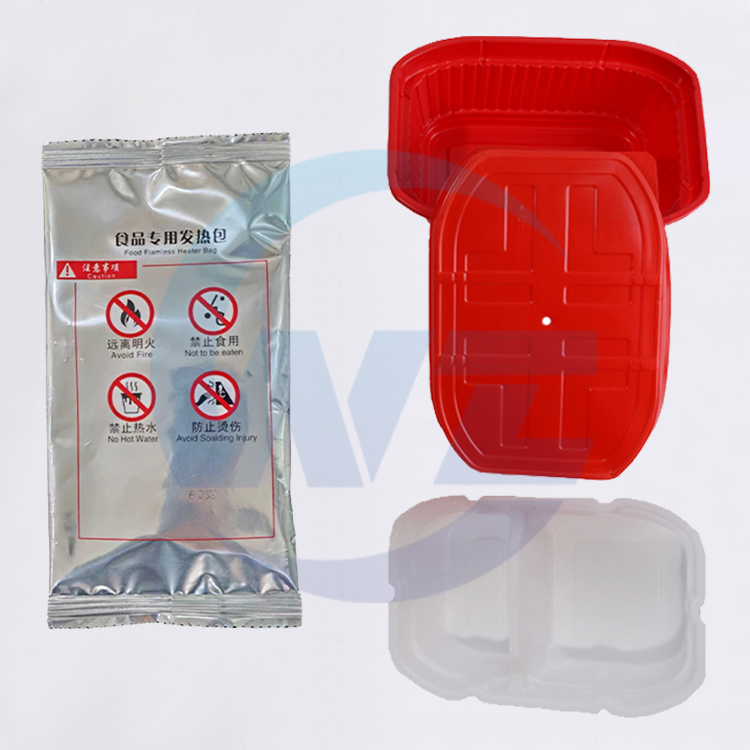
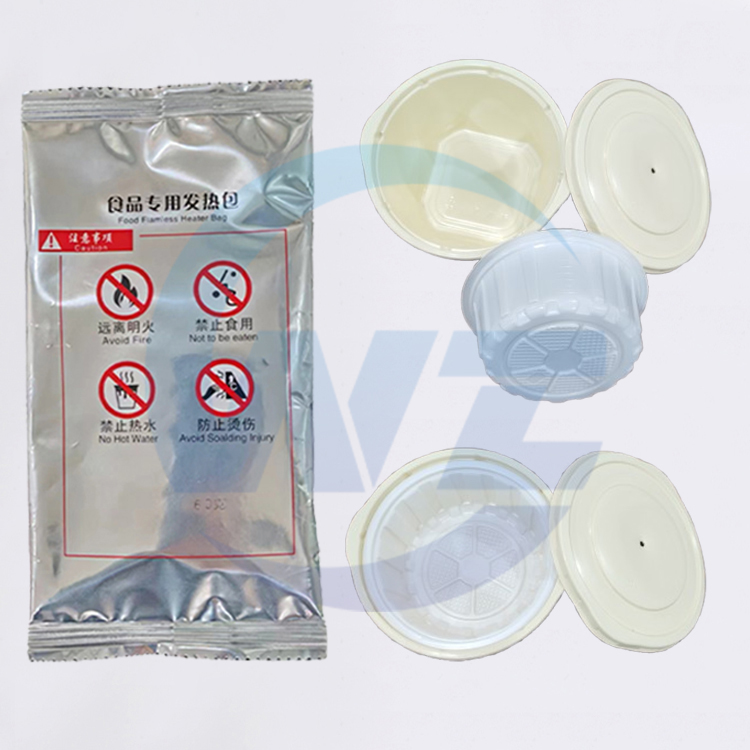
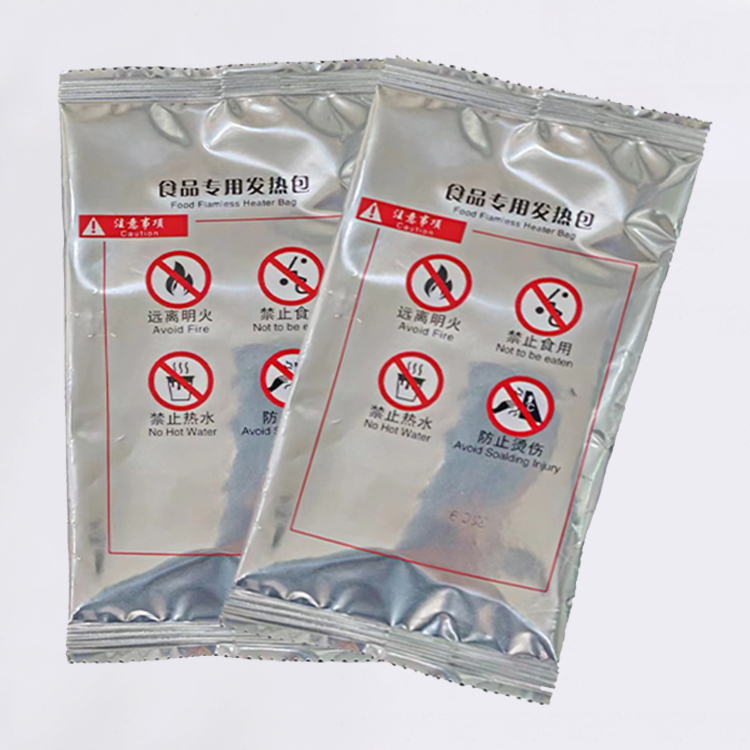
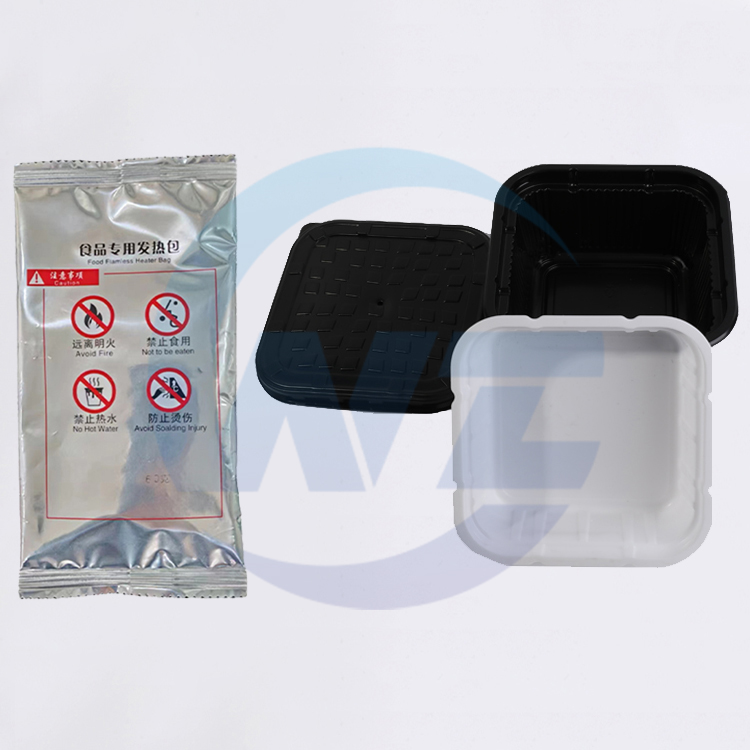
For decades, Meal, Ready-to-Eat (MRE) systems and Flameless Ration Heaters (FRHs) have relied heavily on multi-layer plastic laminates. While these high-barrier materials excel at preserving chemical shelf-life, they create a massive environmental headache. Millions of discarded single-use plastic heating sleeves wind up in landfills or backcountry trails after, disaster relief operations, and hiking trips.
As global outdoor brands and government defense departments face intensifying pressure to meet strict ESG (Environmental, Social, and Governance) mandates, a critical question has emerged: Are biodegradable FRH bags the future of eco-friendly MREs?
The short answer is yes—but only if they can match the rigorous technical performance of traditional plastics. As an industry-leading direct manufacturer and exporter, our R&D facility has been at the forefront of engineering sustainable exothermic packaging solutions. Here is an objective look at the technical breakthroughs, manufacturing realities, and supply chain benefits of shifting to green heating alternatives.
The Technical Challenge: Balancing Decomposition with Shelf-Life
The reason the B2B market has been slow to adopt sustainable FRHs isn’t a lack of interest; it is a materials science bottleneck. Traditional FRH outer bags are designed to completely block moisture and oxygen to prevent the active magnesium powder from degrading over a 3-to-5-year shelf life.
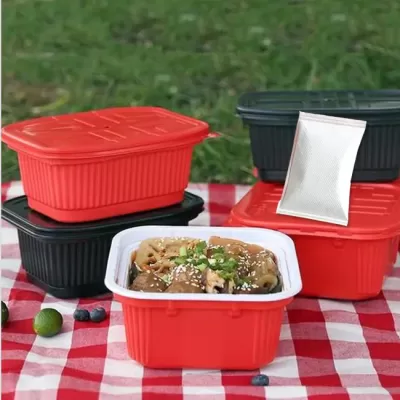
True biodegradable FRH bags must solve a difficult paradox: they must remain completely inert and robust during long-term warehouse storage, yet break down efficiently once disposed of in industrial or home composting environments.
Our Sustainable Engineering Solution
To bridge this gap, our factory utilizes advanced certified bioplastics (such as PLA and PBAT blends) co-extruded with high-barrier plant-derived cellulose layers. This creates an eco-friendly pouch that:
1.Maintains a stable 2-to-3-year shelf life when stored in standard dry warehouse conditions.
2.Withstands the intense 95°C (203°F) steam and vapor pressure generated during the exothermic water activation process.
Why Green Supply Chains Win Big in B2B Sourcing
Switching to biodegradable FRH bags is no longer just a marketing gimmick; it is a major competitive advantage for B2B procurement managers:
- Justifying Premium Outdoor Retail Margins: Modern hikers and campers are willing to pay a premium for carbon-neutral or zero-waste products. Integrating an eco-friendly heater into your branded RTE meal kit instantly elevates your brand equity.
-
Direct Factory Customization: Operating as a direct factory, we allow you to customize dimensions and print your custom logos using eco-friendly, soy-based inks directly onto the compostable sleeves, ensuring full visual branding alignment.
Conclusion: The Sustainable Shift is Happening Now
Biodegradable chemical heating bags represent the next frontier in emergency and outdoor food logistics. By replacing fossil-fuel-based plastics with bio-composites without sacrificing peak thermal performance or logistics safety, brands can confidently transition into a circular economy.
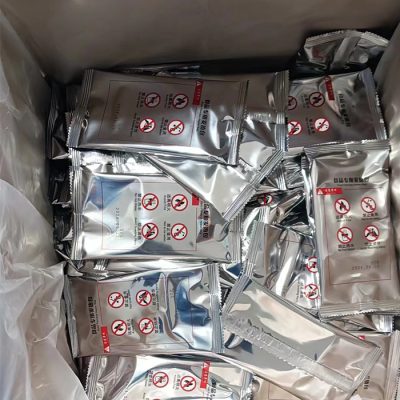
As your verified工贸一体 manufacturing partner, we are fully equipped to guide your brand through this green transition—from initial lab prototyping to large-scale, automated eco-friendly production.
👉 [Contact Our Green Materials R&D Team Today] to request physical samples of our compostable FRH bags and explore the future of sustainable self-heating technology!
FAQ: Common Procurement Questions regarding Sustainable MRE Kits
Q: Can these sustainable heaters withstand extreme sub-zero field environments?
A: Yes. The chemical formulation inside the pad remains highly reactive to water regardless of outer packaging changes. The bio-composite bag is specifically engineered not to become brittle in sub-zero alpine conditions, guaranteeing a 99.8% stable exothermic activation rate whether deployed in a high-altitude mountain camp or a sub-zero disaster relief zone.
STAY IN THE LOOP