by Kevin
Share
by Kevin
Share
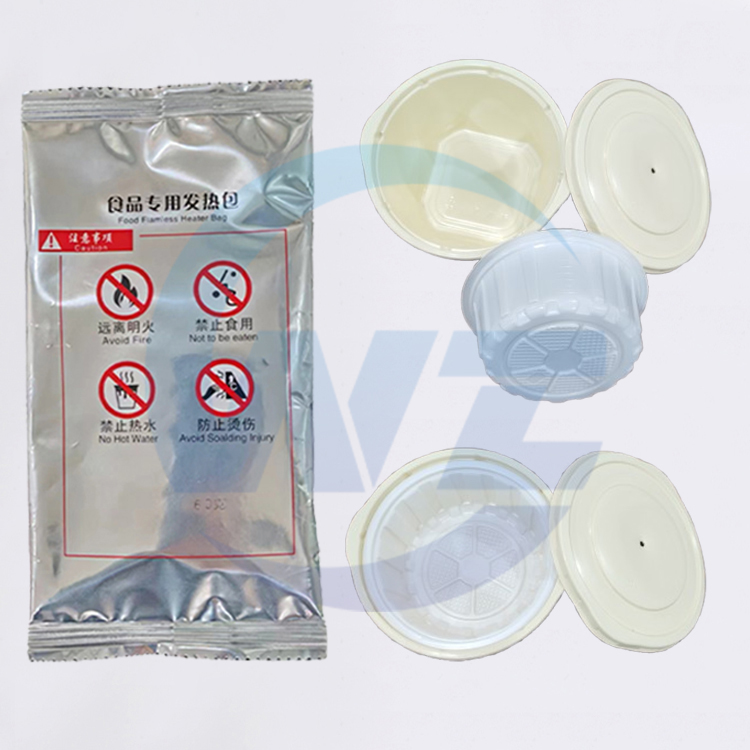
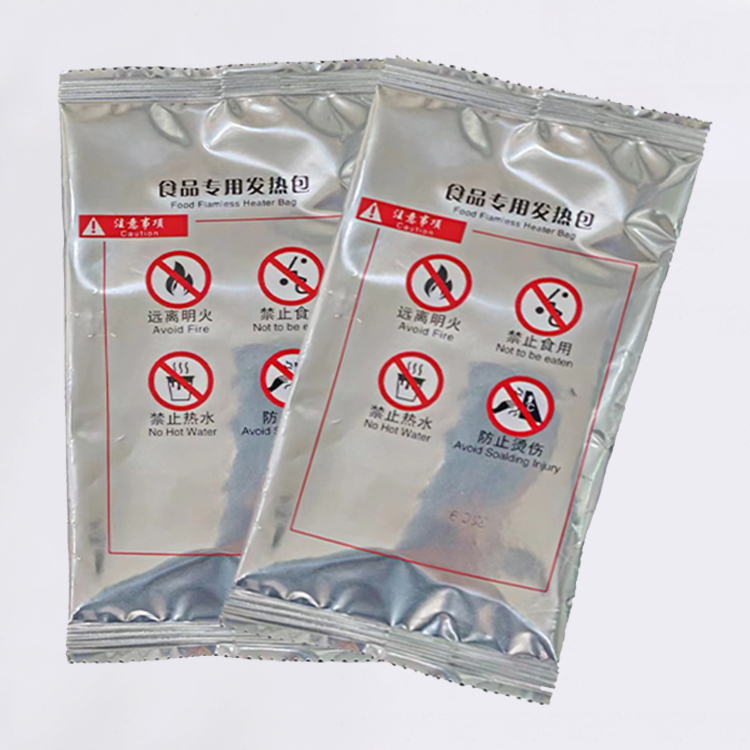
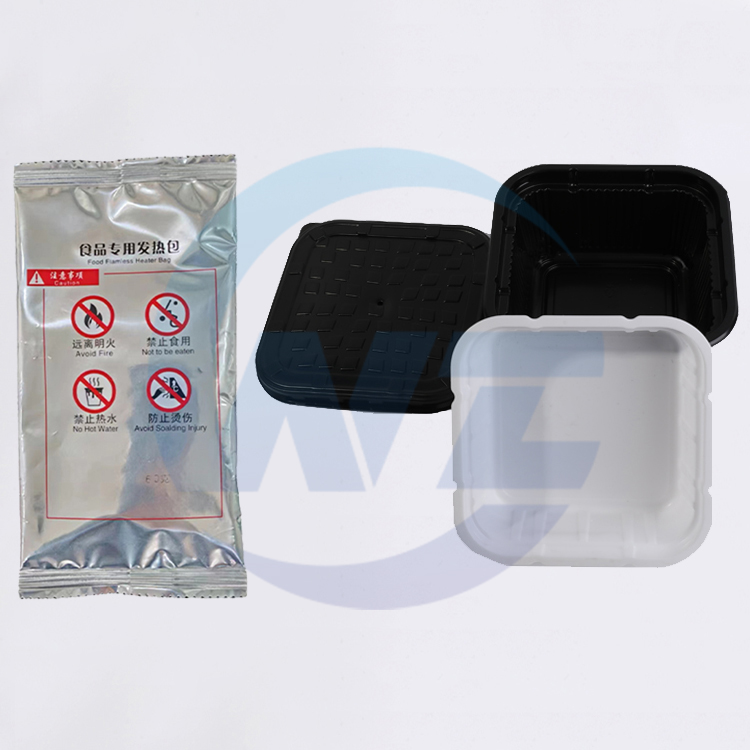
The global market for Flameless Ration Heaters (FRHs) and water-activated food packaging is experiencing a significant commercial expansion. Historically viewed as niche emergency components, these self-heating elements have firmly transitioned into mainstream B2B supply chains, commercial outdoor retail, and corporate disaster-preparedness frameworks.
Driven by an accelerating demand for on-the-go meal solutions and autonomous heating systems, the market is projected to see steady upward momentum over the next five years (2026–2031).
Market Overview and Forecast Numbers
The broader self-heating packaging industry, which heavily relies on FRH chemistry, entered 2026 with a strong valuation of over $65 billion. According to recent industry data, the market is on track to maintain a steady compound annual growth rate (CAGR) of 4.4% to 4.8% over the next five years.
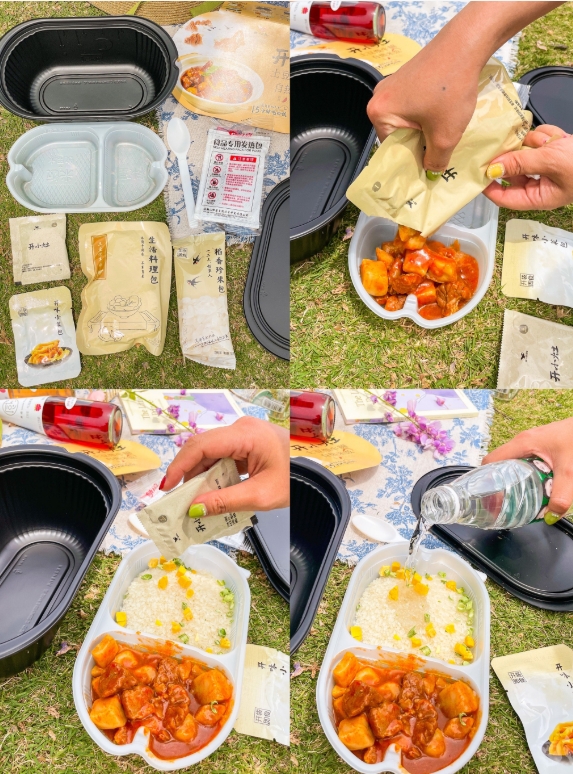
This growth trajectory is expected to push the global market value well past $80 billion by 2031. This steady rise reflects a stabilization in production costs paired with a widening consumer application base that stretches far beyond traditional relief distribution.
Primary Drivers of the 5-Year Expansion
The projected multi-billion-dollar growth is not accidental; it is being propelled by clear structural shifts in consumer behavior and corporate procurement strategies.
-
The Rise of Commercial “On-the-Go” Dining: Modern urbanization has drastically changed eating habits. Fast-moving commuters, long-haul logistics drivers, and field-based workforce sectors increasingly look for nutritious, hot meals that require no microwave, stove, or open flame.
-
Boom in Outdoor Recreation and Adventure Tourism: Backpacking, high-altitude mountaineering, and off-grid camping have seen sustained global participation. FRH-integrated meal kits are now standard retail inventory because they offer lightweight, weather-resistant, and high-reliability heating in freezing or high-wind environments.
-
Corporate and Municipal Disaster Preparedness: Extreme weather events and localized infrastructure vulnerabilities have changed how organizations approach risk. Corporate offices, local governments, and municipal utilities are buying bulk self-heating food kits to ensure operational continuity during prolonged power grid failures.
Segment Analysis: Formats and Chemical Trends
The market is diversifying its technical formats to optimize weight, heat curves, and corporate sustainability targets.
While rigid containers and self-heating cans continue to hold a massive chunk of total revenue, flexible pouches are pacing the highest growth rate. Brands are actively migrating to flexible pouches because they reduce raw material volume, lower shipping weights, and compress carbon footprints across the logistics chain.

On the chemical side, quicklime-and-water setups maintain a highly cost-effective foothold. However, high-density metallic powder blends (like aluminum or magnesium-iron formulas) are favored where rapid, high-temperature spikes are required for dense, premium ready-to-eat meals.
Regional Growth Hotspots
While North America remains the largest single market by revenue—driven by deeply entrenched outdoor retail networks and a robust emergency management sector—the Asia-Pacific (APAC) region is the fastest-growing engine.
Accelerating urbanization in countries like India, China, and Thailand, combined with the rapid expansion of localized B2B e-commerce platforms, is making self-heating food kits highly accessible to massive, newly urbanized middle-class demographics.
Conclusion
The next five years will see the FRH market solidify its place as a staple of modern convenience and resilience. For B2B buyers, food manufacturers, and supply chain managers, investing in flexible, chemically stable, and regulatory-compliant self-heating technology is an optimal play to capture this rising tide of consumer and corporate demand.
STAY IN THE LOOP