by Kevin
Share
by Kevin
Share
Solo hiking gives you a unique sense of freedom. You choose the route, set your own pace, stop whenever you want, and experience the outdoors without coordinating with a group.
But traveling alone also means carrying and managing everything yourself.
Your shelter, clothing, water, navigation equipment, emergency supplies, and food all have to fit into one backpack. Every unnecessary item adds weight, takes up valuable space, and can make a long hiking day more tiring.
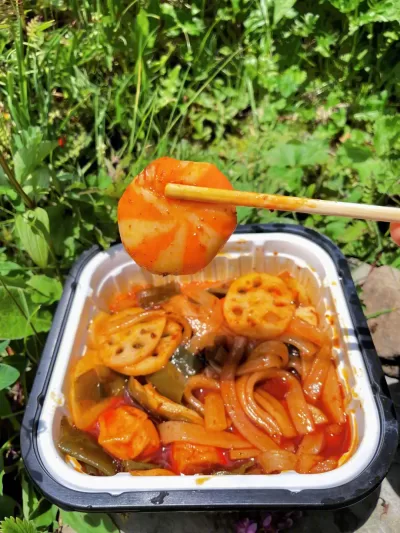
This is why Solo Hiking Food is becoming an important consideration for lightweight outdoor adventures.
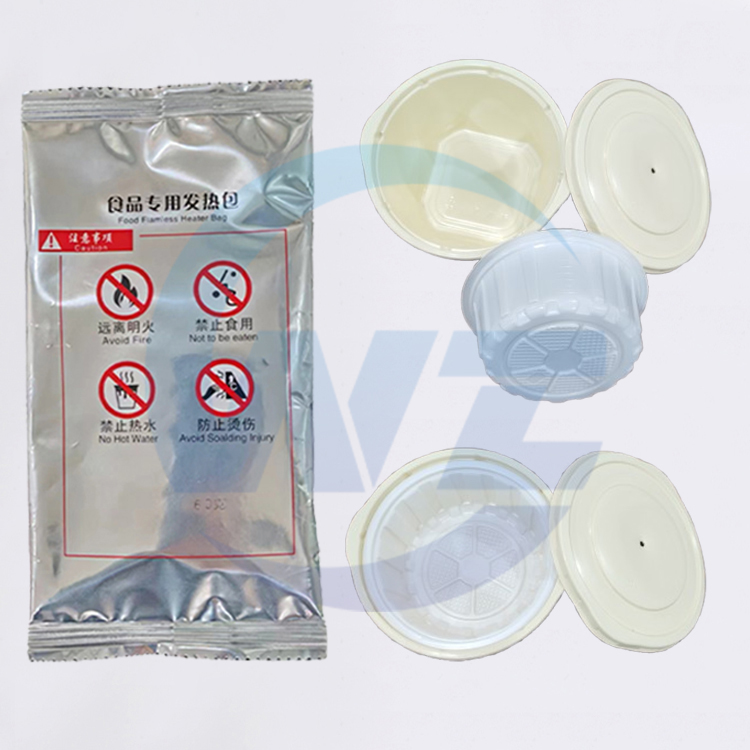
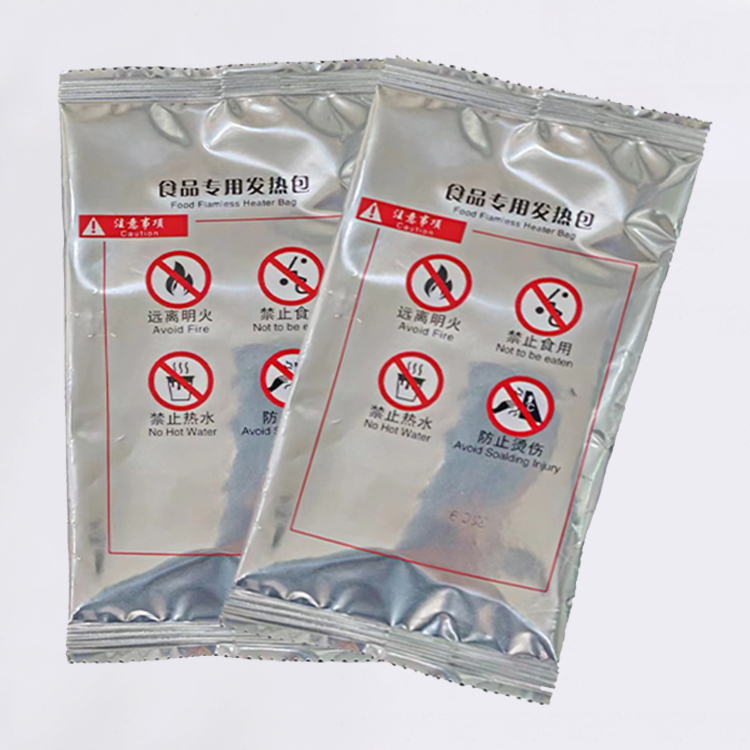
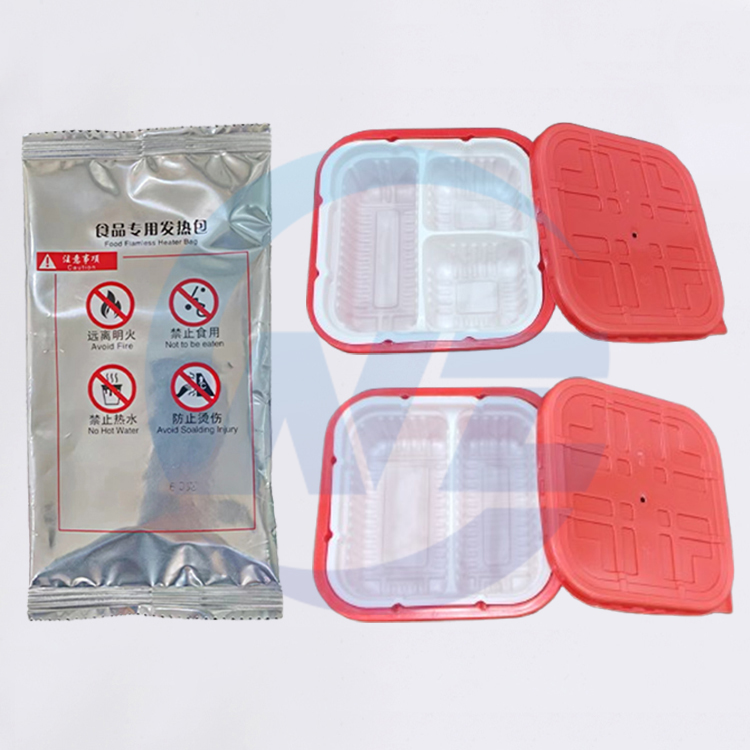
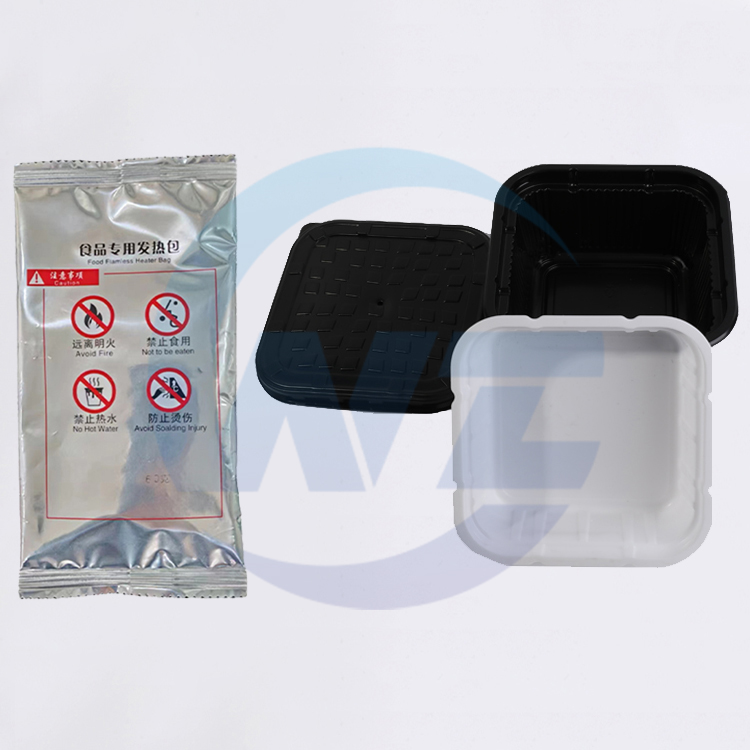
For many solo hikers, a Self Heating Bag for Food can provide a simpler alternative to carrying a traditional stove, fuel canister, cookware, and additional cooking accessories.
Instead of building a complete outdoor kitchen, hikers can carry compatible ready-to-eat meals together with a compact heating system.
Why Food Weight Matters on a Solo Hike
When hiking with a group, cooking equipment can sometimes be shared.
Solo hikers do not have that advantage.
One person may need to carry:
- Stove
- Fuel
- Cooking pot
- Utensils
- Wind protection
- Matches or ignition equipment
- Cleaning supplies
- Food
- Water
The combined weight can become significant over a long-distance route.
A portable food heating system can reduce the amount of dedicated cooking equipment required.
The objective is simple:
Carry less equipment while still having access to a warm meal.
Traditional Stove vs. Self Heating Bag for Food
A traditional stove is versatile. It can boil water, cook ingredients, prepare drinks, and handle different types of meals.
However, versatility comes with additional equipment.
A Self Heating Bag for Food is designed around a different concept: heating a compatible prepared meal with a compact, integrated system.
| Feature | Traditional Stove | Self Heating Bag |
|---|---|---|
| Stove required | Yes | No conventional stove |
| Fuel required | Usually | Product dependent |
| Cookware | Usually required | Often unnecessary |
| Meal preparation | More flexible | Designed for compatible meals |
| Setup | Multiple components | Simple activation |
| Cleanup | Cookware may need cleaning | Minimal cookware |
| Pack organization | More components | More compact system |
| Best suited for | Cooking from ingredients | Heating prepared meals |
Neither solution is universally better.
The right choice depends on what you want to eat and how much equipment you are willing to carry.
For hikers who mainly want a warm, convenient meal, a self-heating system can be particularly attractive.
What Makes a Self Heating Bag Different?
A Self Heating Bag for Food combines the heating mechanism and outer packaging into a compact system.
Instead of placing a pot over a conventional heat source, the compatible food package is placed into or positioned with the heating pouch.
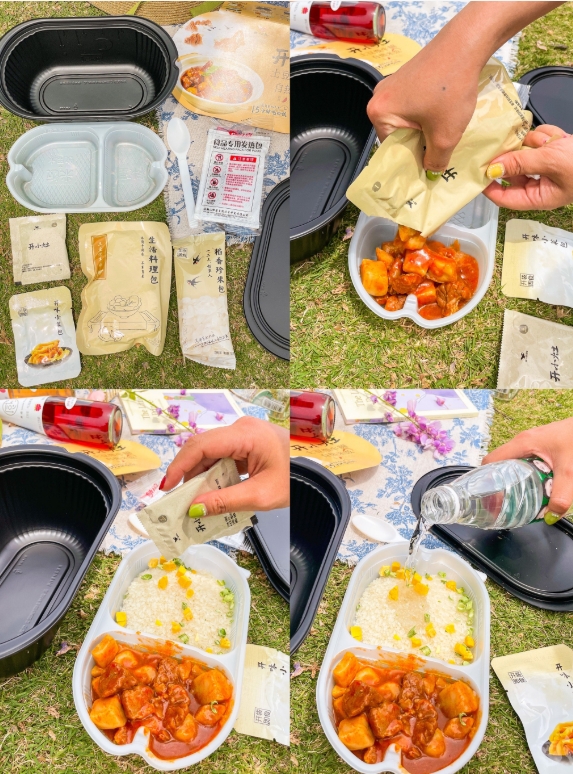
A typical activation process follows several simple steps:
Insert Meal → Add Recommended Water → Activate → Wait → Eat
The heating material reacts with the specified amount of water and generates heat.
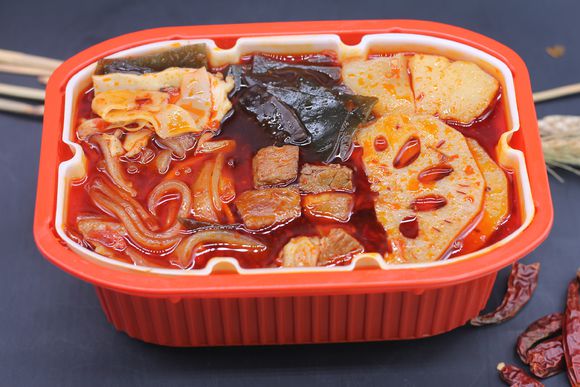
That thermal energy transfers through the packaging and warms the food.
The actual heating time and temperature depend on the formulation, food quantity, package construction, ambient conditions, and other factors.
For this reason, users should always follow the product’s specific instructions.
Lightweight Hiking Food: More Than Just Saving Grams
When choosing Lightweight Hiking Food, weight is only one consideration.
A good solo-hiking meal should also be:
- Compact
- Easy to carry
- Easy to prepare
- Stable during transportation
- Suitable for the expected hiking conditions
- Easy to consume
- Simple to clean up
This is where self-heating meal systems can offer an advantage.
Instead of carrying separate cookware and fuel equipment, the heating function becomes part of the meal system.
That can make backpack organization easier and reduce the number of individual components that need to be checked before departure.
Why Solo Hikers May Prefer Portable Meal Heating
Solo hiking often involves making small decisions throughout the day.
Where should I stop?
How much water should I carry?
Should I continue another five miles?
Do I really need to set up a complete cooking station?
A Portable Meal Heating solution can simplify one of those decisions.
When the meal is already prepared and only needs heating, there may be no need to spend additional time measuring ingredients, preparing cookware, or cleaning a cooking pot.
This is especially useful after a long day when convenience becomes just as important as weight.
Less Equipment Can Mean a Simpler Backpack
A traditional cooking setup may include several separate components.
For example:
Stove + Fuel + Pot + Utensils + Ignition + Food
A self-heating meal system may instead be organized around:
Meal + Heating Bag + Activation Water
The exact configuration depends on the product.
This does not mean every solo hiker should eliminate their stove. Some trips require cooking flexibility, boiling water, or preparing multiple meals.
But if the goal is simply to warm a compatible ready-to-eat meal, a self-heating system can provide a more focused solution.
The Role of a Flameless Ration Heater in Solo Hiking
The term Flameless Ration Heater is commonly used for compact, water-activated food heating systems.
For consumer outdoor products, the concept is straightforward:
- Prepare the packaged meal.
- Place the meal with the heating system.
- Add the recommended amount of water.
- Allow the heating reaction to take place.
- Wait for the specified heating period.
- Remove and enjoy the meal according to the product instructions.
Unlike a conventional stove, the system does not require a cooking flame.
However, flameless does not mean risk-free.
The heating pouch can become very hot and may generate steam or other reaction byproducts. Users should follow the manufacturer’s instructions and use the product only in the recommended location.
Is a Self Heating Bag Better for Long-Distance Hiking?
For long-distance hikers, the answer depends on the meal strategy.
If your meals require boiling water, cooking raw ingredients, or preparing several portions, a traditional stove may remain more practical.
If your meals are already prepared and only need warming, a Self Heating Bag for Food may provide several advantages:
Compact Equipment
There is no conventional burner or cooking pot.
Simple Preparation
The meal can be heated using the specified activation process.
Less Cleanup
Because the meal remains inside its food packaging, there may be little or no cookware to clean.
Easy Portion Control
Individual meal packages can be prepared according to serving size.
Flexible Meal Timing
Solo hikers can heat food when they need it instead of establishing a full cooking routine.
Solo Hiking Food for Different Types of Trips
A self-heating meal system can be adapted to different outdoor scenarios.
Day Hikes
For longer day hikes, a warm meal can provide a convenient alternative to cold sandwiches and snacks.
Overnight Hiking
A compact heating system can simplify dinner preparation at camp.
Multi-Day Backpacking
Pre-portioned meals can make food organization easier.
Cold-Weather Hiking
Warm food can be particularly appealing when temperatures fall after sunset, provided the heating product is used according to its instructions.
Remote Outdoor Travel
When conventional cooking equipment is inconvenient to carry, portable food heating can provide another option.
What Food Works Best With a Self Heating Bag?
Not every food product is suitable for every heating system.
The best results typically come from meals designed and tested specifically for the heating configuration.
Potential meal formats include:
- Rice-based meals
- Pasta meals
- Prepared vegetables
- Grain-based meals
- Ready-to-eat stews
- Packaged convenience meals
The food container must be compatible with the heating process.
Commercial food manufacturers should test the food + container + heating pouch as a complete system rather than treating each component independently.
How to Choose a Heating Bag for Solo Hiking
If you are comparing different heating systems, look beyond the headline temperature.
1. Size
Choose a pouch appropriate for the meal package.
2. Heating Capacity
The heating system should match the food quantity.
3. Activation Method
The instructions should be simple enough for users to understand outdoors.
4. Heating Time
Check whether the heating cycle matches the intended use.
5. Package Compatibility
Make sure the meal packaging can withstand the heating process.
6. Storage Requirements
Review shelf-life and recommended storage conditions.
7. Handling
The packaging should provide clear instructions for handling the heated pouch.
8. Disposal
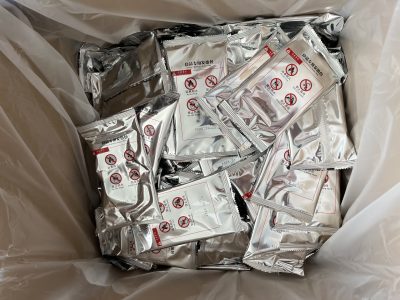
Users should know how to manage used heating materials and packaging after the meal.
What About Traditional Stove Advantages?
A fair comparison should also recognize where traditional stoves remain superior.
A stove provides greater cooking flexibility.
You can use it to:
- Boil drinking water
- Prepare coffee or tea
- Cook raw ingredients
- Adjust cooking time
- Prepare multiple servings
- Reheat different types of food
A self-heating bag is more specialized.
Its strength is convenience rather than versatility.
Therefore, the choice comes down to one fundamental question:
Do you want to cook, or do you mainly want to heat a prepared meal?
For the second scenario, a self-heating system can be an excellent option.
Portable Meal Heating Without a Full Outdoor Kitchen
One of the biggest benefits of a self-heating system is that it changes the way hikers think about meal preparation.
Instead of asking:
“What cooking equipment do I need?”
You can ask:
“What meal system can provide what I need with the least equipment?”
That change in perspective is particularly useful for solo hikers.
A compact meal system can simplify packing, preparation, and cleanup while allowing hikers to focus more on the trail.
Wordgen: OEM Self Heating Bag Manufacturer
Wordgen provides OEM and private-label manufacturing solutions for self-heating food products.
The company works with outdoor food brands, packaged-meal manufacturers, distributors, and private-label buyers looking to develop portable food heating products.
Wordgen can support customization in areas such as:
- Self Heating Bag for Food
- Flameless Ration Heater
- Custom pouch dimensions
- Private-label packaging
- Custom printed sleeves
- Heating specifications
- Packaging development
- Bulk production
For commercial buyers, product development should begin with the intended meal.
Important parameters include:
Meal Weight + Package Size + Heating Target + Activation Method + Storage Conditions + Target Market
Testing these factors together helps manufacturers develop a more consistent finished product.
Why Meal System Design Matters
A heating pouch should not be treated as an isolated accessory.
The final user experience depends on the complete system.
For example:
Food → Food Packaging → Heating Pouch → Water → Heating Time → Final Meal
Changing one element can affect the others.
A larger meal may require a different heating capacity.
A thicker food container may influence heat transfer.
A different package material may affect heating efficiency.
A cold starting temperature may change the required heating time.
This is why commercial buyers should conduct product testing before launching a new self-heating meal system.
Testing a Self Heating Bag Before Production
For outdoor food brands, a structured evaluation can include:
Heating Performance
Measure the temperature increase throughout the heating cycle.
Heating Uniformity
Check whether the center and edges of the meal heat consistently.
Package Strength
Inspect the heating pouch and meal package during activation.
User Experience
Test whether a first-time user can understand the instructions.
Cold-Weather Testing
Evaluate performance at lower ambient temperatures.
Transportation Testing
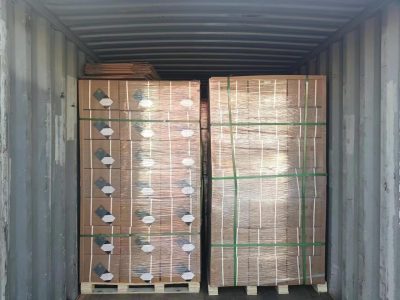
Check packaging integrity after shipping and handling.
Storage Testing
Evaluate performance throughout the intended shelf-life period.
These tests can help identify problems before mass production.
Solo Hiking Food: The Convenience Factor
The biggest advantage of a self-heating meal system may not be temperature or technology.
It may simply be convenience.
After several hours of hiking, many people want dinner to be simple.
They do not necessarily want to:
- Assemble a stove
- Measure fuel
- Prepare ingredients
- Wash a cooking pot
- Pack away multiple pieces of equipment
They want to sit down and eat.
A well-designed Self Heating Bag for Food can help turn meal preparation into a straightforward part of the hiking routine.
Conclusion: A Smarter Meal System for Solo Adventures
Solo hiking is about freedom, but freedom does not mean carrying everything.
Every item in a backpack should have a purpose.
For hikers who primarily eat prepared meals, a Self Heating Bag for Food can reduce the need for traditional cooking equipment while providing a convenient way to enjoy a warm meal.
A Flameless Ration Heater offers a compact alternative to conventional flame-based cooking systems for compatible food products, while Portable Meal Heating can simplify meal preparation during day hikes, overnight trips, and longer backpacking adventures.
Traditional stoves still have an important place in outdoor cooking, especially when flexibility is required.
But when the priority is lightweight equipment, simple preparation, and minimal cleanup, self-heating meals can be a compelling choice for solo hikers.
For brands developing this category, Wordgen provides OEM and private-label self-heating solutions designed around different meal formats, packaging requirements, and commercial applications.
The best hiking meal is not necessarily the one with the most cooking options.
Sometimes, it is simply the one that lets you eat well without carrying more than you need.
Frequently Asked Questions
1. What is the best food for solo hiking?
Lightweight, compact, shelf-stable, and easy-to-prepare meals are generally practical for solo hiking. Ready-to-eat meals compatible with a self-heating system can provide an additional convenient option.
2. Is a Self Heating Bag for Food lighter than a camping stove?
The total weight depends on the specific stove, fuel, cookware, heating pouch, and meal. A self-heating system can reduce the number of separate cooking components required, which may help simplify a lightweight pack.
3. Can a Flameless Ration Heater replace a camping stove?
Not in every situation. A stove is more versatile for boiling water and cooking different ingredients, while a flameless heater is primarily designed to warm compatible prepared food.
4. How does a Self Heating Bag for Food work?
A water-activated heating material generates heat when activated with the specified amount of water. The heat transfers through the packaging to warm the compatible food.
5. Can I use any food package with a heating bag?
No. The food package should be compatible with the heating system and tested for the intended heating conditions. Commercial products should be validated as a complete food-and-heating system.
6. How long does a self-heating meal take?
Heating time varies according to meal size, starting temperature, heating formulation, package construction, water quantity, and environmental conditions. Always follow the manufacturer’s specified heating procedure.
7. Can self-heating food be used during cold-weather hiking?
Yes, self-heating food systems can be designed for outdoor conditions, but performance may vary with ambient temperature. Products should be tested under the temperature conditions expected during actual use.
8. Does a flameless heater produce steam?
Some water-activated heating systems can generate steam or hot moisture during activation. Users should follow the manufacturer’s instructions and avoid direct contact with hot steam or heated surfaces.
9. Is a self-heating meal suitable for long-distance backpacking?
It can be, particularly when the meal is designed to be lightweight, compact, shelf-stable, and easy to heat. The overall food system should be evaluated based on the trip’s duration and nutritional requirements.
10. Can Wordgen manufacture private-label heating bags?
Yes. Wordgen can provide OEM and private-label solutions for companies developing self-heating food products, including customized packaging, pouch dimensions, printing, and production specifications.
STAY IN THE LOOP