by Kevin
Share
by Kevin
Share
When you’re far from roads, restaurants, and conventional cooking facilities, food becomes more than a simple part of the trip. A reliable meal can help make a long hiking day more comfortable and provide a practical source of energy when conditions are challenging.
For backpackers, campers, hikers, and outdoor travelers, one of the biggest challenges is finding a balance between food weight, preparation time, heating equipment, and convenience.
This is where modern food-heating technology can provide an alternative.
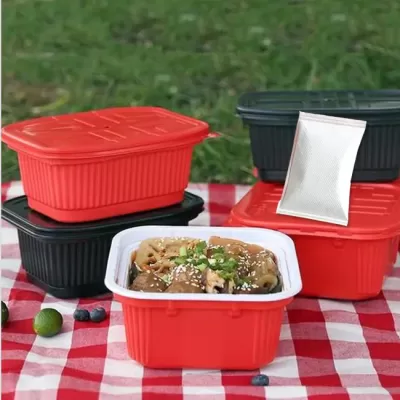
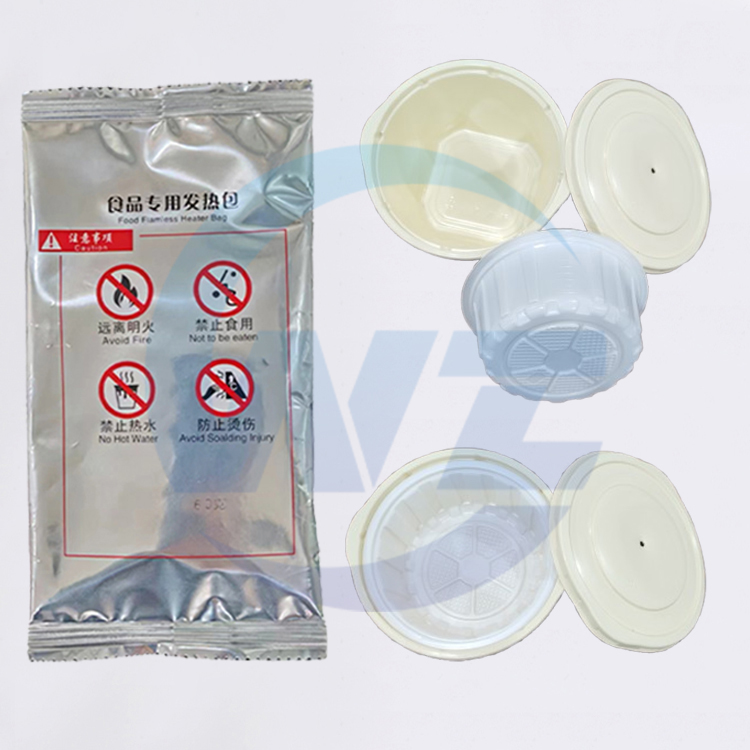
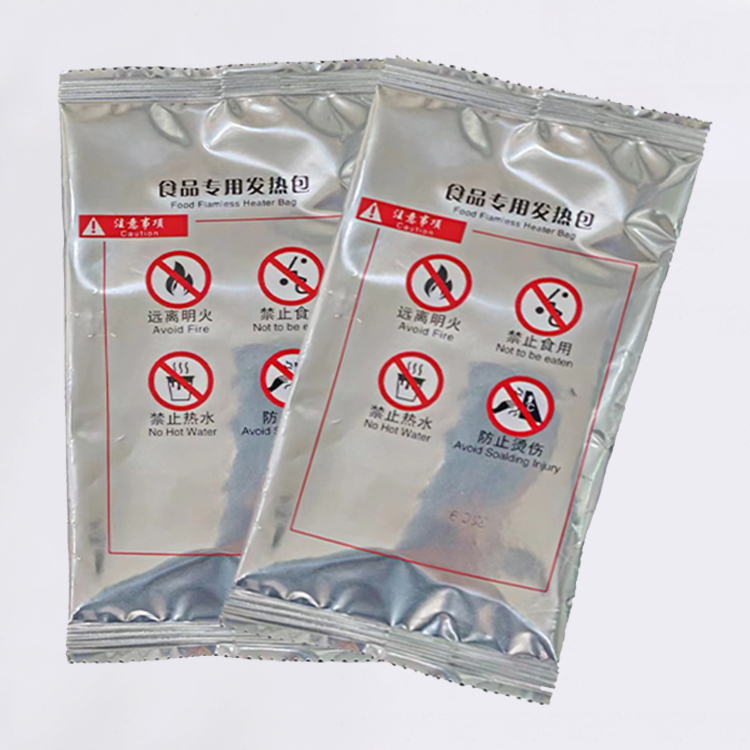
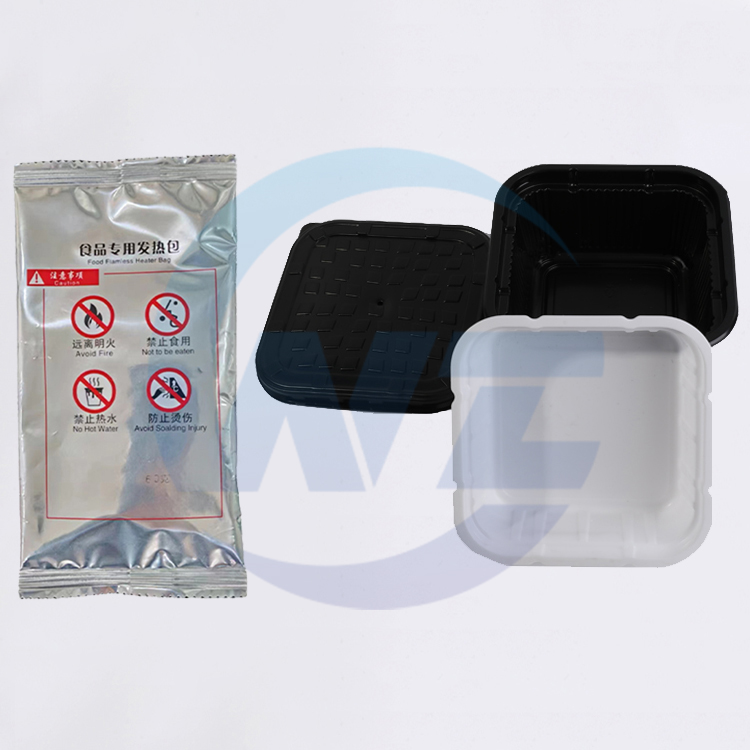
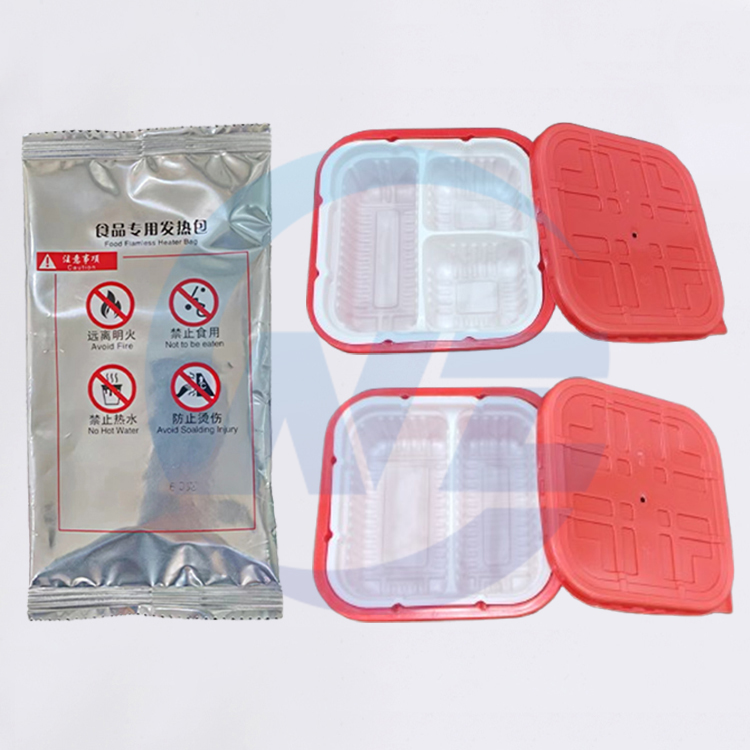
A Flameless Ration Heater can warm compatible packaged meals using a water-activated heating system, while a Self Heating Bag for Food provides a compact way to integrate heating directly into an outdoor meal solution.
For this article, the focus keyword is Outdoor Nutrition—a broader and more distinctive search topic that connects warm meals with practical food planning for outdoor activities.
Wordgen develops OEM and private-label self-heating solutions for outdoor food brands, packaged-meal manufacturers, distributors, and companies developing portable meal products.
What Is Outdoor Nutrition?
Outdoor Nutrition refers to the planning and management of food and beverages for activities such as:
- Hiking
- Backpacking
- Camping
- Trekking
- Adventure travel
- Road trips
- Remote outdoor recreation
Unlike eating at home, outdoor food needs to account for additional practical factors.
A good outdoor meal should ideally be:
Portable + Convenient + Stable + Easy to Prepare + Suitable for the Environment
Weight is particularly important for backpackers.
Carrying a complete cooking setup can add a stove, fuel, cookware, utensils, and other accessories to an already heavy backpack.
A self-heating meal system approaches the problem differently by combining a prepared food product with a dedicated heating solution.
Why Warm Food Matters on Outdoor Trips
Cold food is convenient, but a warm meal can provide a different experience after several hours outdoors.
Imagine reaching your campsite after hiking through a cold, windy environment.
Instead of unpacking a stove, fuel container, cooking pot, and utensils, you can prepare a compatible packaged meal using a self-heating system.
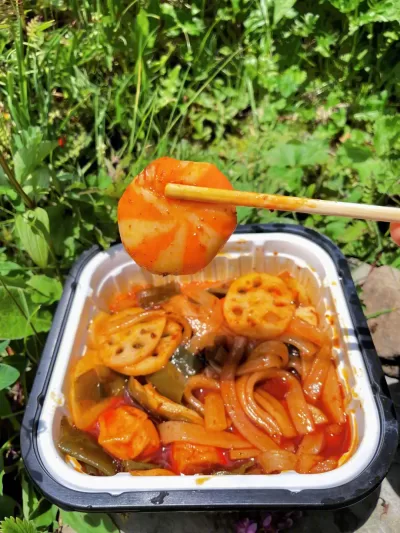
The goal isn’t to eliminate every form of outdoor cooking.
Instead, it’s to provide another option for people who prioritize:
- Simplicity
- Portability
- Quick preparation
- Minimal equipment
- Easy cleanup
This makes self-heating food particularly interesting for lightweight outdoor meal planning.
How Does a Flameless Ration Heater Work
A Flameless Ration Heater is a compact heating system designed to warm compatible food without a conventional cooking flame.
The basic concept is straightforward:
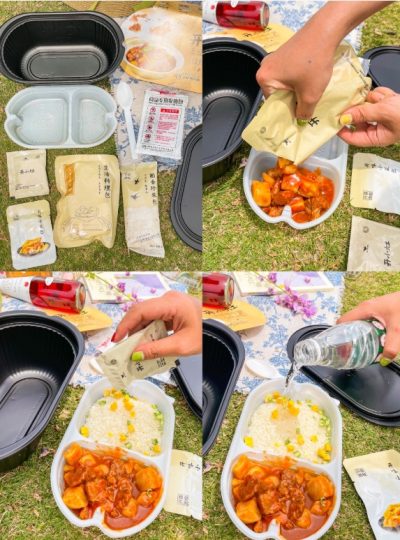
Place Meal → Add Recommended Water → Activate → Allow Heating → Enjoy
The heating material remains separated from the food.
When the specified amount of water is added to the heating area, a chemical reaction generates heat. That thermal energy transfers through the food packaging and warms the meal.
The exact heating performance depends on:
- Heating formulation
- Food weight
- Food starting temperature
- Package construction
- Ambient temperature
- Activation water quantity
- Heating time
Therefore, users should always follow the instructions supplied with the specific product.
Self Heating Bag for Food: A Compact Meal Solution
A Self Heating Bag for Food is designed to combine a heating function with an easy-to-use outer pouch.
Instead of carrying a conventional stove and cookware, users can use the heating pouch with a compatible packaged meal.
This can simplify the equipment required for outdoor meals.
A typical setup may look like:
Conventional Outdoor Cooking
Stove → Fuel → Pot → Water → Cooking → Cleaning
Self-Heating Meal
Meal → Heating Bag → Activation Water → Heating → Eat
The second approach is more specialized, but that specialization is also its advantage.
If your primary objective is to heat a prepared meal rather than cook raw ingredients, carrying a complete cooking system may not always be necessary.
Outdoor Nutrition Starts With Smart Meal Planning
The heating system is only one part of outdoor food preparation.
The meal itself needs to be considered carefully.
When developing Outdoor Nutrition products, brands and consumers should consider:
Meal Weight
A lighter package can be easier to transport during long-distance hiking.
Meal Volume
Food packaging needs to use backpack space efficiently.
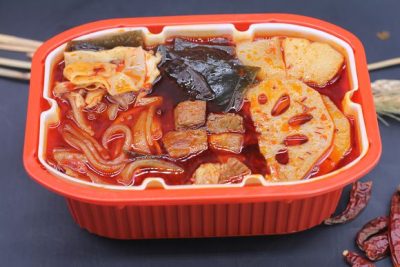
Serving Size
Meal portions should match the intended user and activity.
Preparation Method
The simpler the preparation process, the easier the meal can be used outdoors.
Packaging
The package needs to protect the food throughout transportation and use.
Storage
Shelf-life and recommended storage conditions should be clearly established.
Waste
The entire packaging system should be considered from activation through disposal.
Wilderness Food Hacks for Better Meal Preparation
There is no single perfect food strategy for every outdoor trip.
However, several practical principles can make meal planning easier.
1. Pre-Portion Your Meals
Pre-portioned meals can make food organization easier and reduce the need to carry additional containers.
2. Separate Food From Other Equipment
Keep meals organized in an accessible part of your backpack so they can be reached without unpacking everything.
3. Consider the Weather
Cold temperatures can influence heating performance and the time required to warm food.
4. Match the Heater to the Meal
A heating system should be selected according to the food weight, package dimensions, and desired heating performance.
5. Read the Instructions Before Your Trip
Outdoor conditions are not the best place to learn how a new product works.
Test the system before your trip so you understand the activation process.
6. Plan for Waste
Used heating components and food packaging should be handled according to product instructions and local regulations.
Why Traditional Stoves Aren’t Always the Most Convenient Option
Traditional camping stoves remain highly useful.
They provide flexibility for:
- Boiling water
- Preparing coffee
- Cooking ingredients
- Making multiple servings
- Adjusting cooking time
- Preparing different recipes
However, this flexibility comes with additional equipment.
A solo hiker may need to carry the stove, fuel, pot, ignition system, and utensils independently.
For someone eating prepared meals, this may be more equipment than necessary.
A self-heating meal system is therefore better viewed as an alternative meal-preparation method, rather than a universal replacement for a stove.
Fire-Safe Outdoor Cooking Considerations
Fire-Safe Outdoor Cooking has become an important topic for campers and outdoor brands because local restrictions can change depending on location, season, and environmental conditions.
A flameless heating system does not rely on a conventional cooking flame.
However, users should never assume that a flameless product is automatically permitted everywhere.
Before using a self-heating food product, check:
- Local fire restrictions
- Park regulations
- Campsite rules
- Product instructions
- Waste-disposal requirements
- Transportation requirements
Rules can vary significantly between different outdoor areas.
Responsible outdoor use means checking the regulations for the specific destination.
Cold Weather and Self-Heating Food
Outdoor temperatures can have an effect on heating performance.
When the surrounding environment is cold, the food may begin at a lower temperature, while the heating reaction and heat transfer may also behave differently.
For this reason, a commercial self-heating product should be evaluated under realistic conditions.
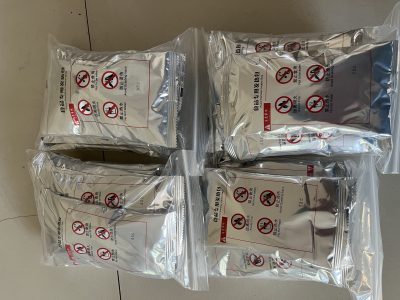
Useful testing scenarios can include:
- Standard room temperature
- Cool outdoor conditions
- Low-temperature conditions
- Different meal weights
- Different starting food temperatures
- Different packaging formats
This information can help brands establish realistic heating instructions instead of relying on a single test condition.
Camping Meal Prep With a Self Heating Bag
A practical Camping Meal Prep routine can be very simple.
Step 1: Prepare the Meal
Choose a compatible ready-to-eat food package.
Step 2: Pack the System
Keep the meal and heating pouch protected during transportation.
Step 3: Find a Suitable Location
Follow local regulations and select an appropriate area for activation.
Step 4: Add Water
Use the recommended amount of water specified by the manufacturer.
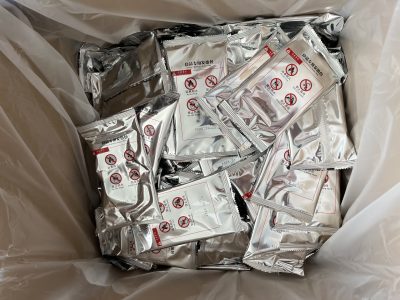
Step 5: Activate the Heater
Follow the activation instructions carefully.
Step 6: Allow the Meal to Heat
Wait for the recommended heating period.
Step 7: Handle Carefully
The heating pouch and surrounding components may become hot.
Step 8: Eat and Dispose Responsibly
Enjoy the meal and manage used materials according to the manufacturer’s disposal instructions and local requirements.
How Outdoor Brands Can Develop Better Self-Heating Meals
Self-heating technology isn’t only relevant to individual hikers.
It also creates opportunities for food manufacturers and outdoor brands.
A company can develop a complete product around:
Food + Packaging + Heating System + Instructions + Branding
Possible applications include:
- Hiking meals
- Camping dinners
- Backpacking meals
- Outdoor convenience food
- Travel meals
- Ready-to-eat food
- Emergency preparedness meals
- Private-label outdoor food products
This allows brands to differentiate their products through convenience rather than relying only on the food recipe itself.
Wordgen: OEM Self-Heating Food Solutions
Wordgen provides OEM and private-label manufacturing services for companies developing self-heating food products.
The company’s solutions can be customized according to the intended application and product design.
Potential customization areas include:
- Self Heating Bag for Food
- Flameless Ration Heater
- Custom pouch dimensions
- Private-label packaging
- Printed outer sleeves
- Heating specifications
- Packaging design
- Bulk production
For commercial projects, the heating pouch should be developed together with the food package.
A change in meal weight, container material, package dimensions, or desired serving temperature can affect the final heating performance.
This is why a complete product-development process should evaluate the meal and heating system together.
What Should Be Tested Before Launch?
For brands developing a new self-heating food product, laboratory and real-world testing can provide valuable information.
Heating Performance
Measure how quickly the meal reaches the intended serving temperature.
Heat Distribution
Check whether different areas of the meal heat consistently.
Package Integrity
Inspect the heating pouch and food package during activation and heating.
User Instructions
Determine whether consumers can understand the activation process without additional assistance.
Temperature Conditions
Test the product under different ambient conditions.
Transportation
Evaluate packaging after normal handling and transportation.
Storage
Test whether heating performance remains consistent throughout the intended storage period.
Disposal
Provide clear information for handling used heating materials.
A complete test program can help reduce unexpected problems after commercialization.
Outdoor Nutrition for Different Types of Adventures
Self-heating food can be incorporated into several outdoor scenarios.
Day Hiking
A warm meal can provide an alternative to cold snacks on longer day trips.
Backpacking
Compact food and heating systems can simplify meal organization.
Camping
Self-heating meals can reduce the amount of cooking equipment needed.
Trekking
Pre-portioned meals can be easier to organize during multi-day journeys.
Road Trips
Portable heating can be useful when conventional cooking facilities are unavailable.
The key is to match the product to the user’s specific needs.
Why Convenience Is Becoming an Important Part of Outdoor Food
Outdoor consumers increasingly value convenience.
They may not want every meal to become a cooking project.
For many hikers, the ideal meal is simply one that can be:
Carried Easily → Heated Simply → Enjoyed Quickly → Cleaned Up Easily
This is where self-heating technology can create a meaningful difference.
A well-designed Self Heating Bag for Food can turn a packaged meal into a more complete outdoor dining experience.
Conclusion: Making Warm Food Easier Outdoors
Good Outdoor Nutrition is not simply about choosing food with a long shelf life.
It is also about designing a practical system around transportation, preparation, heating, packaging, and disposal.
A Flameless Ration Heater provides a convenient way to warm compatible packaged meals without relying on a conventional cooking flame.
A Self Heating Bag for Food can further simplify the process by integrating the heating function into a compact package.
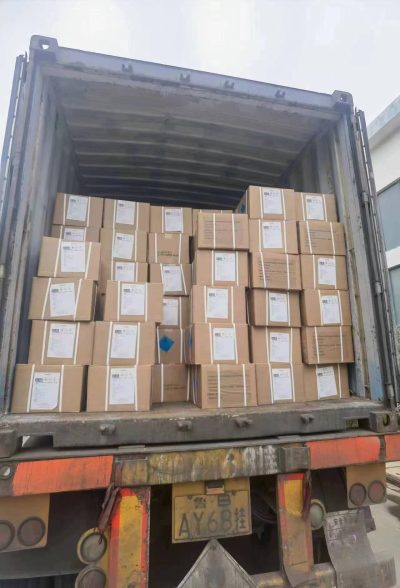
For outdoor food brands, the opportunity extends beyond individual products. A complete combination of food, packaging, heating technology, and user instructions can create a more convenient meal solution for hikers, campers, backpackers, and travelers.
Wordgen supports OEM and private-label development for companies looking to enter or expand within the self-heating food market.
When the trail is long and cooking equipment is limited, a thoughtfully designed self-heating meal can make one important part of the journey much simpler: enjoying a warm meal outdoors.
Frequently Asked Questions
1. What is Outdoor Nutrition?
Outdoor Nutrition refers to food planning for hiking, camping, backpacking, trekking, and other outdoor activities, with particular attention to portability, preparation, storage, and practical use.
2. How does a Flameless Ration Heater work?
A Flameless Ration Heater uses a water-activated heating material to generate thermal energy. The heat transfers through compatible food packaging and warms the meal.
3. Is a Self Heating Bag for Food suitable for backpacking?
It can be suitable for backpacking when the heating pouch is matched with a compatible lightweight meal and used according to the manufacturer’s instructions.
4. Does a self-heating bag require a stove?
No conventional stove is required for the heating function of a water-activated self-heating system. However, the product must be activated according to its specific instructions.
5. Can self-heating food be used in cold weather?
Many self-heating systems can be used in outdoor conditions, but cold temperatures can affect heating performance. Products should be tested and used within their specified operating conditions.
6. What type of food can be used with a self-heating bag?
Ready-to-eat meals such as rice dishes, pasta, vegetables, and other compatible packaged foods may be suitable. The food package and heating system should be tested together.
7. How much water does a self-heating bag need?
The required water quantity depends on the heating formulation and product design. Users should always use the amount specified by the manufacturer rather than estimating the quantity.
8. Can a Flameless Ration Heater replace a camping stove?
It can replace some stove-based meal-heating applications, particularly when users only need to warm prepared food. It does not provide the same cooking flexibility as a conventional stove.
9. What should outdoor brands consider when sourcing self-heating bags?
Brands should evaluate heating performance, pouch dimensions, meal compatibility, packaging materials, activation instructions, storage conditions, testing requirements, and target-market regulations.
10. Does Wordgen offer OEM self-heating bags?
Yes. Wordgen provides OEM and private-label manufacturing solutions for companies developing self-heating food products and customized heating systems.
STAY IN THE LOOP