by Kevin
Share
by Kevin
Share
When a severe storm, earthquake, flood, or other emergency interrupts electricity or gas service, preparing a warm meal can become unexpectedly difficult.
Your refrigerator may still contain food. Your emergency pantry may be stocked with ready-to-eat meals. But without electricity, a microwave and electric stove are unavailable, while conventional cooking equipment may not always be appropriate for the situation.
This is where a flameless ration heater for food can become a useful part of an emergency preparedness plan.
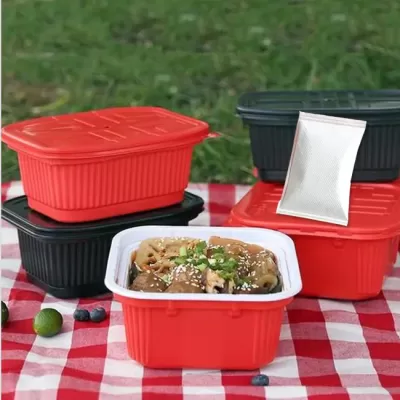
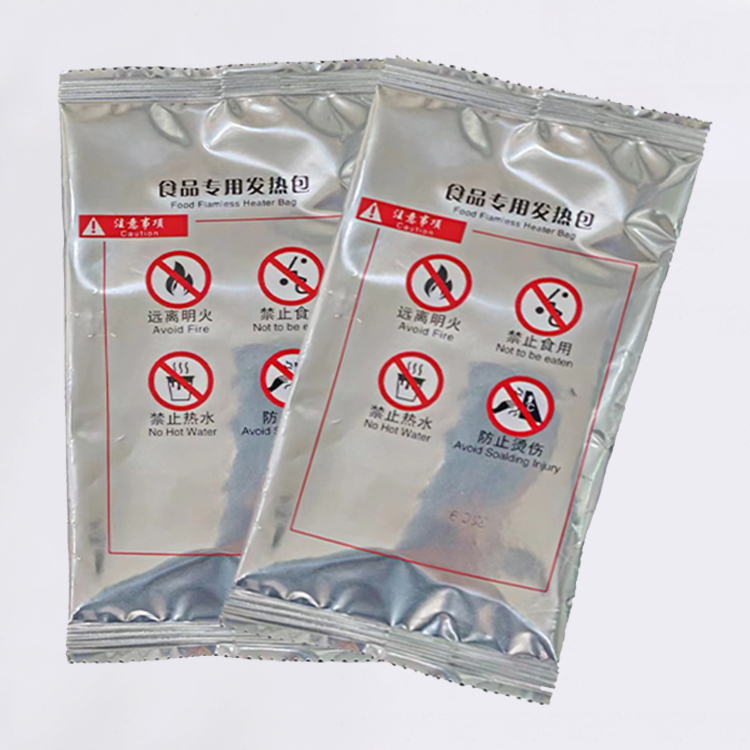
A water-activated flameless heater can warm compatible prepared meals without an electrical outlet or an open flame. Instead of replacing your entire emergency cooking setup, it provides another option for situations where the priority is simple: warm a prepared meal with minimal equipment.
However, “flameless” should never be interpreted as “risk-free” or “safe to use anywhere.” These heaters generate significant heat, hot vapor, and reaction gases. They must always be used according to the manufacturer’s instructions, including any ventilation requirements.
Quick Answer: Can You Heat Food Without Electricity During an Emergency?
Yes. Certain water-activated food heaters can warm compatible prepared meals without electricity or an open flame.
A flameless ration heater contains a heating composition inside a dedicated pack. When the specified amount of water reaches the heating material, an exothermic reaction releases heat.
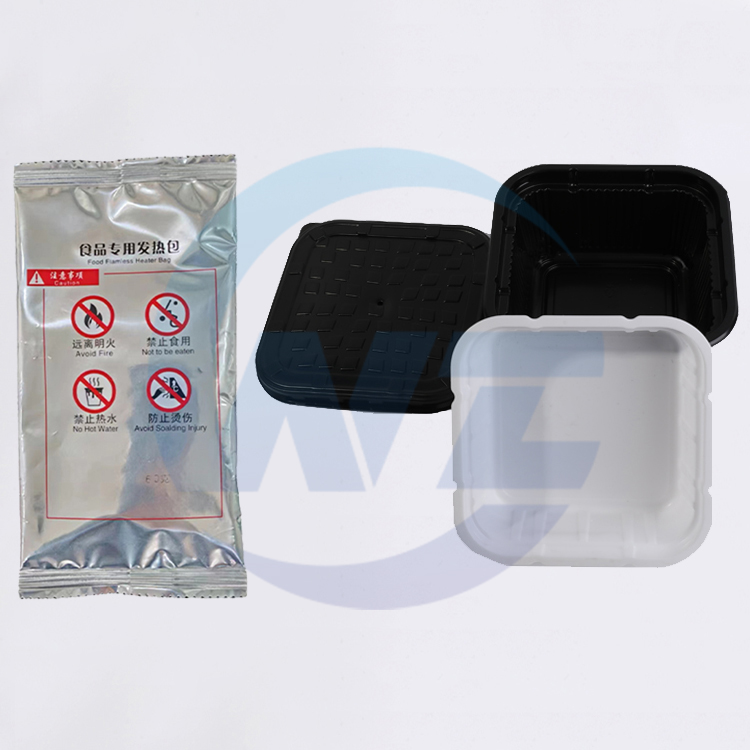
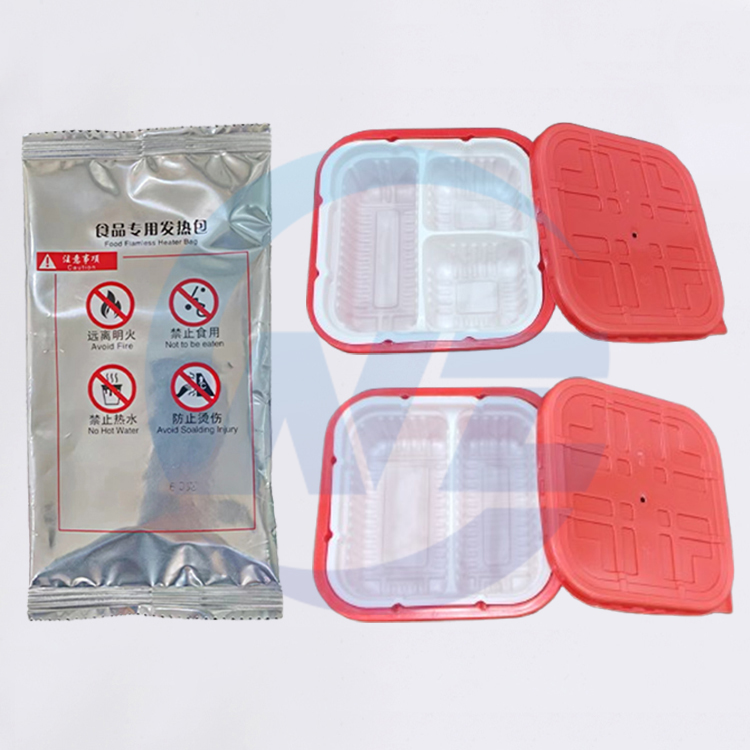
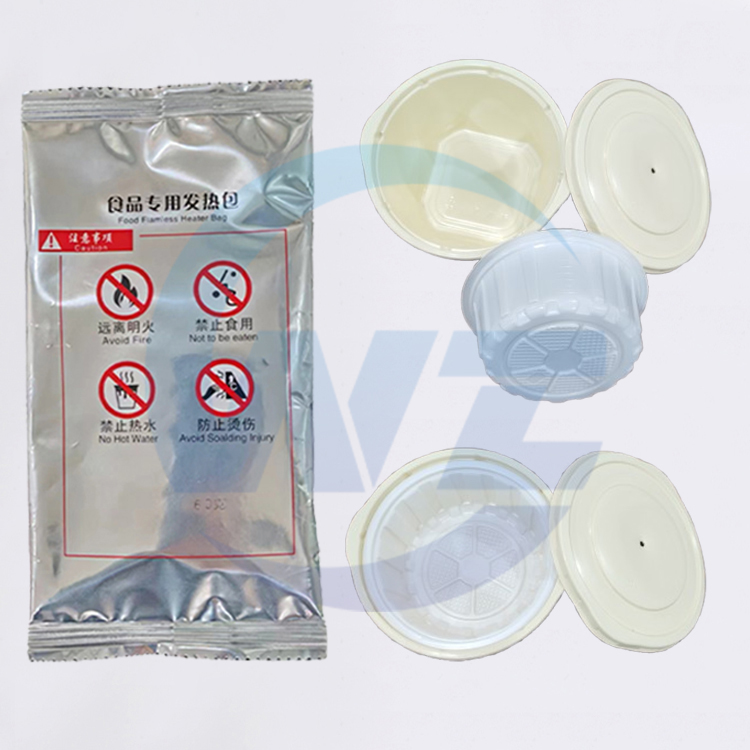
The heater is positioned beside or underneath compatible food packaging so that heat transfers to the meal while the heating material remains separate from the food.
This makes the technology useful for emergency meal kits, shelf-stable food products, outdoor meals, and other situations where normal kitchen appliances are unavailable.
It is important, however, to distinguish heating prepared food from cooking raw food. Most portable flameless ration heaters are designed to warm compatible ready-to-eat meals rather than safely cook raw meat or other raw ingredients.
Why Food Heating Matters in Disaster Readiness
Emergency preparedness often focuses on water, shelf-stable food, flashlights, batteries, medication, and communication equipment.
But another practical question deserves attention:
How will you prepare or warm your emergency food if the power goes out?
A short outage may be little more than an inconvenience. A prolonged disruption can be different.
Households may temporarily lose access to:
- Electric cooktops
- Microwaves
- Electric kettles
- Ovens
- Other powered food-heating appliances
Prepared meals that can be safely eaten without heating remain important for emergency planning. But having a separate, non-electric heating option can provide additional flexibility.
This is one reason a flameless food heater can complement—not replace—a broader emergency food plan.
How Does a Flameless Ration Heater Work?
A water-activated flameless ration heater for food relies on a controlled exothermic reaction.
The basic system generally contains:
1. Heating element
The dedicated heater pack contains the heating composition.
2. Activation water
A specified amount of water initiates the reaction. Different heater formulations can require different quantities, so the instructions for the specific product matter.
3. Heating bag or compartment
This keeps the heater correctly positioned near the food package and helps manage the heating process.
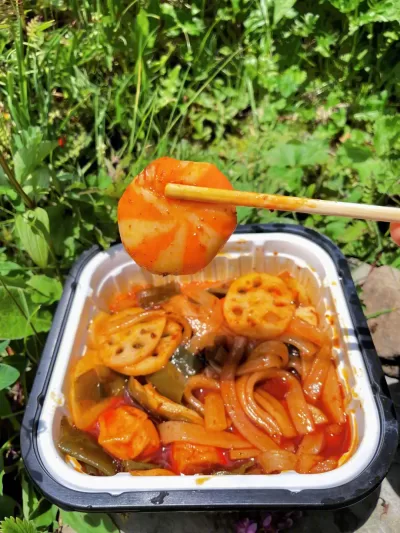
4. Sealed food pouch or tray
The prepared food remains physically separated from the heater material.
5. Outer packaging and instructions
The complete system should explain the correct water quantity, positioning, heating time, handling precautions, and other requirements.
Once activated, the heater releases thermal energy. That heat transfers through compatible food packaging and gradually warms the prepared meal.
No electrical connection is required.
That simplicity is one of the main reasons this technology can be useful when conventional kitchen equipment is unavailable.
Flameless Does Not Mean Ventilation-Free
This distinction is extremely important for disaster preparedness.
A product described as flameless does not automatically mean it can be activated inside any sealed indoor environment.
The chemical reaction can generate heat, vapor, and gases. Therefore, the heater should never be treated as a zero-emission appliance.
Always follow the ventilation and placement requirements supplied with the specific heater.
Do not place an operating heater inside an airtight container, closed cabinet, or other unapproved enclosed space. Keep the intended venting path clear and keep the heater away from your face and skin while it is operating.
If the product instructions require outdoor use, a particular ventilation level, or another specific environment, follow those requirements.
The manufacturer’s instructions take priority over general emergency-preparedness advice.
Flameless Ration Heater vs. Common Emergency Heating Options
Different emergencies call for different solutions. A flameless heater is not automatically better than every other option.
Flameless Ration Heater
A water-activated heater does not require grid electricity or an open flame.
It is compact and can be paired with compatible individual prepared meals. This makes it particularly useful when simplicity and portability matter.
Its limitations include single-use heater packs, compatibility requirements, activation water, heat and vapor management, and product-specific ventilation requirements.
Portable Gas Stove
A portable stove can offer greater cooking flexibility and can prepare foods that require actual cooking.
However, fuel storage, combustion products, fire risk, and the manufacturer’s restrictions on where the stove may be operated must all be considered.
Electric Appliances
Microwaves, induction cooktops, and electric kettles are convenient during normal conditions.
During a power outage, however, they depend on another electricity source such as a suitable backup power system.
Ready-to-Eat Food Without Heating
This remains one of the simplest emergency options.
Not every emergency meal needs to be hot. Foods designed to be safely consumed without heating provide valuable redundancy when other systems are unavailable.
A resilient preparedness plan can therefore include more than one food option rather than depending entirely on a single heating method.
What Foods Can You Heat with a Flameless Food Heater?
A flameless heater should be matched to both the food and its packaging.
Depending on the complete system, suitable prepared foods may include:
- Prepared rice meals
- Noodles
- Stews
- Curries
- Prepared pasta
- Ready-to-eat soups
- Beans
- Other compatible shelf-stable prepared meals
The important word is prepared.
A typical portable self heating bag for food should not be assumed to safely cook raw meat, raw poultry, or other ingredients requiring validated cooking conditions.
The food packaging also matters. A pouch or tray designed only for cold storage is not automatically suitable for heating.
For commercial self-heating food products, the food, heater, tray or pouch, water quantity, outer container, and instructions should be evaluated as a complete system.
How to Use a Flameless Ration Heater During an Emergency
Always follow the instructions provided with your specific heater. Designs and activation requirements differ between products.
A typical process may look like this:
Step 1: Inspect the heater and meal
Do not use damaged food packaging or a heater pack that appears compromised.
Step 2: Read the product instructions
Confirm the required amount of water, heater position, recommended heating period, ventilation requirements, and handling precautions.
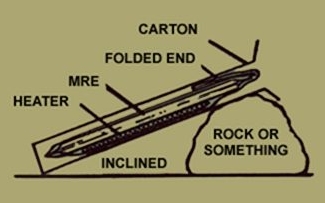
Step 3: Keep the food sealed
Position the prepared meal and heater according to the instructions. The heating composition should remain separated from the food.
Step 4: Add only the specified amount of water
More water does not necessarily mean more heat. Follow the product-specific instructions.
Step 5: Position the system correctly
Keep the intended venting path clear and place the assembly on a stable, suitable surface as instructed.
Step 6: Allow the meal to heat
Avoid unnecessary handling while the reaction is occurring. Hot surfaces, liquid, and vapor may be present.
Step 7: Remove the meal carefully
The heater and surrounding components can remain hot after the heating period.
Step 8: Allow the used heater to cool
Follow the manufacturer’s instructions and applicable local requirements for disposal.
What Should Be in an Emergency Meal Heating Kit?
If you plan to include flameless heaters in a household emergency kit, do not store the heater alone.
Think in terms of a complete meal-heating system.
A practical kit may contain compatible ready-to-eat meals, individually sealed heater packs, the appropriate heating bags or containers, clear instructions, and the water needed for activation.
You should also consider your drinking-water supply separately.
Using your last available potable water simply to activate a heater may not make sense during a serious emergency. Your preparedness plan should account for both hydration requirements and meal preparation.
Most importantly, periodically inspect stored food and heaters. Their storage requirements and useful storage periods may be different.
Store Your Food and Heater Separately in Your Planning
A flameless heater does not make food shelf-stable.
This is a common misconception worth addressing.
The heater and the food are separate components with separate storage requirements.
If a prepared meal requires refrigeration, adding a flameless heater does not change that requirement.
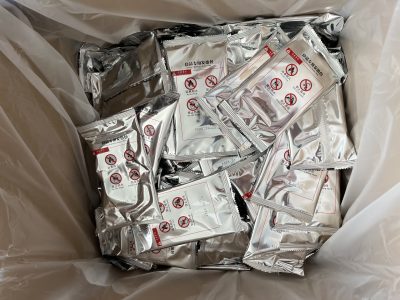
Shelf-stable emergency meals are shelf-stable because of the way the food itself has been processed and packaged—not because a heater is included.
Unused heater packs also need appropriate storage. Keep their protective packaging sealed and protect them from moisture and physical damage.
Check the recommended storage period for the heater separately from the expiration or best-before information for the food.
Choosing a Flameless Ration Heater for Emergency Food
Not every heating pack will perform the same way with every meal.
If you are selecting heaters for emergency meal kits or developing a commercial self-heating food product, consider several variables.
Meal Weight
A larger portion generally requires more thermal energy to achieve the same temperature increase.
Food Package Dimensions
A thin pouch and a deep food tray transfer heat differently, even if they contain the same amount of food.
Starting Temperature
Food beginning at a lower temperature may require different heating performance from food stored at normal room temperature.
Packaging Material
The food pouch or container must be appropriate for its intended heating conditions.
Heater Configuration
The heater’s dimensions, formulation, and output should suit the actual meal and package rather than being selected only by heater weight.
Intended Environment
Emergency kits may be stored or used under different temperature and environmental conditions. Testing should reflect realistic conditions.
For Emergency Food Brands: Test the Complete System
For companies developing disaster-preparedness meals, emergency food kits, or self-heating packaged foods, evaluating the heater by itself is not enough.
Testing should use the actual meal and finished packaging configuration.
Useful test information includes:
- Food weight
- Food dimensions
- Starting food temperature
- Ambient temperature
- Activation-water quantity
- Heater configuration
- Packaging configuration
- Heating time
- Food temperature at defined locations
This produces much more meaningful information than simply stating that a heater “gets very hot.”
Commercial buyers should also evaluate package seals, activation consistency, leakage, handling, user instructions, batch traceability, and the compatibility of the complete meal-heating system.
Why Flameless Food Heating Can Support Disaster Preparedness
A strong emergency plan is built around redundancy.
Electric appliances may be unavailable.
Some cooking methods may not be appropriate in a particular location.
Fuel supplies may be limited.
And sometimes the simplest requirement is not to cook an elaborate meal—it is simply to warm safe, prepared food.
A water-activated flameless ration heater for food offers one additional option.
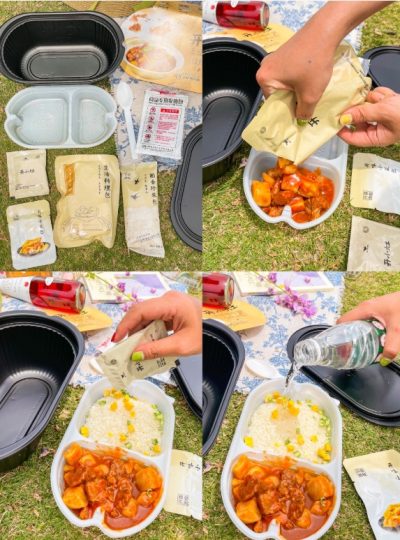
Its advantages are straightforward: no electrical outlet is required, no open flame is used, and the heater can be packaged alongside compatible prepared food.
But responsible use remains essential.
The correct heater, food package, activation method, ventilation, placement, handling, storage, and disposal requirements all need to be considered.
FAQ: Flameless Ration Heaters for Emergency Preparedness
Can a flameless ration heater work during a power outage?
Yes. A typical water-activated flameless ration heater does not require grid electricity. It generates heat through a chemical reaction after the specified amount of water is added.
Is a flameless ration heater safe to use indoors?
Do not assume that “flameless” means unrestricted indoor use. Heater reactions can generate heat, vapor, and gases. Follow the specific manufacturer’s ventilation and location requirements.
Does a flameless ration heater produce a flame?
A properly designed water-activated flameless ration heater generates heat through a chemical reaction rather than an open flame.
Can I cook raw food with a flameless ration heater?
Typical portable ration heaters are intended to warm prepared food, not cook raw ingredients. Only use a system for raw-food cooking if the complete product has been specifically designed and validated for that purpose.
Does a flameless ration heater need electricity?
No. A typical water-activated model does not need an electrical outlet.
Does it need water?
Water-activated models require the specified amount of activation water. Always follow the instructions for the particular heater.
Can I reuse a flameless food heater?
Most portable heating packs are intended for one heating cycle. Adding water again after the reaction is complete does not restore the original heating capacity.
What emergency foods work with flameless heaters?
Use prepared food in packaging compatible with the specific heating system. Food weight, dimensions, packaging material, starting temperature, and heater configuration can all affect performance.
Build a More Complete Emergency Meal Solution
A flameless ration heater for food can be a practical addition to emergency preparedness when electricity or conventional kitchen equipment is unavailable.
For households, it can provide another way to warm compatible prepared meals.
For emergency-food manufacturers, distributors, private-label brands, and preparedness-kit suppliers, it can also form part of a complete self-heating meal system.
The key is not simply choosing the largest heater available. The heater should be matched to the actual food weight, packaging dimensions, starting conditions, and intended heating objective—the same selection principle established in your existing article.
Wordgen provides water-activated flameless ration heaters and compatible self-heating food packaging for different prepared-meal configurations. For a custom project, provide your food weight, pouch or tray dimensions, starting temperature, target heating performance, destination market, and estimated quantity so the appropriate configuration can be evaluated. These are also the core parameters recommended in your existing buyer guidance.
STAY IN THE LOOP