by Kevin
Share
by Kevin
Share
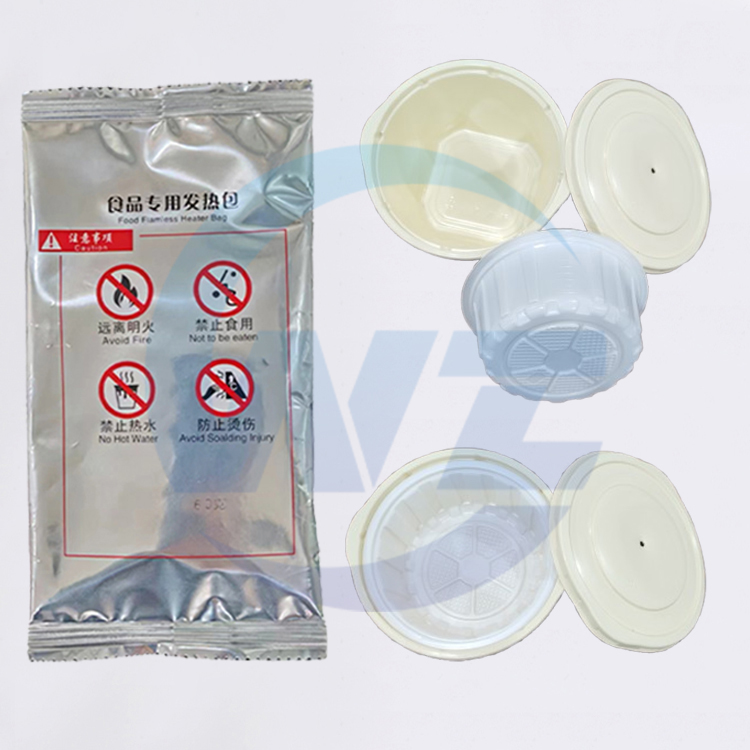
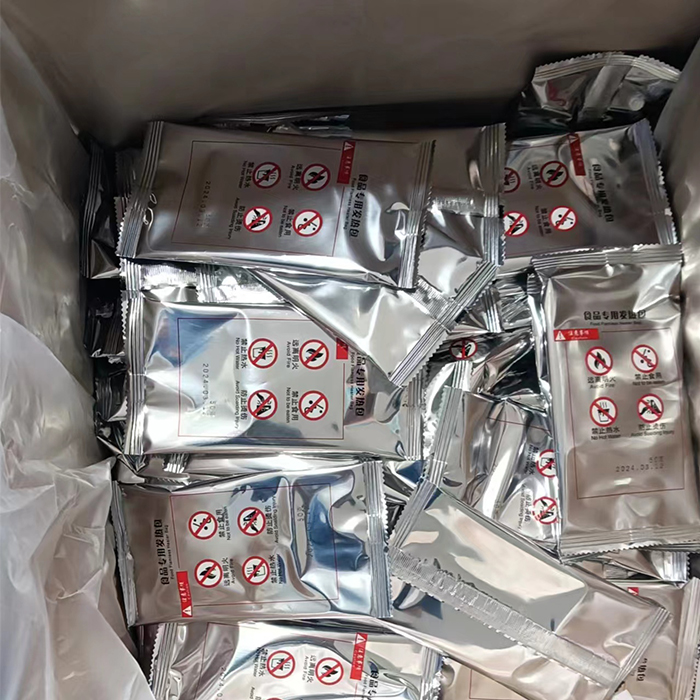
A Flameless Ration Heater (FRH) is supposed to be a guaranteed source of a hot meal in the field, but anyone who has relied on them extensively knows that reality sometimes falls short. Soldiers, relief workers, and outdoor professionals often report the frustrating experience of a “dud” heater—resulting in a cold MRE when morale and energy are critically low. Through recent procurement case studies, we’ve discovered that the problem is rarely the technology itself, but rather vague purchasing specifications. By shifting the focus from simply buying “a heater” to implementing rigorous, data-backed FRH specifications, organizations can drastically improve field meal heating reliability.
Features of Better FRH Specifications
Precise Magnesium-to-Carbon Ratios
A strict specification dictates the exact ratio of magnesium powder to carbon. This ensures the exothermic reaction reaches the optimal temperature plateau consistently, eliminating the common issue of heaters that get warm but never get truly hot.
Tight Tolerances for Reactive Material Weight
Reliable specifications enforce strict weight tolerances for the chemical pad. A variance of even half a gram can alter the water-to-magnesium ratio, causing the reaction to fizzle out prematurely in cold weather.

Defined Temperature Curves
Instead of just asking for a “flameless heater,” advanced specifications require the product to hit a specific temperature (e.g., 140°F) within a set number of minutes and sustain it for a minimum duration, ensuring the food is genuinely cooked, not just lukewarm.
Rigorous Packaging Durability
Better specs require the outer polypropylene sleeve to pass specific puncture and abrasion tests. This prevents micro-tears during transit that could let ambient moisture in, which is the leading cause of FRH degradation in the supply chain.
How are better FRH specifications developed?
Developing an optimized specification is a systematic process based on real-world field data rather than manufacturer assumptions.
Field Failure Analysis
The process begins by collecting data from the end-users. Procurement teams analyze returned, unused heaters to determine if failures were caused by user error, extreme environmental conditions, or inconsistent manufacturing quality.
Supplier Audit and Chemical Adjustment
Armed with field data, the buyer works directly with the manufacturer to adjust the chemical formulation. If heaters are failing in freezing temperatures, the spec is rewritten to demand a higher grade of magnesium or a different salt catalyst to lower the activation threshold.
Controlled Environment Testing
Before finalizing the new specification, sample batches are tested in environmental chambers that simulate extreme cold, high altitude, and high humidity. Only formulations that pass these rigorous trials are written into the final procurement contract.
Popular Uses of Optimized FRH Specifications
Deployments
In defense procurement, strict FRH specifications are non-negotiable. A cold meal can lead to hypothermia risk and severely impact combat effectiveness, making the precise thermal output dictated by the spec a matter of operational safety.
Humanitarian Relief Logistics
Aid organizations use strict specifications to ensure heaters can survive months in hot, humid warehouses before deployment. The spec guarantees the shelf life so that the heaters work perfectly when a disaster finally strikes.
Remote Industrial Operations
Mining and oil rig operators use specification-driven FRHs to ensure their crews get a hot meal during short breaks. The specs ensure the heaters are robust enough to survive being crushed in heavy-duty work bags.
How to choose an FRH based on better specifications?
Consider the use environment
Do not use a “one-size-fits-all” specification. If you are operating in the Arctic, your spec must explicitly require cold-weather optimized formulations that civilian spec heaters do not meet.
Determine the duration
Base your purchasing specification on your operational timeline. If your teams only have a 12-minute window to eat, write a spec that mandates the heater must reach peak heat within 3 minutes and sustain it for at least 10 minutes.
Safety first
Ensure your specification demands complete compliance with DOT exemptions and requires the manufacturer to provide a current, detailed Safety Data Sheet (MSDS) with every single batch shipped.
How to care for an FRH procurement strategy?
Proper storage guidelines in contracts
A good spec includes storage requirements for the buyer, not just the manufacturer. Ensure your warehouses are meeting the temperature and humidity limits outlined in the spec, or the manufacturer’s reliability guarantees are voided.
Follow instructions for deployment
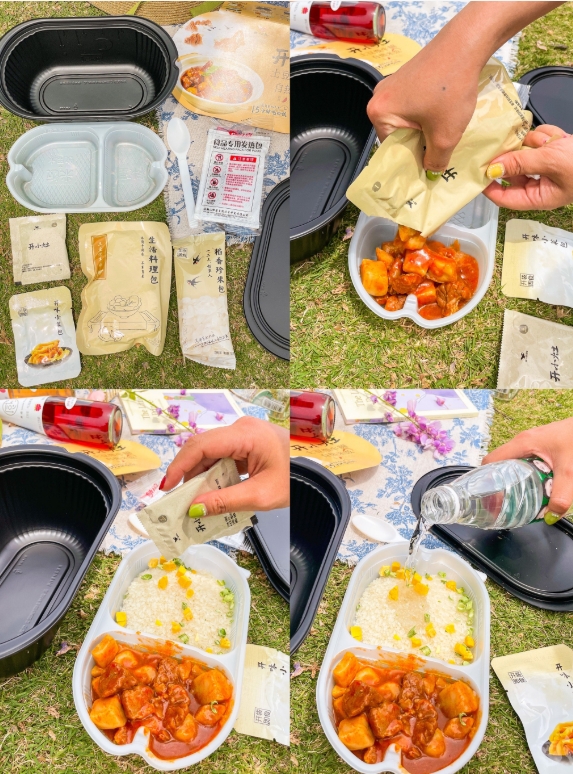
The best specification in the world won’t work if the end-users don’t know how to use it. Include mandatory, spec-aligned training cards with every MRE case to ensure users add the correct amount of water and angle the bag properly.
Conclusion
The case study is clear: inconsistent field meal heating is almost always a procurement problem, not a chemical one. By demanding precise magnesium ratios, strict temperature curves, and verifiable testing protocols in your FRH specifications, you eliminate the guesswork from your supply chain. Upgrading your specifications transforms the FRH from a frustrating gamble into a highly reliable piece of tactical gear. Review your current purchasing specs today to ensure they are truly protecting your team’s performance in the field.
If you think this article is helpful, please contact us. We will give you reasonable and suitable product recommendations based on your current situation. If you are not sure, you can also consult us. We will provide you with professional services to answer your questions. You are welcome to consult us at any time and we welcome all customers to conduct on-site inspections!
STAY IN THE LOOP