by Kevin
Share
by Kevin
Share
Cold Weather Hiking Changes the Way You Prepare Food
Cold-weather hiking is very different from a summer day hike. Lower temperatures, stronger winds, snow, and shorter daylight hours can make meal preparation more difficult and time-consuming.
For hikers and campers, having a warm meal is not simply about comfort. A convenient meal can make rest stops easier, reduce cooking time, and help create a more enjoyable outdoor experience.
This is why winter hiking meals are becoming an important consideration when selecting Cold Weather Hiking Gear.
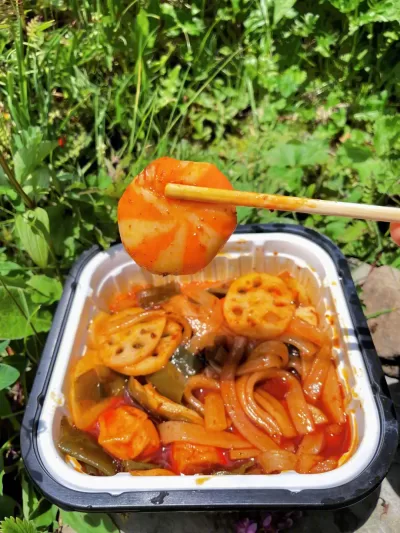
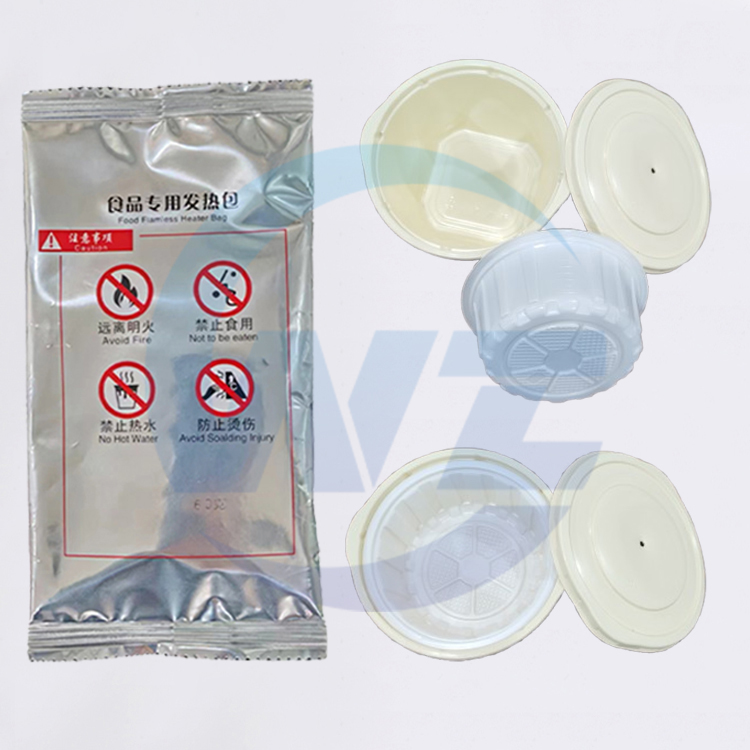
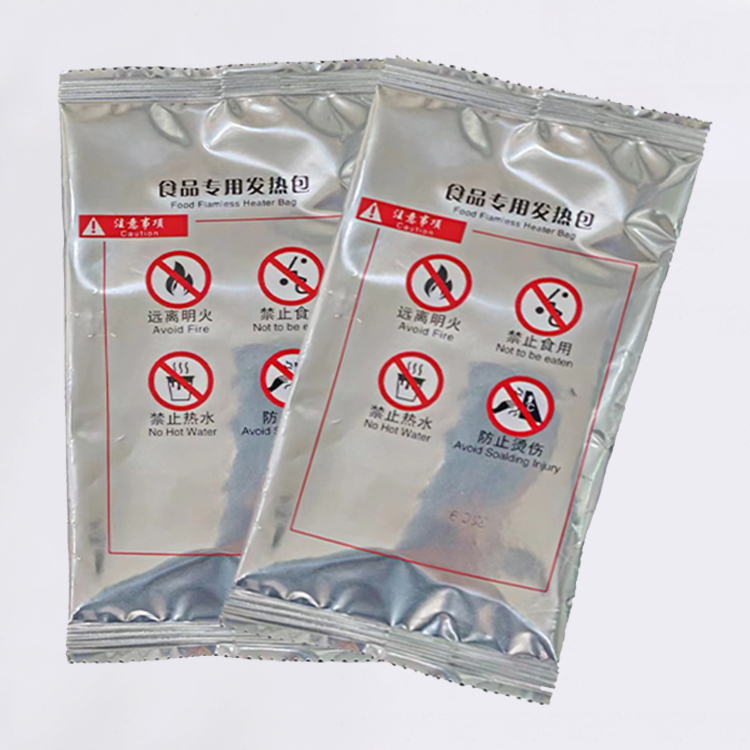
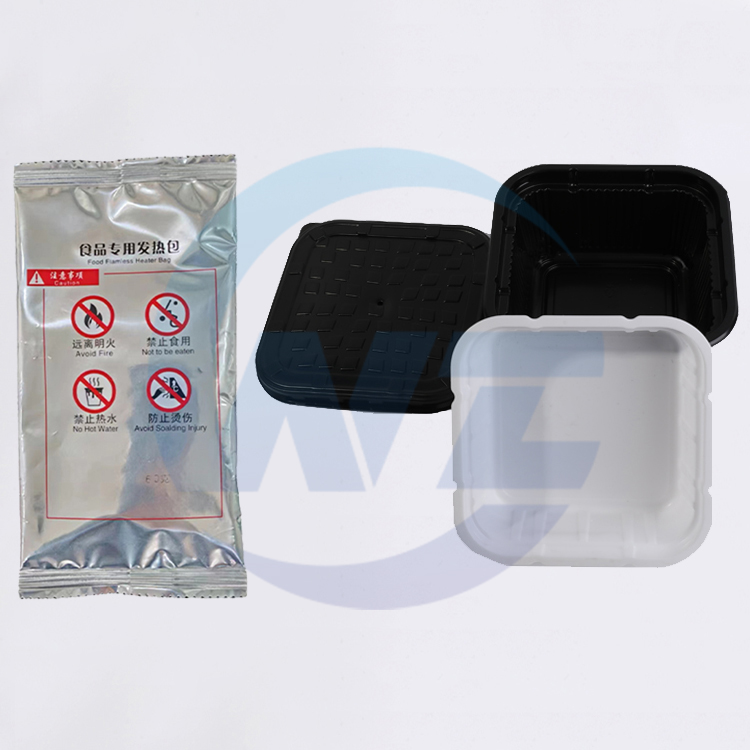
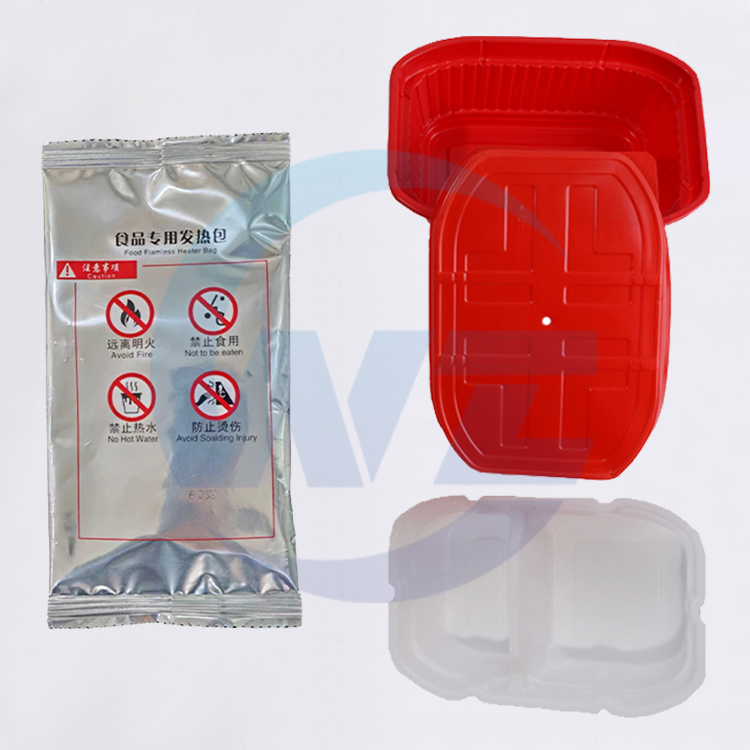
A Self Heating Bag for Food provides a convenient way to warm compatible packaged meals without requiring a conventional cooking setup. By adding a specified amount of water to the heating system, users can activate the heating process and warm the food inside its designated package.
For outdoor brands, food manufacturers, and private-label buyers, wordgen provides self-heating solutions designed around different food packaging formats and application requirements.
What Is a Self Heating Bag for Food?
A Self Heating Bag for Food is a portable meal-heating system that uses a water-activated heating material to generate heat.
Unlike conventional cooking equipment, the system does not require a burner, fuel canister, or electrical power source.
A typical process is:
Place the packaged meal inside → Add the recommended amount of water → Activate the heating system → Wait according to the instructions → Enjoy the warmed meal
The heating material is separated from the food package. Heat is transferred through the surrounding structure to warm the compatible meal.
This makes the technology suitable for a variety of portable food applications, including:
- Ready-to-eat meals
- Packaged rice dishes
- Pasta meals
- Soup and stew products
- Camping meal kits
- Travel food
- Outdoor meal products
- Private-label food packages
The actual heating time and temperature depend on the heater design, food quantity, packaging material, ambient temperature, and activation conditions.
Why Self-Heating Technology Is Useful in Cold Weather
When temperatures fall, traditional cooking can become less convenient.
Wind can interfere with stove operation, rain can complicate meal preparation, and snow can make finding a suitable cooking area more difficult.
A Flameless Ration Heater provides another approach for compatible packaged meals.
1. Reduce the Amount of Cooking Equipment
A traditional outdoor cooking system may require:
- Stove
- Fuel
- Cooking pot
- Ignition equipment
- Utensils
- Cleaning supplies
A self-heating meal system integrates the heating function into a compact package.
For hikers who want to keep their backpack organized and lightweight, this can be particularly useful.
2. Simplify Meal Breaks
Winter hiking often requires careful time management.
Instead of spending a long period preparing a cooking area, users can follow the heating instructions for their packaged meal and use the waiting period to:
- Adjust clothing
- Drink water
- Organize equipment
- Check the route
- Take a short rest
This makes Hot Food While Hiking more convenient, particularly on longer outdoor trips.
3. No Conventional Flame-Based Cooking Required
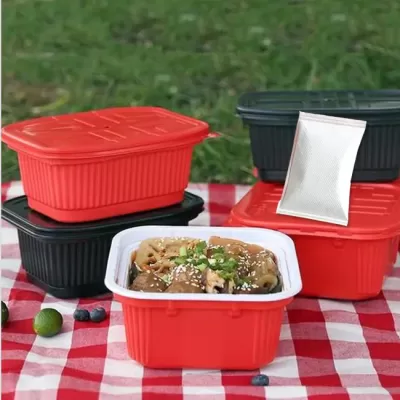
A water-activated heating system generates heat through a chemical reaction rather than conventional combustion.
However, users should always check local regulations and campsite rules before using any heating product. A flameless heating system should not automatically be considered permitted in every protected area or under every fire restriction.
Choosing the Right Winter Hiking Meals
Not every meal requires the same heating solution.
When developing or purchasing Winter Camping Meals, several factors should be considered.
Meal Size
The amount of food affects the required heating capacity.
A compact single-serving meal may require a different heater from a larger family-sized package.
The heating system should therefore be matched to the food quantity and package dimensions.
Food Type
Different foods have different heating characteristics.
For example, rice, pasta, soup, and dense prepared meals may require different heating profiles.
For commercial applications, testing the complete meal package is more reliable than evaluating the heating component independently.
Packaging Material
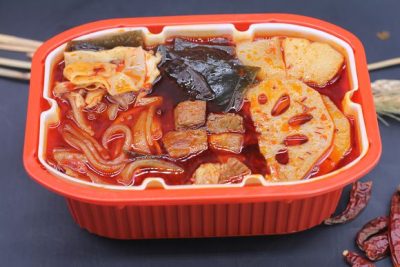
The food container or pouch must be compatible with the intended heating process.
Packaging design can affect:
- Heat transfer
- Heating speed
- Heat distribution
- Package stability
- User handling
This is particularly important for companies developing OEM products.
How Does a Water Activated Food Heater Work?
A Water Activated Food Heater is activated by adding a specified amount of water to the heating component.
The water initiates the intended exothermic reaction within the heating material, producing heat.
The process can generally be understood in four stages:
Stage 1: Meal Placement
The compatible food package is positioned inside the designated heating sleeve.
Stage 2: Water Activation
The user adds the recommended amount of water to the heating section.
Stage 3: Heat Generation
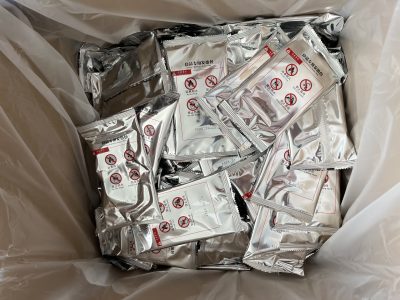
The heating material reacts with the water and generates heat.
Stage 4: Food Warming
Heat transfers through the surrounding structure and warms the packaged meal.
The exact procedure varies between products, so users should always follow the manufacturer’s instructions.
Cold Weather Hiking Gear: What Should You Consider?
A good winter hiking setup is about more than clothing.
Food preparation should also be considered when planning a cold-weather trip.
Useful categories of Cold Weather Hiking Gear may include:
- Insulated clothing
- Waterproof outer layers
- Gloves
- Navigation equipment
- Water storage
- Emergency supplies
- High-energy snacks
- Winter Backpacking Food
- Portable meal-heating equipment
A Self Heating Bag for Food can become part of this system by providing a compact method for warming compatible meals.
For long-distance hikers, the advantage is particularly clear: the heating system can be integrated into the food package instead of requiring a separate cooking setup.
Self Heating Bag vs. Traditional Outdoor Cooking
| Feature | Self Heating Bag | Traditional Stove |
|---|---|---|
| Fuel canister | Not required for the heating process | Usually required |
| Open flame | No conventional flame | Usually present |
| Cookware | Not necessarily required | Usually required |
| Electricity | Not required | Not required |
| Setup | Simple activation | Requires equipment assembly |
| Pack organization | Compact meal-based system | Multiple separate components |
| Meal compatibility | Designed for compatible packaged foods | Can cook many food types |
| Weather considerations | Product-specific | Wind and rain can affect operation |
A self-heating system is not intended to replace every outdoor cooking method. Instead, it provides an alternative for people who prioritize portability, convenience, and simplified meal preparation.
Why Outdoor Brands Are Exploring Self-Heating Meals
The opportunity is not limited to individual hikers.
Food manufacturers and outdoor brands are also exploring integrated meal-heating products because consumers increasingly value convenience.
A complete product can combine:
Food + Packaging + Heating System + Instructions
This creates a more convenient consumer experience.
For example, an outdoor food company could develop a private-label meal containing:
- A prepared food pouch
- A customized heating bag
- Activation instructions
- Branded outer packaging
This approach allows the food brand to control the complete user experience rather than selling a heating component separately.
Custom Self Heating Solutions from wordgen
wordgen provides self-heating product solutions for companies developing portable food and outdoor meal products.
Depending on the project, customization can include:
- Heating bag dimensions
- Heating capacity
- Packaging structure
- Product specifications
- Private-label printing
- Custom instructions
- Multilingual packaging
- OEM production
- Bulk manufacturing
The correct heating system should be selected according to the actual food product rather than simply choosing a heater based on its nominal specifications.
For this reason, product testing is an important part of commercial development.
Testing Winter Hiking Meals Before Commercial Production
Cold-weather applications require realistic testing.
A product intended for winter outdoor use should ideally be evaluated under conditions similar to its expected environment.
Important variables include:
Ambient Temperature
Lower temperatures can affect the overall heating process.
Water Temperature
The temperature of the activation water can influence activation and heating behavior.
Meal Weight
Larger food portions generally require more heating energy.
Packaging
Different materials and package structures can change heat transfer.
Heating Time
The complete product should be tested to determine an appropriate user-facing heating time.
For businesses developing Winter Camping Meals, testing the complete food-heating system provides more useful information than testing the heater alone.
Applications Beyond Hiking
Although winter hiking is an important application, self-heating food technology can be used in many other outdoor and portable-food scenarios.
Winter Camping
Campers can use compatible packaged meals when they want a convenient alternative to conventional cooking.
Road Trips
Travelers can carry portable meals that can be heated without setting up a complete kitchen.
Outdoor Recreation
Fishing, sightseeing, trekking, and other outdoor activities can benefit from convenient meal preparation.
Emergency Food Products
Self-heating technology can also be incorporated into certain emergency food packages, subject to appropriate product design, storage, and regulatory requirements.
Private-Label Food Products
Food manufacturers can integrate customized heating systems into their own branded meal products.
Important Safety Considerations
A self-heating food system should always be used according to its specific instructions.
Users should:
- Use only the recommended amount of water.
- Keep the heating material away from direct food contact.
- Avoid opening the heating package unnecessarily during activation.
- Be careful around hot surfaces and steam.
- Allow the system to cool before disposal.
- Follow local outdoor regulations.
- Follow the manufacturer’s storage and handling requirements.
Importantly, “flameless” does not mean “risk-free.” Heating systems can generate significant heat and steam, so correct operation remains essential.
Conclusion: A Practical Solution for Winter Hiking Meals
Cold-weather hiking requires equipment that is practical, lightweight, and easy to use.
A reliable Self Heating Bag for Food can provide a convenient way to warm compatible packaged meals without carrying a complete traditional cooking setup.
For individual hikers, campers, and outdoor enthusiasts, it can simplify meal breaks. For food manufacturers and outdoor brands, it creates an opportunity to develop convenient Winter Camping Meals and private-label food products.
With appropriate product design, testing, packaging, and user instructions, self-heating technology can become a valuable component of modern Cold Weather Hiking Gear.
wordgen works with businesses seeking customized self-heating solutions for portable food products, outdoor meals, and private-label applications. If you are developing a new heated meal product, the heating system should be designed around your food, package dimensions, target market, and intended usage conditions.
FAQ: Cold Weather Hiking Gear & Self Heating Bags
1. What is the best way to keep meals hot while hiking in cold weather?
For compatible packaged foods, a Self Heating Bag for Food provides a convenient option. It uses a water-activated heating system and does not require a conventional stove or electrical power.
2. Can a Self Heating Bag for Food work in freezing temperatures?
It can, but performance depends on the specific product. Ambient temperature, activation-water temperature, food quantity, packaging, and heater formulation can all affect heating performance. Products intended for cold-weather applications should be tested under representative conditions.
3. How long does a Flameless Ration Heater take to heat food?
There is no universal heating time. It depends on the heater design, meal size, packaging, water temperature, and surrounding conditions. The manufacturer’s specified activation and heating time should always be followed.
4. Does the heating material touch the food?
No, in a properly designed food-heating system, the heating material is separated from the food by the food package and heating structure. The food should remain in its designated sealed package during heating.
5. Can I use any type of food with a self-heating bag?
No. The heating system should be matched to the food type, portion size, package structure, and required heating performance. Commercial products should undergo testing before being offered to consumers.
6. Is a flameless heater suitable for winter camping?
It can be a practical option for compatible packaged meals. However, users should check local regulations and follow the specific product’s instructions, especially in areas with fire restrictions.
7. What should outdoor brands consider when developing self-heating meals?
Key factors include meal size, package dimensions, heating capacity, activation method, ambient temperature, storage conditions, safety instructions, and the regulations applicable to the target market.
8. Can wordgen provide OEM self-heating bags?
Yes. wordgen can work with businesses on customized self-heating solutions, including product dimensions, packaging, private-label requirements, and other specifications depending on the project.
9. Are self-heating bags reusable?
Most chemical self-heating bags are designed for single use. Always check the specific manufacturer’s instructions rather than assuming a heating pack can be reused.
10. Can self-heating technology be used for private-label food products?
Yes. Food manufacturers and outdoor brands can integrate customized heating bags with their own meal packaging and branding, subject to product compatibility, testing, and applicable market requirements.
STAY IN THE LOOP