by Kevin
Share
by Kevin
Share
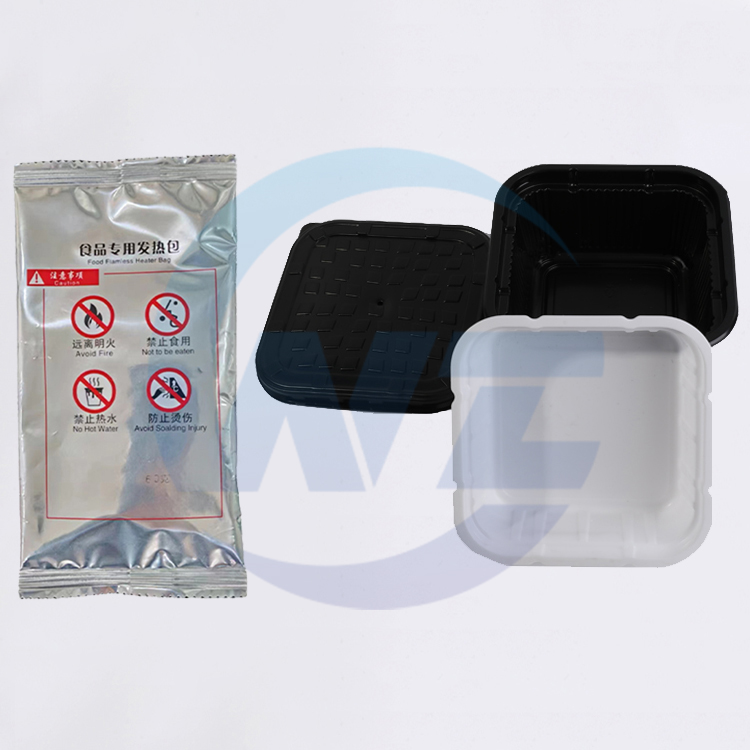
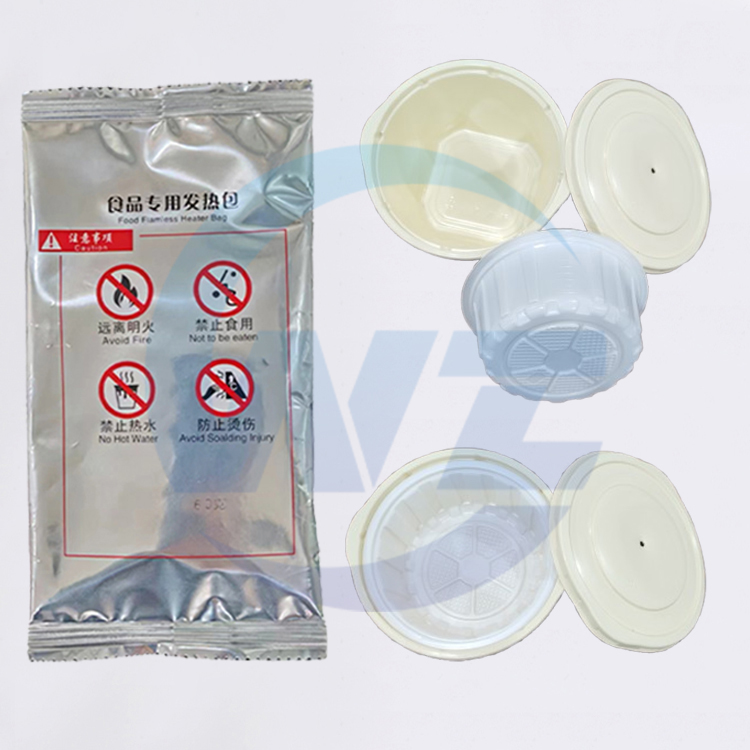
Flameless Ration Heaters (FRHs) are a modern marvel of field logistics, providing soldiers, campers, and relief workers with a hot meal without the need for fire or fuel. However, because they are entirely single-use and rely on a vigorous chemical reaction to function, their environmental footprint is a subject of growing debate. While they eliminate the air pollution and deforestation associated with open-fire cooking, they introduce a different set of ecological challenges. As we strive for more sustainable practices, it forces us to ask: what do we actually know about the environmental impact of FRHs, and what remains a dangerous unknown?
Features of Flameless Ration Heaters (Environmental Perspective)
Single-Use Plastic Packaging
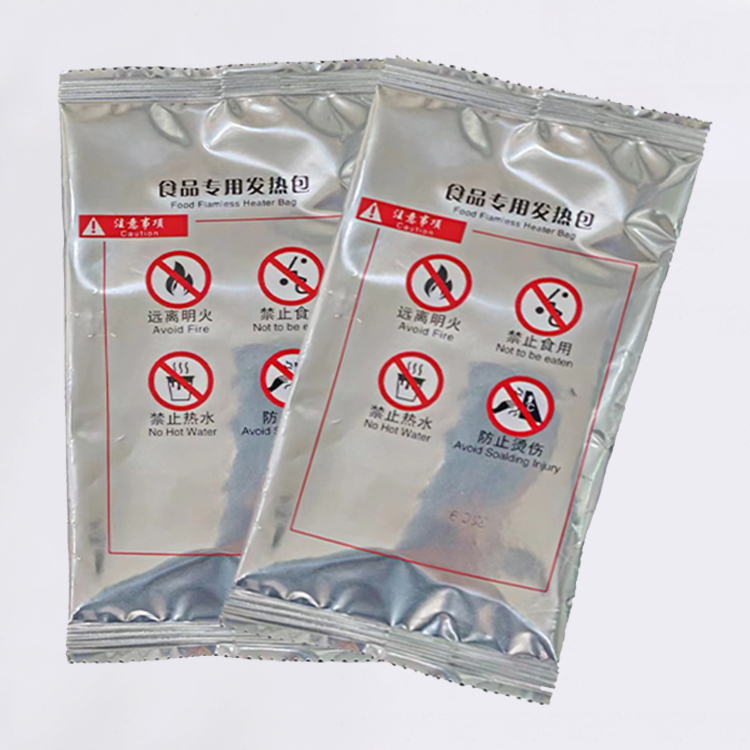
The outer sleeve of an FRH is typically made from multi-layered plastics and foils designed to withstand high heat and moisture. Because this packaging is contaminated with food residue and reactive chemicals after use, it is almost never recycled and ends up in landfills.
Reactive Metal Residue
An FRH relies on a magnesium-iron alloy powder. Even after the heater cools, a significant portion of unreacted magnesium remains inside the pad. When introduced into a landfill, this highly reactive metal can slowly oxidize or interact with groundwater.

Chemical Byproducts
The activation process uses salt water to strip the protective oxide layer from the magnesium, producing hydrogen gas and a slurry of magnesium hydroxide (similar to milk of magnesia). While the hydrogen dissipates, the salt and magnesium hydroxide remain in the waste stream.
High Carbon Footprint Production
The environmental cost of an FRH begins long before it is used. Mining, refining, and milling magnesium into a fine powder is an incredibly energy-intensive process, giving the heater a surprisingly high embedded carbon footprint before it is even packaged.
How are Flameless Ration Heaters made?
The manufacturing process highlights the resource-heavy nature of these disposable devices.
Material Extraction
The primary ingredient, magnesium, is extracted through energy-intensive electrolysis, usually powered by fossil fuels. Iron powder and sodium chloride are also mined and heavily processed to meet the precise purity standards required for a controlled reaction.
Chemical Blending
The fine magnesium dust is mixed with carbon and salt. This process must occur in highly controlled environments to prevent the fine metal powder from spontaneously igniting, requiring significant industrial infrastructure and safety resources.
Multi-Layer Packaging Assembly
The chemical pad is sealed inside a polypropylene-based plastic sleeve that is puncture-resistant and heat-tolerant. This complex multi-layer packaging is optimized solely for performance and shelf life, with zero consideration for end-of-life recyclability.
Popular Uses and Their Ecological Footprints
Field Operations
The is the largest consumer of FRHs. During extended deployments, millions of heaters are used and subsequently buried or burned in operational waste sites. The sheer volume of this single-use plastic and reactive metal leaves a lasting physical footprint on training grounds and forward operating bases.
Disaster Relief
While FRHs are vital for preventing fires in disaster zones, the sudden influx of tens of thousands of plastic heater bags can overwhelm local waste management systems that are already crippled by a natural disaster.
Civilian Outdoor Recreation
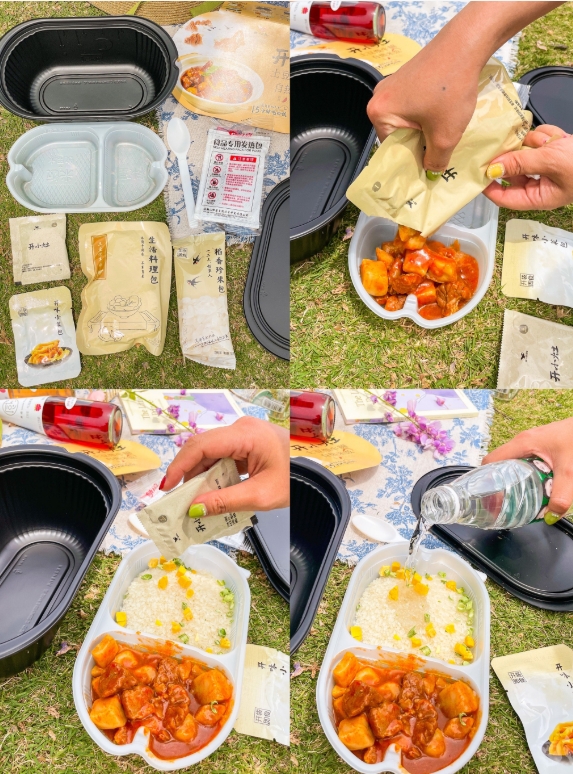
Hikers and preppers use FRHs for convenience. While the individual footprint is small, the cumulative impact of the civilian outdoor industry adopting single-use chemical heaters contributes heavily to the ” disposable culture” plaguing wilderness areas.
How to choose a Flameless Ration Heater that suits your needs?
Consider the use environment
If you are in a civilian, non-emergency setting, consider whether you truly need an FRH or if a reusable, fuel-based backpacking stove is a more environmentally responsible choice for your regular camping trips.
Determine the duration
Choose a heater that accurately matches the size of your meal. Using a massive, grade heater for a small snack wastes both the unreacted magnesium and the plastic packaging, doubling the unnecessary environmental impact.
Safety and eco-certifications first
Look for manufacturers who are actively trying to reduce their footprint. Some modern FRHs are beginning to use biodegradable or reduced-plastic outer sleeves, which, while not perfect, are a step toward mitigating landfill waste.
How to care for a Flameless Ration Heater?
Proper storage
Store FRHs in a completely dry environment. If moisture breaches the packaging, the magnesium reacts and is wasted, turning a useful tool into an unrecyclable piece of hazardous waste that requires special disposal protocols.
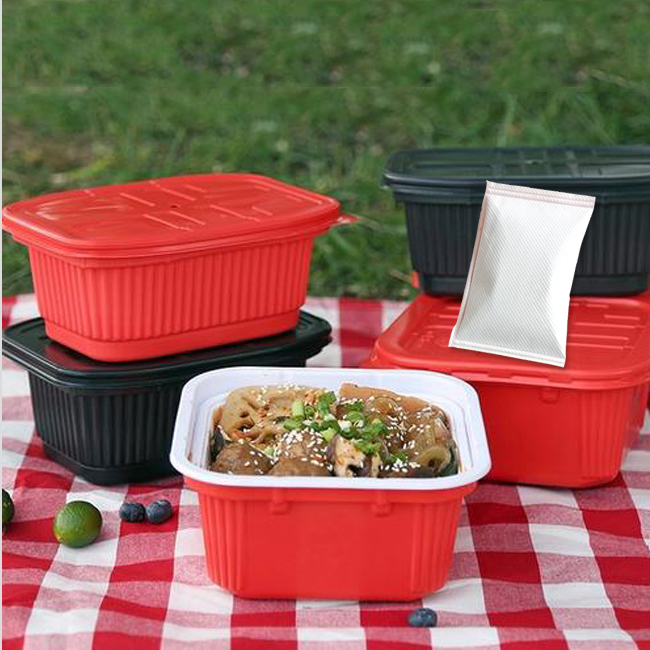
Follow instructions for use
To minimize residual chemical waste, always use the exact recommended amount of water. Using too much water dilutes the reaction, leaving behind more unreacted magnesium and creating a larger volume of contaminated sludge in the plastic bag.
Conclusion
The environmental impact of Flameless Ration Heaters presents a complex paradox. What we know is that they are resource-heavy to produce, rely on non-recyclable plastics, and leave behind reactive metal waste. What we don’t fully know is the long-term soil and water impact of millions of these devices degrading in disaster zones over decades. While FRHs are an irreplaceable tool in true emergencies and tactical environments, civilian users should critically evaluate their reliance on them. For everyday outdoor adventures, transitioning to reusable heating methods is the most responsible choice for the planet.
If you think this article is helpful, please contact us. We will give you reasonable and suitable product recommendations based on your current situation. If you are not sure, you can also consult us. We will provide you with professional services to answer your questions. You are welcome to consult us at any time and we welcome all customers to conduct on-site inspections!
STAY IN THE LOOP