by Kevin
Share
by Kevin
Share
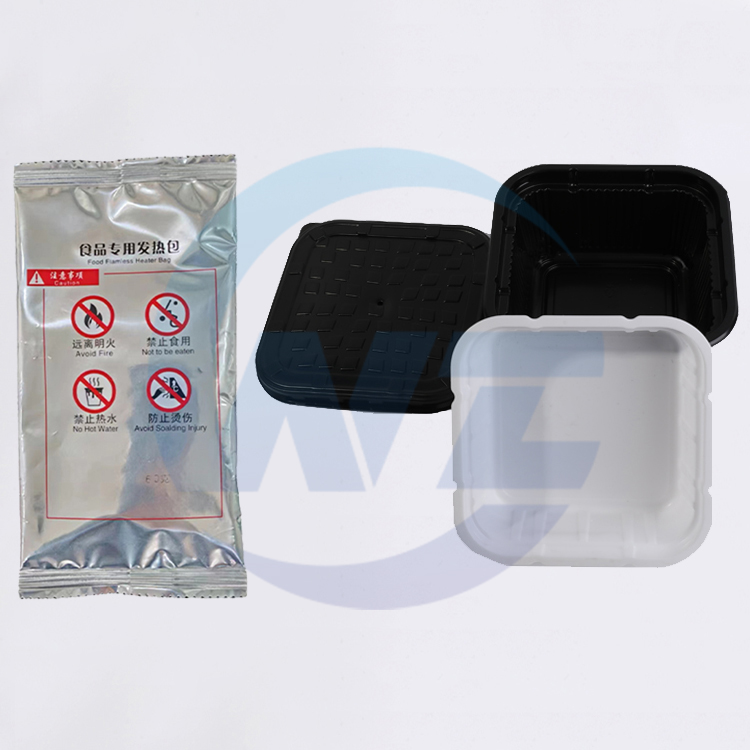
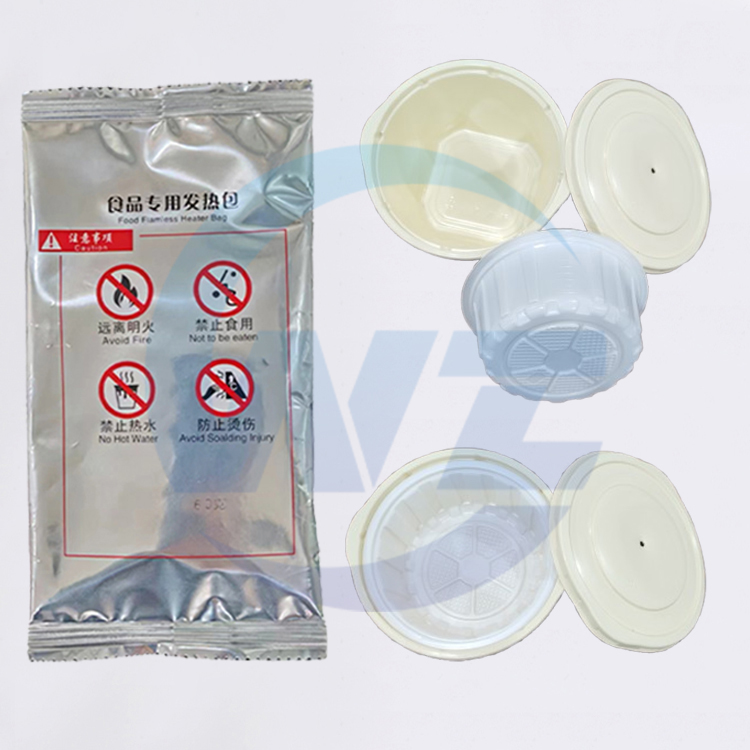
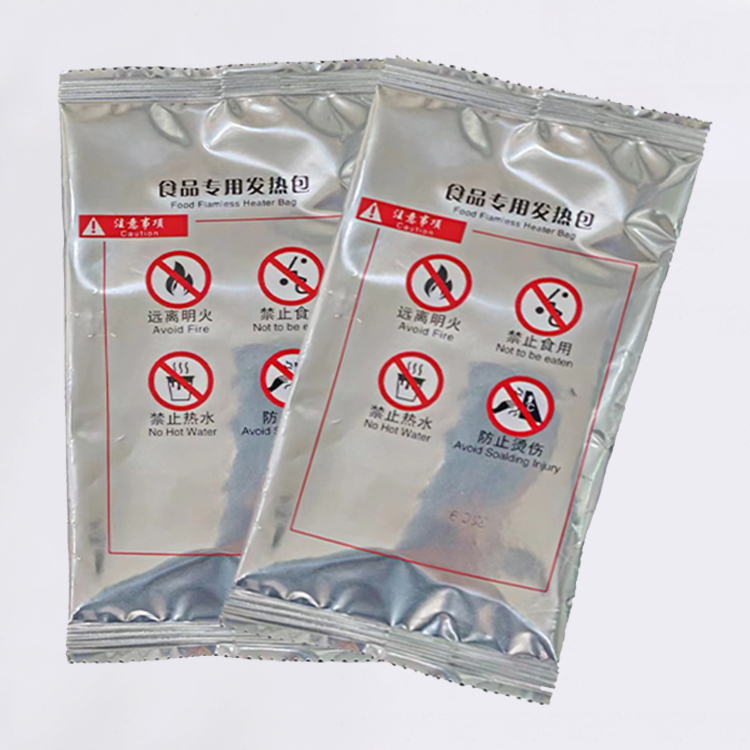
Flameless Ration Heaters (FRHs) have revolutionized the way outdoor enthusiasts, emergency responders, and humanitarian organizations access hot meals in the field. By utilizing a simple magnesium and water reaction, they provide essential warmth without the need for open flames. However, this chemical reaction produces a byproduct that is often overlooked in procurement discussions: hydrogen gas. While the convenience of FRHs is undeniable, the invisible accumulation of hydrogen in confined spaces poses a legitimate safety debate. For distributors, understanding and communicating this risk is not just a regulatory requirement—it is a critical moral obligation.
Features of Hydrogen Gas Safety in Flameless Heaters
Controlled Reaction Rates
High-quality FRHs are engineered with precise magnesium-to-salt ratios to ensure the chemical reaction proceeds at a steady, controlled pace. This limits the sudden, rapid release of hydrogen gas, keeping the emission rate within safe, breathable thresholds during normal use.
Ventilated Packaging Design
The outer polypropylene sleeves of certified FRHs feature micro-porous venting. This design allows the slow, safe dissipation of hydrogen gas into the atmosphere while preventing the extreme pressure buildup that could cause the pouch to burst.
Comprehensive Hazard Communication
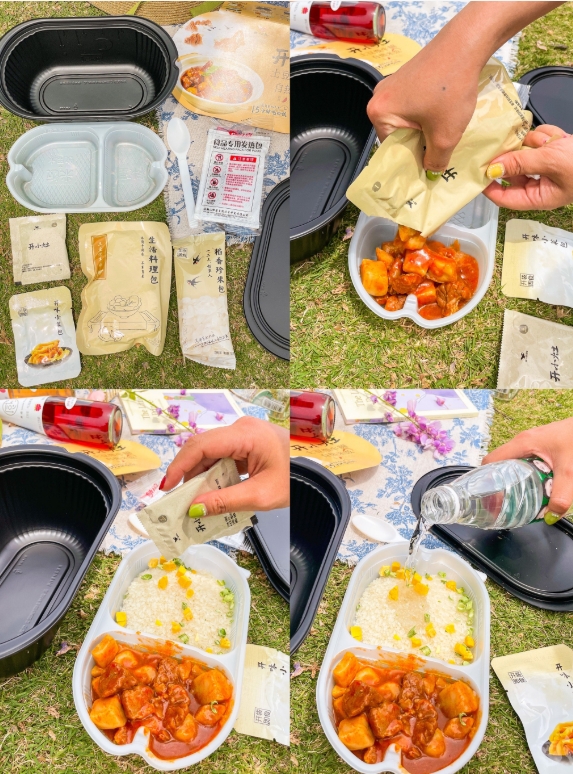
Reputable manufacturers include strict, highly visible warning labels on both the individual heater and the master carton. These warnings explicitly state that the heater must not be used in enclosed spaces without adequate ventilation.
How are safe Flameless Ration Heaters made?
The manufacturing process prioritizes chemical stability and safe gas management alongside heat generation.
Material Preparation
First, high-purity magnesium powder, iron, and sodium chloride are selected. The precise mesh size and purity of the magnesium are critical; too fine, and the reaction becomes volatile, producing excessive hydrogen too quickly.
Mixing and Packaging
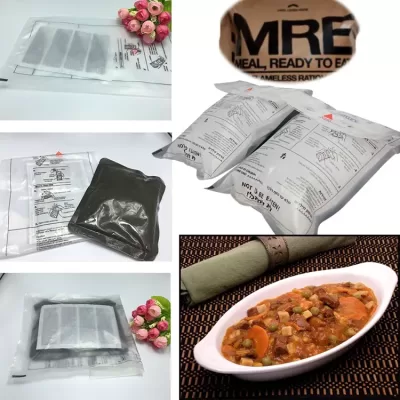
The materials are blended in strictly controlled, low-humidity environments to prevent premature reaction. The mixture is then sealed into a permeable inner pad, which is placed inside the vented outer polypropylene bag designed to manage hydrogen release.
Sealing and Activation
The packaging is vacuum-sealed to protect against ambient moisture. When the end-user adds water, the salt acts as an electrolyte, stripping the magnesium’s protective oxide layer and initiating the safe, sustained release of heat and hydrogen.
Popular Uses and Hydrogen Gas Risk Factors
Outdoor Adventures
Campers and hikers frequently use FRHs to heat meals in cold weather. The primary risk occurs when users, trying to stay warm, operate the heater inside a sealed tent or zipped-up vehicle, where hydrogen can accumulate to dangerous levels.
Emergency Preparedness
During natural disasters like blizzards or floods, people are often stranded in confined spaces such as storm cellars or small rooms. Distributors must ensure emergency kits include clear instructions about ventilation to prevent asphyxiation or fire risks.
Humanitarian Relief
In crowded refugee shelters or temporary housing, large numbers of heaters may be activated simultaneously. Proper ventilation planning is essential in these environments to ensure the collective hydrogen off-gassing does not create a combustible atmosphere.
How to choose a Flameless Ration Heater supplier that prioritizes safety?
Consider the use environment
If your end-users are likely to be in high-risk, confined environments, demand FRHs with the slowest, most controlled reaction times from your supplier to minimize the rate of hydrogen production.
Determine the compliance standards
Never source FRHs without verifying the supplier’s UN3363 certification and up-to-date Safety Data Sheets (SDS). A supplier who cannot readily provide these documents is ignoring fundamental chemical transport laws.
Safety first
Choose a manufacturing partner who includes multi-lingual, pictogram-based ventilation warnings directly on the product. As a distributor, this protects your liability and ensures untrained end-users understand the hydrogen gas risk.
How to care for and handle bulk FRH shipments?
Proper storage
Store bulk cartons of FRHs in dry, well-ventilated warehouses. While the risk of ignition in storage is extremely low due to the vacuum seals, maintaining good air circulation and keeping the inventory away from open flames or high heat sources is essential.

Follow instructions for use
Distributors must educate their downstream retailers and end-users. Ensure that all marketing materials and product listings explicitly state: “Use only in well-ventilated areas. Do not use in enclosed spaces such as tents, cars, or small rooms.”
Conclusion
Flameless Ration Heaters are an incredible asset for providing comfort and sustenance in harsh conditions, but they demand respect. Hydrogen gas is an inherent byproduct of the chemistry that makes them work. For distributors, turning a blind eye to this reality is a liability. By sourcing from suppliers who engineer controlled reactions, utilize ventilated packaging, and prioritize clear hazard communication, you can confidently supply safe, life-saving products to the market. Always prioritize education and compliance to ensure safety in the field.
If you think this article is helpful, please contact us. We will give you reasonable and suitable product recommendations based on your current situation. If you are not sure, you can also consult us. We will provide you with professional services to answer your questions. You are welcome to consult us at any time and we welcome all customers to conduct on-site inspections!
STAY IN THE LOOP