by Kevin
Share
by Kevin
Share
Friendly reminder: Do NOT use self-heating meal bags inside your car with windows up.
We’ve all been there: It’s a freezing winter day, or a torrential downpour hits while you’re out on a road trip, camping, or working a remote site. You pull over, grab a premium self-heating MRE from your glove compartment, add water, and sit back in the cozy comfort of your car while dinner cooks itself.
It feels like the perfect life hack. However, as an industry-leading source manufacturer of chemical heating technologies, we have to issue a critical safety alert: Do NOT use self-heating meal bags inside your vehicle with the windows fully rolled up.

While flameless ration heaters (FRHs) are an absolute game-changer for outdoor survival and recreation, understanding self-heating meal bags safety is crucial to preventing dangerous—and completely avoidable—mishaps. Here is the underlying chemistry of why enclosed spaces and self-heating packs don’t mix, and how to educate your B2B customers.
The Hidden Science: It’s Not Carbon Monoxide, It’s Hydrogen
When people think of cooking hazards inside a car or tent, they immediately worry about Carbon Monoxide (CO) poisoning from gas or charcoal stoves. Flameless heaters are 100% flameless, meaning they produce zero carbon monoxide.
So, what’s the issue? The answer is Hydrogen gas ($H_2$).
The chemical reaction that powers standard commercial FRHs relies on a magnesium-iron alloy reacting with water:
As the reaction generates steam to heat your beef stew or pasta, it simultaneously releases a small, steady stream of pure hydrogen gas.
Why Closed Car Windows Create a Hazard
Hydrogen is the lightest gas in the universe, highly volatile, and extremely flammable when it reaches certain concentrations in the air (between 4% and 75%).
-
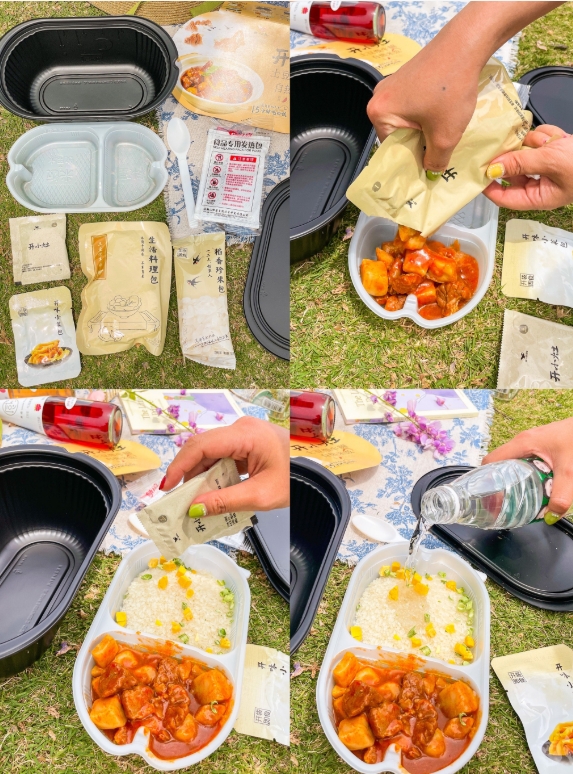
In the open air: The hydrogen instantly dissipates into the atmosphere, presenting an absolute 0% safety risk.
-
Inside a sealed vehicle: If you activate multiple large-scale self-heating meal bags inside a small, tightly sealed SUV or sedan with no airflow, that hydrogen gas can rapidly accumulate near the roof liner. A single stray spark from a phone charger, a cigarette lighter, or an ignition switch could theoretically trigger a sudden flash deflagration.
How Our Factory Engineers Around the Safety Challenge
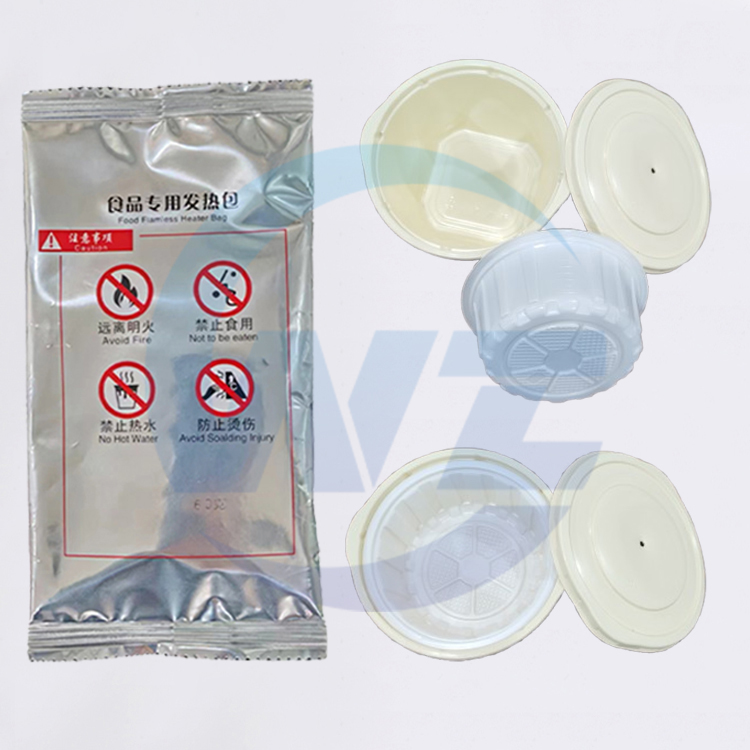
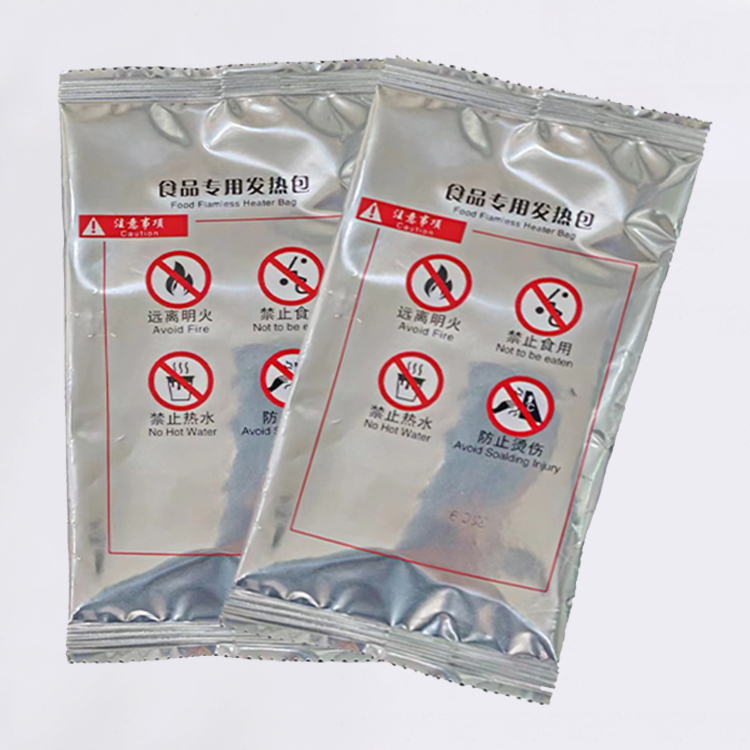
As a responsible direct-factory manufacturer, we don’t just print warning labels—we engineer active safety measures into our product design.
-
Micro-Perforation Venting Control: Our automated production lines utilize precision laser-slitting to create specialized micro-vents on the outer sleeves. This controls the rate of steam and gas release, preventing a sudden “spike” in hydrogen emission.
-
Optimized Chemical Purity: By utilizing high-purity, laboratory-tested magnesium powder blends, we ensure the reaction curve is smooth and sustained over 12 to 15 minutes, rather than violently releasing all gases in the first 60 seconds.
-
Strict Compliance Lab Testing: Every batch of our heaters undergoes rigorous gas emission profiling verified by TUV Rheinland, ensuring total hydrogen release remains safely below strict international safety thresholds.
Best Practices for End-Users (Pass This Along to Your Buyers)
To maintain absolute self-heating meal bags safety without sacrificing the convenience of a hot roadside meal, always follow these three simple rules:
-
Crack the Windows: If you absolutely must heat your food inside a car or truck cab due to extreme weather, crack at least two windows by 2–3 inches to create cross-ventilation.
-
One Bag at a Time: Never activate multiple heavy-duty heating bags simultaneously inside a confined space.
-
Never Seal the Outer Bag Airtight: Always allow the steam to escape through the designed channels.
Conclusion: Safety is the Ultimate Brand Protection
For B2B procurement managers, sourcing the cheapest generic heating pad might save a few cents upfront, but it opens your brand up to massive liability if end-users deploy them incorrectly. Partnering with a verified factory ensures you receive certified, structurally sound packaging, up-to-date MSDS, and expert technical guidance.
Secure Your Supply Chain with Certified Engineering
Looking to design custom-branded self-heating kits with ironclad global compliance clearances? Let our engineering team handle the technical safety standards for you.
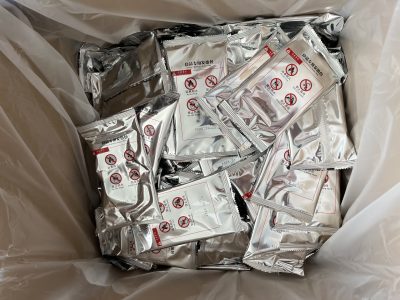
👉 [Contact Our Technical B2B Support Team] to request a free sample kit with our updated pictogram safety layouts!
FAQ: Common Questions Regarding Self-Heating Safety & Procurement
Q: Does this hydrogen warning mean FRHs are classified as illegal or toxic?
A: Not at all. The byproduct of the reaction is simply magnesium hydroxide (which is non-toxic and structurally similar to Milk of Magnesia) and basic water vapor. It is a completely safe, FDA-compliant product for adjacent food heating. The warning is strictly about physical gas accumulation in airtight spaces, similar to how charging a standard car battery requires ventilation.
Q: What certifications does your factory hold to prove these bags are safe for global transit?
A: We hold full UN3363 Transport Certification for dangerous goods, alongside current MSDS reports verified for 2026. Because our automated cleanroom production guarantees a structural defect rate of < 0.1%, major logistics carriers worldwide accept our vacuum-sealed cargo for both ocean container shipping and air freight with zero port hold-ups.
Q: Can we customize the safety warning text and icons on the outer bag for our brand?
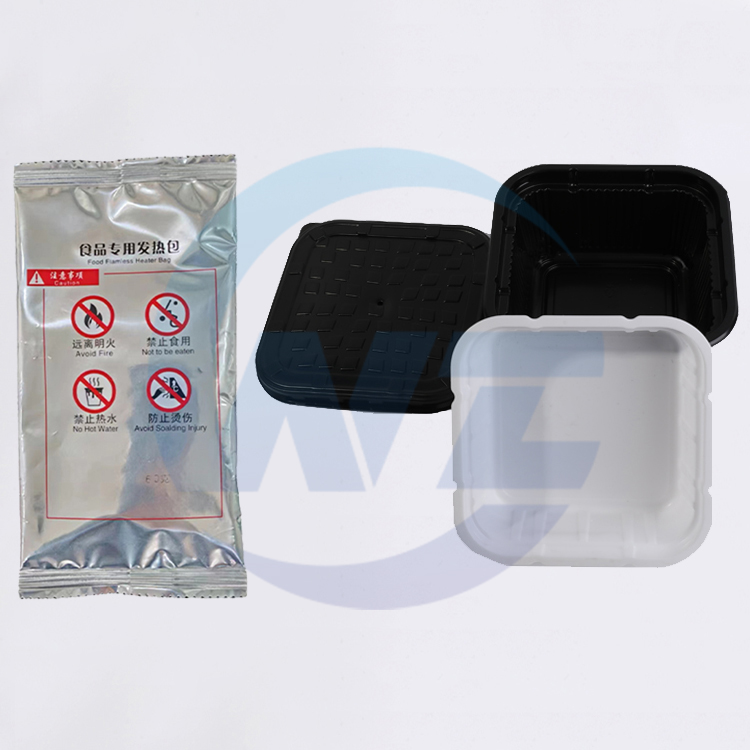
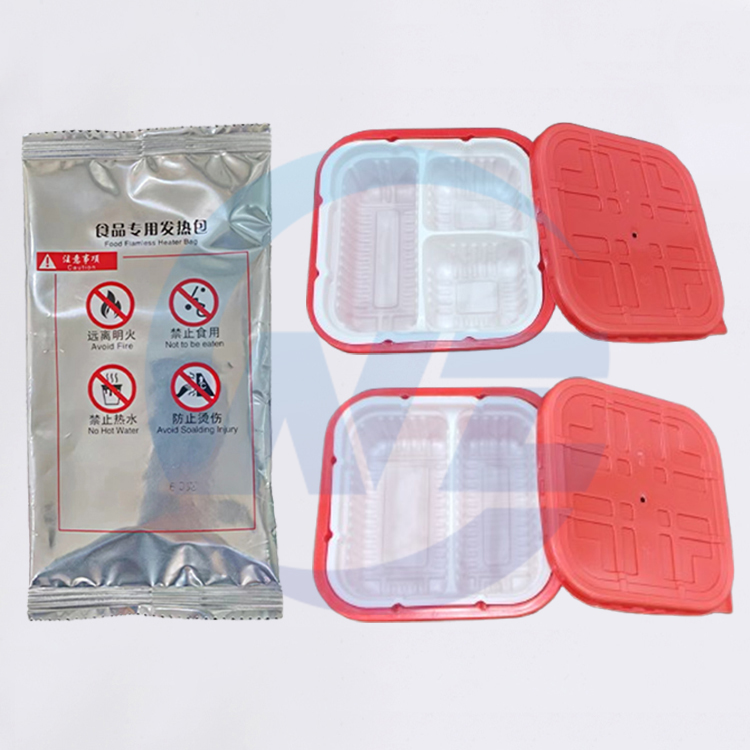
A: Yes. We highly recommend utilizing clear, icon-based instructions on retail packaging. Our high-volume facility offers complete OEM/ODM printing services (up to 8 colors using high-definition gravure plates). Our design team can seamlessly blend your custom brand styling with international compliance pictograms on the heating sleeves. The standard MOQ for custom printing is 50,000 units.
Q: Do you provide a product warranty or liability assurance for bulk B2B purchases?
A: We stand behind our manufacturing precision with a 1:1 immediate replacement guarantee on any units that show a compromised vacuum seal upon arrival. Additionally, every B2B corporate client is paired with a dedicated account manager with a guaranteed 12-hour response window to assist with custom border documentation or regulatory audits.
STAY IN THE LOOP