by Kevin
Share
by Kevin
Share
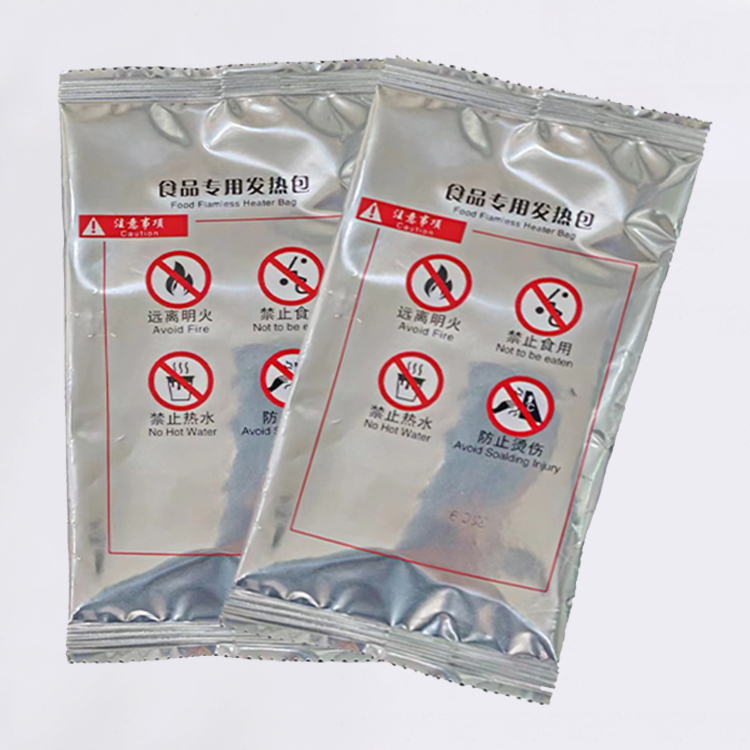
Flameless Ration Heaters (FRHs) are critical components of military field rations, disaster relief kits, and emergency preparedness supplies. Because these devices rely on a rapid exothermic chemical reaction involving magnesium and water to generate heat, the margin for error in their manufacturing is incredibly small. A substandard heater can result in cold food, chemical leaks, or serious safety hazards like uncontrolled hydrogen gas release. This reality creates a crucial discussion for procurement officers and buyers: how do you separate a genuine, high-quality manufacturer from a factory cutting corners on chemistry? Choosing the right FRH supplier is just as important as the product itself.
Features of a Reliable Supplier’s FRHs
Regulatory Compliance
A trustworthy supplier provides FRHs that strictly adhere to Department of Transportation (DOT) and international dangerous goods regulations. This ensures the heaters are legally and safely cleared for air, ground, and sea transport without requiring special hazardous material placarding.
Consistent Reaction Profiles
Top-tier suppliers engineer their heaters to provide a predictable, controlled temperature curve. This means the heater reaches the optimal warming temperature (usually between 140°F and 175°F) and sustains it for the exact duration promised on the packaging, without dangerous thermal spikes.

Robust Barrier Packaging
Reliable manufacturers use high-quality, multi-layer barrier films (often incorporating polypropylene) for the outer sleeve. This guarantees a perfect vacuum seal that prevents ambient moisture from prematurely degrading the magnesium powder during long-term storage.
Batch Traceability
Quality suppliers implement strict batch tracking systems. If a defect or performance issue is discovered in the field, the supplier must be able to trace the exact batch, production date, and raw material source to isolate and resolve the problem efficiently.
How are high-quality Flameless Ration Heaters made?
Understanding a supplier’s manufacturing process is the core of any procurement checklist.
Material Sourcing
Reliable suppliers start by sourcing high-purity, food-grade magnesium powder and precise grades of iron and salt. The purity of the magnesium directly dictates the consistency and safety of the exothermic reaction.
Controlled Environment Mixing
Because fine magnesium dust is highly combustible, reputable suppliers mix the chemical components in strictly controlled, humidity-regulated environments. This prevents static buildup, cross-contamination, and accidental ignition during production.
Automated Sealing and Testing
Instead of manual labor, quality facilities use automated, laser-guided vacuum sealing machines. Furthermore, reliable suppliers pull random samples from every production run to perform water-activation tests, ensuring the seal holds and the chemical reaction performs to standard before the batch is shipped.
Popular Uses Dictating Supplier Standards
Military and Defense Contracts
Military buyers require suppliers to meet stringent Mil-Spec standards. Heaters must perform reliably in extreme cold, high altitude, and rigorous transit conditions, requiring the supplier to have a proven track record of flawless logistical execution.
Humanitarian and Disaster Relief
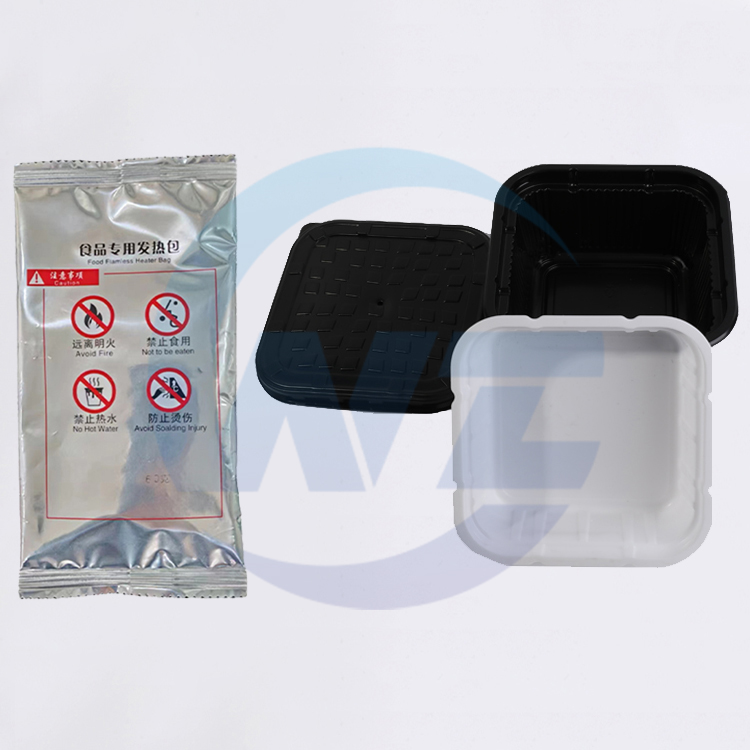
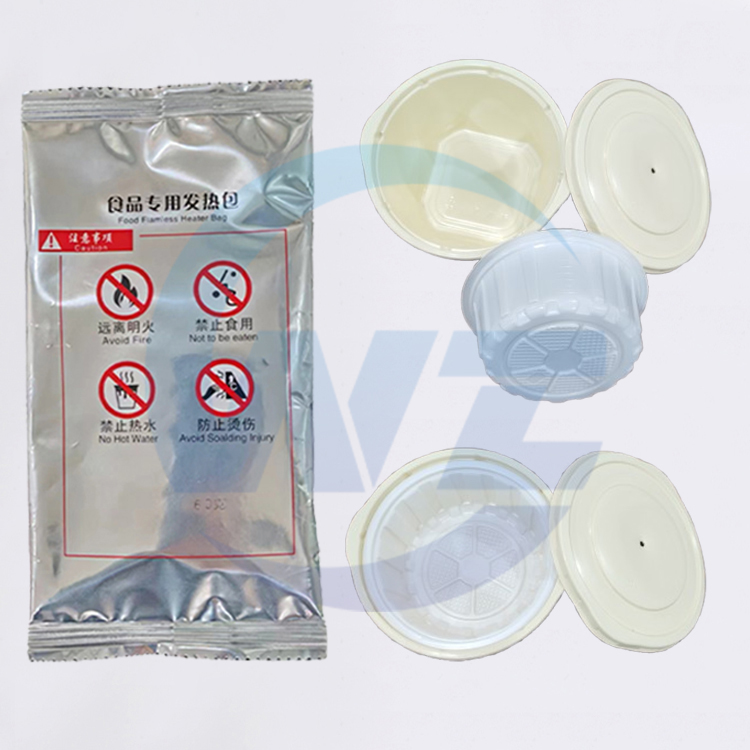
NGOs procuring FRHs need suppliers who can provide multi-lingual safety instructions, graphical usage guides, and massive volume drop-shipping capabilities to disaster zones on incredibly short notice.
Commercial Outdoor Retail
Suppliers serving the civilian market must be able to provide eye-catching, consumer-friendly packaging while strictly maintaining the internal chemical safety standards required for untrained end-users.
How to choose a reliable Flameless Ration Heater supplier?
Review safety certifications
Never take a supplier’s word for it. Request current copies of their Safety Data Sheets (MSDS), DOT exemption letters, and ISO 9001 quality management certifications. A refusal to provide these is an immediate disqualification.
Request samples and test rigorously
Always order samples before committing to a bulk purchase. Test the samples in the exact environmental conditions your end-users will face (e.g., in a freezer to simulate winter use) to verify the supplier’s temperature and duration claims.

Evaluate supply chain stability
Ask about their raw material sourcing and production capacity. A supplier offering incredibly low prices may be relying on inconsistent, low-grade magnesium or may lack the capacity to fulfill large emergency orders when you need them most.
Check for transparent communication
A reliable supplier will openly discuss the limitations of their product, such as the mandatory need for ventilation due to hydrogen gas production. Suppliers who claim their heaters have “zero risks” or “no byproducts” do not understand the chemistry and should be avoided.
How to care for and manage procured FRHs?
Proper storage
Even the best FRHs will fail if stored improperly. Ensure your warehouse or supply chain maintains a dry, temperature-controlled environment. Moisture exposure is the number one enemy of an FRH’s shelf life.
Follow instructions for use
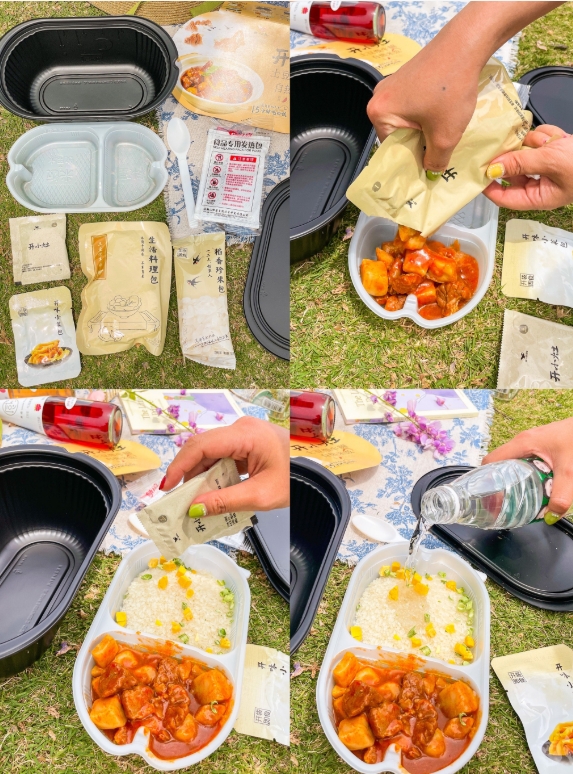
Procurement isn’t just about buying; it’s about deploying. Ensure that the supplier provides adequate instructional materials so that your end-users activate the heaters correctly, safely, and in well-ventilated areas.
Conclusion
A Flameless Ration Heater is only as good as the company that manufactures it. Cutting corners on supplier vetting to save a few cents per unit can lead to massive logistical failures, safety liabilities, and severely compromised morale in the field. By applying a rigorous procurement checklist—focusing on verifiable certifications, sample testing, and transparent safety communication—you can secure a reliable, life-saving tool that will perform exactly when it is needed most.

If you think this article is helpful, please contact us. We will give you reasonable and suitable product recommendations based on your current situation. If you are not sure, you can also consult us. We will provide you with professional services to answer your questions. You are welcome to consult us at any time and we welcome all customers to conduct on-site inspections!
STAY IN THE LOOP