by Kevin
Share
by Kevin
Share
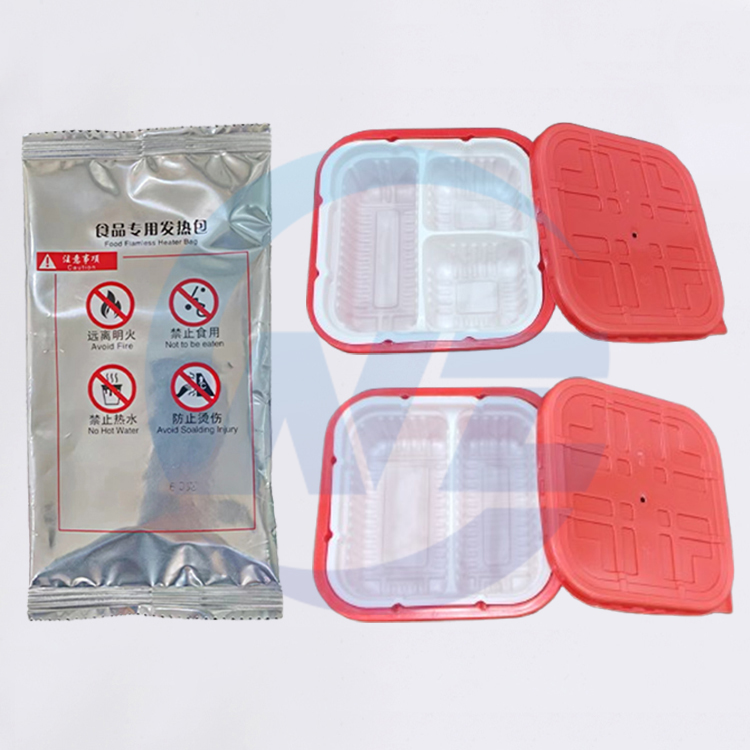
Sourcing Flameless Ration Heaters (FRHs) for B2B applications—whether for contracts, disaster relief agencies, or commercial outdoor retail—is far more complex than simply finding the lowest unit price. These self-heating meal accessories rely on a precisely calibrated exothermic reaction between magnesium, iron, salt, and water. A failure in this chemical process due to poor manufacturing can lead to cold rations, damaged packaging, or severe safety hazards involving hydrogen gas. As procurement professionals know, what separates a reliable supply chain from a logistical nightmare is understanding the hidden technicalities behind these compact heating devices.
Features of High-Quality Flameless Ration Heaters
Strict Regulatory Compliance
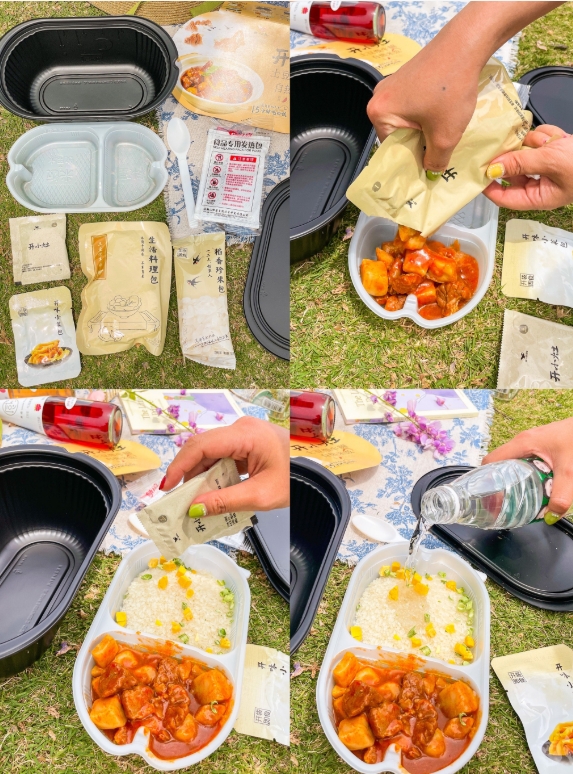
Top-tier FRHs are manufactured and classified under strict international dangerous goods regulations (such as UN3363). A reliable product ensures hassle-free bulk shipping without requiring special hazardous material permits, saving significant logistics costs.
Consistent Thermal Output
Premium heaters are formulated to provide a predictable temperature curve, reaching optimal heating temperatures (typically 140°F to 175°F) and sustaining it for a guaranteed duration, eliminating the risk of “dud” batches that damage brand reputation.
Robust Barrier Packaging
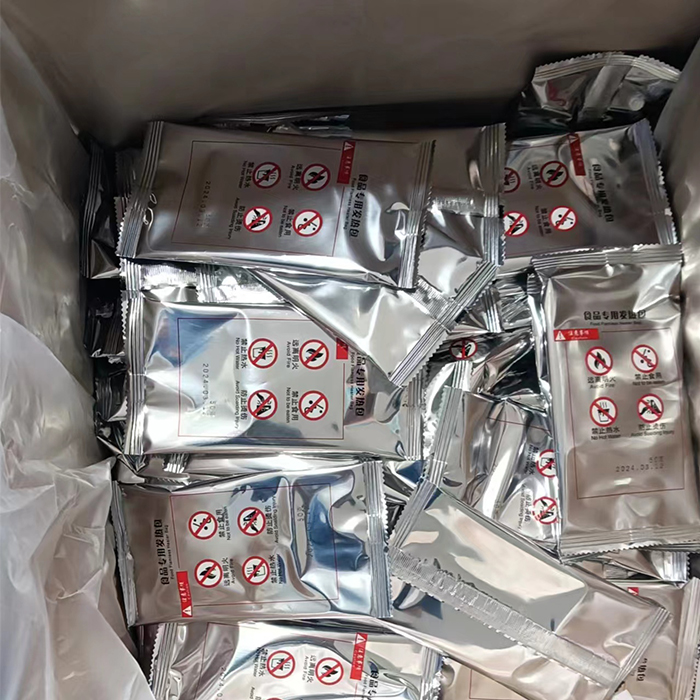
The outer sleeve, often constructed from specialized polypropylene blends, must be puncture-resistant and highly durable. This prevents the fine magnesium powder from being exposed to ambient humidity during rough transit and long-term warehouse storage.
Precise Chemical Formulation
High-purity magnesium powder and exact magnesium-to-carbon ratios ensure the reaction activates quickly with minimal water and does not experience premature degradation over a multi-year shelf life.
How are Flameless Ration Heaters made?
The manufacturing process of commercial FRHs involves rigorous environmental and quality controls to ensure batch-to-batch consistency.
Material Sourcing and Preparation
First, high-grade, food-contact-safe magnesium powder, iron dust, and salt are procured. The purity levels of these raw materials are heavily tested, as impurities can drastically alter the heating speed and maximum temperature.
Controlled Mixing and Packaging
The chemical mixture is blended in strictly humidity-controlled environments to prevent premature oxidation. The powder is then sealed into a permeable pad, which is placed inside the heat-resistant outer sleeve, ensuring no powder leakage occurs.

Sealing and Quality Assurance
The packaging bag is vacuum-sealed to lock out moisture. Before bulk packing, reputable manufacturers conduct (sample activation tests) on every batch to verify the exothermic reaction meets the exact temperature and time specifications required by the buyer.
Popular Uses of Flameless Ration Heaters in B2B
Defense Contracts
Defense ministries are the largest consumers of FRHs. They require heaters that meet stringent Mil-Spec standards, capable of performing reliably in extreme cold weather, high altitudes, and rigorous field conditions.
Humanitarian and Disaster Relief
NGOs and government relief agencies procure FRHs by the millions to distribute alongside MREs in disaster zones. The focus here is on safe, flameless operation to prevent fires in crowded refugee camps.
Commercial Private Labeling
Outdoor retail brands and survival gear companies source FRHs from OEM manufacturers to include in their prepper kits, camping meals, and emergency preparedness packages under their own private labels.
How to choose a Flameless Ration Heater supplier that suits your needs?
Consider the compliance environment
Verify that the supplier can consistently provide up-to-date Safety Data Sheets (MSDS), DOT exemptions, and CE/FDA compliance certificates. A supplier lacking proper documentation will halt your shipments at customs.
Determine the technical specifications
Do not accept vague product descriptions. Define your exact requirements: activation time, peak temperature, sustained heat duration, and operating temperature range (e.g., does it need to work at -20°C?).
Safety and QC first
Prioritize factories with ISO 9001 certifications. Ask for their specific quality control protocols—specifically, what percentage of each batch is destroyed in environmental and thermal testing before shipment.
How to care for a procured Flameless Ration Heater inventory?
Proper storage
Store bulk FRHs in a dry, climate-controlled warehouse. Moisture is the primary enemy of magnesium; even microscopic humidity breaches in the outer packaging can render entire pallets of heaters useless.
Follow instructions for deployment
Ensure your supplier includes comprehensive, multi-lingual safety and activation instructions with every unit. Proper end-user education prevents misuse (such as using the heater in sealed spaces), shielding your organization from liability.
Conclusion
Sourcing Flameless Ration Heaters is a high-stakes procurement decision that directly impacts end-user safety and brand reliability. By looking beyond unit costs and focusing on raw material purity, packaging durability, and verifiable quality control testing, B2B buyers can secure a supply chain that performs flawlessly in the field. Check your supplier’s credentials regularly and insist on batch-testing transparency to ensure your inventory is always mission-ready.
If you think this article is helpful, please contact us. We will give you reasonable and suitable product recommendations based on your current situation. If you are not sure, you can also consult us. We will provide you with professional services to answer your questions. You are welcome to consult us at any time and we welcome all customers to conduct on-site inspections!
STAY IN THE LOOP