by Kevin
Share
by Kevin
Share
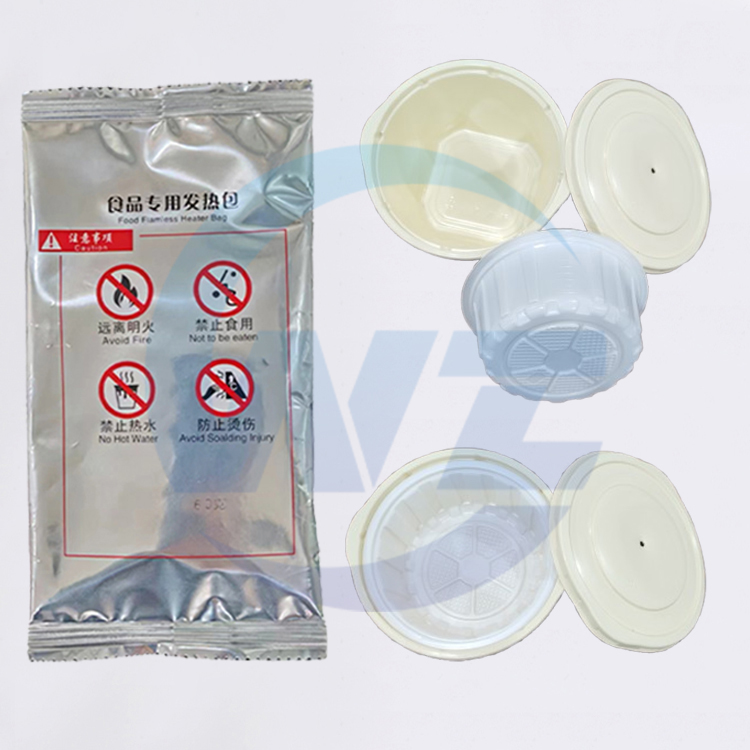
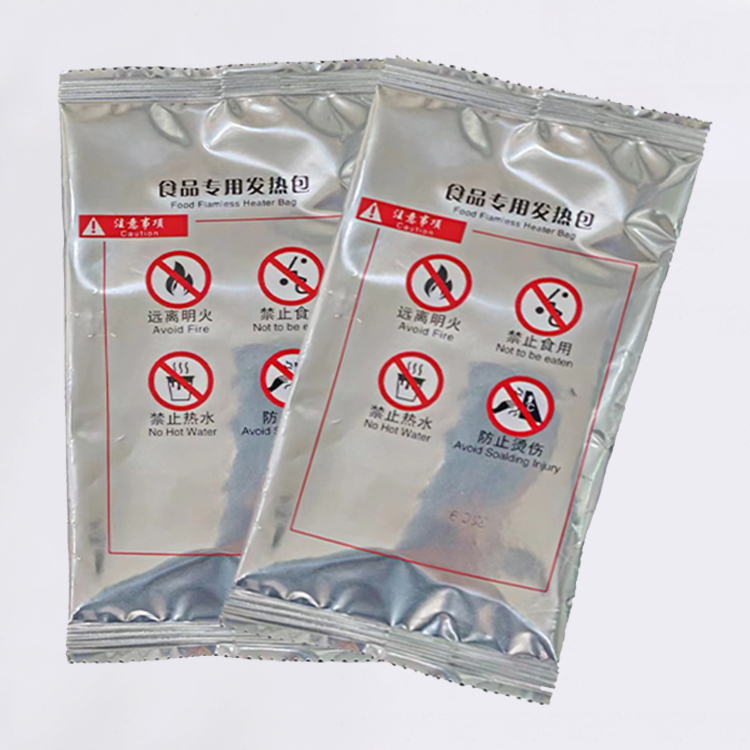
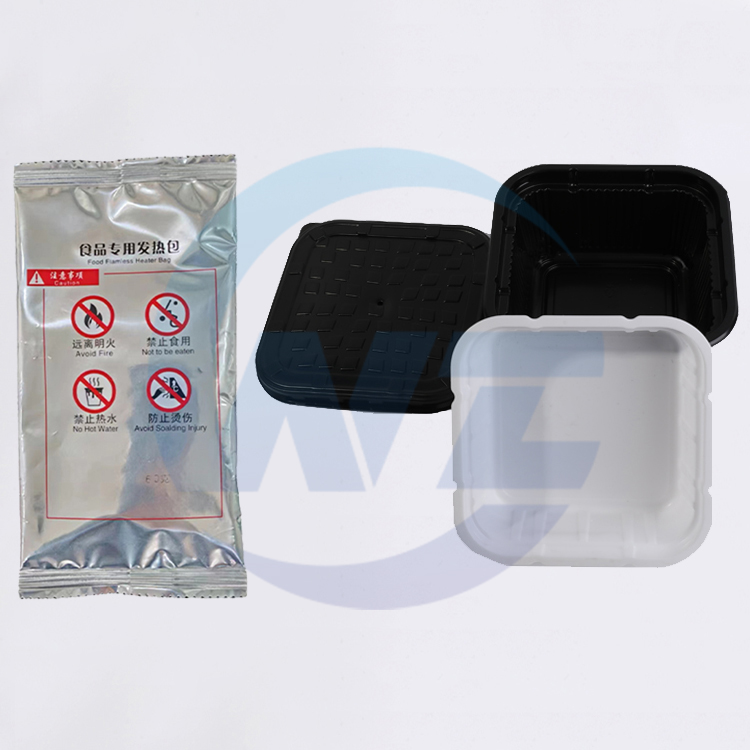
The global convenience food sector is witnessing a massive paradigm shift. Integrating FRHs into Commercial Ready-to-Eat (RTE) Meal Kits has transformed from an experimental outdoor feature into a standard requirement for premium camping brands, military rations, and nationwide emergency disaster stockpiles. Consumers now demand hot, nutritious meals in minutes—without stoves, campfires, or electricity.
However, for B2B procurement managers and brand owners, this integration is a complex engineering challenge. Sourcing a generic heating pad online and dropping it into a food box is a recipe for product recalls, custom detentions, and brand damage.
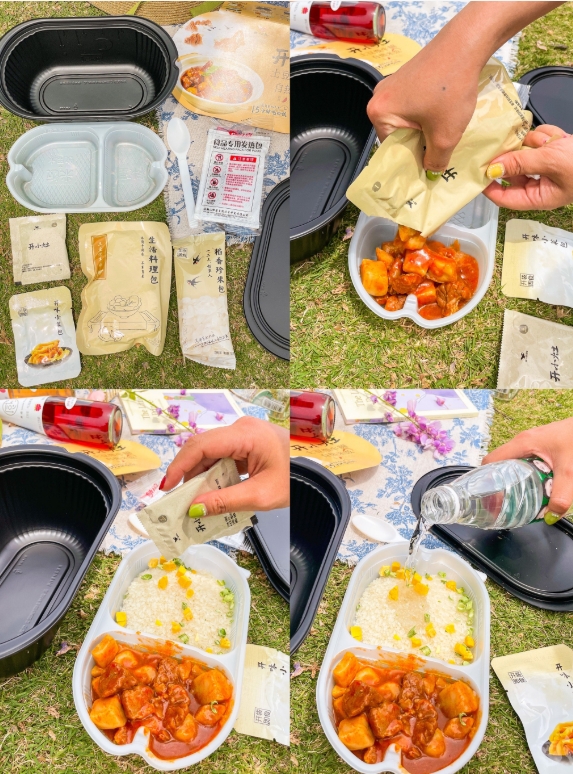
As a premier direct-factory manufacturer and exporter, we have engineered millions of self-heating solutions. In this guide, we break down the critical technical realities and supply chain pitfalls you must navigate when integrating Flameless Ration Heaters into your commercial food lines.
The Hidden Complexity: Why “One Size” Never Fits All
The most common mistake buyers make when integrating FRHs into commercial Ready-to-Eat (RTE) meal kits is assuming all heaters behave the same way. A heater that perfectly warms a 150g packet of instant rice will completely fail when paired with a dense 300g beef stew or a high-fat pasta dish.
1. The Thermal Mass Formula
Food density, water content, and packaging material (such as multi-layer aluminum retort pouches vs. plastic trays) drastically alter heat absorption rates. Our factory’s R&D lab calculates the exact energy output required based on your food’s specific thermal profile. We adjust the ratio of high-purity magnesium, iron, and catalysts to ensure the heat transfers efficiently without scorching the food or leaving cold spots.
2. Packaging Integrity Under High Vapor Pressure
When activated with water, an FRH creates localized steam. If the outer bag or the kit’s box does not feature precision-engineered micro-perforations, steam pressure can distort or rupture your branded retail packaging. Our production lines utilize automated optical slitters to ensure perfect venting layout on every heating sleeve.
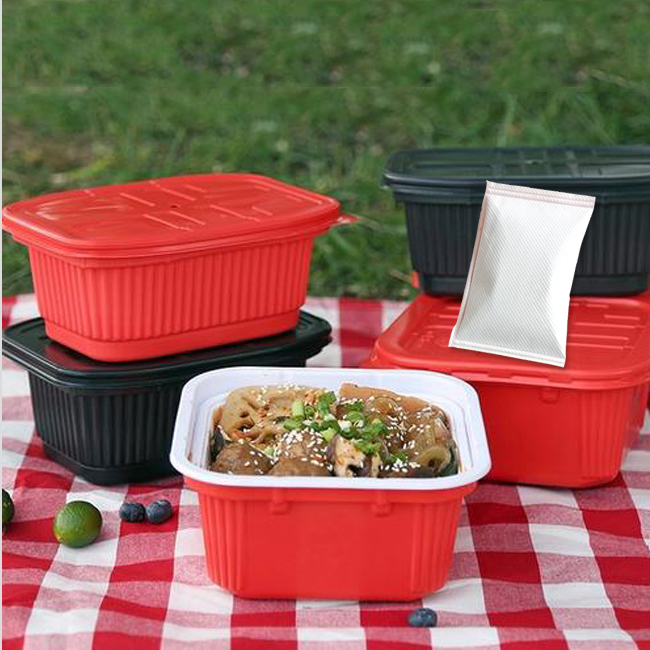
Technical Specifications & Production Capabilities
To ensure your brand’s integration project succeeds, our facility operates under strict technical thresholds. Below are the verified metrics of our standard and customizable production runs for 2026:
| Engineering Parameter | Factory Standard | Custom Capabilities | Compliance Validation |
| Exothermic Activation Speed | Reaches >70°C in under 3 minutes | Accelerated or delayed curves | Verified by SGS Technical Lab |
| Max Temperature Ceiling | 92°C (197°F) | Tailored from 60°C to 105°C | Intertek Safety Report (2026) |
| Hydrogen Release Volume | Well below 120ml total | Micro-venting suppression | TUV Rheinland Gas Analysis |
| Workshop Environment | Automated, <30% relative humidity | Scaled cleanroom manufacturing | ISO 9001:2015 Certified Lines |
| Defect Control (AQL) | AQL 1.5 Destructive Thermal Testing | 100% Automated Optical Inspection | Internal structural defect rate < 0.1% |
Sourcing Pitfalls: Factory Direct vs. Middlemen Trading
When scaling up production for a commercial launch, where you source matters just as much as what you source.
-
The Price vs. Safety Trap: Pure trading companies often source from unregulated, low-tech workshops to offer rock-bottom prices. These heaters frequently suffer from chemical settling, resulting in uneven heating or complete failure after 6 months on a retail shelf.
-
The Factory-Direct Advantage: Operating as a fully integrated manufacturer and trade enterprise, we maintain 100% control over the raw chemical purity, the high-barrier vacuum sealing films, and the final assembly. This ensures a stable 3-year shelf life for your integrated kits.
Overcoming Global Logistics & Customs Barriers
The biggest bottleneck when integrating FRHs into commercial Ready-to-Eat (RTE) meal kits isn’t food science—it is global shipping. Because FRHs contain active magnesium powder, they are classified under international transport regulations as dangerous goods.
-
Ironclad Paperwork: Many buyers see their shipments stranded at customs because their supplier provided expired or generic paperwork. Our factory provides full, up-to-date UN3363 Transport Certifications and comprehensive MSDS customized to your specific order.
-
DDP Global Delivery: We don’t just hand over the goods at our factory gates. We manage the entire export lifecycle, offering reliable DDP (Delivered Duty Paid) shipping to major hubs in North America, Europe, and Australia via specialized dangerous goods logistics networks.
Conclusion: Build a Premium, Safe Product Line
Integrating self-heating capabilities into your food brand is a powerful way to increase margins and capture the lucrative outdoor and emergency defense markets. But don’t let supply chain shortcuts jeopardize your brand reputation. Partner with a source manufacturer that delivers tested engineering, verified capacity, and absolute regulatory compliance.
Ready to Launch Your Self-Heating Meal Line?
Don’t guess your thermal requirements. Let our factory engineers handle the data matching for you.
👉 [Contact Our Engineering Team] to secure a free sample kit or to arrange a virtual tour of our automated production facility!
STAY IN THE LOOP