by Kevin
Share
by Kevin
Share
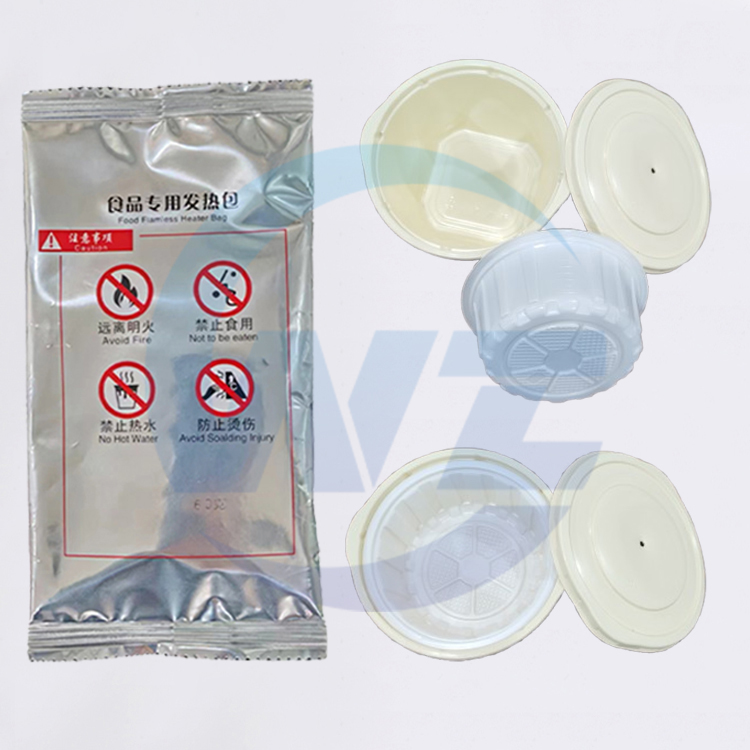
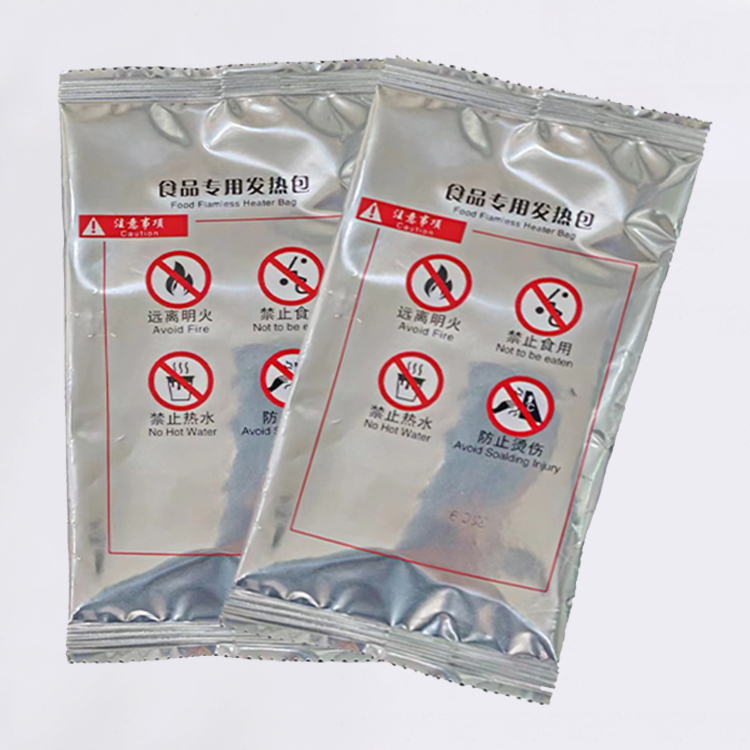
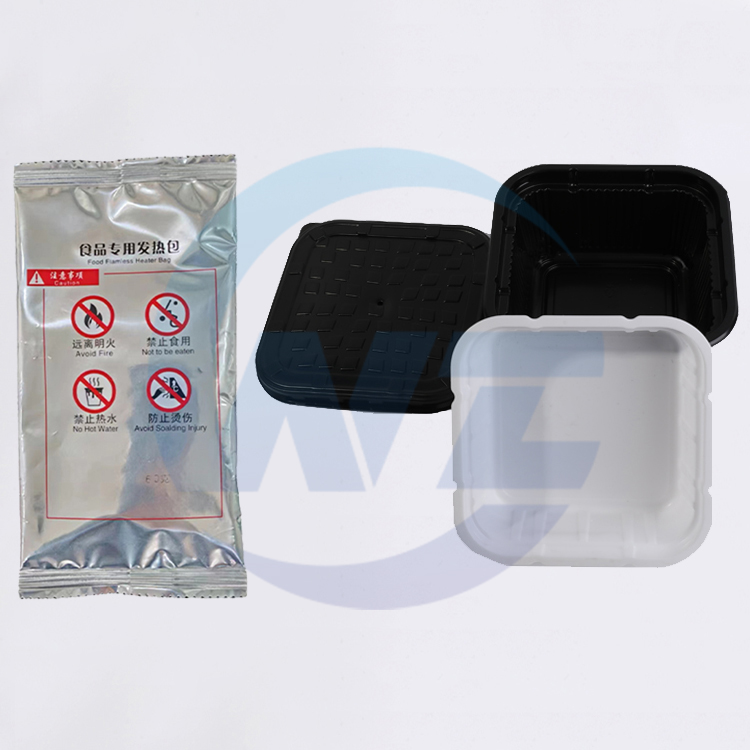
As the global demand for ready-to-eat (RTE) meals and emergency rations grows, many outdoor, survival, and humanitarian brands are looking to add Flameless Ration Heaters (FRHs) to their product lines. However, bringing a chemical heating device to market requires navigating complex manufacturing processes. The most critical crossroad buyers face is choosing between OEM (Original Equipment Manufacturing) and ODM (Original Design Manufacturing). This decision dictates everything from your development costs and time-to-market to your intellectual property rights. Understanding the strategic difference between these two models is essential for building a reliable, profitable self-heating meal brand.
Features of OEM vs. ODM Flameless Heaters
Complete Formulation Control (OEM)
With OEM, the brand owns the exact chemical recipe. You dictate the specific magnesium purity, carbon ratios, and salt concentrations to achieve a highly customized heating curve tailored precisely to your unique meal pouch dimensions.
Turnkey Speed (ODM)
ODM heaters are pre-designed, pre-tested, and ready to ship. The manufacturer has already perfected the chemical mix and packaging, allowing your brand to launch a proven, high-quality product in a fraction of the time it takes to develop from scratch.

Intellectual Property Ownership (OEM)
When you engineer an FRH via OEM, you own the proprietary design and tooling. This prevents the factory from selling your exact product to competitors, giving you a true monopoly on your specific heater performance in the market.
Cost Efficiency (ODM)
Because ODM manufacturers spread the high costs of chemical formulation, tooling, and safety testing across multiple clients utilizing the same base design, the minimum order quantities (MOQs) and per-unit costs are significantly lower for new brands.
How are OEM and ODM Flameless Heaters made?
The manufacturing process diverges significantly depending on the model you choose.
Specification and Prototyping
In OEM, the process begins with your R&D team providing a blank slate of thermal requirements, requiring extensive lab testing to create a new prototype. In ODM, the process begins by selecting an existing, proven heater model from the manufacturer’s catalog that closely matches your needs.
Tooling and Material Preparation
For OEM, custom dies must be machined for the specific polypropylene bag dimensions, and raw magnesium must be sourced to your exact specs. For ODM, existing factory molds are utilized, and the manufacturer draws from bulk-stocked raw materials already approved for that specific design.
Mixing, Packaging, and Batch Testing
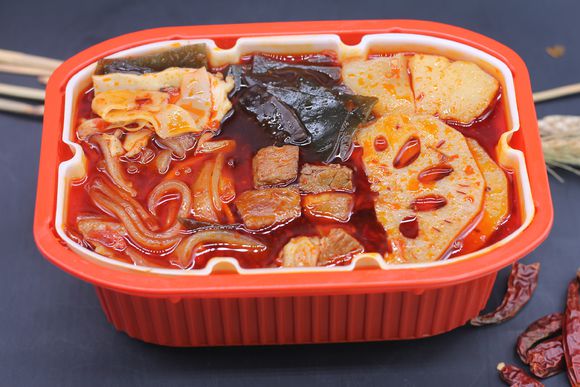
Whether OEM or ODM, the actual production—blending the magnesium and iron powder, sealing the pad into the sleeve, and vacuum packaging—follows strict QA protocols. However, OEM requires rigorous first-article inspections (FAI) to validate the new specs, while ODM relies on established statistical process control (SPC).
Popular Uses for OEM and ODM Strategies
Defense Contracts (OEM)
Armed forces require highly specific Mil-Spec heaters designed for extreme arctic or desert conditions. Defense contractors almost exclusively use OEM to guarantee the heater performs flawlessly under highly classified operational parameters.
Commercial Survival Kits (ODM)
Retail brands selling 72-hour emergency kits often use ODM heaters. They need a reliable, safe, certified product with their logo printed on it, but they do not require a proprietary chemical reaction to succeed in the consumer market.
Private Label Humanitarian Relief (ODM)
NGOs procuring millions of heaters for disaster relief typically adopt ODM models. They leverage the manufacturer’s pre-existing UN-certified (UN3363) designs, simply applying their agency’s branding to ensure rapid deployment without regulatory delays.
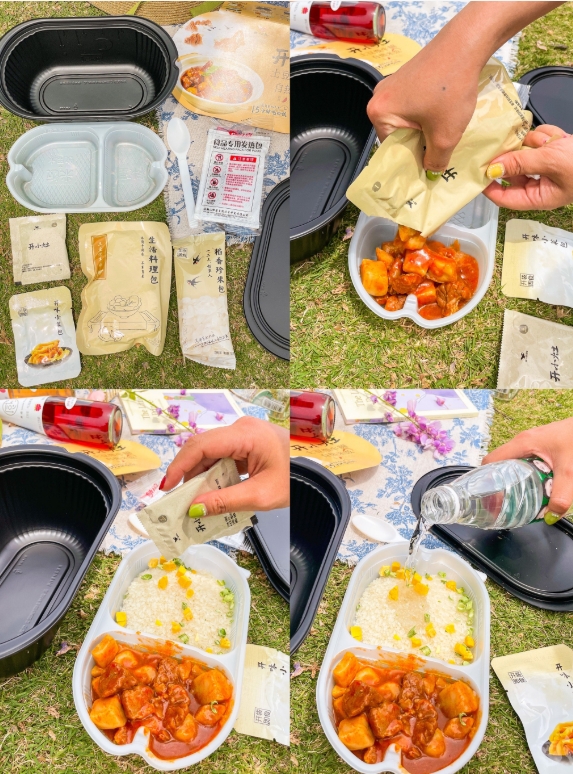
Innovative Outdoor Meal Brands (OEM)
Premium outdoor brands launching uniquely shaped meal pouches often use OEM to custom-design an FRH sleeve that perfectly conforms to their proprietary packaging, maximizing heat transfer and reducing wasted space.
How to choose the right manufacturing model for your needs?
Consider your R&D capabilities
If your company lacks in-house chemical engineers or the budget for extensive third-party lab testing, ODM is the safer, smarter choice. If you have the technical expertise to specify exact exothermic reactions, OEM offers superior differentiation.
Determine your timeline
If you need to get a self-heating meal to market within three months, ODM is your only viable option. OEM chemical formulation, tooling, and compliance testing can take six to twelve months or more.
Evaluate your budget and MOQ
OEM requires heavy upfront capital for custom tooling and high MOQs to justify the factory’s setup time. ODM allows you to start with lower MOQs, preserving your cash flow while testing market demand.
Safety and IP first
If protecting your proprietary heating technology from competitors is your top priority, invest in OEM. If rapid access to a safely certified, compliant product is more important than exclusive design rights, choose ODM.
How to care for an OEM/ODM FRH partnership?
Proper communication
Maintain a transparent relationship with your manufacturer. Clearly document all thermal specifications, packaging requirements, and quality control checkpoints in a legally binding manufacturing agreement.
Follow instructions for validation
Never skip the pre-shipment sampling phase. Whether it is a new OEM batch or a standard ODM run, always have an independent lab verify the temperature output and hydrogen gas emission levels before allowing the factory to ship to your warehouse.
Conclusion
Choosing between OEM and ODM for your Flameless Ration Heaters is not just a manufacturing decision; it is a foundational business strategy. ODM offers a fast, cost-effective entry into the self-heating meal market with minimized risk, while OEM provides total control, exclusivity, and performance optimization for brands with larger budgets and strict technical requirements. Evaluate your internal resources, your market timeline, and your long-term brand goals carefully to select the path that guarantees your product’s success in the field.
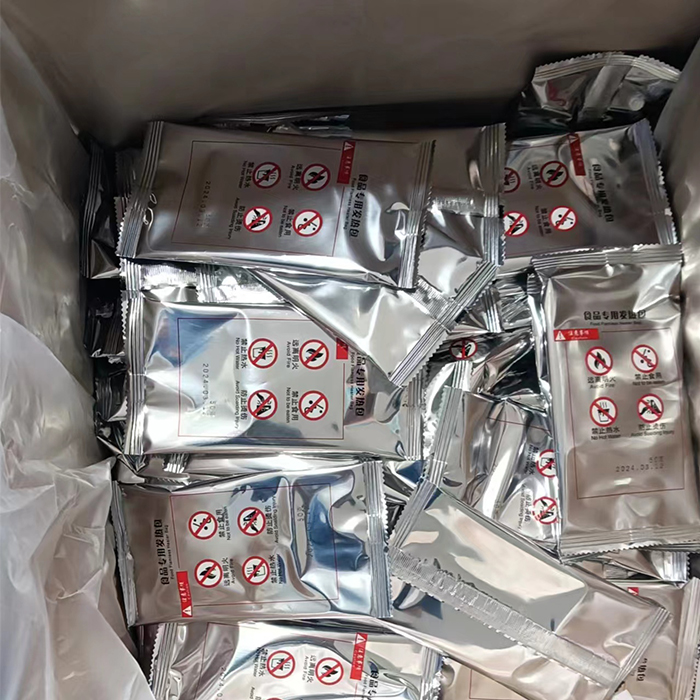
If you think this article is helpful, please contact us. We will give you reasonable and suitable product recommendations based on your current situation. If you are not sure, you can also consult us. We will provide you with professional services to answer your questions. You are welcome to consult us at any time and we welcome all customers to conduct on-site inspections!
STAY IN THE LOOP