by Kevin
Share
by Kevin
Share
Tent Cooking Introduction: When the Weather Changes Your Dinner Plans
A sunny camping trip can change quickly.
One minute, you’re preparing dinner beside your campsite. The next, heavy rain, strong wind, or falling temperatures can make traditional outdoor cooking inconvenient. Wet ground can make equipment difficult to use, while wind can interfere with conventional cooking methods.
This is where Tent Cooking becomes an important consideration for campers planning meals in unpredictable weather.
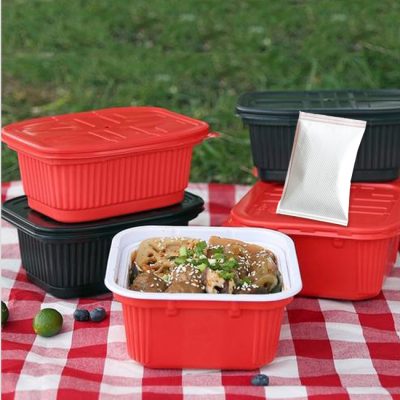
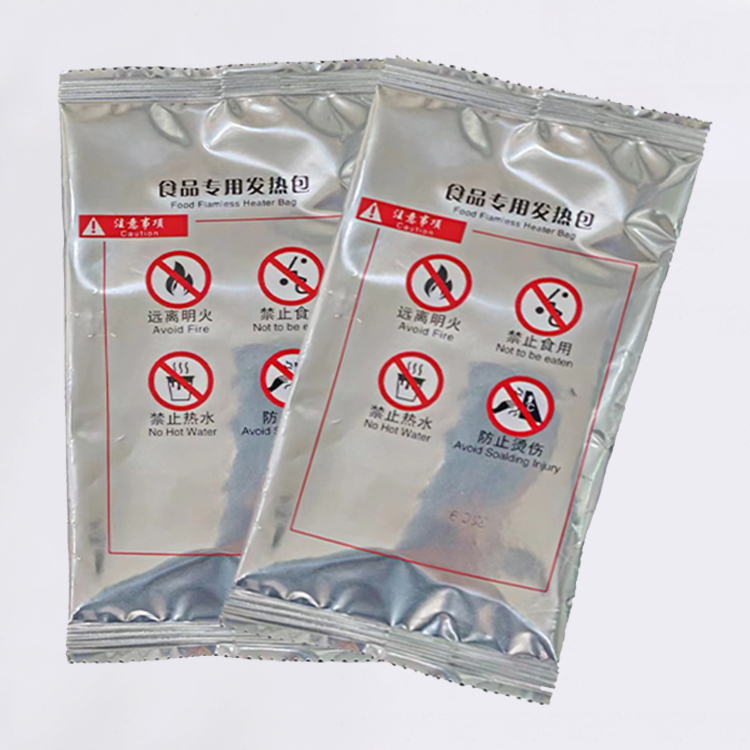
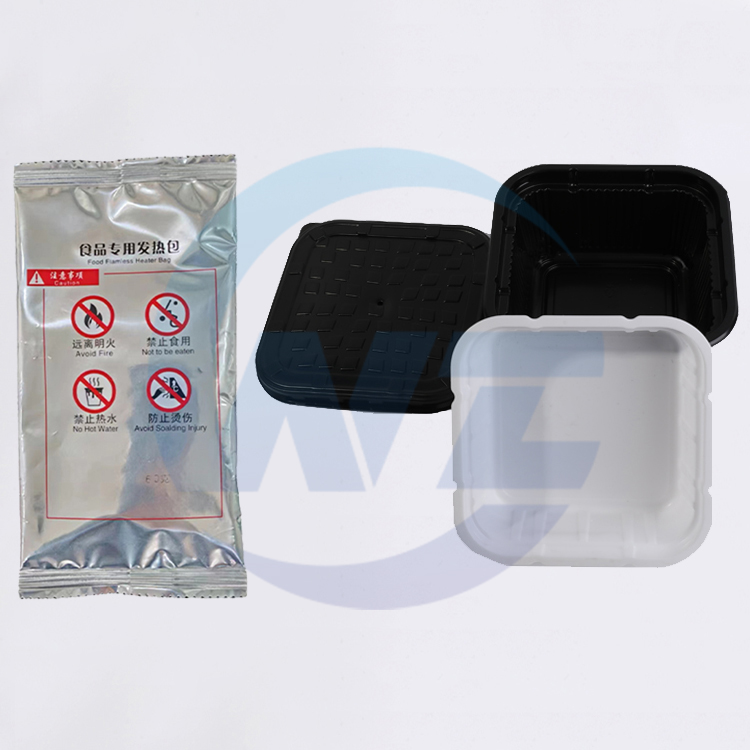
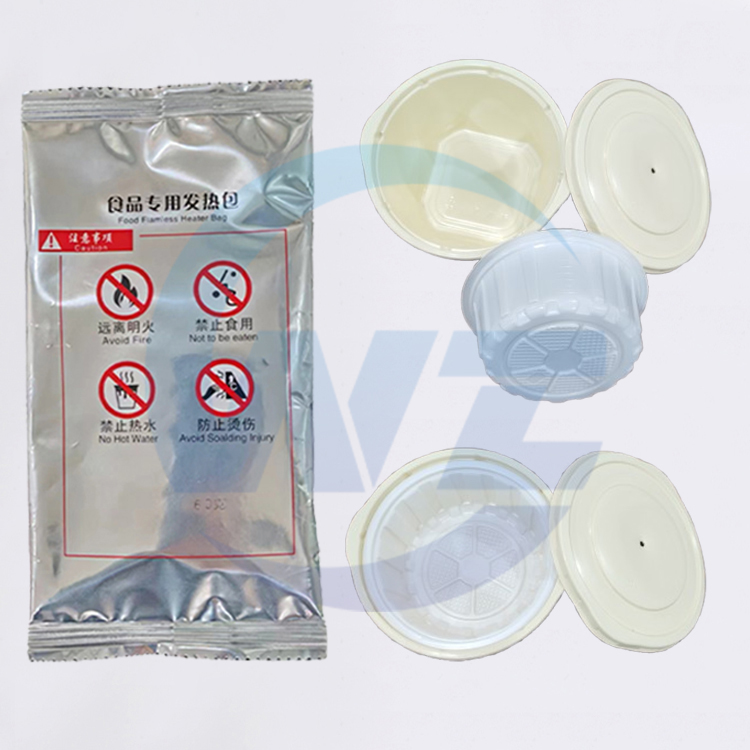
A Flameless Ration Heater Bag can provide a convenient way to warm compatible packaged food without requiring a conventional cooking flame. Combined with a Self Heating Bag for Food, this approach can simplify meal preparation when outdoor conditions are less than ideal.
However, convenient heating does not mean that every heating product should be used inside an enclosed tent. Product instructions, ventilation requirements, fire regulations, and manufacturer safety guidance should always take priority.
Wordgen provides OEM and private-label self-heating solutions for companies developing portable food heating products for camping, hiking, travel, and outdoor food applications.
What Is Tent Cooking?
Tent Cooking generally refers to preparing or heating food while camping in or around a tent or temporary shelter.
The term can describe several different situations:
- Preparing food inside a tent vestibule
- Heating food under a covered camping area
- Preparing ready-to-eat meals during bad weather
- Using portable food heating systems
- Organizing meals when outdoor cooking conditions are difficult
However, there is an important distinction between protecting food preparation from bad weather and using a heating device inside an enclosed sleeping area.
Campers should never assume that a flameless heating system is automatically suitable for use inside a closed tent. Some heating systems generate significant heat, steam, moisture, or other byproducts.
Always follow the specific manufacturer’s instructions.
Why Stormy Weather Makes Outdoor Cooking Difficult
Rain and wind create several challenges for conventional outdoor meal preparation.
Wet Cooking Equipment
Rain can make burners, cookware, tables, and other equipment wet.
Even when the cooking system continues to operate, handling wet equipment can make meal preparation slower and less comfortable.
Strong Wind
Wind can interfere with outdoor cooking equipment and make it difficult to maintain consistent heating conditions.
Cold Temperatures
Cold weather can reduce comfort and may also influence the performance of certain heating systems.
Limited Cooking Space
When campers move their activities under a shelter because of rain, cooking space can become restricted.
For these reasons, having a meal that requires minimal preparation can be extremely convenient.
How Does a Flameless Ration Heater Bag Work?
A Flameless Ration Heater Bag is a portable heating system designed to warm compatible packaged food without conventional combustion.
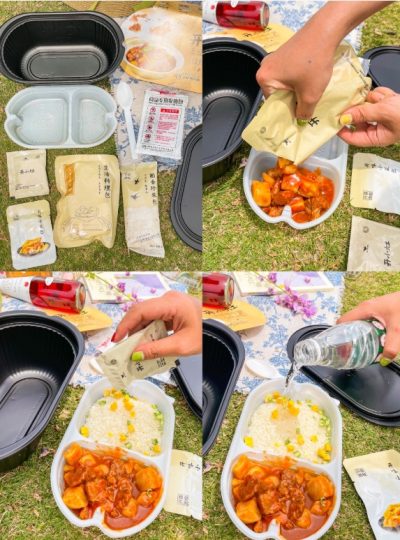
The heating material is separated from the food.
When the specified amount of water is added to the designated heating area, the heating formulation produces thermal energy. That heat then transfers through the packaging and warms the meal.
A simplified process looks like this:
Place Food Package → Add Recommended Water → Activate Heater → Wait → Enjoy
The exact activation process varies by product.
Heating time depends on factors such as:
- Heating formulation
- Food volume
- Packaging structure
- Starting food temperature
- Ambient temperature
- Water quantity
Therefore, the manufacturer’s instructions should always be followed.
Is It Safe to Use a Flameless Heater Inside a Tent?
This is one of the most important questions for stormy-weather camping.
A flameless heating system should not automatically be considered safe for use inside an enclosed tent.
Even without an open flame, some heating products can generate:
- High temperatures
- Steam
- Hot water
- Moisture
- Pressure within the heating pouch
- Chemical reaction byproducts
The correct use location depends on the specific product design and manufacturer’s instructions.
For campers, the safer approach is to use the product only in the location specified by the manufacturer, maintain appropriate ventilation where required, and keep the heating system away from sleeping materials and other heat-sensitive objects.
If the product instructions specify outdoor use, it should remain outdoors even when the weather is unpleasant.
Why a Self Heating Bag for Food Is Useful During Rainy Camping
A Self Heating Bag for Food can reduce the number of cooking steps required during a camping trip.
Instead of setting up a complete cooking station, users can warm a compatible ready-to-eat meal using the integrated heating system.
This can be particularly useful when:
The Ground Is Wet
You may not need to set up multiple pieces of cookware on wet ground.
Wind Is Strong
There is no conventional cooking flame to maintain.
You Want a Quick Meal
The heating process can be designed around a predetermined heating cycle.
Cooking Space Is Limited
A compact meal-and-heater combination requires less equipment than a complete outdoor kitchen.
Rainy Camping Meal Preparation
Good Rainy Camping preparation starts before the weather arrives.
Instead of deciding what to cook after reaching camp, campers can prepare meals that require minimal equipment.
A practical meal system may include:
- Ready-to-eat food
- Self-heating pouch
- Clearly marked activation area
- Recommended activation water
- Heating instructions
- Waste-disposal instructions
This can make meal preparation more predictable when rain makes traditional cooking inconvenient.
Portable Food Heating vs. Traditional Camp Cooking
| Feature | Traditional Camp Cooking | Portable Food Heating |
|---|---|---|
| Stove | Usually required | Not necessarily required |
| Fuel | Often required | Product dependent |
| Cookware | Usually required | May be unnecessary |
| Open Flame | Some systems use one | Designed without conventional combustion |
| Setup | Multiple components | Generally simpler |
| Cleanup | Cookware may require washing | Potentially less cookware |
| Weather Dependency | Can be affected by wind/rain | Product-specific |
| Food Type | Raw or ready-to-cook | Usually compatible ready-to-eat meals |
The choice depends on what kind of food you are preparing.
A self-heating system is particularly useful when the objective is to warm a prepared meal, rather than cook raw ingredients from scratch.
Wet Weather Cooking: What Should You Pack?
When preparing for a stormy camping trip, food equipment should be considered alongside clothing and shelter.
Useful considerations include:
Waterproof Food Packaging
Food packaging should protect the meal from rain and moisture during transportation.
Compact Heating Equipment
A compact heating pouch can reduce the amount of conventional cooking equipment required.
Backup Meals
Long trips should include backup food that can be consumed without complicated preparation.
Water Supply
Even water-activated heating systems require the correct amount of water.
Waste Storage
Used heating pouches and food packaging should be stored securely until they can be disposed of according to local requirements.
Cold Weather and Heating Performance
Temperature is an important factor when evaluating self-heating products.
A meal stored in cold weather may begin at a much lower temperature than a meal stored indoors.
The heating system may therefore require different performance characteristics under different environmental conditions.
For commercial product development, testing should consider:
- Room-temperature meals
- Refrigerated meals
- Cold outdoor conditions
- Different meal weights
- Different package sizes
- Different water temperatures
- Wind exposure
This type of testing can provide a more realistic picture of product performance.
How to Test a Self Heating Bag for Food
For outdoor food manufacturers and commercial buyers, a structured test is more useful than simply checking whether the package becomes hot.
Test 1: Activation
Check whether users can understand the activation instructions easily.
Test 2: Heating Time
Measure the time required to reach the intended serving condition.
Test 3: Heat Distribution
Check whether the entire meal warms consistently.
Test 4: Package Integrity
Inspect the pouch before, during, and after activation.
Test 5: Cold-Weather Performance
Repeat testing at different ambient temperatures.
Test 6: Handling
Evaluate whether the package can be handled comfortably after heating.
Test 7: Disposal
Confirm that disposal instructions are clear and appropriate for the target market.
Fire-Safe Outdoor Cooking During Bad Weather
Fire-Safe Outdoor Cooking is especially relevant when weather conditions and local fire restrictions overlap.
A flameless heating system can reduce reliance on conventional open-flame cooking equipment.
However, campers should remember:
Flameless does not mean regulation-free.
Before using any outdoor heating product, check:
- Local fire restrictions
- National park rules
- Campsite regulations
- Manufacturer instructions
- Transportation requirements
- Waste-disposal requirements
A product should only be used in locations and conditions permitted by its instructions and applicable regulations.
Tent Meal Preparation: Keep Food Separate From Sleeping Areas
When weather forces campers into a tent, separating food preparation from the sleeping area is important.
Food can attract insects and wildlife, while hot liquids and heating systems can create additional risks inside a confined space.
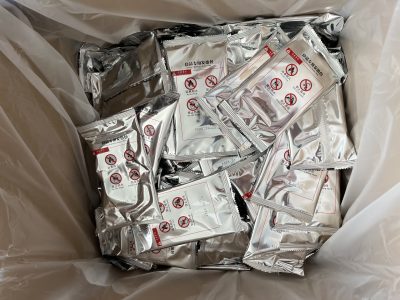
For this reason, campers should avoid turning their sleeping compartment into a cooking area.
If a product is designed for outdoor activation, use it outside the sleeping area, even during rain. A covered outdoor cooking location or designated campsite cooking area may be more appropriate when permitted.
The exact setup should always follow campsite rules and the heating product’s instructions.
Wordgen: Self Heating Bag Manufacturer
Wordgen develops and manufactures self-heating products for companies serving outdoor food, portable meal, and convenience-food markets.
The company provides OEM and private-label services, including:
- Self Heating Bag development
- Custom pouch dimensions
- Private-label packaging
- Custom printing
- Product specification development
- OEM manufacturing
- Bulk production
For commercial buyers, the heating system should be developed together with the food package.
Meal weight, container dimensions, desired heating time, storage conditions, activation method, and target market can all influence the final product design.
Wordgen can work with customers to develop customized self-heating solutions based on these requirements.
How to Choose a Flameless Ration Heater Bag
When comparing different heating bags, consider more than maximum temperature.
1. Heating Capacity
Make sure the heater is designed for the intended food quantity.
2. Activation Requirements
Check the required water volume and activation procedure.
3. Heating Time
Compare the heating cycle with the intended use case.
4. Package Compatibility
The heating pouch must be compatible with the food container or meal pouch.
5. Storage Stability
Commercial buyers should review documented storage conditions and shelf-life information.
6. Handling Requirements
The package should provide clear instructions for activation and handling after heating.
7. Disposal
Understand the disposal requirements for the heating material and packaging in the target market.
Why Storm-Ready Meals Are Becoming More Practical
Outdoor consumers increasingly want food that fits their lifestyle rather than requiring them to build a complete kitchen at every campsite.
A storm-ready meal can combine:
Portable Food + Simple Heating + Weather-Aware Preparation
This approach is particularly attractive for:
- Weekend campers
- Backpackers
- Hikers
- Road-trip travelers
- Outdoor event participants
- Adventure-food brands
Instead of carrying every piece of traditional cooking equipment, users can select a meal system designed around convenience.
The Future of Weather-Ready Outdoor Meals
Weather is one of the biggest variables in outdoor recreation.
A meal that works well on a sunny afternoon may be less convenient when temperatures drop and rain begins.
This creates an opportunity for food manufacturers to develop products specifically designed around outdoor conditions.
Self Heating Bag for Food, Flameless Ration Heater, Rainy Camping, and Fire-Safe Outdoor Cooking technologies can all contribute to this developing category.
The goal is not to encourage cooking inside a closed tent.
The goal is to create portable meal systems that remain convenient when outdoor conditions become challenging.
Conclusion: Prepare for the Weather, Not Against It
Stormy weather should not automatically mean giving up on a warm outdoor meal.
A well-designed Self Heating Bag for Food can simplify meal preparation by reducing the need for conventional cooking equipment. A Flameless Ration Heater Bag can provide a practical heating method for compatible ready-to-eat meals.
However, convenience must always come with responsible use.
Campers should never assume that a flameless product is suitable for use inside an enclosed tent. Always follow the manufacturer’s instructions, local fire regulations, campsite requirements, and recommended ventilation and handling procedures.
For outdoor food brands, Wordgen provides OEM and private-label self-heating solutions that can be customized around different food formats and packaging requirements.
When the rain starts falling, good preparation matters. The best stormy-weather meal is one that is convenient, properly tested, easy to handle, and designed with outdoor safety in mind.
Frequently Asked Questions
1. What is Tent Cooking?
Tent Cooking refers broadly to preparing or heating food in or around a tent or temporary camping shelter. However, heating devices should only be used inside a tent if the manufacturer specifically permits it.
2. Can I use a Flameless Ration Heater Bag inside a tent?
Not necessarily. Flameless heating systems can still generate significant heat, steam, moisture, or other byproducts. Always follow the specific manufacturer’s instructions regarding where the product may be activated.
3. Is a Self Heating Bag for Food useful during rainy camping?
Yes. A self-heating system can provide a convenient way to warm compatible ready-to-eat meals when rain or wind makes conventional outdoor cooking inconvenient.
4. Does rain affect a self-heating pouch?
Rain and ambient temperature can influence product performance depending on the design. Commercial products should be tested under realistic weather conditions before being marketed for outdoor use.
5. Does a flameless heater produce an open flame?
A properly designed flameless heating system does not rely on a conventional cooking flame. However, it can still generate substantial heat and should be handled according to the manufacturer’s instructions.
6. Can I use cold water to activate a Self Heating Bag?
The required water temperature depends on the heating formulation. Users should follow the water specifications provided by the manufacturer rather than assuming that any water temperature will produce the same result.
7. What meals are suitable for self-heating?
Ready-to-eat meals such as rice dishes, pasta, vegetables, and other compatible packaged foods can be suitable. The food container and heating system should be designed and tested as a complete system.
8. How long does a Flameless Ration Heater Bag take to heat food?
Heating time varies according to food quantity, formulation, package structure, starting temperature, ambient temperature, and water quantity. Always use the manufacturer’s specified heating time.
9. What should campers do with used heating pouches?
Allow the product to cool according to the manufacturer’s instructions and follow applicable local disposal requirements. Used packaging should not be abandoned at a campsite.
10. Can Wordgen customize heating bags for outdoor food brands?
Yes. Wordgen offers OEM and private-label manufacturing services, including custom pouch dimensions, packaging, printing, and heating specifications.
STAY IN THE LOOP