by Kevin
Share
by Kevin
Share
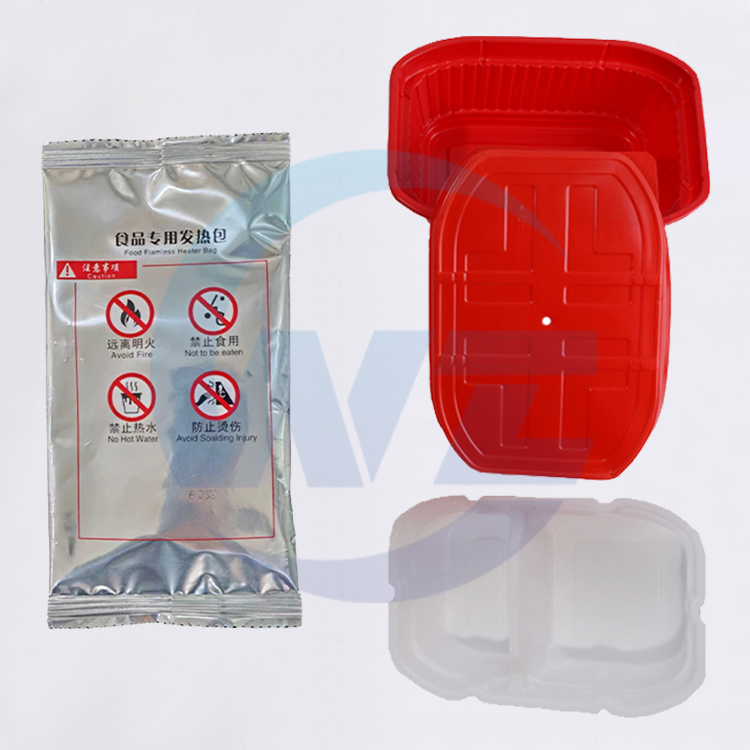
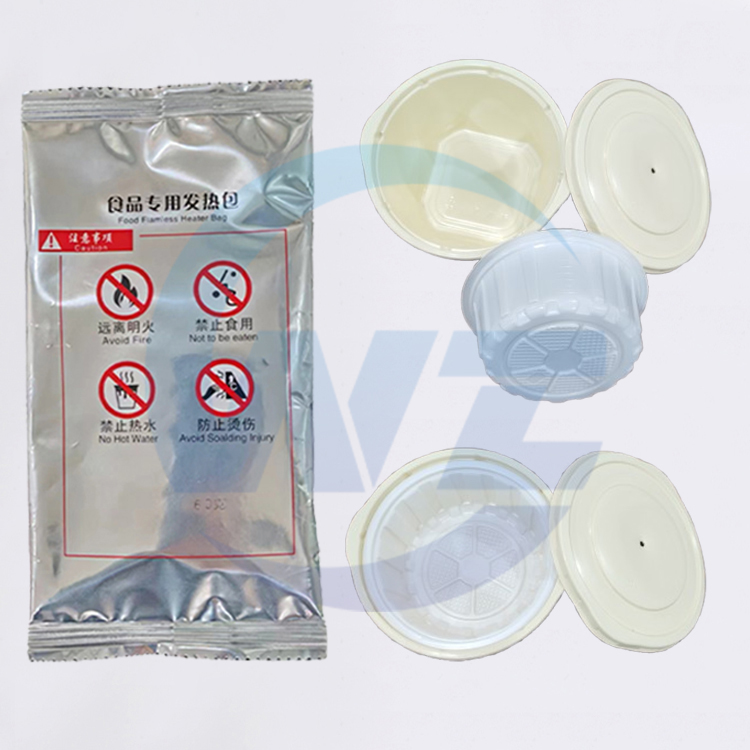
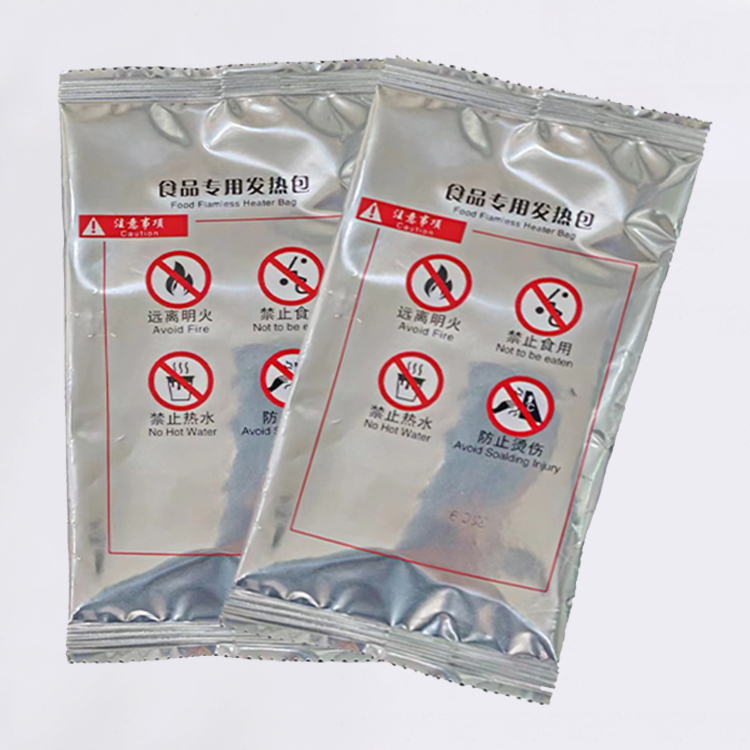
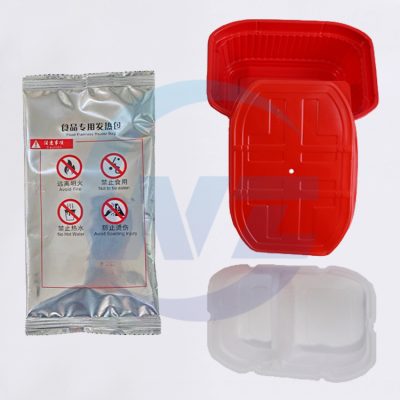
In the commercial self-heating food and emergency preparedness industries, Flameless Ration Heaters (FRHs) are indispensable components. However, global trade dynamics have fundamentally shifted. Rapid tariff adjustments, volatile logistics costs, and the need for structural resilience have pushed B2B buyers to look beyond traditional, highly concentrated manufacturing hubs.

Diversifying your supply chain for chemical heating elements is no longer just a cost-saving tactic—it is a baseline requirement for operational continuity.
Why the FRH Supply Chain is Reconfiguring
Traditional sourcing models relied heavily on centralized production networks. While this offered high volume, it introduced severe vulnerabilities. Today, three main commercial drivers are forcing businesses to re-evaluate their FRH vendor portfolios:
-
Tariff and Regulatory Headwinds: Evolving import duties and stricter classification rules on chemical components have severely compressed profit margins for single-source importers.
-
Logistics Fluidity: Ocean freight bottlenecks and unpredictable shipping lanes mean that relying on a single geographic hub risks empty shelves during peak outdoor or disaster-relief seasons.
-
Compliance and Sustainability: Modern commercial buyers require factories that meet strict environmental standards, especially regarding the chemical stability and post-reaction disposal of aluminum-based or magnesium-based heating pads.
Key Emerging Hubs for FRH Production
As companies actively de-risk, several alternative regions are building up their technical manufacturing capacity for water-activated heating elements.
Southeast Asia (Vietnam & Thailand)
Southeast Asia has become a primary beneficiary of multi-hub sourcing strategies. Vietnam and Thailand offer robust infrastructure for plastic packaging and chemical blending. Their expanding export corridors provide excellent maritime access to North American and European commercial markets, often with more favorable tariff structures.
Latin America (Mexico)
For businesses targeting the North American consumer market, nearshoring to Mexico has become a major strategic lever. Mexico’s proximity eliminates long ocean transit times, cutting lead windows down from months to days. This allows commercial food brands to manage lean inventories and respond dynamically to sudden demand spikes.
Eastern Europe (Poland & Türkiye)
For the European consumer market, regionalized hubs like Poland and Türkiye offer an excellent balance of cost efficiency and regulatory alignment. Sourcing here streamlines compliance with strict European chemical safety standards and simplifies overland logistics.
Evaluating Alternative FRH Suppliers
When vetting a new supplier outside traditional markets, cost per unit cannot be your only metric. Because FRHs rely on precise exothermic (heat-releasing) chemical reactions, your evaluation framework should prioritize technical and operational compliance.
| Evaluation Metric | Key Considerations |
| Chemical Consistency | Ensure active formulations (such as aluminum-based or magnesium-iron alloy powders) deliver stable, reliable heat curves without premature activation. |
| Packaging Integrity | High-density polyethylene (HDPE) outer bags must feature flawless seals to prevent moisture infiltration during transit and extended storage. |
| Regulatory Defensibility | The supplier must provide clear documentation regarding country-of-origin claims and material safety compliance for commercial shipping. |
Conclusion
Shifting your FRH sourcing to emerging markets requires initial investment in verification and testing, but the payoff is a highly resilient, agile supply chain. By distributing production across multi-hub regional networks, commercial brands protect their margins and guarantee that their self-heating products are delivered on time, regardless of global trade disruptions.
FAQ
What are the main active ingredients in commercial FRHs?
Most modern commercial FRHs utilize either an aluminum-based system (combining aluminum powder, calcium oxide, and sodium carbonate) or a magnesium-iron alloy system. Both formulations are water-activated and designed to release steady thermal energy through an exothermic reaction without generating an open flame.
How do alternative sourcing regions impact the shelf life of FRHs?
The geographic location of the manufacturer does not inherently alter shelf life, provided that the outer packaging integrity is maintained. However, sourcing from regions with high humidity requires strict quality control during the sealing process to ensure zero moisture is trapped inside the protective barrier, preserving the standard 3-to-5-year shelf life.
Are there specific shipping restrictions for FRHs from new markets?
Yes. Because water-activated heaters contain active metallic powders, they are often classified as hazardous materials for air freight. When sourcing from new international markets, utilize reliable maritime or intermodal overland routes, and verify that your supplier provides fully compliant material safety documentation to clear customs smoothly.
STAY IN THE LOOP