by Kevin
Share
by Kevin
Share
Introduction: What Makes a Great Trail Meal?
Reaching a mountain viewpoint after hours of hiking creates the perfect moment for a satisfying meal. But when you’re carrying everything in a backpack, preparing dinner at high altitude is not always simple.
Traditional outdoor cooking can require a stove, fuel, cookware, utensils, and additional water. Wind, rain, cold temperatures, and local fire restrictions can make the process even more challenging.
For hikers and outdoor travelers, the ideal Trail Meal should be more than just lightweight. It should also be convenient to prepare, easy to carry, and compatible with the conditions of the journey.
This is where modern self-heating food technology can make a difference.
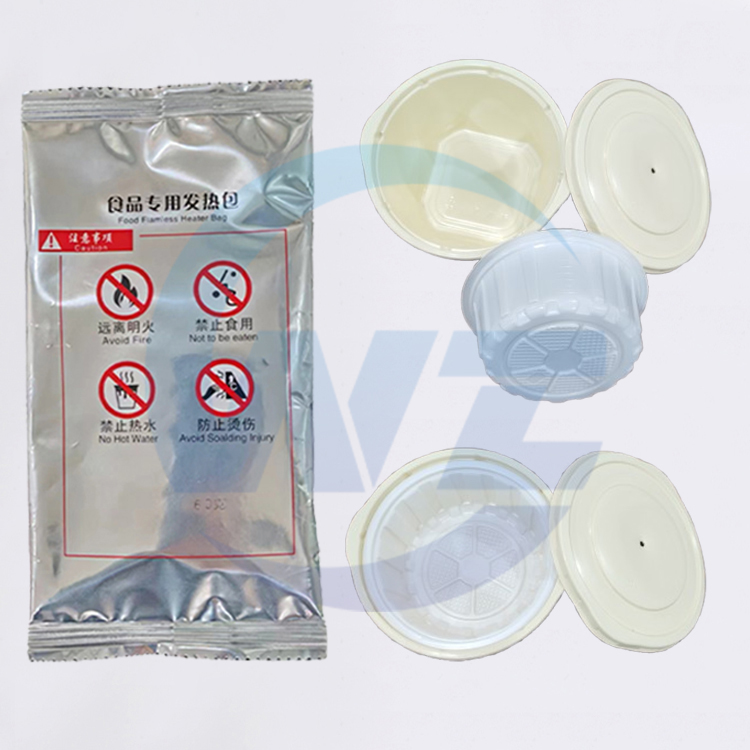
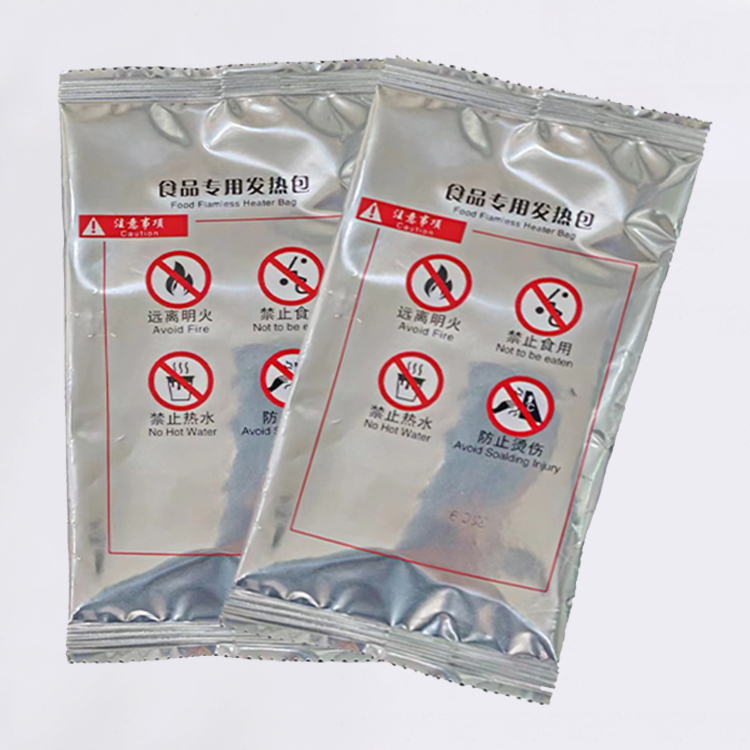
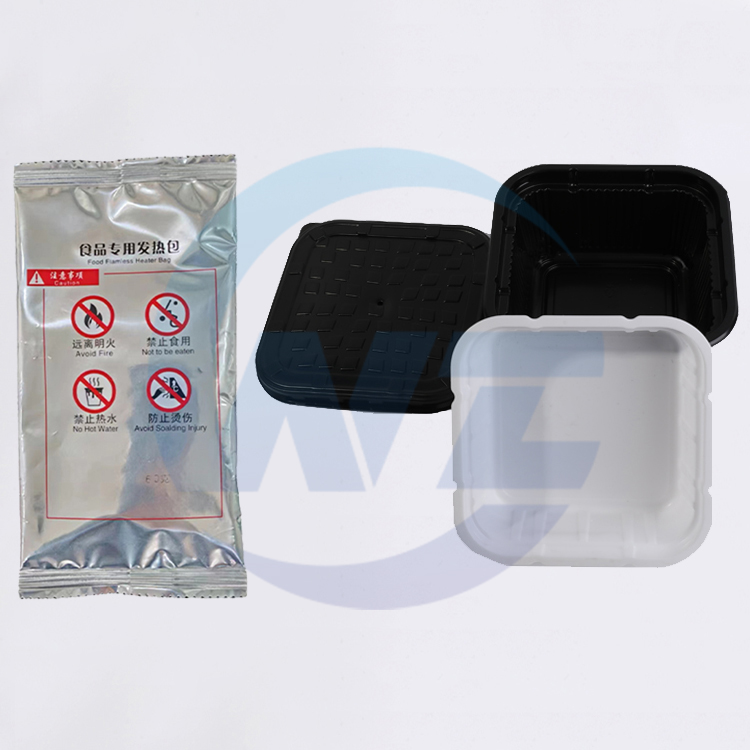
A Self Heating Bag for Food can warm a compatible packaged meal using a water-activated heating system, reducing the need for conventional cooking equipment. For outdoor food manufacturers and brands, this technology provides a practical way to create convenient meal solutions for hiking, camping, backpacking, and adventure travel.
Wordgen specializes in the development and manufacturing of self-heating products, offering OEM, private-label, and customized heating solutions for outdoor food and portable meal applications.
What Is a Trail Meal?
A Trail Meal is a food solution designed for people who eat while hiking, backpacking, camping, or traveling through outdoor environments.
Unlike meals prepared in a normal kitchen, a good trail meal needs to consider several practical factors:
- Weight
- Package size
- Shelf stability
- Preparation time
- Heating requirements
- Ease of handling
- Waste management
For short hikes, a cold snack may be sufficient. For longer adventures, however, a warm meal can provide a more satisfying dining experience.
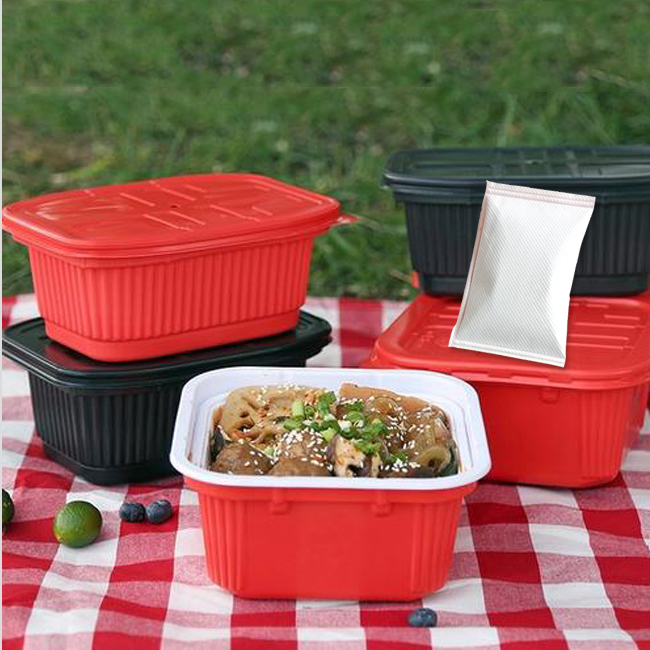
A self-heating meal system combines the food package and heating solution into a convenient format, allowing users to warm compatible meals without carrying a conventional stove.
What Makes a Good Mountain Trail Meal?
When evaluating food for mountain adventures, there are several characteristics worth considering.
1. Compact Packaging
Space is limited inside a hiking backpack.
A well-designed meal package should use space efficiently while protecting the food and heating components during transportation.
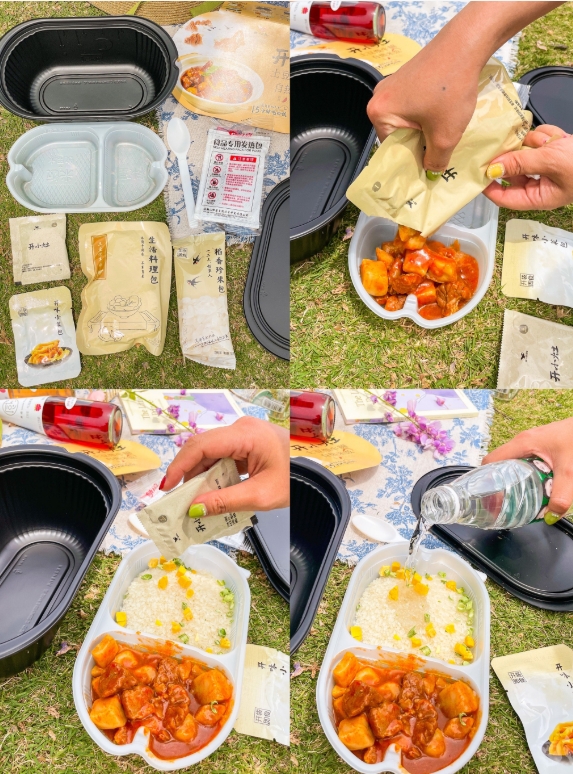
2. Easy Preparation
Mountain conditions are not always suitable for complicated cooking.
A simple heating process can reduce preparation steps and allow hikers to spend more time enjoying their surroundings.
3. Suitable Heating Performance
Different meals require different amounts of heat.
Rice, pasta, vegetables, meat-based meals, and mixed dishes may have different heating requirements. The heating system should therefore be matched to the food volume and package structure.
4. Easy Handling
Outdoor meals should be simple to open, heat, serve, and dispose of without creating unnecessary mess.
How Does a Self Heating Bag for Food Work?
A Self Heating Bag for Food is designed to warm a packaged meal using a water-activated heating element.
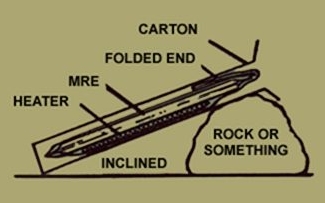
The heating material is kept separate from the food. When the specified amount of water is introduced into the heating area, a controlled exothermic reaction generates thermal energy.
The basic process is:
Insert Meal → Add Recommended Water → Activate Heater → Wait → Enjoy
The heat generated by the heating element transfers through the packaging and warms the food.
The exact heating time and required water volume depend on the product formulation, meal size, packaging structure, starting temperature, and ambient conditions.
For this reason, users should always follow the specific instructions supplied with the product.
Testing a Flameless Ration Heater for Mountain Meals
A Flameless Ration Heater can be evaluated using several practical criteria when developing or selecting an outdoor food product.
Rather than focusing only on maximum temperature, a useful evaluation should consider the entire user experience.
Heating Speed
How long does it take before the meal reaches a suitable serving temperature?
A faster heating cycle can be useful when hikers are taking a short break or preparing dinner after reaching camp.
Heat Distribution
A heating system should transfer heat effectively across the food package.
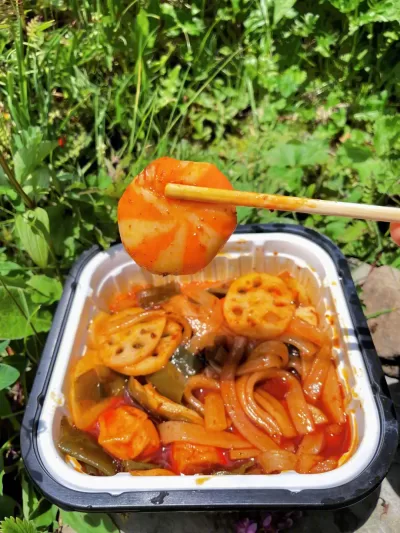
Dense foods may require different heating conditions from liquid or semi-liquid meals.
Packaging Stability
The outer pouch needs to maintain its structure throughout activation and heating.
A properly engineered pouch should account for heat, moisture, pressure, handling, and transportation.
Ease of Activation
Outdoor users should be able to understand the activation process quickly.
Clear instructions are particularly important when the product is used in cold, windy, or low-light conditions.
Why Water-Activated Heating Works Well for Mountain Travel
Water is one of the simplest ways to activate a self-heating system.
Unlike conventional cooking, the heating process does not depend on maintaining a flame or continuously boiling water.
This can make the system particularly convenient when users want to warm a ready-to-eat meal rather than cook raw ingredients.
However, the required water quantity and activation method vary between products. Manufacturers should clearly specify these requirements on the packaging.
Mountain Conditions: What Happens in Cold Weather?
Temperature can affect the performance of many chemical heating systems.
Cold ambient conditions may change activation speed and heat-transfer efficiency. The food itself may also start at a lower temperature, requiring more energy to reach the desired serving temperature.
For outdoor product development, manufacturers should consider testing under different conditions, including:
- Room temperature
- Cold weather
- Wind exposure
- Different starting food temperatures
- Different meal weights
- Different packaging configurations
This type of testing provides more useful information than relying on a single laboratory temperature result.
Fire-Safe Outdoor Cooking for Mountain Adventures
Fire-Safe Outdoor Cooking is increasingly relevant to hikers and campers because fire regulations vary between locations and seasons.
A self-heating food system does not require a conventional cooking flame, which can make it a useful alternative in appropriate locations.
However, “flameless” does not mean “automatically permitted.”
Before using any heating product outdoors, users should check:
- Local fire restrictions
- National park regulations
- Campsite rules
- Product handling instructions
- Waste-disposal requirements
Following local regulations is an essential part of responsible outdoor food preparation.
Camping Meal Prep: From Backpack to Mountain Dinner
A practical Camping Meal Prep system can be designed around a simple sequence:
Step 1: Choose the Meal
Select a ready-to-eat meal compatible with the heating pouch.
Step 2: Pack the Meal
Place the food package and heating system securely inside the backpack.
Step 3: Activate the Heater
At the destination, add the specified amount of water according to the product instructions.
Step 4: Wait for Heating
Allow the heating system to complete its recommended heating cycle.
Step 5: Enjoy the Meal
Open the food package and enjoy the meal once the recommended heating process is complete.
Step 6: Manage the Waste
Cool and handle the used heating components according to the manufacturer’s instructions and local disposal requirements.
This approach can make meal preparation more predictable without requiring a full outdoor kitchen.
Why Self-Heating Technology Is Interesting for Outdoor Food Brands
The opportunity is not limited to individual campers.
Outdoor food brands can integrate self-heating technology into different product formats, including:
- Ready-to-eat hiking meals
- Backpacking food
- Camping dinners
- Travel meals
- Outdoor convenience foods
- Emergency preparedness food products
A self-heating system can also help brands differentiate their products from conventional ready-to-eat meals.
Instead of selling only the food, brands can develop a complete meal + heating solution.
Wordgen: Self-Heating Product Manufacturer
Wordgen provides manufacturing and customization services for companies developing self-heating food products.
The company can support commercial customers with:
- Self Heating Bag development
- Custom pouch dimensions
- Private-label packaging
- Logo and artwork printing
- OEM manufacturing
- Heating specification customization
- Product development support
- Bulk production
For outdoor food companies, product development should begin with the meal itself.
Food volume, package dimensions, desired serving temperature, activation method, storage requirements, and target market can all influence the design of the heating system.
Wordgen can work with customers to develop a heating solution around these product requirements.
How to Choose the Best Self Heating Bag for Food
When comparing different self-heating solutions, don’t look at temperature alone.
Consider the following factors:
Meal Compatibility
Make sure the heating system is appropriate for the size and type of food package.
Heating Time
Compare the recommended heating cycle with the intended outdoor application.
Packaging Strength
The pouch should remain stable during storage, transportation, activation, and heating.
Activation Requirements
Check the amount and type of water required.
Storage and Shelf Life
Commercial buyers should review documented storage conditions and shelf-life information.
Disposal Requirements
Understand how the used heating components should be handled in the target market.
Supplier Support
For OEM projects, supplier capabilities in packaging, customization, testing, and production consistency are important.
What Should You Test Before Launching a Self-Heating Meal?
For commercial buyers, product testing should go beyond simply asking whether the meal becomes hot.
A practical test can evaluate:
| Test Item | What to Check |
|---|---|
| Activation | Is the process easy to understand? |
| Heating Time | Does the meal reach the intended serving temperature within the target time? |
| Heat Distribution | Is the meal heated consistently? |
| Packaging | Does the pouch maintain its structure? |
| Handling | Can users handle the package comfortably? |
| Storage | Does performance remain stable after storage testing? |
| Outdoor Conditions | Does performance remain acceptable under different temperatures? |
| Disposal | Are instructions clear for used components? |
This approach gives outdoor brands a more complete understanding of the finished product.
The Future of Mountain Meals
Outdoor consumers increasingly expect food products to be convenient without sacrificing portability.
The combination of ready-to-eat food and self-heating technology creates a new category of outdoor meal solutions.
For hikers, the benefit is simple: less cooking equipment and a straightforward way to enjoy warm food.
For brands, the opportunity is broader. A self-heating system can become part of a complete product experience that combines food, packaging, heating technology, and outdoor convenience.
As the outdoor food market develops, technologies such as Self Heating Bag for Food, Flameless Ration Heater, and Fire-Safe Outdoor Cooking can support new approaches to Camping Meal Prep.
Conclusion: A Better Dinner After the Climb
A mountain-top dinner does not need to involve a complicated outdoor kitchen.
The right Trail Meal can combine compact packaging, convenient preparation, suitable heating performance, and responsible waste management into one practical solution.
A Self Heating Bag for Food provides a convenient way to warm compatible meals, while a Flameless Ration Heater can eliminate the need for a conventional cooking flame.
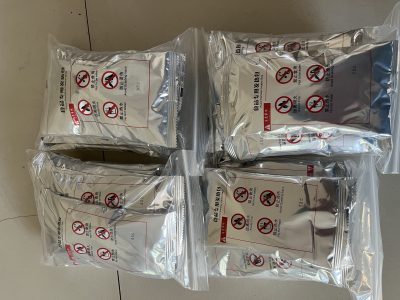
For outdoor brands looking to develop these products, Wordgen offers OEM and private-label manufacturing support for customized self-heating solutions.
Whether the destination is a mountain campsite, a hiking trail, or a weekend outdoor adventure, better meal preparation can make the final part of the journey even more enjoyable.
Frequently Asked Questions
1. What is a Trail Meal?
A Trail Meal is a food product designed for hiking, backpacking, camping, and other outdoor activities. It typically emphasizes portability, convenient preparation, and practical packaging.
2. How does a Self Heating Bag for Food heat a meal?
A Self Heating Bag for Food uses a water-activated heating element to generate thermal energy. The heat transfers through the packaging and warms the compatible food container.
3. Is a Flameless Ration Heater suitable for mountain hiking?
Yes, a Flameless Ration Heater can be used for suitable outdoor food applications when the product is designed for the intended meal format and used according to its instructions.
4. Does cold weather affect self-heating performance?
Cold temperatures can affect activation speed and heat transfer. Product performance should therefore be evaluated under the environmental conditions expected during actual use.
5. Can a self-heating system replace a camping stove?
For ready-to-eat meals that only need reheating, a self-heating system can reduce the need for a conventional stove. It is not necessarily a replacement for a stove when users need to boil water or cook raw ingredients.
6. What type of food works well with self-heating technology?
Ready-to-eat meals such as rice dishes, pasta, vegetables, and other packaged meals can be suitable, provided the food container and heating system are properly matched.
7. How long does a self-heating meal take?
The heating time varies according to the heating formulation, food quantity, packaging design, starting temperature, and ambient conditions. The manufacturer’s specified heating time should always be followed.
8. Can Wordgen customize self-heating bags for outdoor food brands?
Yes. Wordgen provides OEM and private-label services, including custom pouch sizes, packaging, branding, and heating-system specifications.
9. What should outdoor brands test before launching a self-heating meal?
Brands should evaluate activation, heating time, heat distribution, packaging strength, storage stability, handling, outdoor performance, and disposal instructions.
10. Is a flameless heating product allowed in every camping area?
No. Regulations vary by location. Campers should check local fire restrictions, campsite rules, park regulations, and transportation requirements before using a heating product.
STAY IN THE LOOP