by Kevin
Share
by Kevin
Share
In the B2B procurement of Flameless Ration Heaters (FRHs), the difference between a reliable field asset and a dangerous liability comes down to one thing: Quality Control (QC). Many buyers are fooled by “factory theater”—clean floors, workers in pristine uniforms, and impressive ISO certificates hanging on the wall. However, FRHs rely on a highly volatile exothermic reaction involving fine magnesium powder. True quality control is not about visual aesthetics; it is about microscopic chemical consistency and rigorous environmental testing. Understanding what a genuine FRH QC process looks like is the only way to protect your brand from catastrophic field failures and costly recalls.
Features of a Genuine FRH Quality Control Process
Raw Material Verification
A legitimate QC process starts before production begins. Top-tier suppliers test the incoming magnesium powder for purity and particle size distribution. Even a slight variance in magnesium mesh size can drastically alter the heater’s reaction speed and peak temperature.
Environmental Simulation Testing
Real QC involves activating sample heaters inside environmental chambers. Suppliers must prove that their heaters can reach the required temperature (typically 140°F+) not just at room temperature, but in sub-zero freezing conditions and high-altitude, low-pressure environments.

In-Line Statistical Process Control (SPC)
Instead of just checking the final product, strict QC monitors the manufacturing process in real-time. This means using laser sensors to verify the exact weight of the chemical pad and optical sensors to check the vacuum seal integrity of every single bag on the production line.
Hydrogen Gas Emission Tracking
Since the magnesium-water reaction produces hydrogen gas, a safety-focused QC process measures the rate and volume of gas emitted. This ensures the heater’s breathable packaging allows safe off-gassing and prevents dangerous pressure buildup in confined spaces.
How are rigorous FRH QC processes implemented?
Building an effective QC system for chemical heaters requires a structured, data-driven approach rather than random spot checks.
Baseline Formulation Locking
First, the supplier locks the exact ratio of magnesium, iron, salt, and carbon based on the buyer’s specifications. This “golden batch” becomes the baseline that all future production runs are measured against.
Destructive Batch Testing
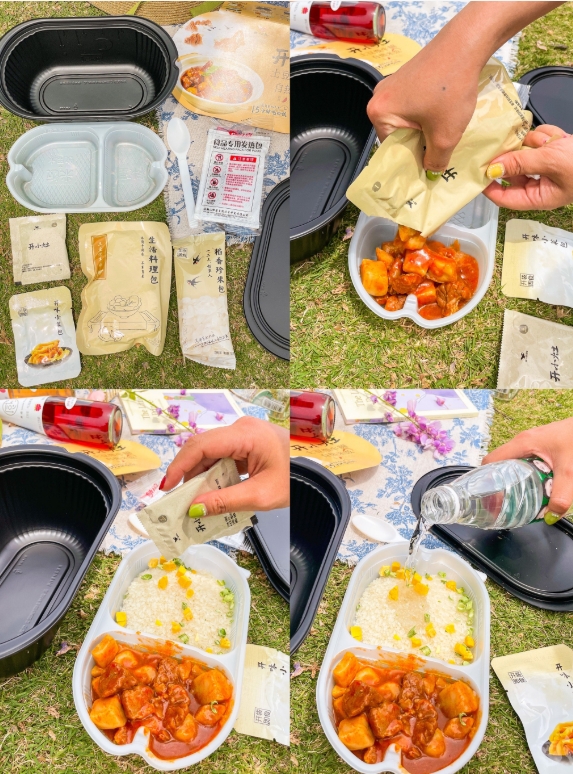
During production, a statistically significant number of heaters are pulled from the line and activated using precise water volumes. The exact temperature curve is mapped using thermocouples to ensure it matches the locked baseline, destroying the samples in the process.
Full Traceability Documentation
Every batch of finished heaters is assigned a lot number that is permanently linked to the specific batch of raw magnesium powder used. If a failure is reported in the field, the supplier can trace it back to the exact day, machine, and chemical source.
Popular Uses of Rigorous QC in the FRH Industry
Contract Compliance
Defense departments require an incredibly high standard of QC. Rigorous testing guarantees that when a soldier is in a freezing trench, the heater will activate reliably, preventing hypothermia and maintaining combat readiness.
Humanitarian Relief Safety
NGOs distributing millions of heaters rely on strict QC to ensure no defective products enter the supply chain. A “dud” heater in a disaster zone means a vulnerable person goes without a hot meal, causing severe morale and trust issues.
Retail Brand Protection
Commercial outdoor brands use stringent supplier QC to protect their reputation. Catching a sealing defect or a chemical inconsistency at the factory prevents the brand from facing negative consumer reviews and expensive product recalls.
How to evaluate an FRH supplier’s QC that suits your needs?
Consider third-party auditability
Do not rely on the supplier’s word. Choose a supplier whose QC process is transparent and allows for independent, third-party inspections (like SGS or Intertek) at any stage of production.
Determine the testing frequency
Ask specific questions: “How many units per 10,000 do you destroy for thermal testing?” If the supplier claims 100% pass rates without regular destructive testing, they are likely cutting corners.
Safety and data first
Demand to see actual test data, not just certificates. Ask for recent temperature curve graphs and hydrogen emission reports. A trustworthy supplier will proudly share this data to prove their chemical consistency.
How to care for an FRH supplier relationship?
Proper documentation management
Keep a centralized file of all Certificates of Analysis (COA) provided by your supplier for every shipment. This documentation is your legal shield if a batch fails in the market.
Follow instructions for pre-shipment inspections
Never waive your right to a Pre-Shipment Inspection (PSI). Ensure your inspectors physically open Master Cartons to check for vacuum integrity, as pinhole leaks in the polypropylene outer layer are the number one cause of premature heater degradation.
Conclusion
When sourcing Flameless Ration Heaters, you are not just buying a bag of chemicals; you are buying the guarantee that those chemicals will react safely and effectively under the worst possible conditions. Do not be swayed by factory theater. By demanding raw material verification, environmental simulation data, and full batch traceability, you can separate truly professional manufacturers from substandard assemblers. Check your supplier’s QC protocols today—your brand’s safety depends on it.
If you think this article is helpful, please contact us. We will give you reasonable and suitable product recommendations based on your current situation. If you are not sure, you can also consult us. We will provide you with professional services to answer your questions. You are welcome to consult us at any time and we welcome all customers to conduct on-site inspections!
STAY IN THE LOOP